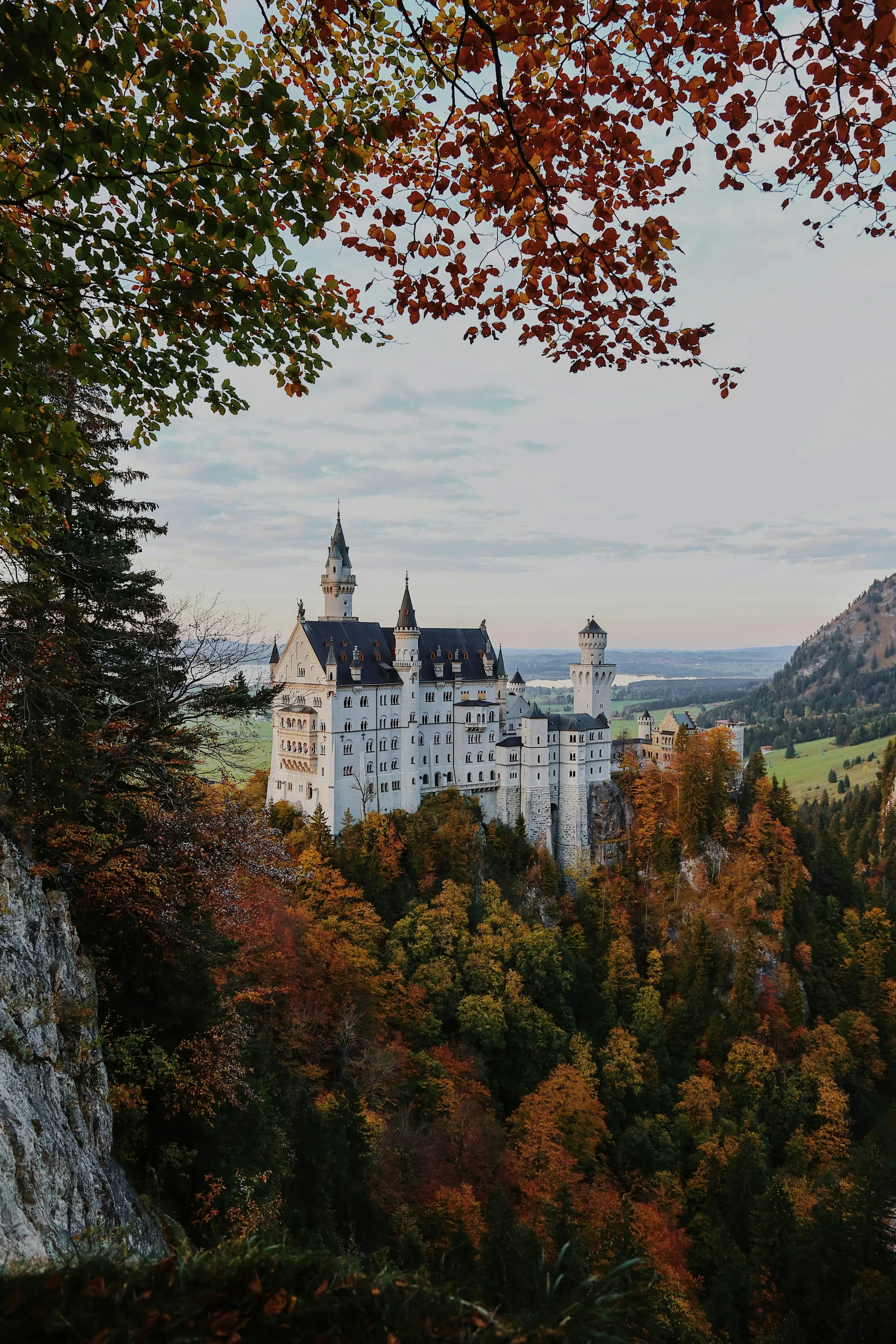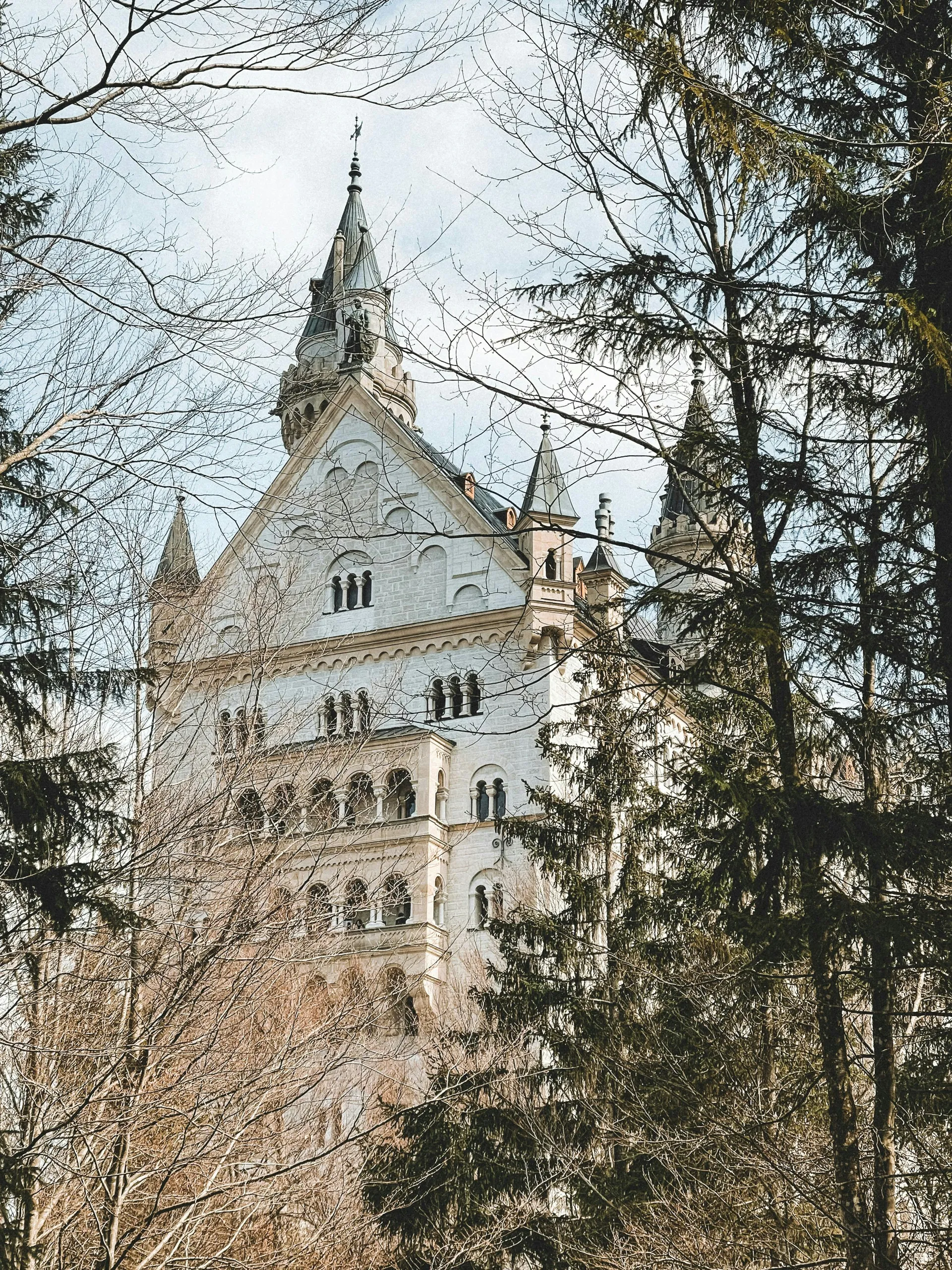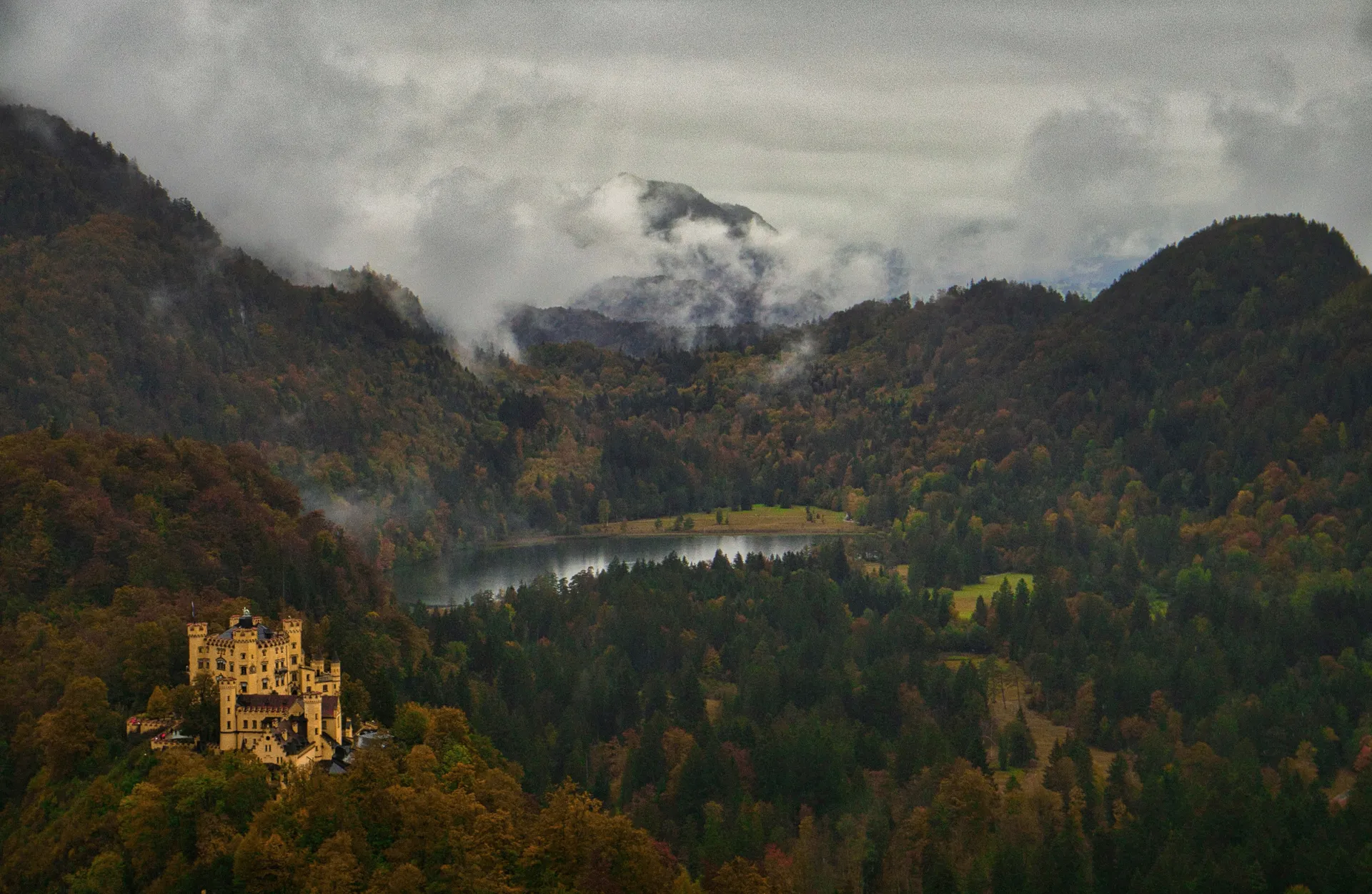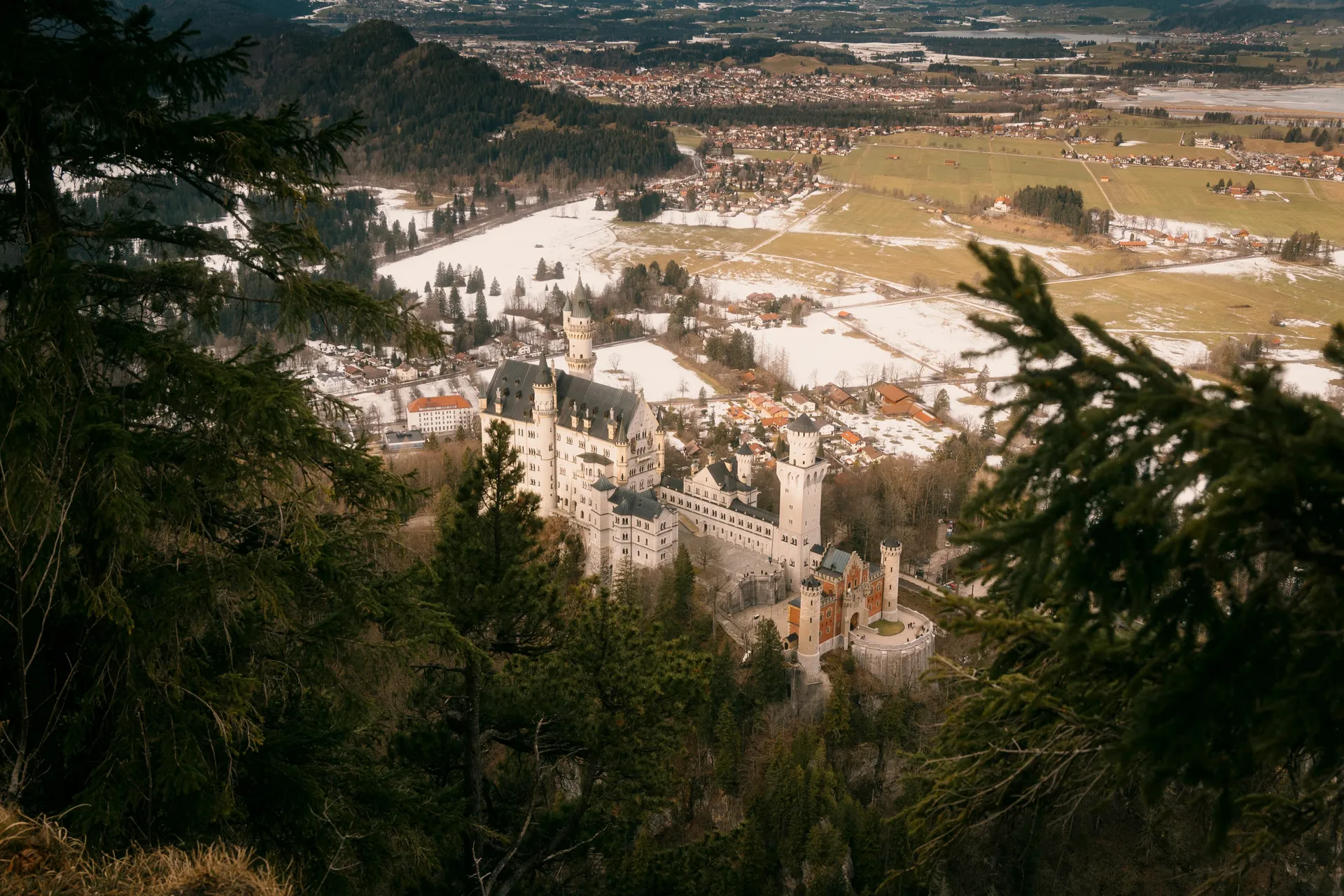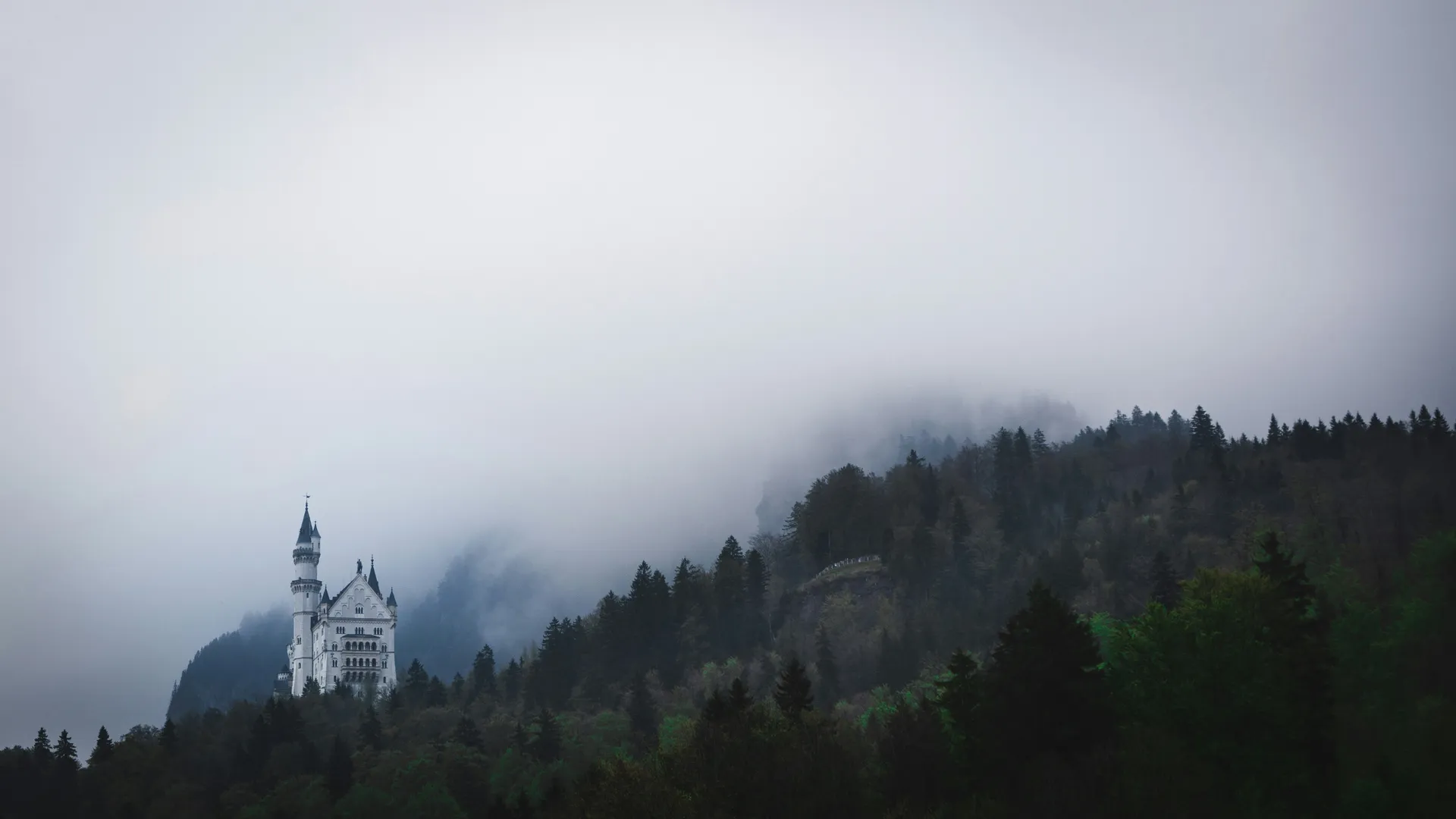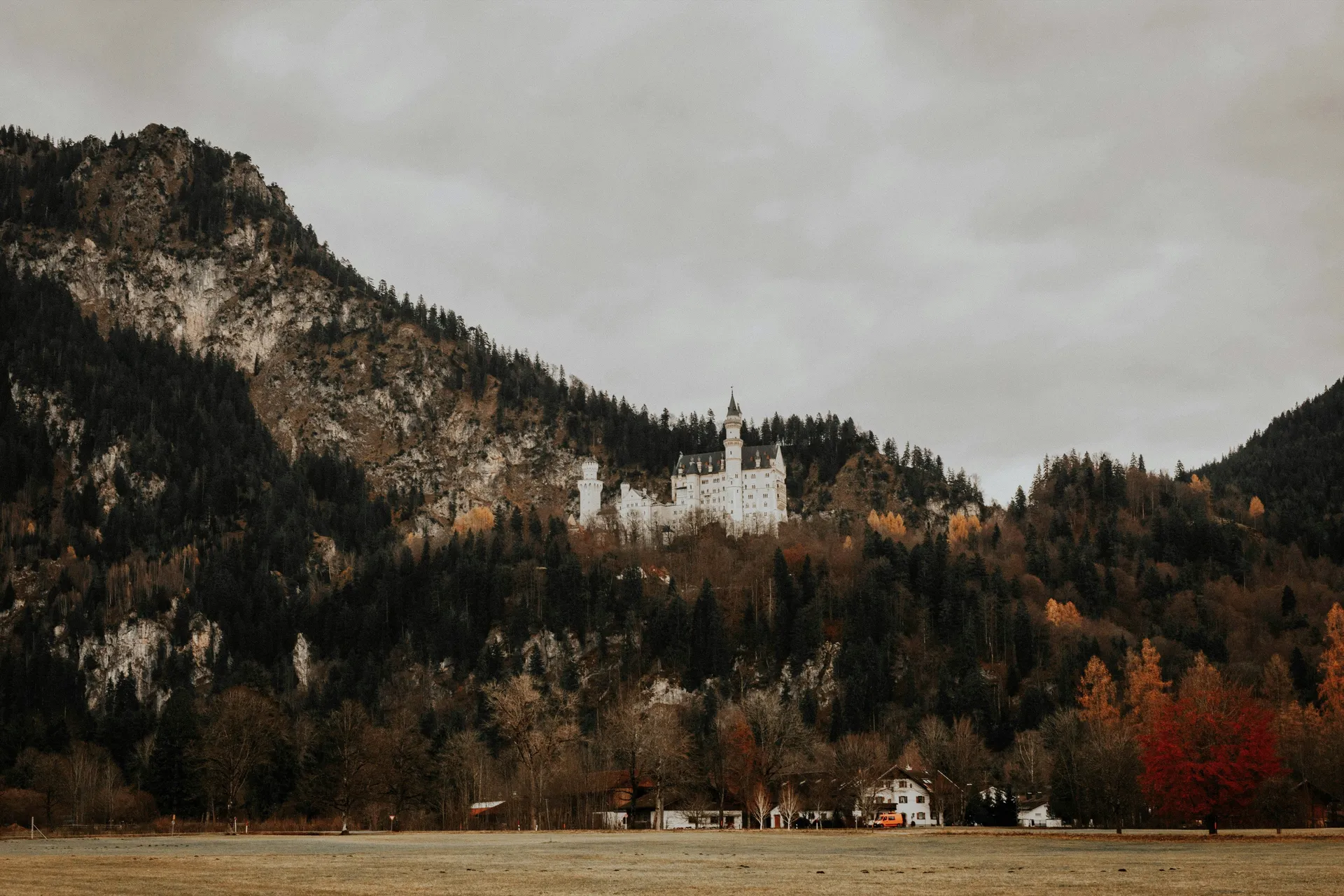
There is no more theatrical introduction to Bavaria than Schwangau, a small village at the foot of the Alps where King Ludwig II's most extravagant fantasies were rendered in limestone, marble, and gold leaf. The twin castles of Neuschwanstein and Hohenschwangau rise from forested crags above the village like apparitions from a Romantic painting—which is precisely what Ludwig intended. Neuschwanstein, begun in 1869 as a personal retreat for the reclusive "Fairy Tale King," never served as a seat of government; it was a stage set for one man's obsession with Wagnerian opera, medieval chivalry, and the absolute sovereignty of imagination over reality. Walt Disney later used it as the model for Sleeping Beauty Castle, ensuring that Ludwig's dream would become the most recognizable silhouette in the history of architecture.
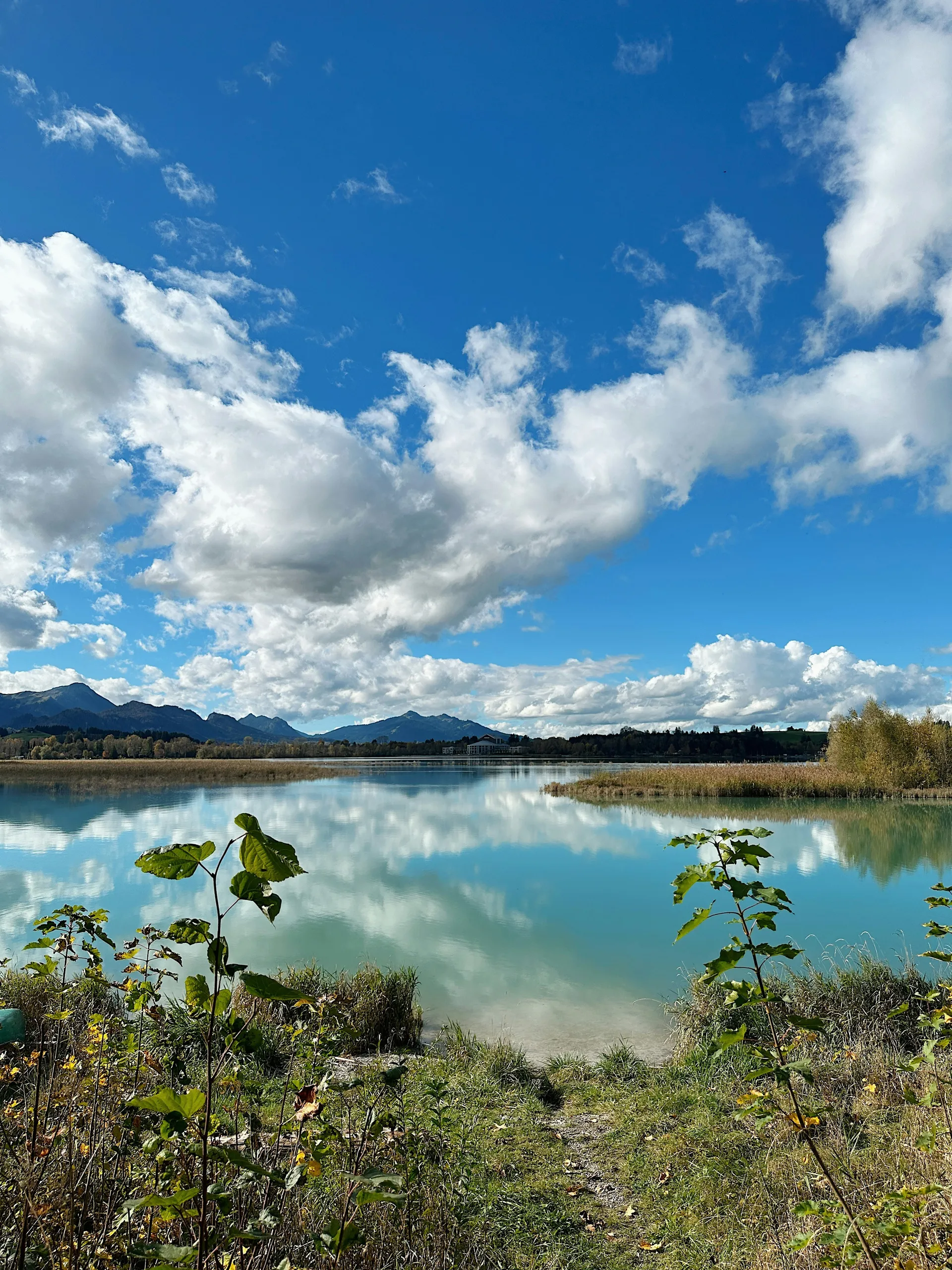
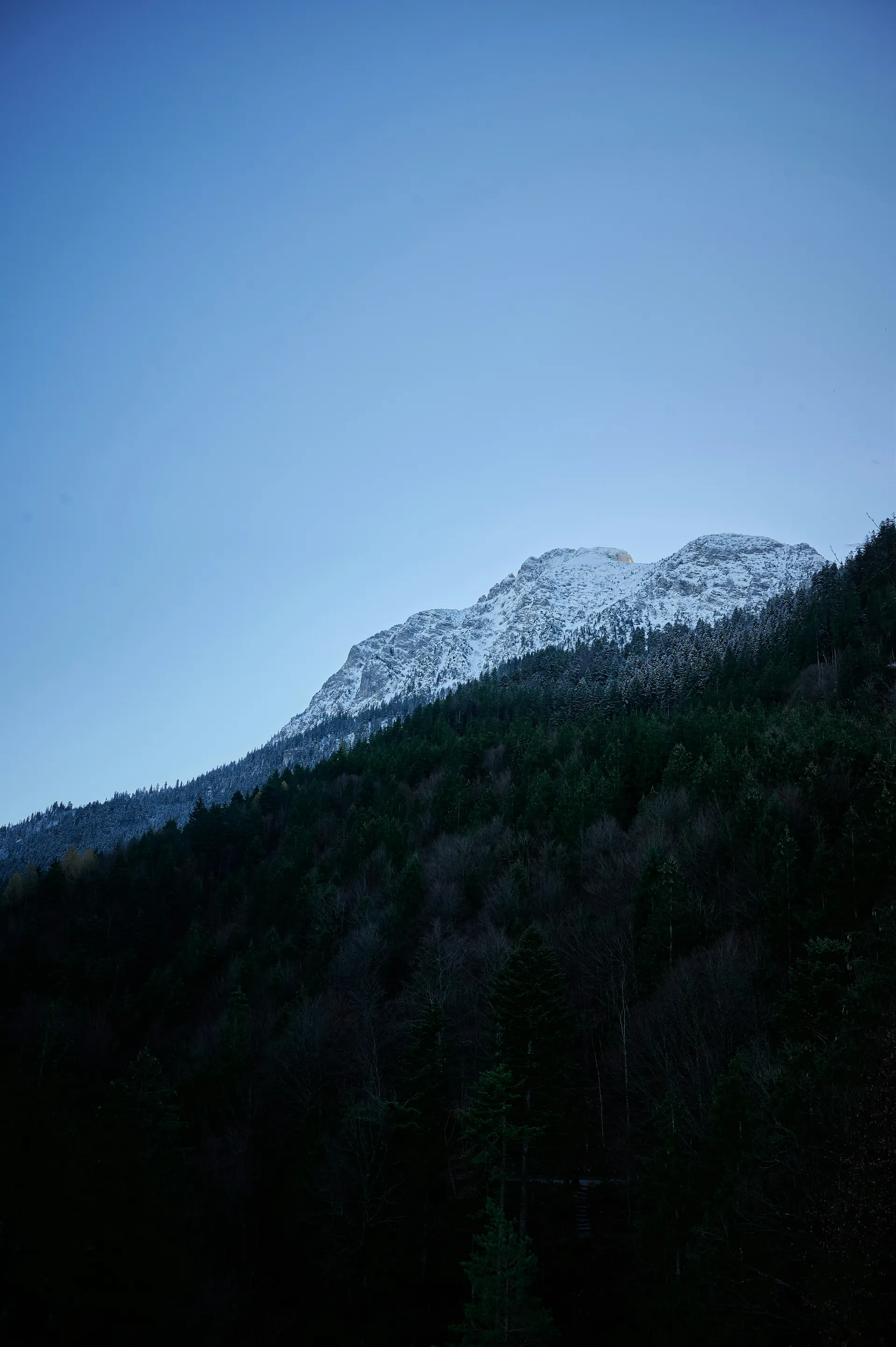
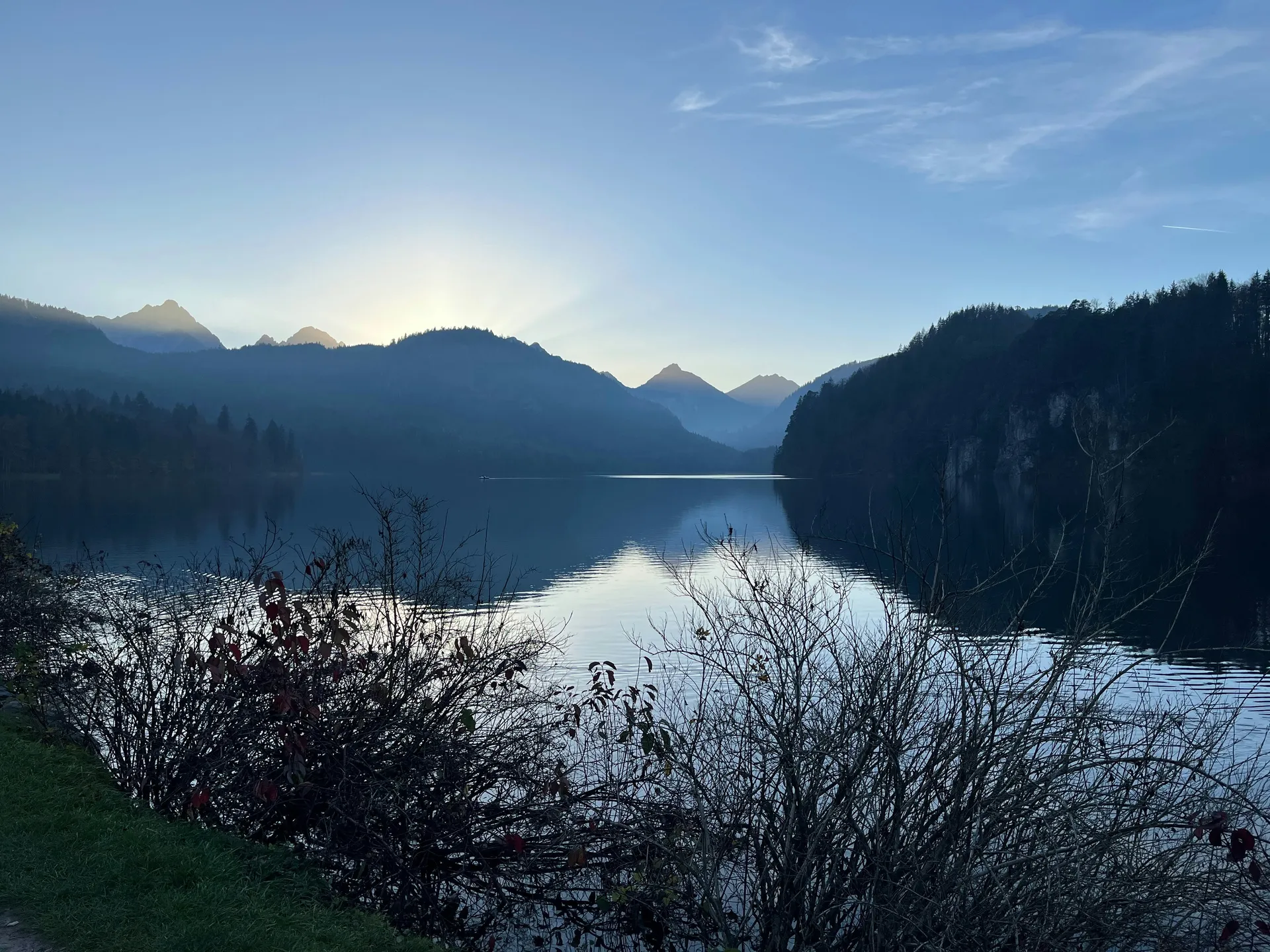
Schwangau itself is a village of remarkable Alpine beauty, set where the foothills of the Ammergau Alps meet the shores of the Forggensee, Bavaria's largest reservoir lake. The surrounding Königswinkel—King's Corner—is a landscape of meadows, forests, and mirror-still lakes that has inspired artists and composers for centuries. The Tegelberg cable car ascends from the village to a 1,720-meter summit offering staggering panoramas of the Alpine chain, from the Zugspitze to the Austrian Tyrol. In winter, the scene transforms into a snow-globe tableau; in summer, wildflower meadows carpet the hillsides and paragliders launch from the Tegelberg summit into thermals rising from the valley floor.
Bavarian cuisine in Schwangau is hearty, generous, and deeply satisfying. Local Gasthäuser (inns) serve Schweinshaxe—roasted pork knuckle with crackling skin—alongside hand-rolled Knödel (bread dumplings) and tangy Krautsalat. Käsespätzle, the Bavarian answer to mac and cheese, arrives bubbling with Allgäu mountain cheese and topped with crispy fried onions. For lighter fare, Maultaschen (Swabian stuffed pasta) and Leberknödelsuppe (liver dumpling soup) appear on nearly every menu. The Biergarten culture thrives here: a cold Weißbier on a sun-dappled terrace with Neuschwanstein rising in the background is one of Germany's most iconic dining experiences.
Beyond the castles, the Schwangau region rewards extended exploration. The Lechfall waterfall, where the turquoise Lech River plunges through a narrow gorge near the neighboring town of Füssen, is a natural wonder accessible by a short walk. The Via Claudia Augusta, an ancient Roman road, can be traced through the valley, connecting Schwangau to a network of historic sites stretching south into Austria and Italy. The Wieskirche, a Rococo pilgrimage church of such exuberant beauty that it earned UNESCO World Heritage status, sits in a meadow just twenty minutes' drive away. For hikers, the network of Alpine trails ranges from gentle lakeside paths to challenging summit ascents in the Ammergau Alps.
Scenic River Cruises incorporates Schwangau as a premier excursion on its Danube and Rhine river voyages, typically offering a full-day visit that includes guided tours of Neuschwanstein and the surrounding landscape. The village is well-equipped for tourism with excellent restaurants, hotels, and transport connections, though advance booking for castle tours is strongly recommended in peak season. May through October offers the warmest weather and longest daylight, with September and October bringing brilliant autumn foliage and smaller crowds. Winter visits (December–February) offer the magical sight of the castles dusted in snow, along with Christmas markets in nearby Füssen. Schwangau may be small, but its capacity to inspire wonder is, like Ludwig's imagination, entirely without limit.