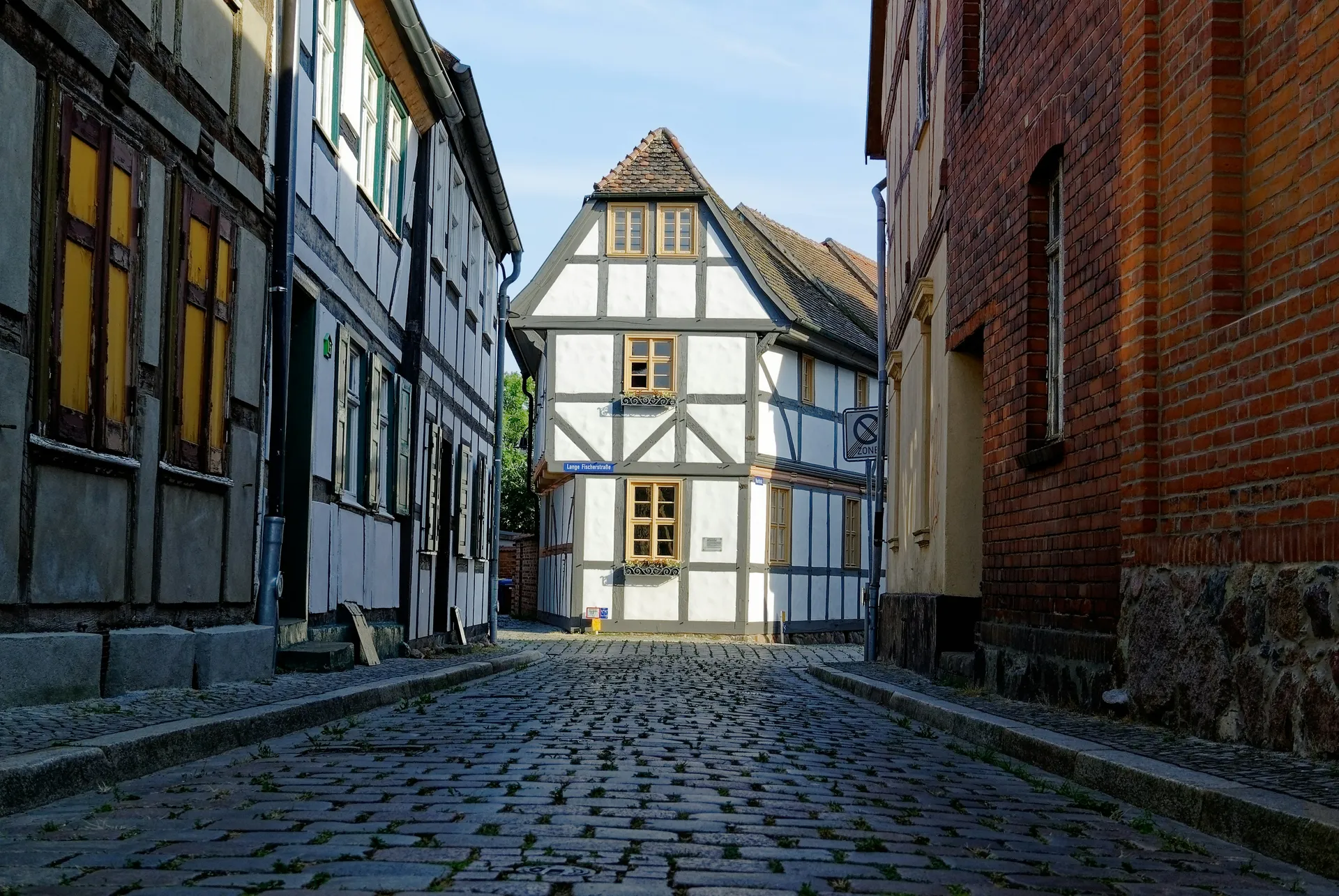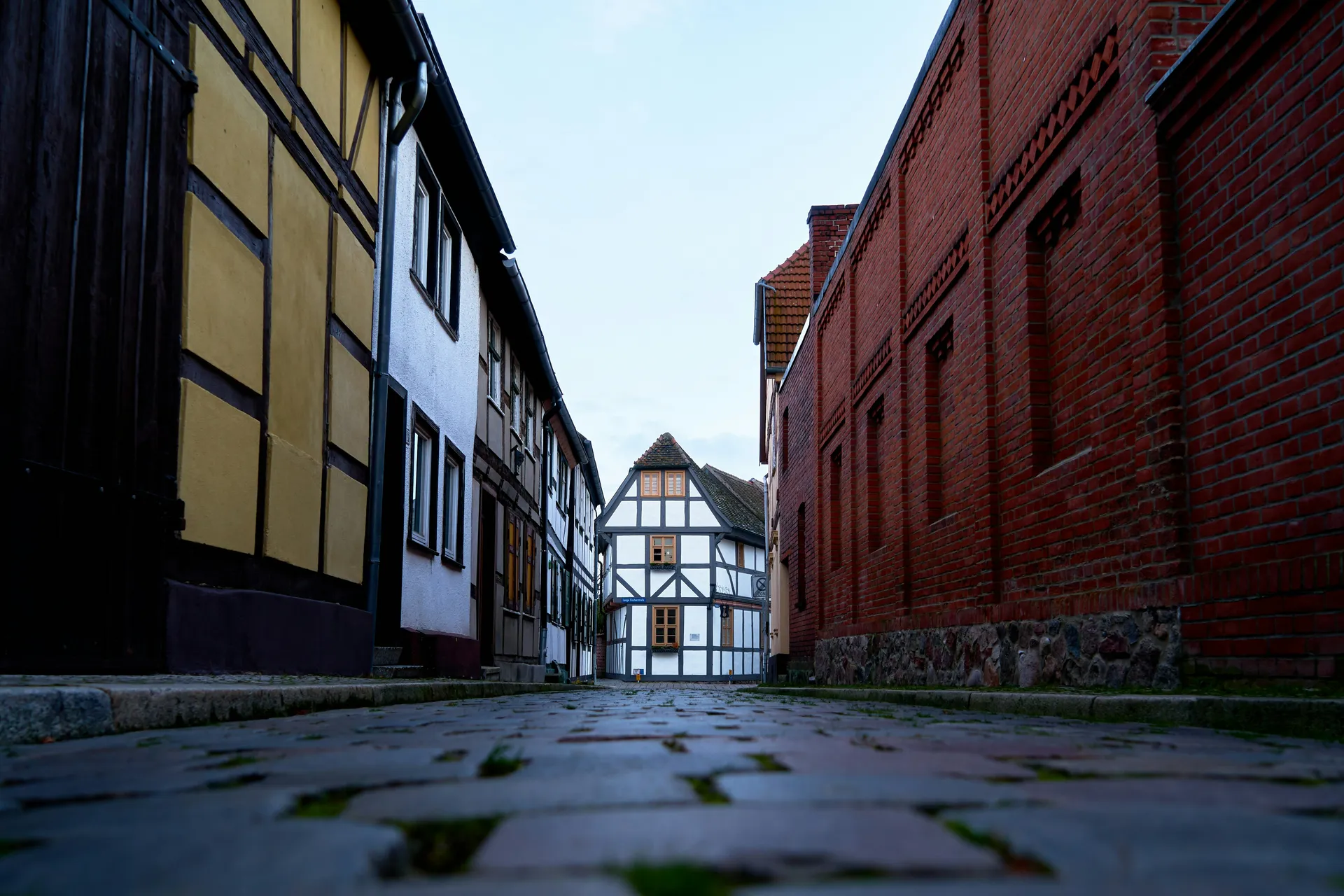
On the western bank of the Elbe River, where the Tanger tributary joins the great waterway that flows from the Czech mountains to the North Sea at Hamburg, Tangermunde preserves one of the most remarkable ensembles of medieval Brick Gothic architecture in northern Germany. This small town of barely 11,000 residents was, for a brief but glorious period in the fourteenth century, the residence of Emperor Charles IV — who chose it as the seat of his power in the Mark Brandenburg, transforming a modest trading town into a place of imperial ambition whose architectural legacy survives, remarkably intact, to this day.
The medieval townscape is Tangermunde's overwhelming attraction. The town gate — the Neustaedter Tor — is one of the most impressive late Gothic brick gateways in Germany, its twin towers and elaborate tracery patterns demonstrating the artistic possibilities of the humble brick when wielded by master builders. The town hall, a stunning example of late Gothic civic architecture, features a facade of blind arcades and decorative brickwork that ranks among the finest in the Hanseatic tradition. The Church of St. Stephen, a massive brick hall church dating to the fourteenth century, contains a fifteenth-century organ that is one of the most important historic instruments in northern Germany.
The cuisine of the Altmark region, in which Tangermunde sits, reflects the agricultural abundance of the Elbe lowlands. River fish — pike-perch (Zander), eel, and carp — are prepared in traditional northern German style: pan-fried in butter, smoked, or simmered in dill sauce. The region's asparagus season (April to June) is celebrated with the dedication that Germany reserves for its finest seasonal produce — white asparagus served with new potatoes, melted butter, and hollandaise sauce appears on every restaurant menu. Altmark beef, raised on the rich pastures of the Elbe flood plain, and the game from the surrounding forests (venison, wild boar) add substance to a regional cuisine that is hearty, honest, and deeply satisfying.
The Elbe River itself is the thread that connects Tangermunde's attractions. The town's position on the Elbe — elevated above the flood plain on a natural bluff, with the castle ruins and town wall overlooking the river — provides sweeping views across one of Germany's most important river landscapes. The Elbe Biosphere Reserve, stretching along the river in both directions, protects the flood-plain meadows, oxbow lakes, and alluvial forests that support an extraordinary diversity of birds — white storks, cranes, and white-tailed eagles are regular sightings. Cycling along the Elbe Cycle Route, which passes directly through Tangermunde, offers a gentle way to explore the surrounding landscape.
Tangermunde is a regular stop on Elbe river cruise itineraries between Hamburg and Prague. The town's small harbor, directly below the historic center, allows passengers to walk directly from the ship into the medieval town within minutes. The most rewarding visiting season extends from May to October, with summer (June to August) bringing the warmest weather and the most pleasant conditions for walking the town's cobbled streets and cycling along the river. The asparagus season (April to June) adds a gastronomic incentive to spring visits. Tangermunde rewards unhurried exploration — this is a town whose medieval character is not preserved as a museum but lived as a daily reality by a community that has occupied these streets for seven centuries.