Wesel sits at the confluence of the Rhine and the Lippe rivers in Germany's North Rhine-Westphalia — a strategic position that brought the city both prosperity and destruction in roughly equal measure over its eight-century history. Almost completely leveled by Allied bombing in 1945, Wesel has been rebuilt with the pragmatic determination that characterizes postwar German reconstruction.
The Citadel of Wesel, a massive star-shaped Prussian fortress dating to the seventeenth century, represents the city's most significant surviving historical monument. Built to control the Rhine crossing, the fortress withstood multiple sieges before succumbing to aerial bombardment. Its partial restoration has created a cultural complex housing museums, event spaces, and the kind of atmospheric brick-vaulted casemates that make military architecture compelling even to pacifists.
The Rhine-Lippe confluence defines Wesel's geographical identity, and the surrounding Niederrhein (Lower Rhine) landscape — flat, agricultural, and laced with waterways — provides cycling and walking through terrain that represents the Rhine at its most domesticated and, in its own way, most authentically German. The annual return of white storks to their nests on chimneys and church towers throughout the region each spring marks the seasonal rhythm that has ordered Lower Rhine life for centuries.
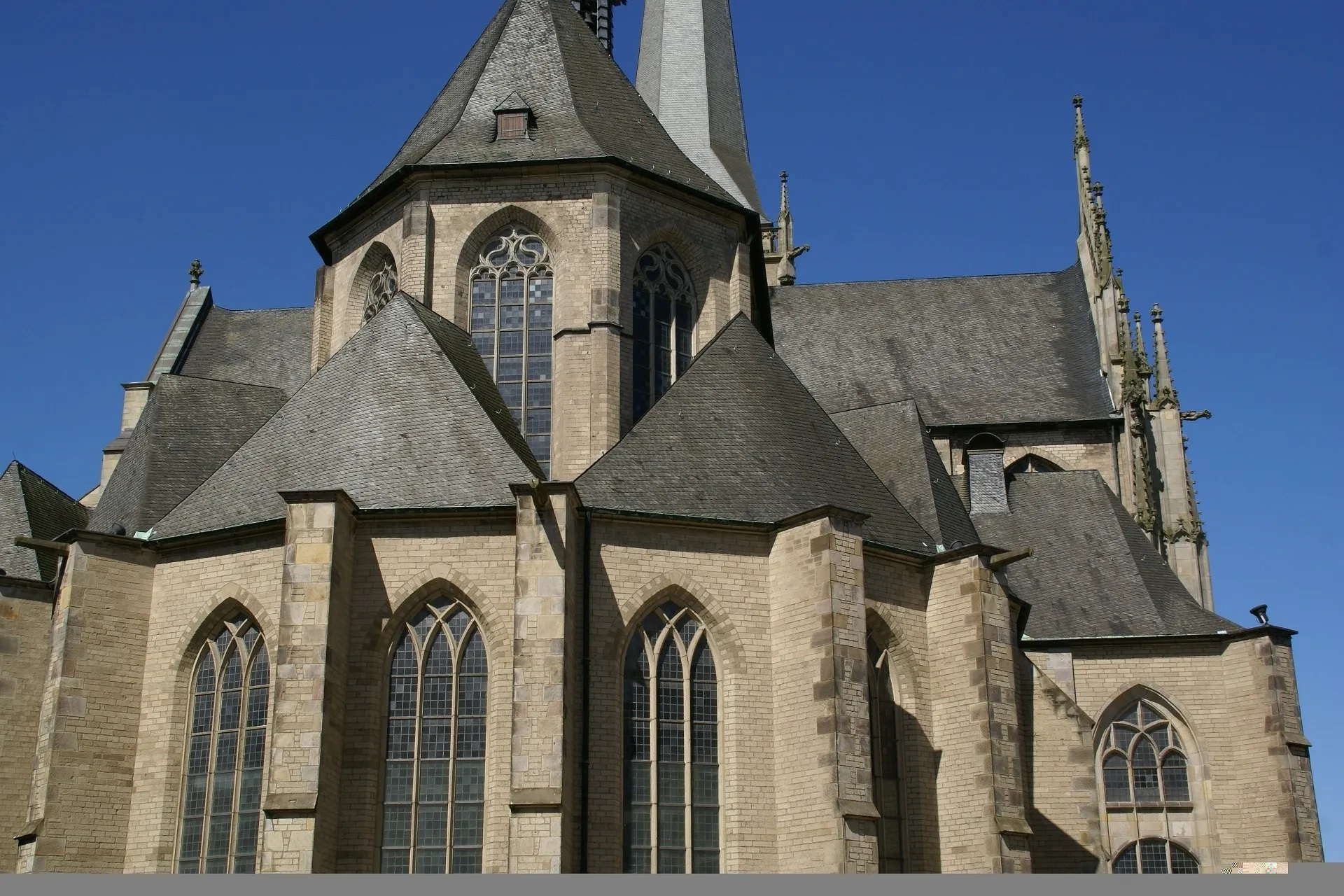
Viking includes Wesel on Rhine river cruise itineraries, with the city providing a counterpoint to the dramatic gorge scenery upstream. The Lower Rhine's charms are quieter — Gothic brick churches, windmill-dotted polders, and the kind of small-town German life that the tourist circuit ignores in favor of Bavaria and the Romantic Rhine.
April through October provides the best conditions, with May's stork arrivals and September's harvest festivals offering particular appeal. Wesel is not a destination that dazzles — it is a destination that rewards attention, offering the honest pleasures of German river life, the poignant beauty of a city rebuilt from rubble, and the reminder that the Rhine's story is told not only in medieval castles but in the quiet persistence of communities that have lived along its banks through centuries of upheaval.

