Balos Beach: Crete's Lagoon Where the Mediterranean Achieves Perfection
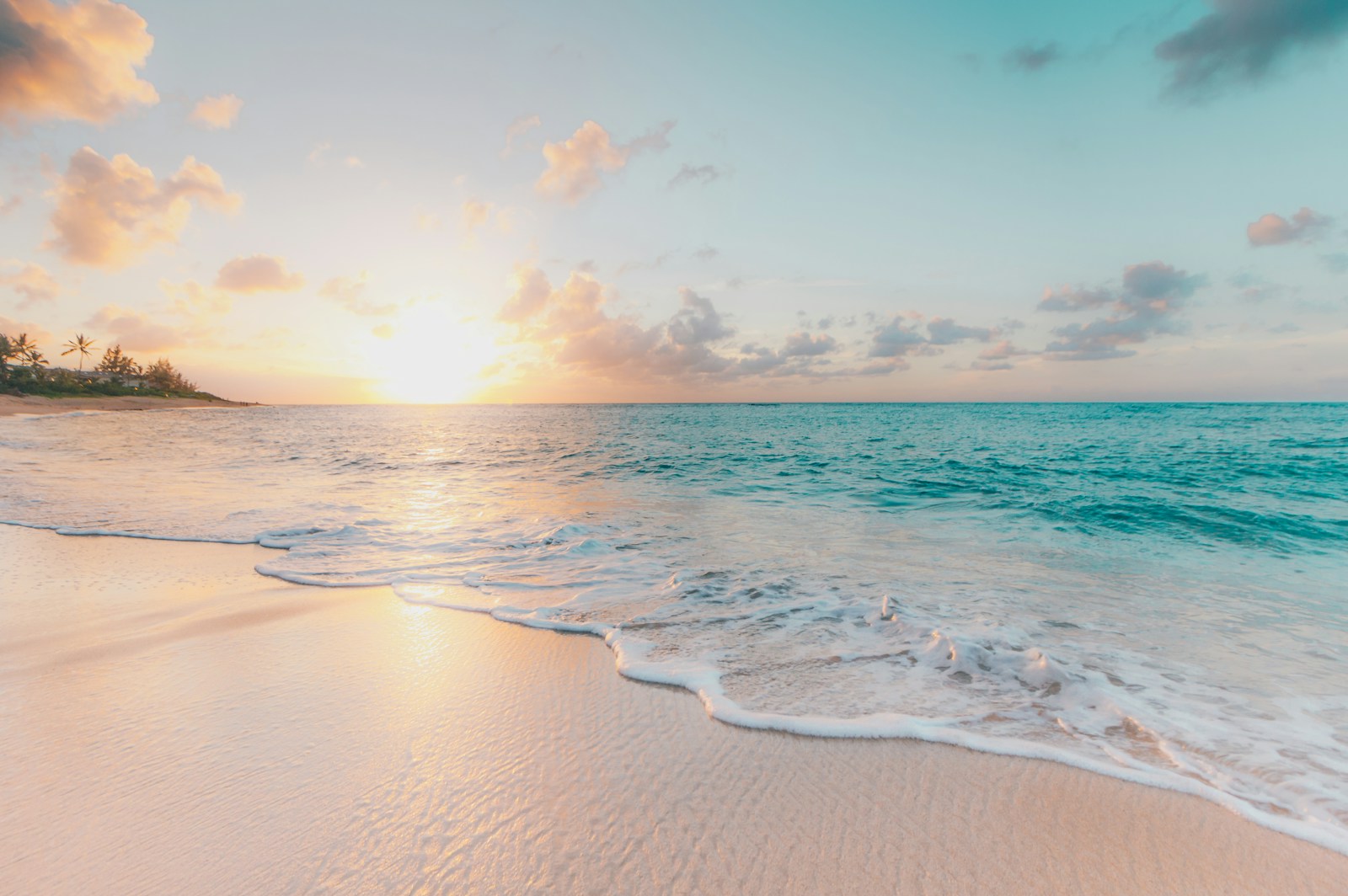
Balos Beach occupies the northwestern extremity of Crete, where the Gramvousa Peninsula trails into the Mediterranean in a series of rocky promontories that shelter what is widely regarded as one of the most beautiful beaches in Europe. The beach — more accurately a lagoon, its shallow waters separated from the open sea by a low sand bar — presents a palette of colours that seems digitally enhanced but is entirely natural: water graduating from deep turquoise through aquamarine to an almost phosphorescent pale blue-white in the shallowest reaches, against sand of pinkish-white created by the gradual erosion of countless shells. The effect, particularly when viewed from the clifftop trail that provides the most dramatic approach, is of a natural swimming pool designed by an artist with an unlimited budget and an acute sensitivity to the properties of light.
The geological forces that created Balos have been working for millennia with results that human engineering could not improve upon. The Gramvousa Peninsula, composed of rugged limestone karst terrain characteristic of western Crete, extends northward from the main island in a protective arm that creates the sheltered conditions necessary for the lagoon's existence. The sand bar connecting the peninsula to the small island of Tigani — whose flat-topped profile gives it the appearance of a frying pan, hence the name — encloses a lagoon of such shallow warmth that it maintains a temperature noticeably above the open Mediterranean, creating ideal conditions for swimming that can extend from late April through November. The underwater visibility in the lagoon is exceptional, though the water is often so shallow that standing provides a better view of the sandy bottom than swimming.
The historical dimension of Balos centres on the Venetian fortress of Gramvousa, whose ruins crown the island visible from the beach. This fortress, built by the Venetians in 1579 to guard the sea routes between Crete and mainland Greece, subsequently served as a base for Greek pirates, Turkish military forces, and ultimately Greek revolutionaries during the 1821 War of Independence. The fort's position — atop sheer cliffs hundreds of metres above the sea — made it virtually impregnable, and the views from its ramparts encompass a panorama that stretches from the White Mountains of Crete to the southern Peloponnese on clear days. The combination of beach beauty and fortress history creates an experience that operates on two registers simultaneously: the purely sensory pleasure of the lagoon and the historical weight of a landscape that has been strategically contested for centuries.
The marine ecology of the Balos area, while less immediately visible than the beach's aesthetic charms, adds environmental significance to the visual spectacle. The lagoon and surrounding waters support populations of loggerhead sea turtles, whose nesting activities on nearby beaches represent an important component of the Mediterranean's conservation efforts for this threatened species. The rocky coastline of the Gramvousa Peninsula provides habitat for the critically endangered Mediterranean monk seal, one of the world's rarest marine mammals, whose occasional appearances in the more remote coves reward patient observation with encounters of genuine rarity. The lagoon's shallow waters, warmed by the sun and enriched by nutrient exchange with the open sea, support a community of marine organisms adapted to this unique environment.
For those arriving by sea — by far the most dramatic approach — Balos reveals itself gradually as your vessel rounds the Gramvousa Peninsula. The fortress appears first, perched on its clifftop like a stone crown, before the lagoon opens below in its full chromatic glory. The experience of swimming in Balos — the water warm and clear, the sand soft underfoot, the Gramvousa fortress floating on the horizon like a castle from legend — distils the Mediterranean experience to its purest essence. This is not the overtouristed Mediterranean of crowded resort pools and concrete promenades but something far older and more essential: a meeting of rock, sand, sun, and sea that has been occurring on this exact spot for geological ages, and that no amount of human interference has managed to improve upon or diminish. Crete has many claims on the visitor's attention — Minoan palaces, Byzantine churches, Venetian harbours — but Balos Beach presents a case that nature, when conditions align, can produce works of beauty that render all human artistic effort modestly supplementary.

