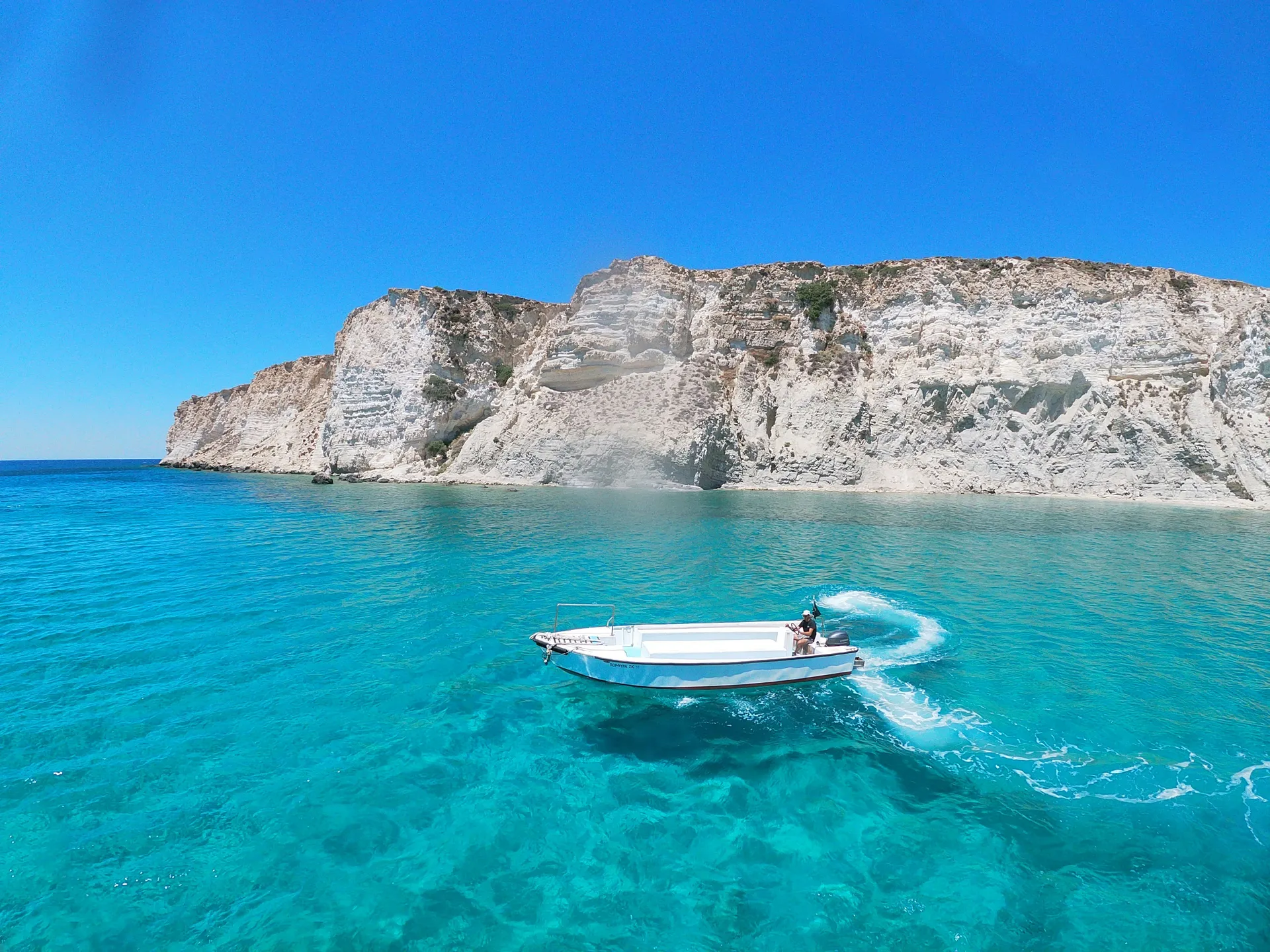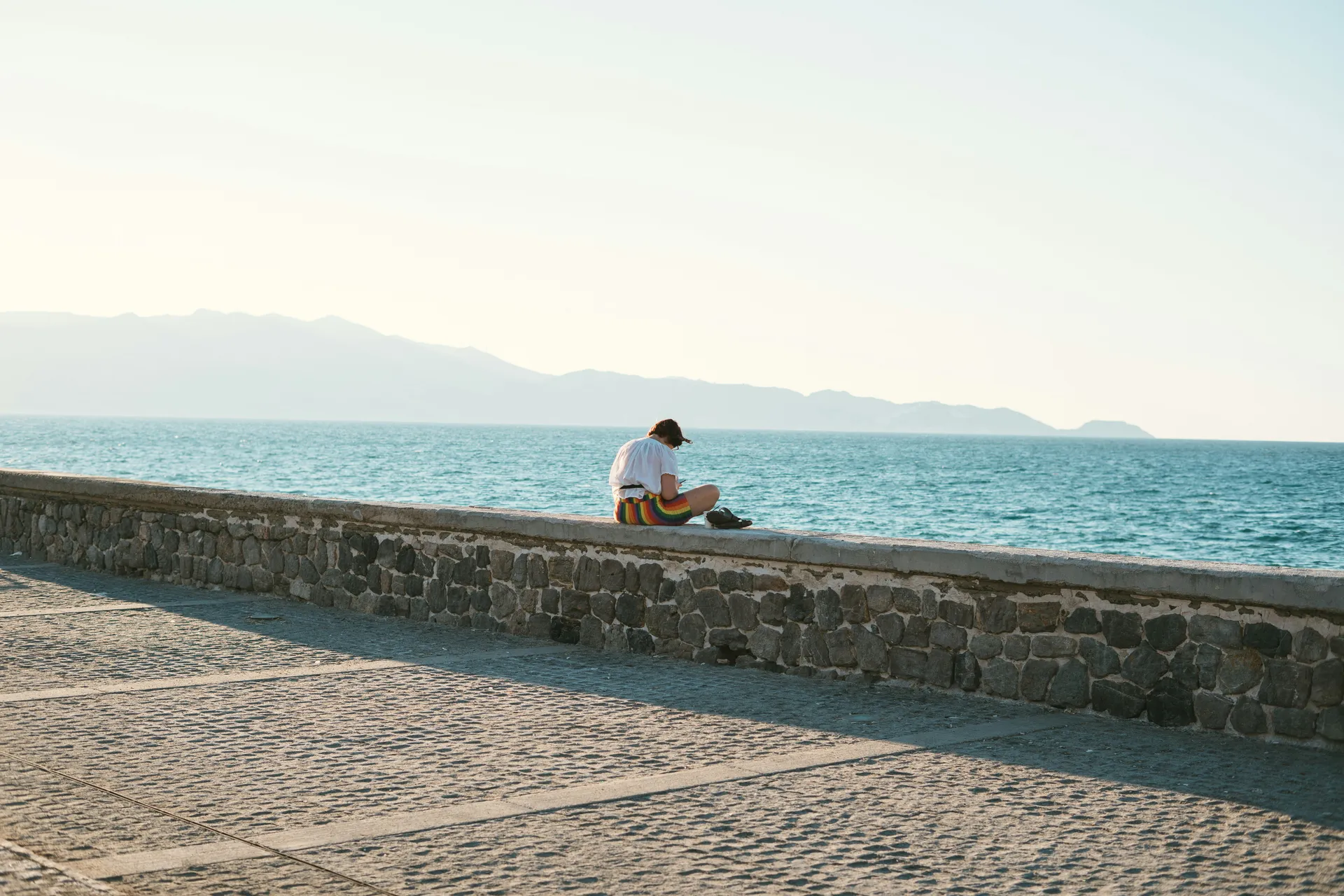
Crete is not merely Greece's largest island — it is a world unto itself, a place where the first European civilisation was born, where mountains of nearly 2,500 metres plunge into seas of liquid sapphire, and where a cuisine of wild greens, golden olive oil, and aged graviera cheese has sustained one of the healthiest populations on the planet. The Minoans, who built their labyrinthine palaces here 4,000 years ago, were the first great seafarers of the Mediterranean, and their legacy — visible in the extraordinary ruins of Knossos, Phaistos, and Malia — gives Crete a historical depth that few islands in the world can match.
The Palace of Knossos, just south of the capital Heraklion, is the island's most celebrated archaeological site and a place that blurs the line between history and myth. It was here that King Minos — or a succession of rulers bearing that title — presided over a sophisticated civilisation of frescoed palaces, indoor plumbing, and a writing system (Linear A) that remains undeciphered to this day. The partially reconstructed palace, with its red columns and vivid reproductions of Minoan frescoes — bull-leaping athletes, bare-breasted priestesses, dolphins cavorting in azure seas — evokes a culture of startling vitality and aesthetic refinement. The Heraklion Archaeological Museum, one of the great museums of the Mediterranean, houses the originals and a trove of Minoan gold jewellery, carved sealstones, and the mysterious Phaistos Disc.
Cretan cuisine is the foundation of the Mediterranean diet and a daily celebration of the island's extraordinary terroir. Extra-virgin olive oil — Crete produces some of the finest in the world — is the basis of nearly every dish. Wild greens (horta), foraged from hillsides and dressed with lemon and oil, appear at every table alongside dakos (barley rusks topped with tomato, mizithra cheese, and capers) and kalitsounia (sweet or savoury cheese pastries). Lamb and goat, roasted slowly with potatoes and wild herbs in wood-fired ovens, are the centrepieces of festive meals, while fresh seafood — grilled octopus, fried calamari, sea urchin — lines the harbour-front tavernas of Chania and Rethymno. The island's wines, produced from indigenous grapes like Vidiano and Kotsifali, are experiencing a renaissance that is finally bringing them international recognition.
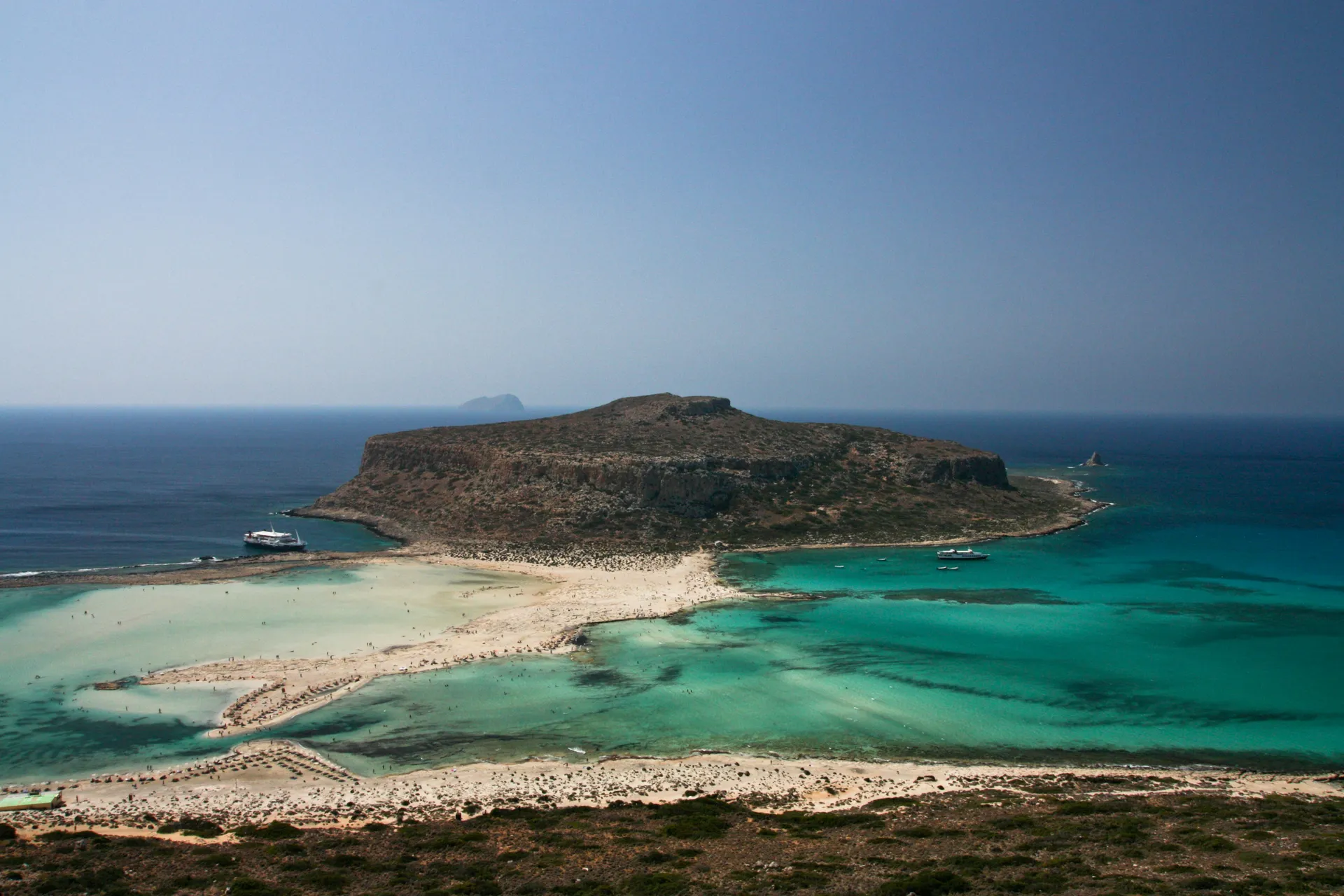
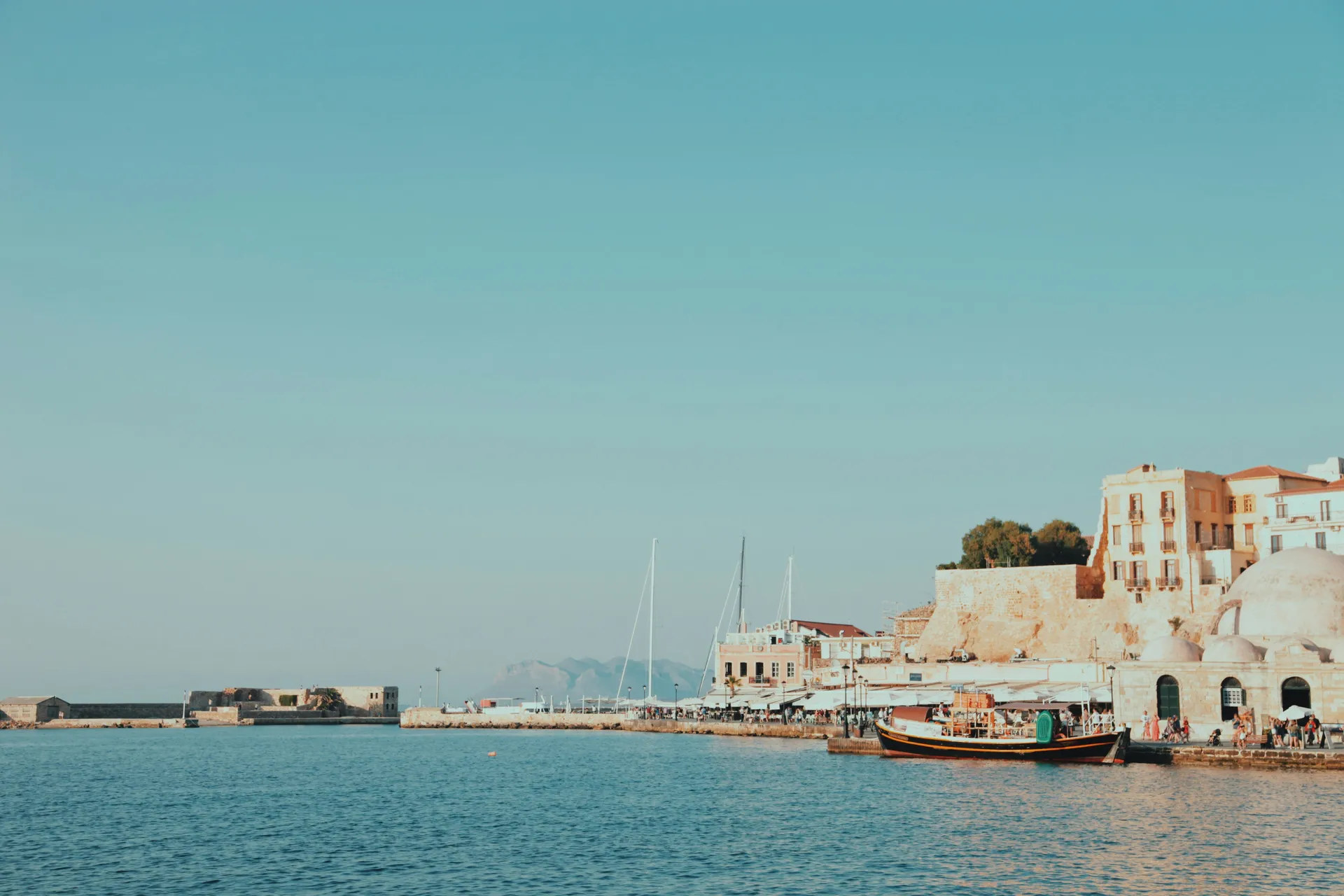
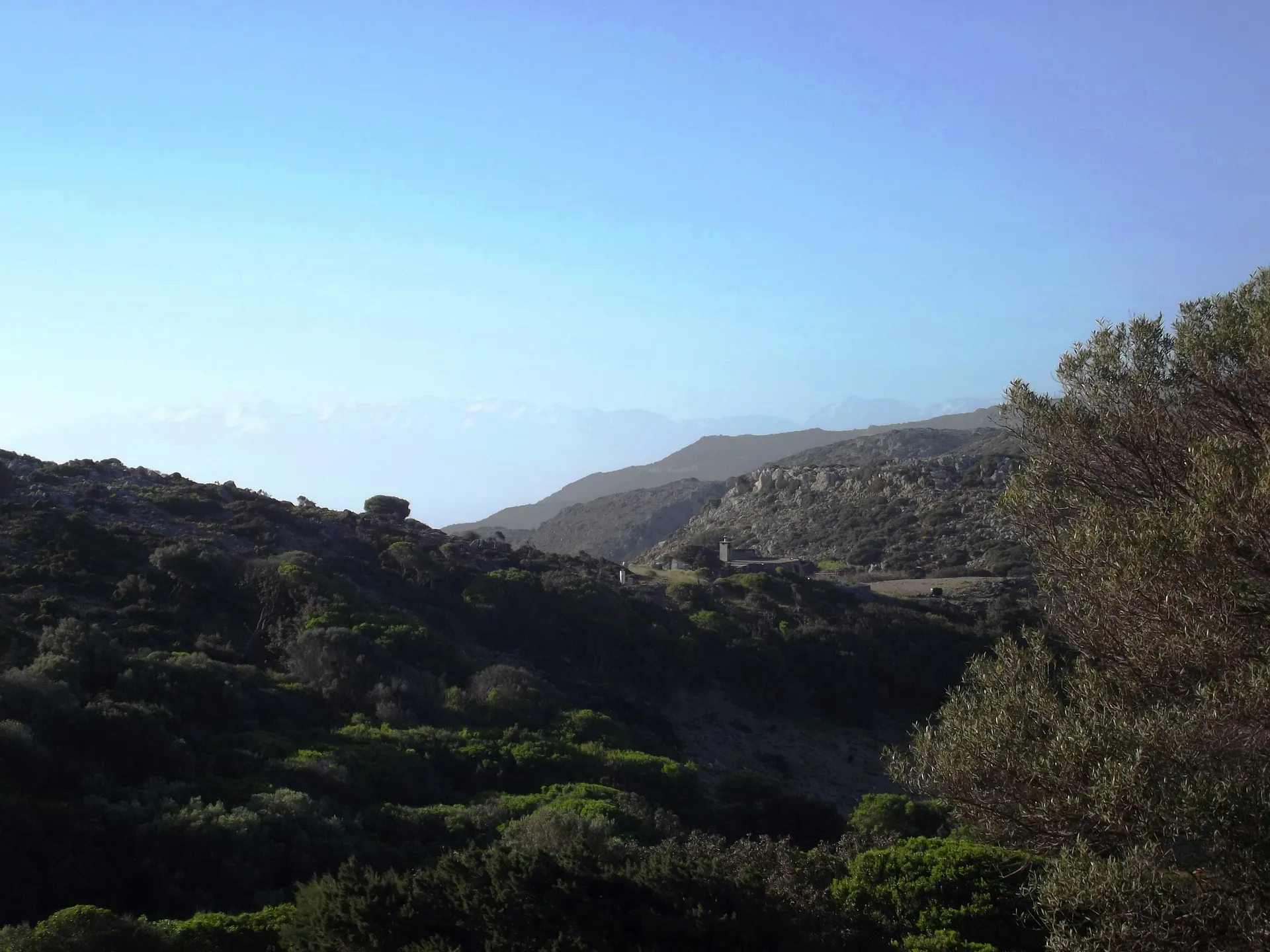
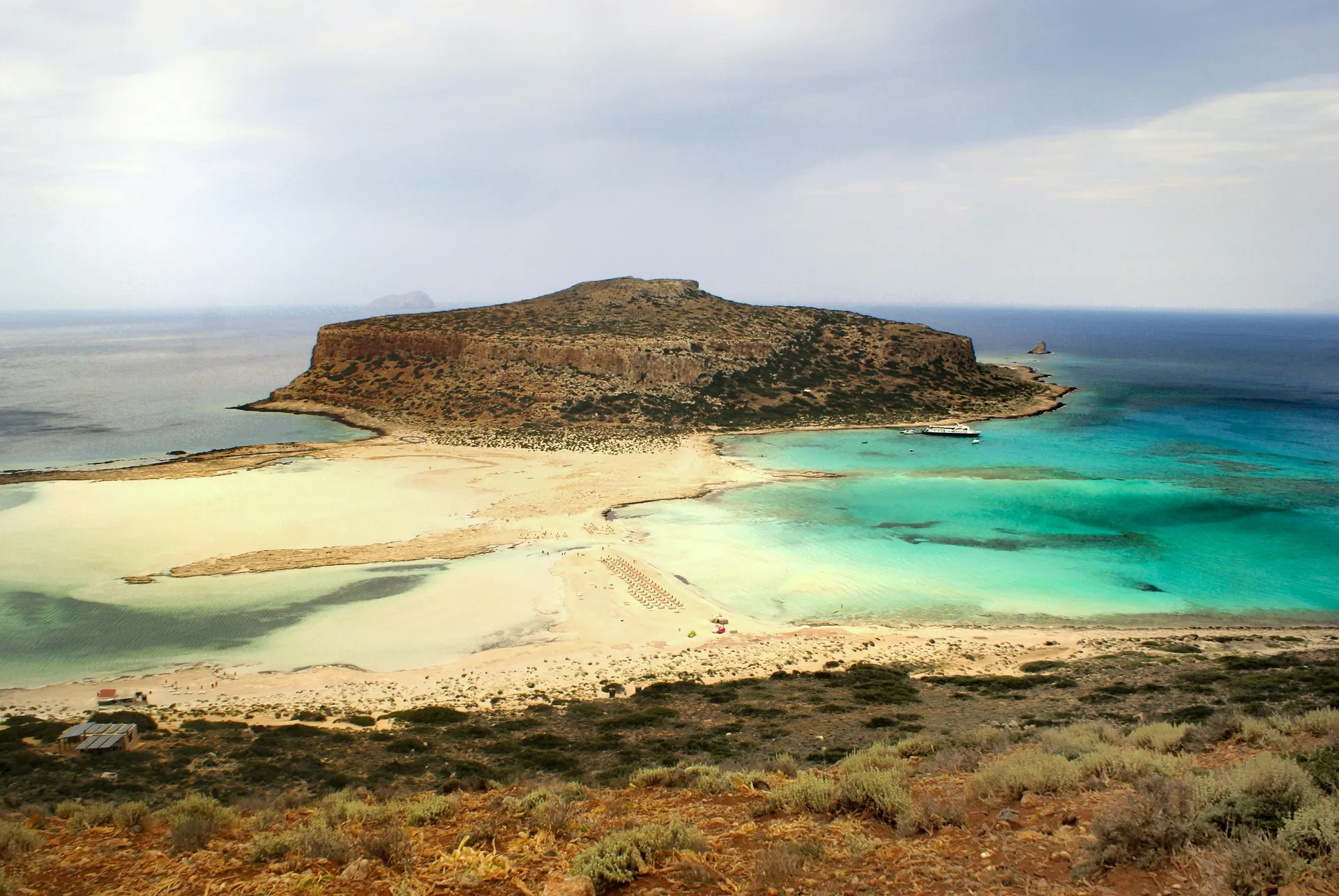
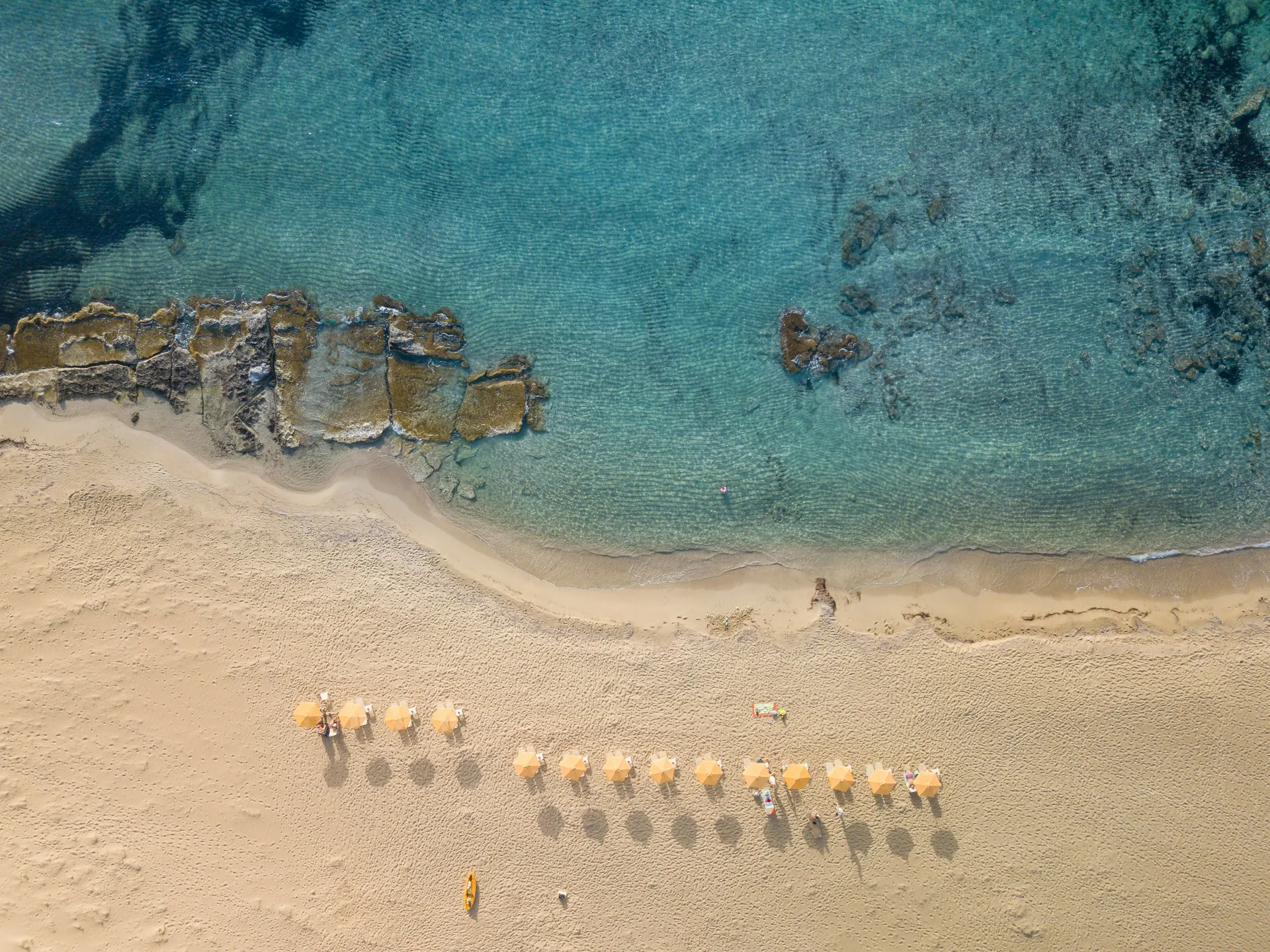
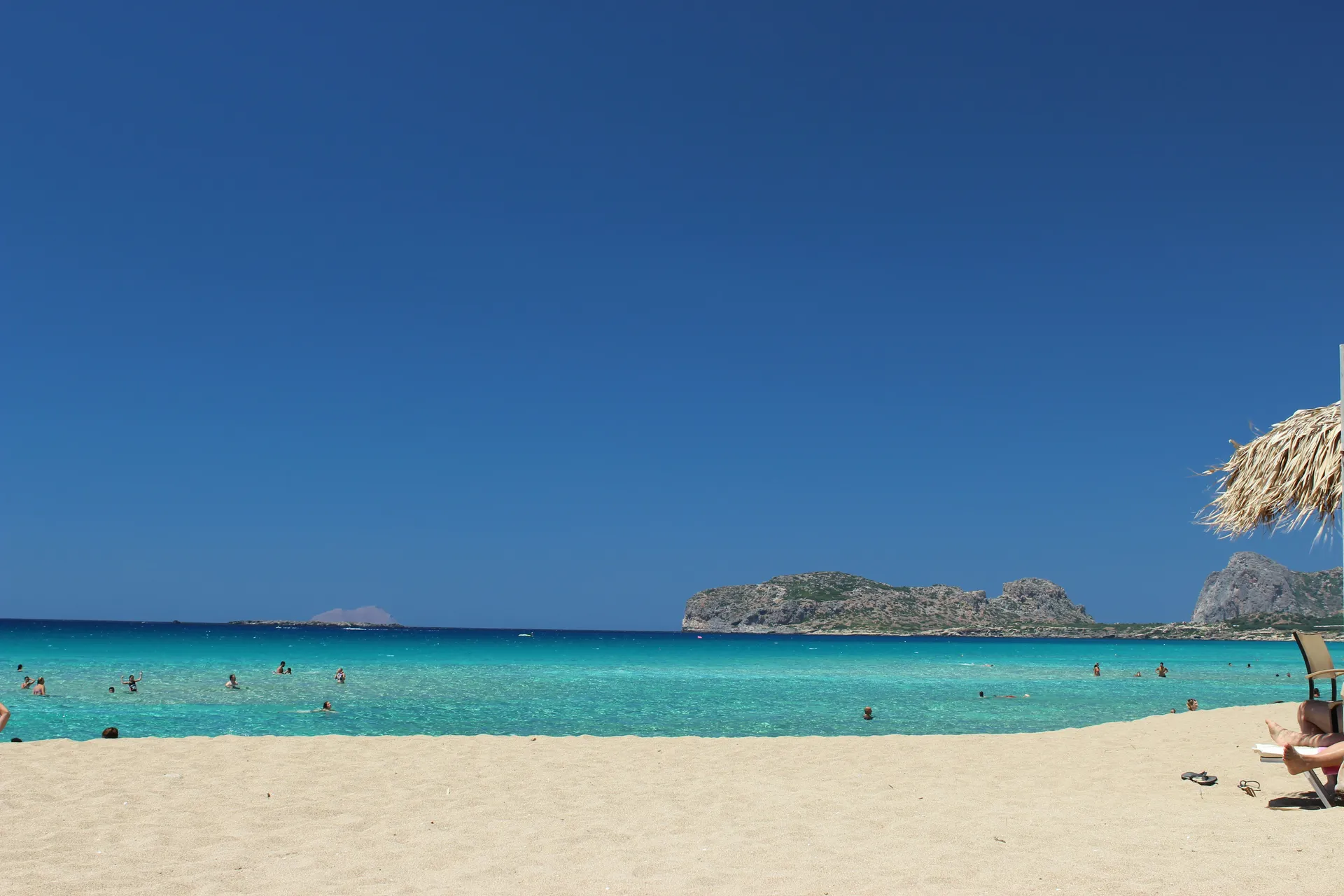
Crete's geography is as dramatic as its history. The Samaria Gorge, a UNESCO Biosphere Reserve on the island's southwestern coast, is one of Europe's longest gorges — an eighteen-kilometre trek through towering canyon walls, past ancient cypress trees and wild Cretan ibex (kri-kri), to the seaside village of Agia Roumeli. The Venetian harbour of Chania, with its lighthouse, its mosque-turned-gallery, and its labyrinth of leather workshops and tavernas, is one of the most photogenic waterfronts in Greece. Elafonisi and Balos, two beaches on the western coast, regularly rank among Europe's finest — their pink-tinged sands and shallow, turquoise lagoons seem to belong to the Caribbean rather than the Mediterranean.
Crete is a port of call for Tauck on their Greek Islands itineraries. Ships call at various ports around the island, with Heraklion and Souda Bay (for Chania) being the most common. The island's size — 260 kilometres from east to west — means that multiple visits reward with different experiences each time. The best time to visit is April through October, with May and June offering wildflower-carpeted hillsides and comfortable hiking temperatures, and September and October delivering the warmest sea temperatures and the grape harvest. Crete is the kind of island that makes you rethink your entire travel calendar — one visit is never enough.