Between Rhodes and Crete, where the Aegean meets the Mediterranean in a confusion of currents and winds, the island of Karpathos rises from the sea in a chain of mountains so steep and so wild that its northern villages remained virtually inaccessible by road until the late twentieth century. This isolation preserved something extraordinary: in the village of Olympos, perched on a mountain ridge above the northern coast, women still wear traditional Karpathian dress — embroidered bodices, pleated skirts, and goatskin boots — as daily attire, not costume. Bread is still baked in communal wood-fired ovens, houses are decorated with hand-painted ceramics and embroidered textiles, and the local dialect preserves ancient Greek linguistic forms that have disappeared from the mainland.
Karpathos's principal town, Pigadia, occupies a wide bay on the island's southeastern coast — a lively, attractive port town with a waterfront promenade, colorful fishing boats, and a beach of golden sand within walking distance of the center. The town serves as the gateway to the island's diverse attractions, with car rental and boat services providing access to beaches and villages that range from the easily accessible to the genuinely remote. The ruins of ancient Arkasa, on the southwestern coast, preserve Early Christian basilica mosaics of remarkable quality, while the mountain village of Menetes — clinging to a hillside above Pigadia — offers traditional Karpathian architecture, a folk museum, and taverna cooking that draws on recipes passed down through generations.
The cuisine of Karpathos is Greek island cooking in its most traditional and robust form. Makarounes — hand-rolled pasta tubes tossed with caramelized onions and local cheese, then finished with a dusting of cinnamon — is the island's signature dish, found nowhere else in Greece. Goat and lamb, raised on the mountain pastures, are slow-roasted in outdoor ovens for festivals and celebrations. The island's honey, produced from thyme and wild herb blossoms on the mountainsides, is exceptionally intense. Cheese-making is a living tradition — fresh mizithra and aged kaseri cheese are produced on family farms throughout the island, their flavors reflecting the wild herbs and grasses on which the goats and sheep graze.
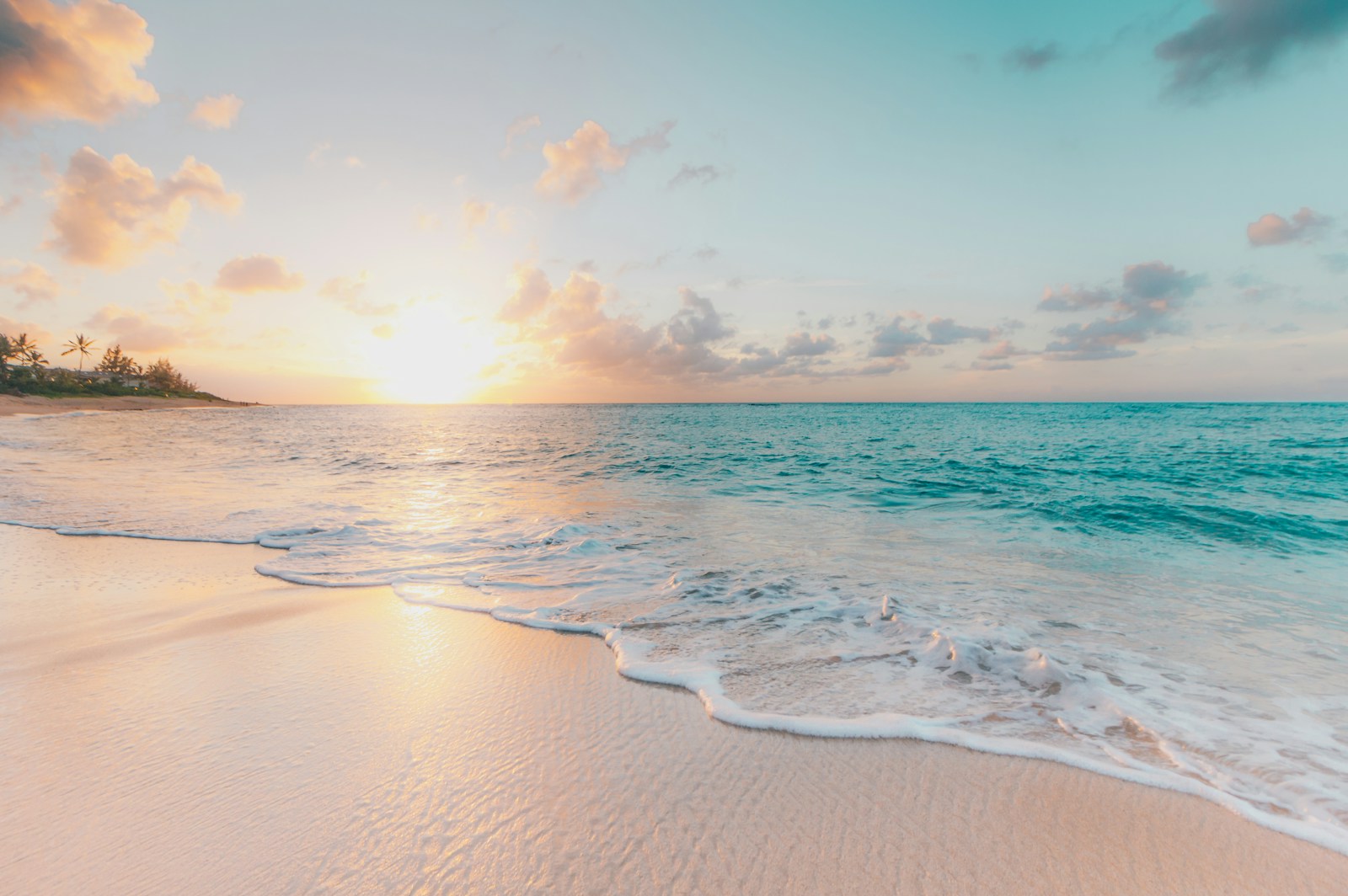
The beaches of Karpathos are among the most beautiful and least crowded in the Aegean. Apella Beach, set in a deep bay beneath pine-covered cliffs, is regularly ranked among Greece's finest. Kyra Panagia, Ahata, and Lefkos offer variations on the theme of crystal-clear water and fine sand, each accessible by car or boat and each retaining a sense of discovery. The western coast, exposed to the full force of the meltemi wind, has become one of Europe's premier windsurfing destinations — Devil's Bay (Diafani) and Gun Bay deliver world-class conditions from June through September.
Karpathos has a small airport receiving flights from Athens, Rhodes, and seasonal European charter destinations. The island's port at Pigadia handles ferries from Rhodes, Crete, and the Dodecanese islands, and can accommodate smaller cruise vessels. Expedition ships typically anchor offshore and tender to Pigadia or Diafani. The visiting season runs from May to October, with July and August being warmest and most popular. For cruise travellers seeking an Aegean island experience unspoiled by mass tourism — where tradition is lived rather than performed and where the landscape retains its raw, mountainous grandeur — Karpathos is a revelation.

