The Mediterranean has served as civilization's great theater for more than three thousand years, its shores incubating empires, philosophies, and aesthetic traditions that continue to shape the modern world. Kavala, Greece, occupies its own distinctive place within this storied geography—a port whose history is written not only in monuments and manuscripts but in the daily rituals of its inhabitants, the flavors of its cuisine, and the particular way the Mediterranean light falls upon its streets.
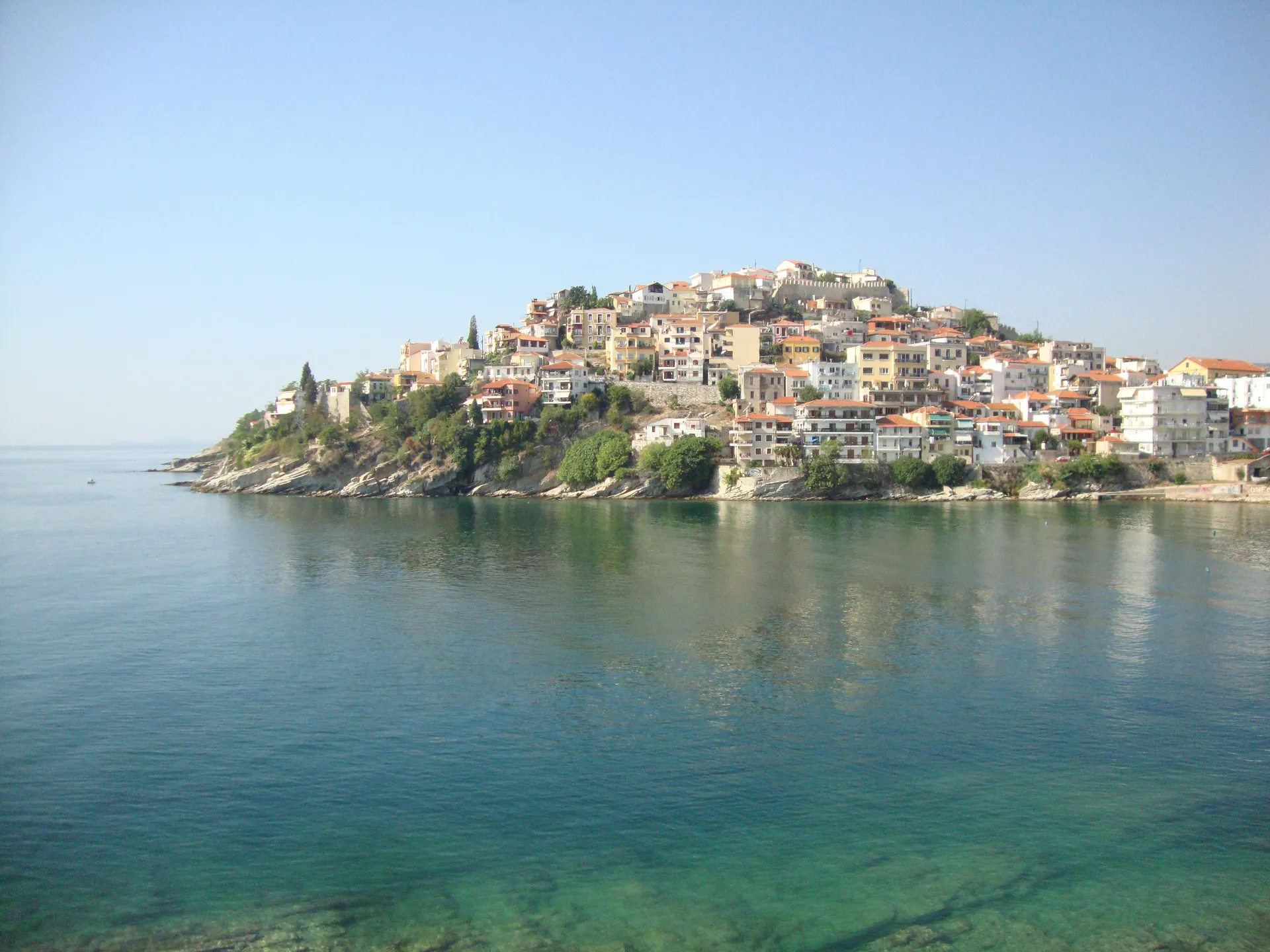
Explore ancient Kavala with its striking mountains, crystalline waters, and multicultural buildings hugging the cliffs. Both the fortress and the Kavala aqueduct date back to the 16th Century. Visit the marketplace, stop for a coffee, stroll through the new shops and galleries. Look for ceramics, great wine, fine leather, white marble, handmade cigars, and designer clothing.
The character of Kavala reveals itself in accumulated impressions rather than single landmarks. Walk beyond the waterfront and you enter a living museum of architectural styles spanning centuries—weathered stone facades that have absorbed generations of sunlight, wrought-iron balconies draped with flowering vines, and narrow passages that open unexpectedly onto sunlit squares where the rhythm of local life continues much as it has for generations. The quality of the light here deserves particular mention: sharp and revealing in the morning, honeyed and forgiving in the afternoon, it transforms the same scene into something new with every passing hour.
The table is where Mediterranean culture achieves its most persuasive expression, and Kavala upholds this tradition with conviction. Local kitchens celebrate the region's extraordinary produce—olive oil pressed from ancient groves, seafood drawn from waters visible from the dining terrace, vegetables whose intensity of flavor speaks to sun-drenched volcanic soils and centuries of agricultural wisdom. Markets overflow with seasonal abundance: artisan cheeses, cured meats, herbs whose fragrance perfumes entire streets. The ritual of the meal here is unhurried and communal, an experience that nourishes far more than the body.
Nearby destinations including Nydri, Nisos Lefkda, Greece, Symi and Parga provide rewarding extensions for those whose itineraries allow further exploration. The surrounding region rewards exploration with the kind of discoveries that guidebooks struggle to capture—hidden coves accessible only by small craft, hilltop villages where time moves to a pre-industrial rhythm, ancient ruins where you may find yourself the only visitor, and vineyards whose wines taste distinctly of their terroir. Day trips reveal the remarkable geological and cultural diversity that makes the Mediterranean endlessly fascinating even to those who have spent lifetimes exploring its shores.
What distinguishes Kavala from comparable ports is the specificity of its appeal. The Castle of Kavala and the castle at Palaiochori are not to be missed. Then one of the many museums – the Archaeological Museum or the Municipal Museum top the list. The Imararet, the home built by Mohammed Ali Pasha in the 19th Century boasts Ottoman architecture and spectacular views of the sea. These details, often overlooked in broader surveys of the region, constitute the authentic texture of a destination that reveals its true character only to those who invest the time to look closely and engage directly with what makes this particular place irreplaceable.
Windstar Cruises features this destination on its carefully curated itineraries, bringing discerning travelers to experience its singular character. The ideal visiting window spans May through October, when the climate is at its most welcoming for outdoor exploration. Travelers who arrive with comfortable walking shoes, an appetite for discovery, and the willingness to follow local recommendations rather than tourist itineraries will find that Kavala reveals its finest qualities to those who approach it with genuine curiosity rather than a checklist.

