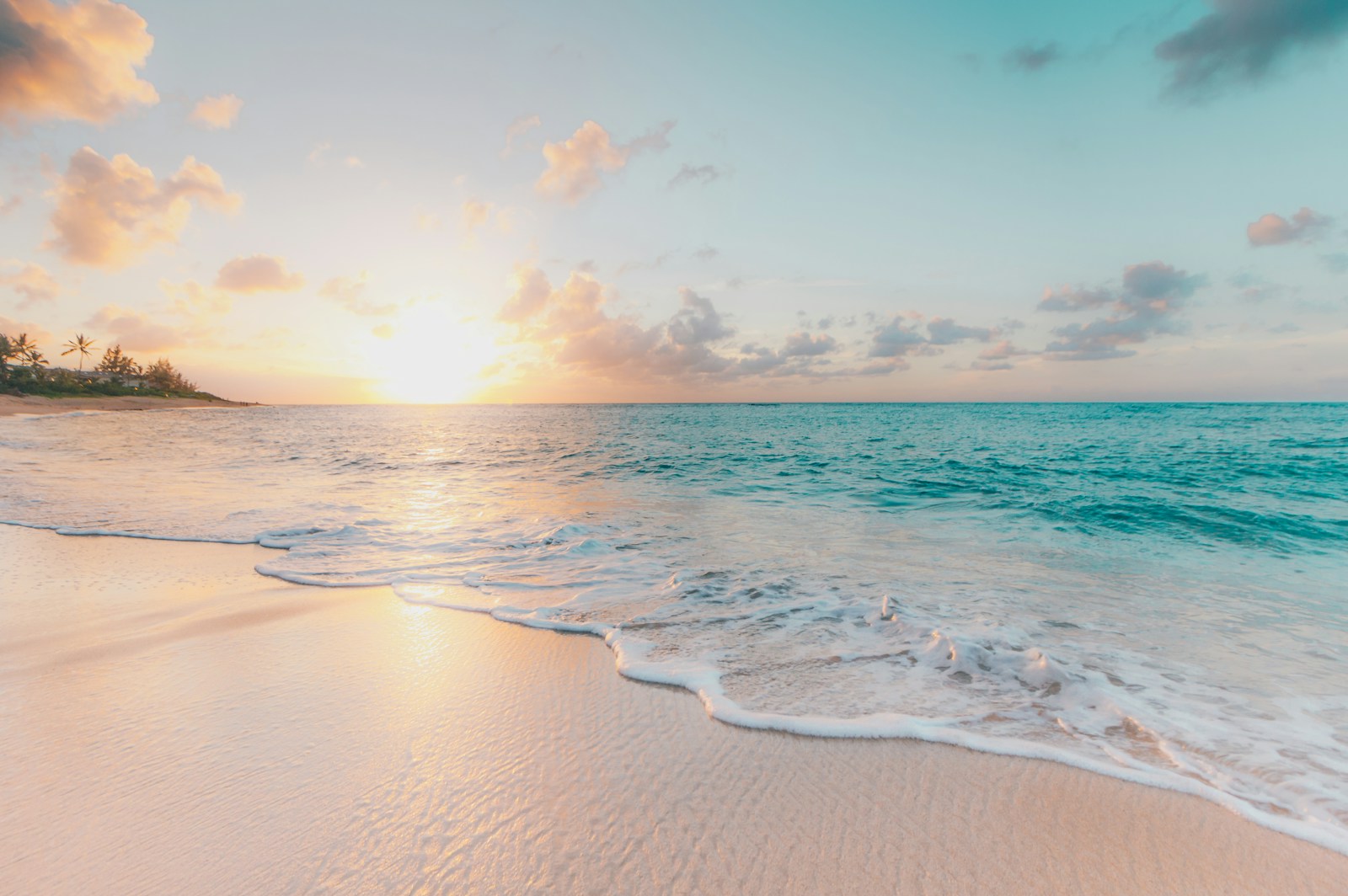
Lesbos — Lesvos in modern Greek — is the third-largest Greek island, a mountainous mass of volcanic rock and olive groves floating in the northeastern Aegean Sea barely ten kilometres from the Turkish coast. The island's name is inseparable from Sappho, the 7th-century BC poet whose lyrical celebrations of female love and beauty made Lesbos the etymological origin of the word "lesbian" — but the island's cultural and natural heritage extends far beyond this single, towering figure. Lesbos has been a crossroads of Aegean civilisation for over 3,000 years, producing philosophers (Theophrastus, Aristotle's successor), musicians (Terpander, credited with establishing the seven-string lyre), and a modern literary tradition that includes the Nobel Prize-winning poet Odysseas Elytis.
The landscape of Lesbos is remarkably varied for a single island. The eastern coast, facing Turkey across the Mytilini Strait, is green and fertile, carpeted with 11 million olive trees that produce some of Greece's finest olive oil — the island's output represents nearly a quarter of Greek production. The western interior, by contrast, is volcanic and dramatically barren, culminating in the Petrified Forest of Sigri — a UNESCO Global Geopark where 20-million-year-old sequoia and other tree trunks, mineralised by volcanic ash, stand in eerie forests of stone that provide one of the most important palaeontological records of the Miocene epoch in Europe.
Mytilini, the island's capital and main port, is a handsome Aegean city whose neoclassical mansions, Ottoman fountains, and Byzantine churches reflect the layers of civilisation that have washed across this island for millennia. The castle of Mytilini, one of the largest in the Mediterranean, was built by the Byzantines, expanded by the Genoese, and fortified by the Ottomans in successive waves of construction that created a fortress complex covering an area the size of a small town. The archaeological museum houses finds from across the island, including mosaics from Roman villas and pottery that documents Lesbos's role in ancient Aegean trade networks.
Lesbos cuisine is among the most distinctive in Greece, shaped by the island's agricultural abundance and its proximity to Anatolia. Ouzo — the anise-flavoured spirit that is Greece's national drink — reaches its finest expression on Lesbos, which produces over half of Greece's total output from distilleries in the town of Plomari. Sardines, grilled over charcoal and served with a squeeze of lemon and a glass of ouzo, constitute what many Greeks consider the perfect meze. The island's olive oil, with its grassy, peppery character, enriches every dish from ladotyri (olive-oil-preserved cheese) to the phyllo pastries filled with wild greens that appear at every village taverna. The thermal springs of Eftalou and Polichnitos — naturally heated to temperatures exceeding 80°C — add a wellness dimension, and bathing in the stone tubs overlooking the Aegean while the sun sets behind the Turkish mountains is an experience of pure Mediterranean bliss.
Lesbos's port at Mytilini can accommodate cruise ships alongside the quay. The best time to visit is from April through October, with May and June offering the most pleasant temperatures, the wildflowers in full bloom, and the olive groves at their greenest. September and October bring the beginning of the olive harvest and the grape harvest for the local wine, while the summer months of July and August deliver the hottest weather and the most festive atmosphere in the coastal villages.

