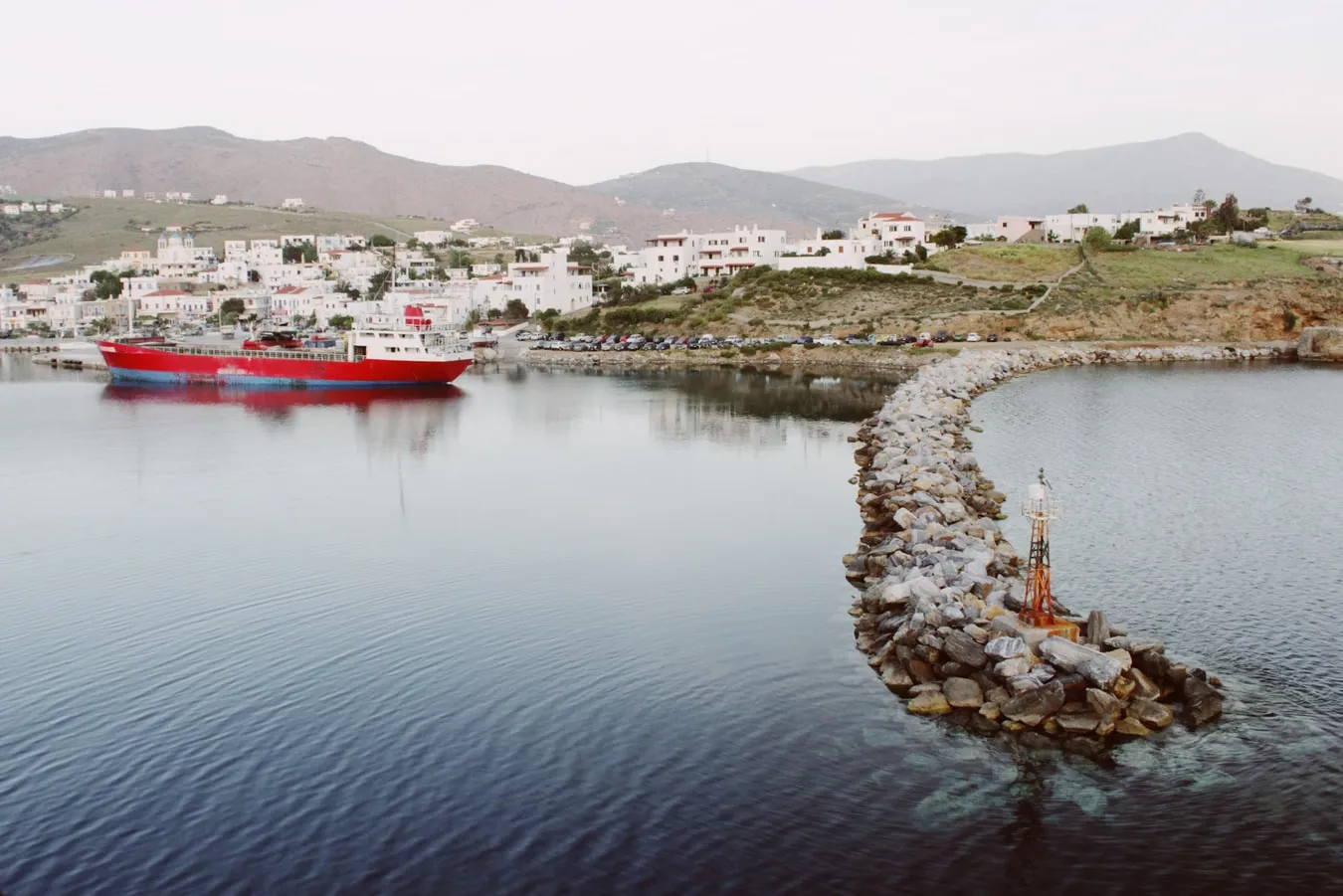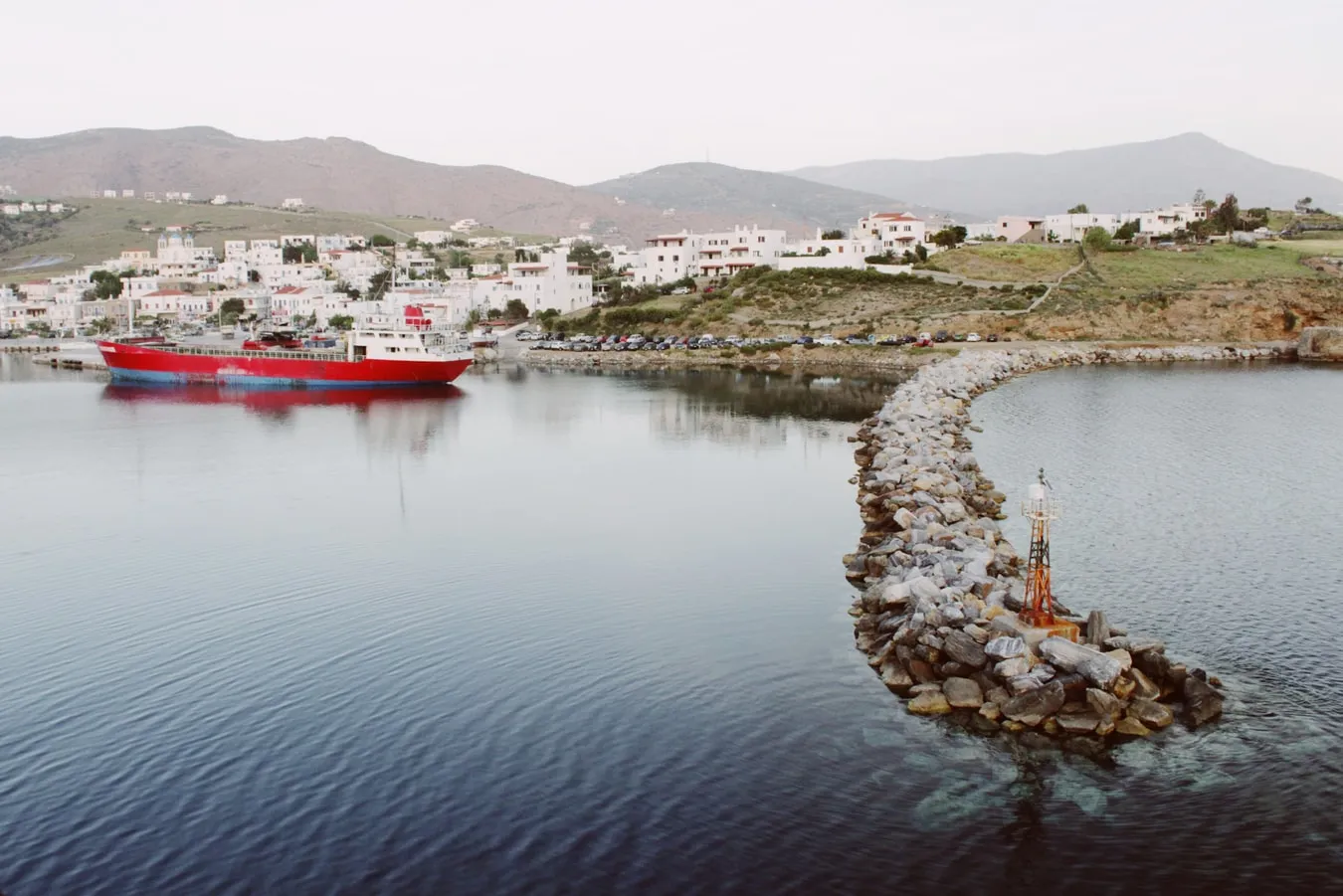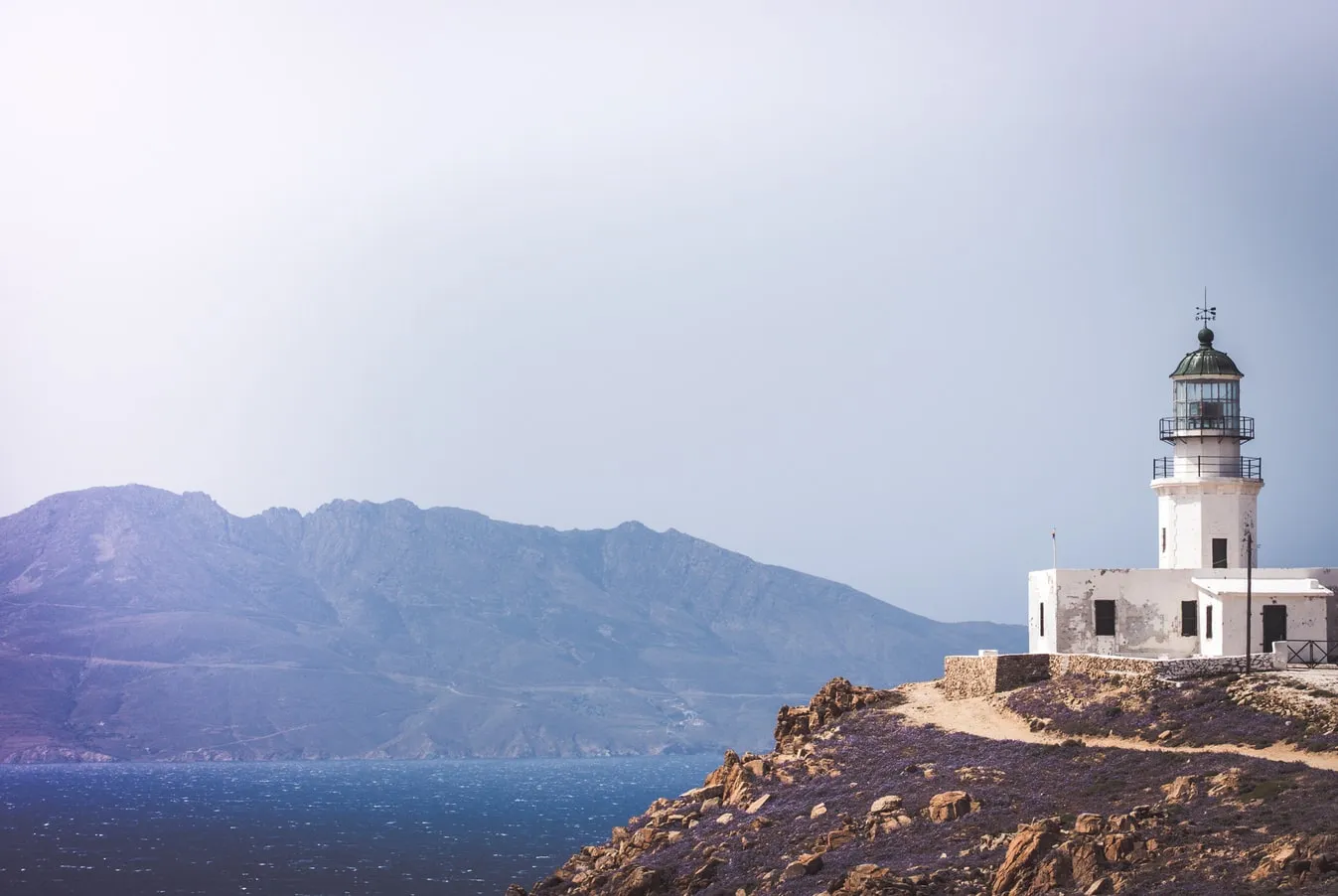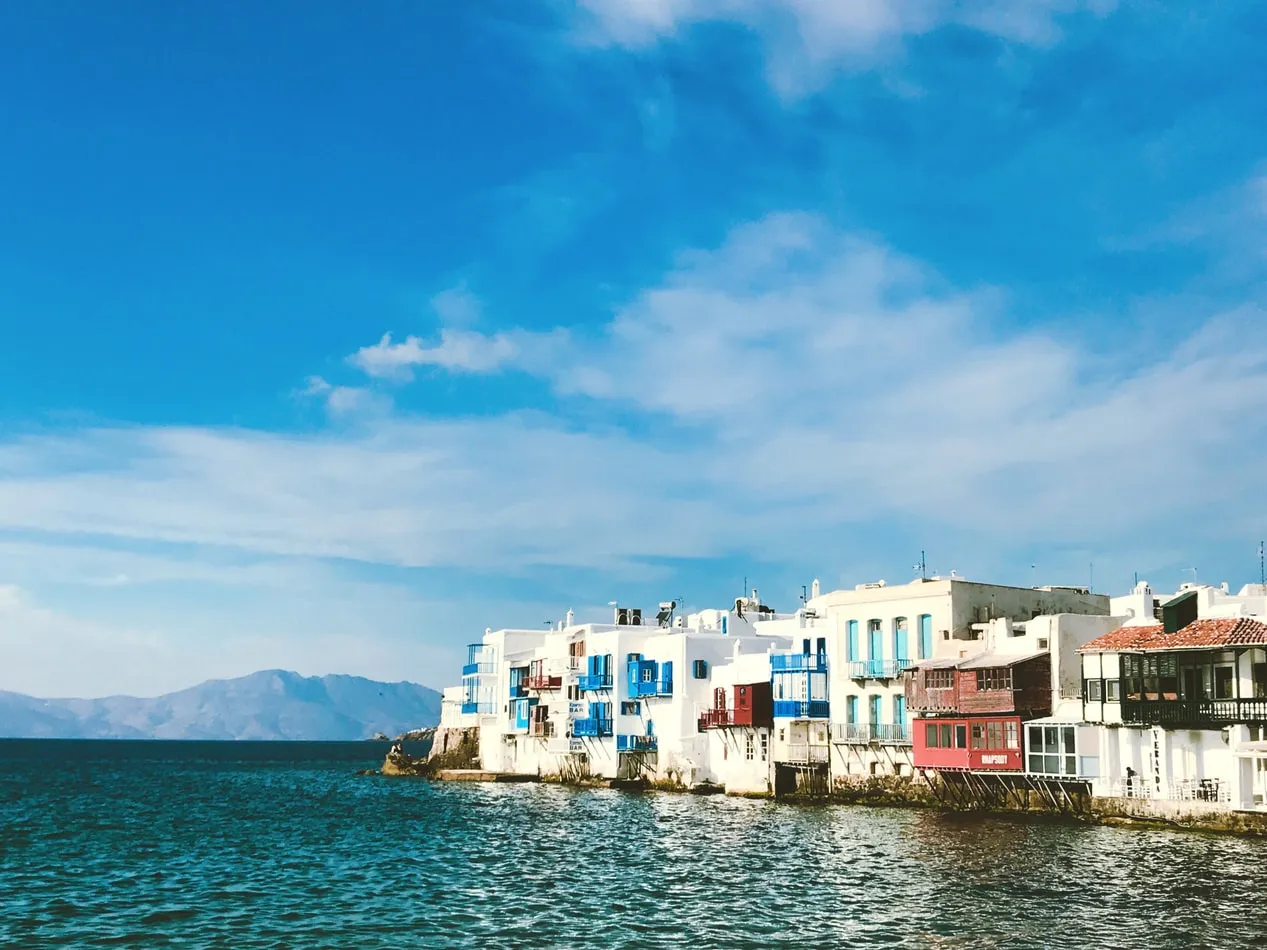
According to Greek mythology, Mykonos was formed from the petrified bodies of giants slain by Heracles, and the island's massive granite boulders do indeed appear to have been hurled there by a divine hand. Historically, Mykonos served as a supply station for ships navigating the Cyclades, its natural harbor offering shelter from the notoriously unpredictable Aegean winds. During the Greek War of Independence in the 1820s, Manto Mavrogenous, an aristocratic heroine born on the island, financed and led naval expeditions against the Ottoman fleet, earning her a place among Greece's most celebrated national figures. Her statue stands in the square that bears her name, overlooking the harbor she once defended.
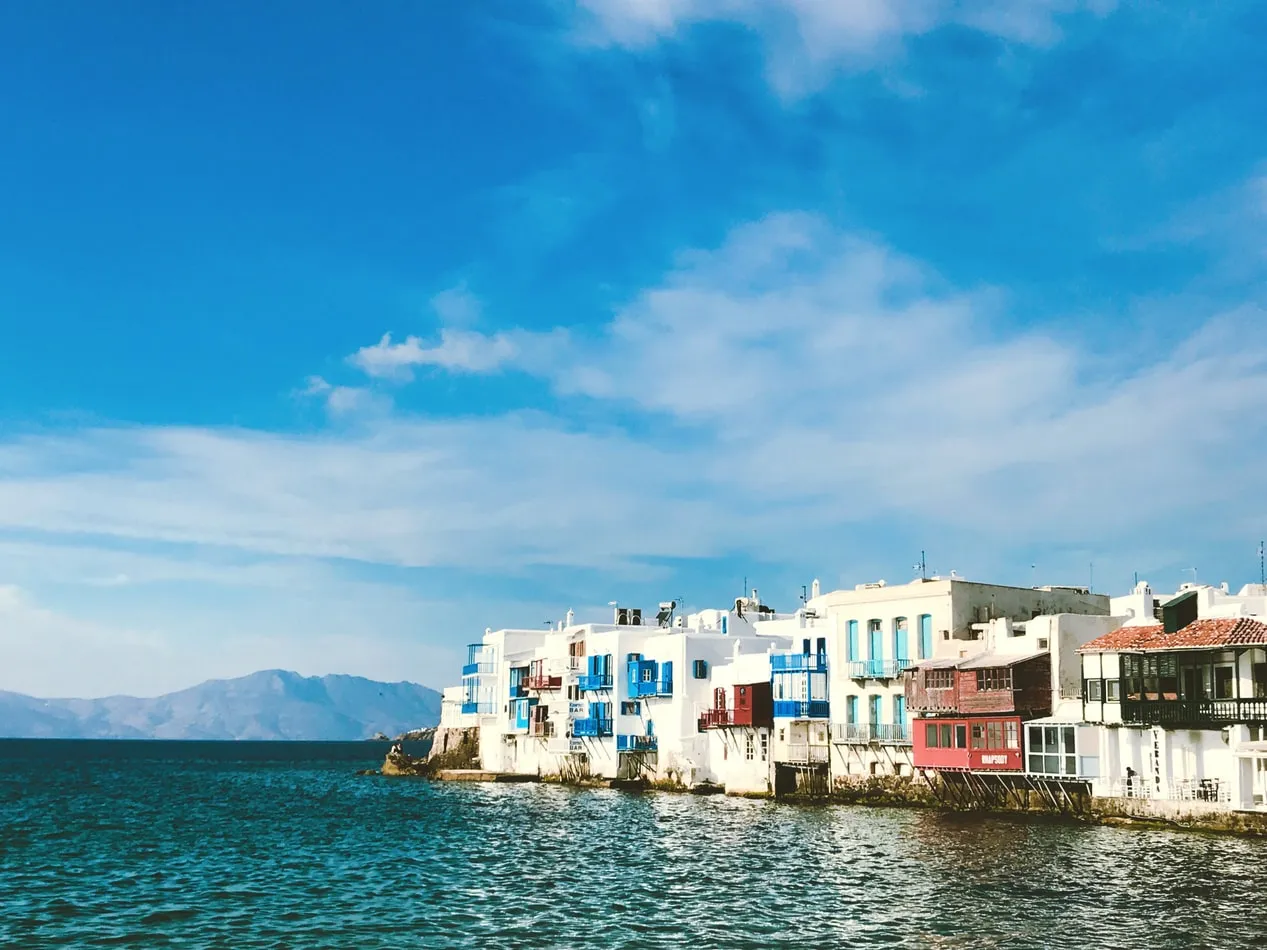
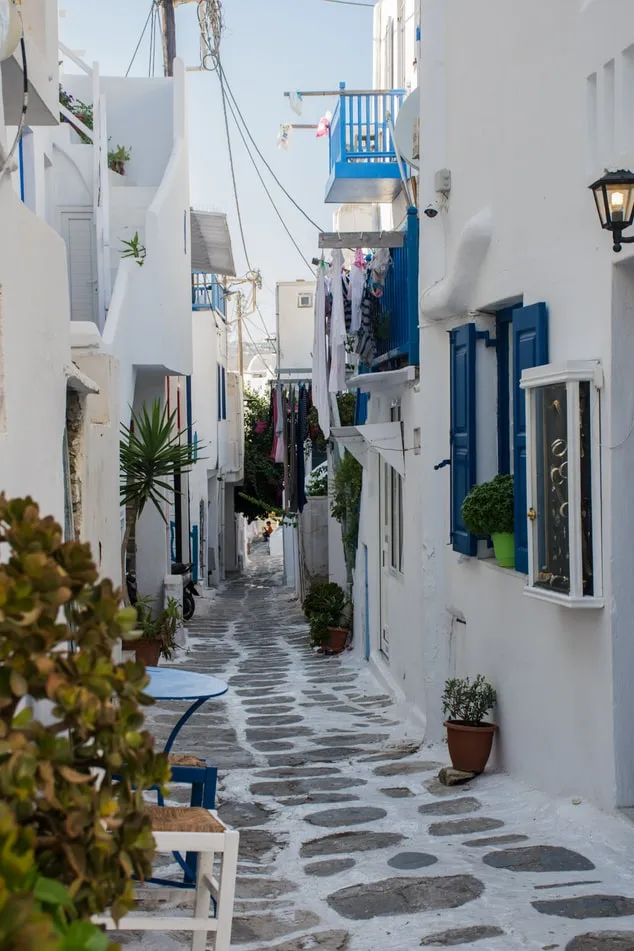
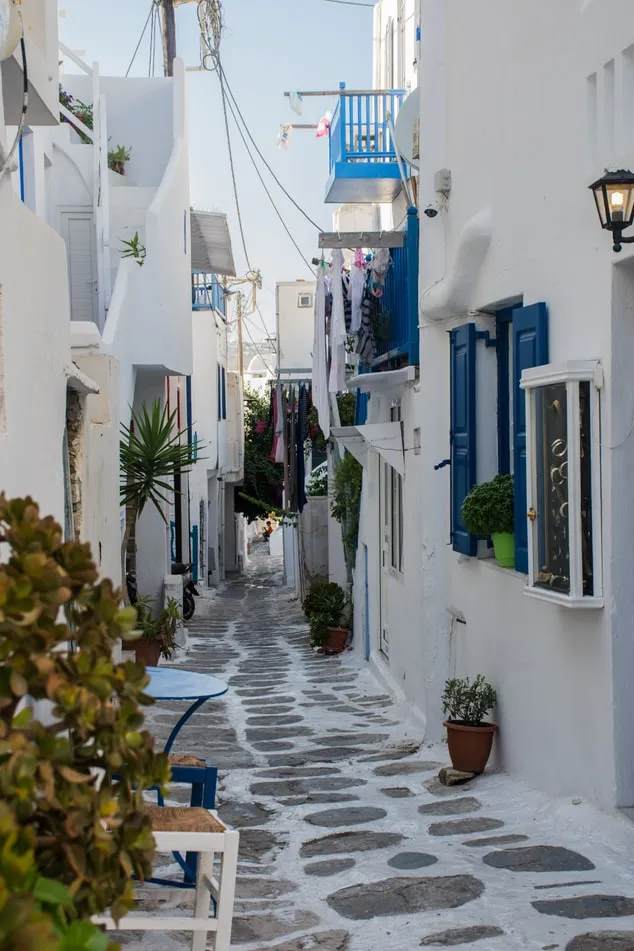
Mykonos Town, known locally as Chora, is a labyrinth of whitewashed cubic houses, their doors and window frames painted in Cycladic blue, designed centuries ago to confuse invading pirates. The iconic row of sixteenth-century windmills above Little Venice — a waterfront quarter where medieval houses jut out over the sea, their wooden balconies nearly touching the waves — has become perhaps the most photographed scene in all of Greece. The Paraportiani Church, an asymmetric cluster of five chapels fused together over four centuries, glows alabaster-white against the Aegean sky and represents the purest expression of Cycladic architecture. By night, the narrow streets transform into an open-air runway of designer boutiques, cocktail bars, and restaurants whose tables spill onto the cobblestones.
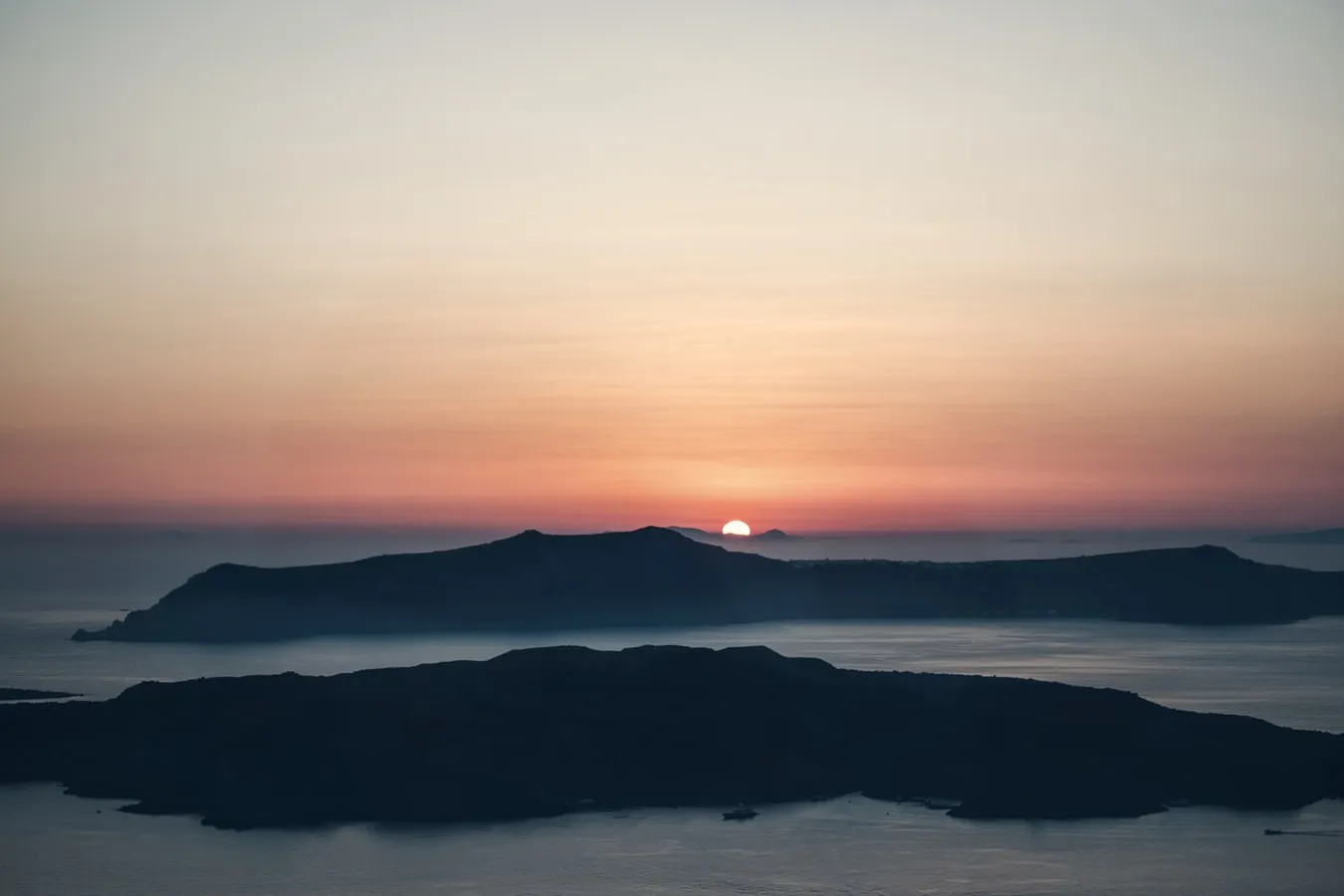
Greek island cuisine reaches delicious heights on Mykonos. Kopanisti, the island's fiery, creamy cheese aged in barrels and protected by a PDO designation, is served as a meze with warm bread and Mykonian tomatoes bursting with sun-concentrated sweetness. Louza — air-dried pork loin seasoned with pepper and clove — is thinly sliced as an appetizer. Seafood dominates: grilled octopus with a squeeze of lemon, fried calamari, and avgotaraho (cured grey mullet roe) reflect centuries of fishing tradition. At waterfront tavernas in Little Venice, order a plate of freshly caught barbounia (red mullet) alongside a glass of Assyrtiko wine and watch the sunset paint the Aegean in shades of amber and rose.
Day-trip possibilities center on Delos, the sacred island lying just thirty minutes away by boat. Birthplace of Apollo and Artemis in Greek mythology, Delos was the religious center of the ancient Aegean world and is now an open-air archaeological museum of extraordinary richness — its Terrace of the Lions, ancient theater, and mosaic-floored houses are UNESCO World Heritage treasures. Back on Mykonos, the beaches range from the family-friendly Platis Gialos and Ornos to the vibrant party beaches of Paradise and Super Paradise. The agricultural interior, dotted with whitewashed chapels and dry-stone walls, rewards exploration by ATV or hiking.
Mykonos ranks among the Mediterranean's most popular cruise destinations. Seabourn, Silversea, Crystal Cruises, Regent Seven Seas Cruises, Explora Journeys, Hapag-Lloyd Cruises, and Windstar Cruises bring luxury travelers. Azamara, Cunard, Holland America Line, Oceania Cruises, Princess Cruises, and Viking provide premium options. Celebrity Cruises, Norwegian Cruise Line, Royal Caribbean, Carnival Cruise Line, MSC Cruises, Disney Cruise Line, Costa Cruises, P&O Cruises, and TUI Cruises Mein Schiff serve the mainstream market. Star Clippers, Emerald Yacht Cruises, Celestyal Cruises, and Virgin Voyages round out the diverse fleet. The season runs April through October, with June and September offering ideal conditions: warm seas, clear skies, and slightly fewer crowds than the July-August peak.