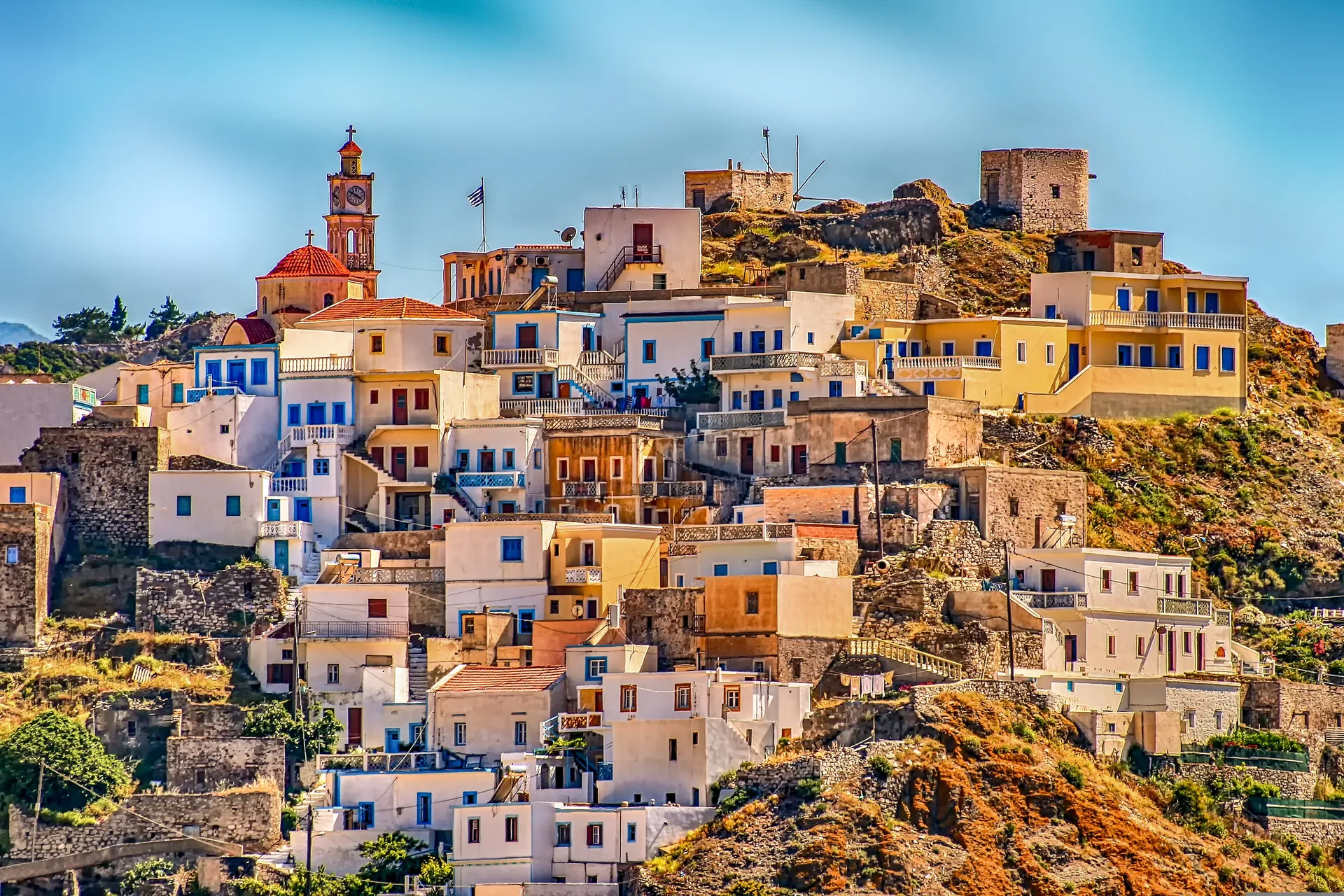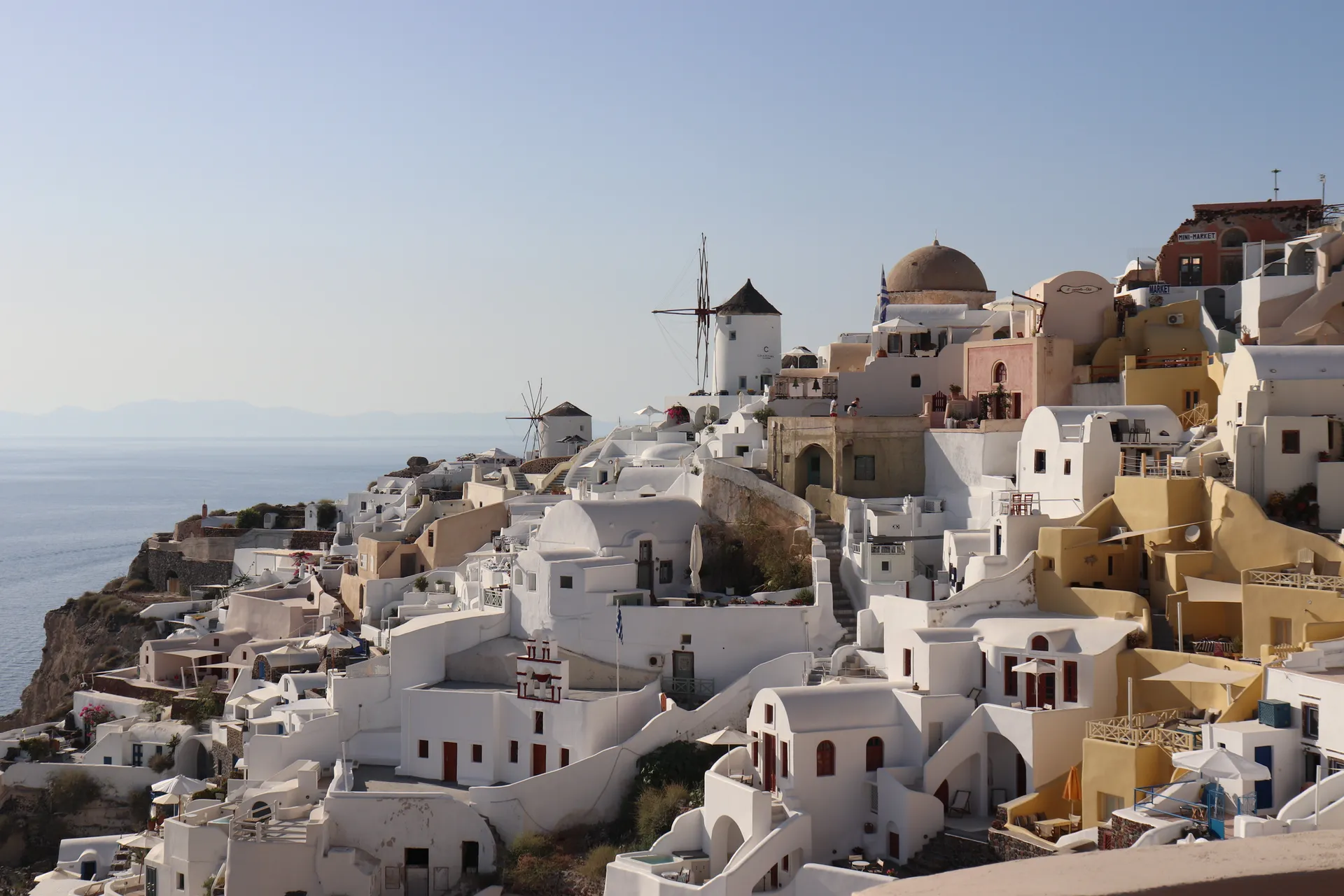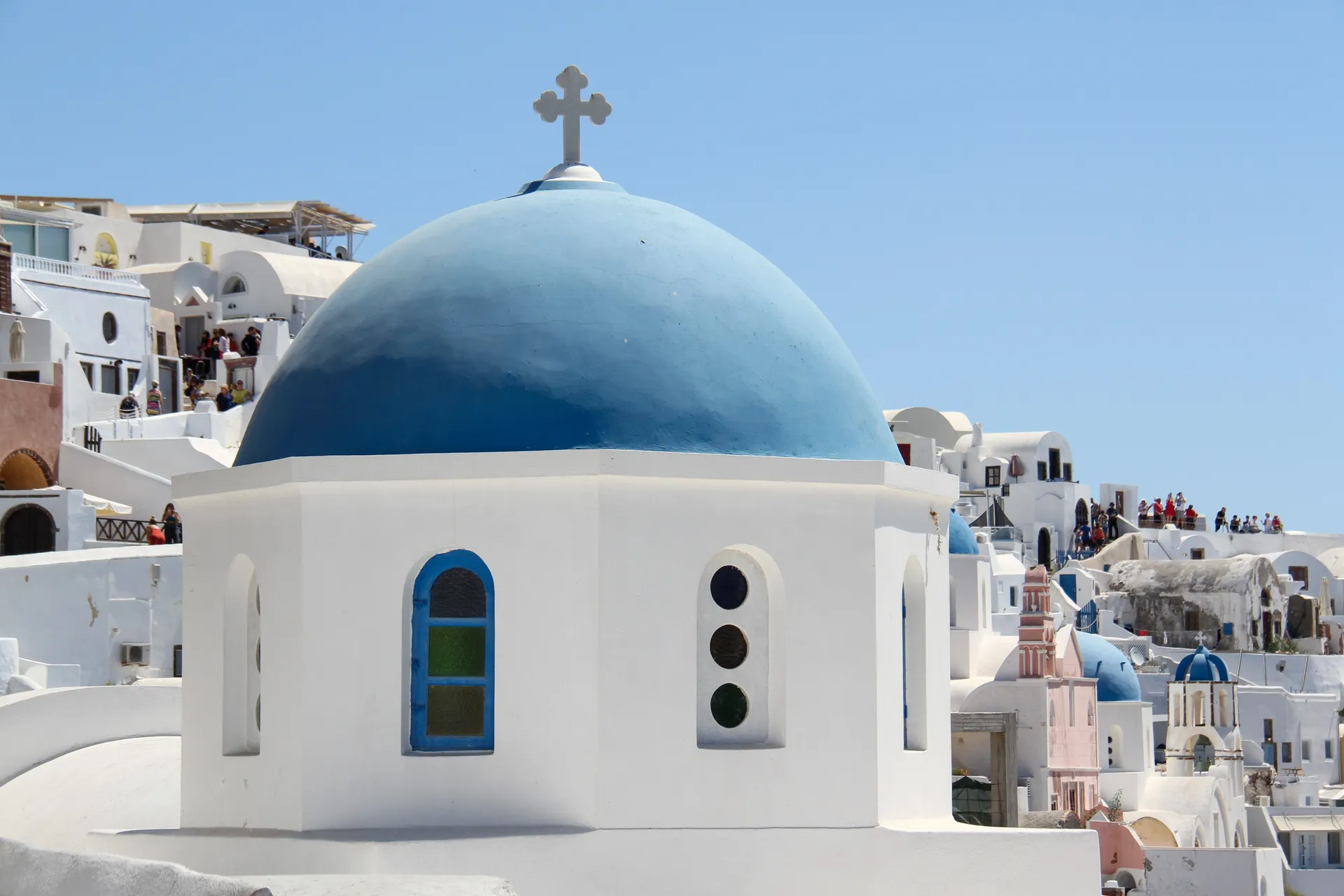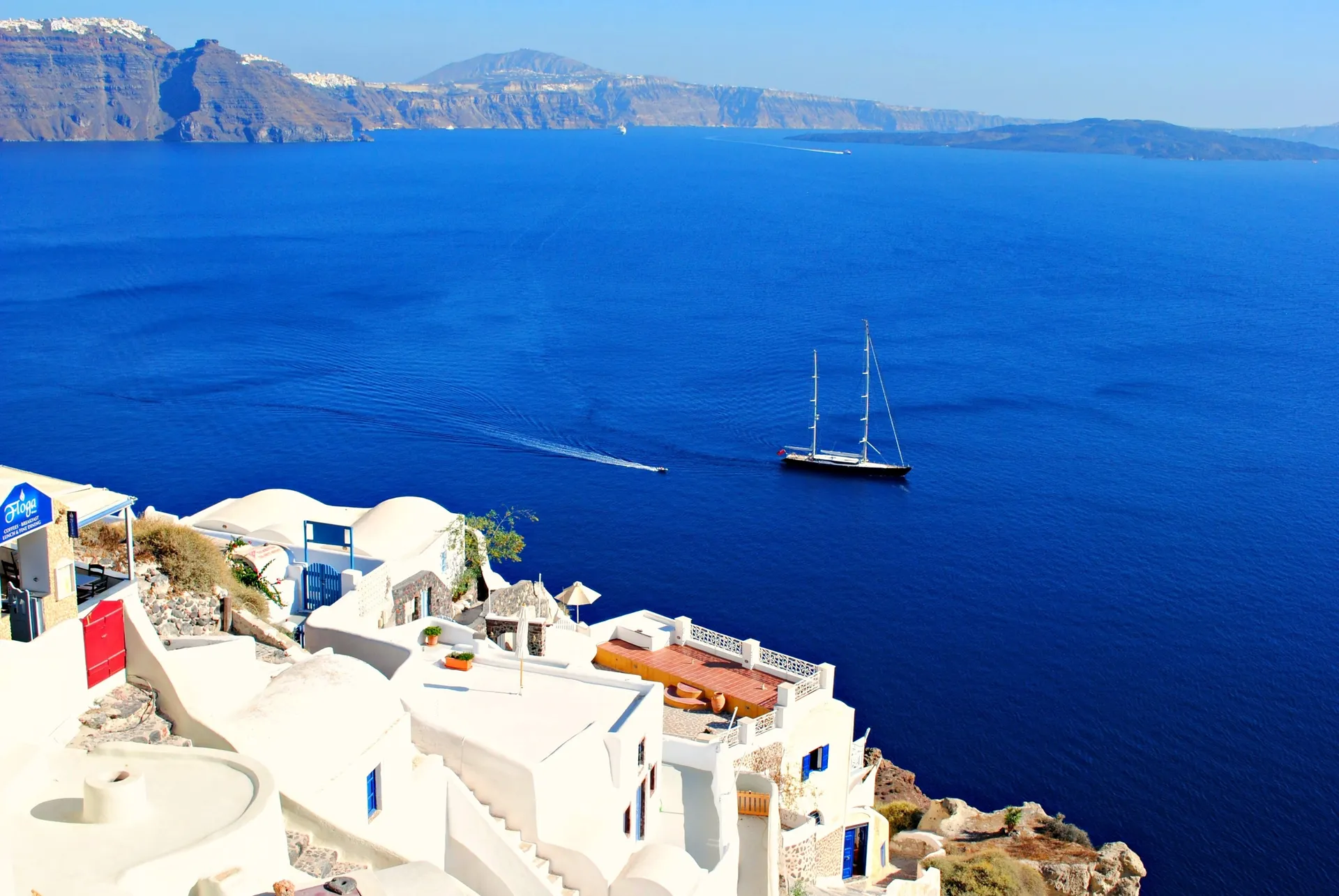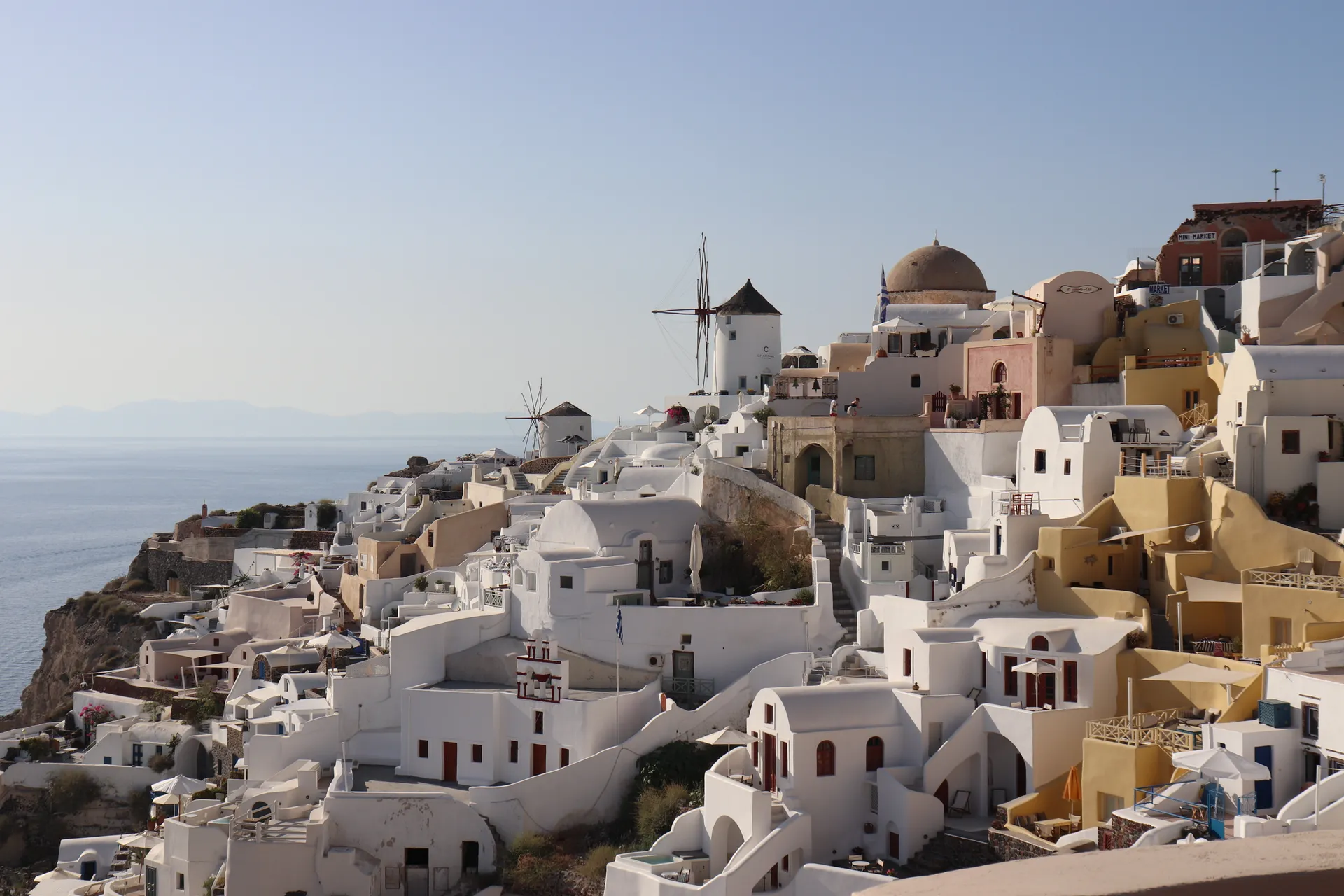
Thira — the ancient name for Santorini — encompasses the entire volcanic island that has become the most photographed destination in Greece, perhaps the Mediterranean. The caldera-edge villages of Fira and Oia, with their blue-domed churches and sugar-cube houses tumbling down cliff faces toward the submerged volcanic crater, have defined the visual vocabulary of Greek island tourism for half a century.
But Santorini's beauty tells a violent story. Around 1600 BC, one of the largest volcanic eruptions in recorded history destroyed the Minoan settlement of Akrotiri and created the caldera — the flooded crater — that gives the island its distinctive crescent shape. The archaeological site of Akrotiri, often called the 'Minoan Pompeii,' preserves a sophisticated Bronze Age city complete with multi-story buildings, indoor plumbing, and frescoes of remarkable artistic achievement that are now displayed in Athens' National Archaeological Museum and the island's Museum of Prehistoric Thera.
The island's volcanic soil produces some of Greece's most distinctive wines. Assyrtiko, grown in basket-shaped vines trained low to the ground to resist the island's relentless winds, produces a mineral-driven white wine that pairs perfectly with the local cuisine — cherry tomatoes so intensely flavored they barely resemble their supermarket cousins, white eggplant, and the remarkable fava (yellow split pea purée) that is Santorini's signature dish.
Royal Caribbean and other major lines anchor in the caldera, tendering passengers to Fira's old port where the famous donkey trail and cable car provide ascent options to the clifftop town. The caldera approach — sailing into the flooded crater with the cliffs rising on three sides — is one of cruising's most dramatic arrivals, best experienced from the ship's upper deck at dawn.
April through June and September through October provide the best visiting conditions, avoiding July and August's extreme crowds and heat. Sunset from Oia's castle ruins remains one of the Mediterranean's great spectacles, but Santorini's deeper rewards lie in its volcanic wine, its Bronze Age mysteries, and the geological drama of an island literally born from catastrophe.