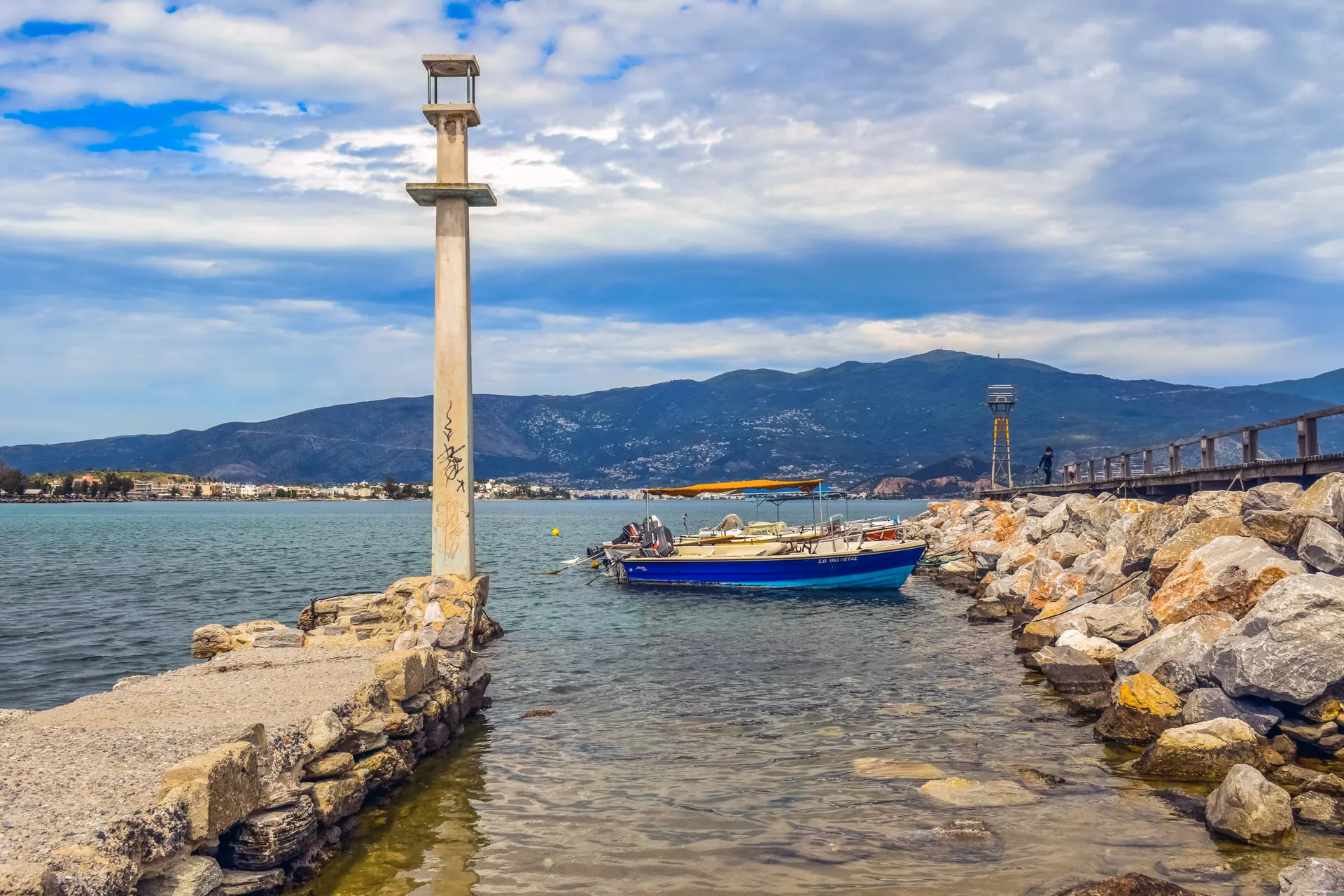
Volos occupies a singular position in both Greek geography and mythology—a port city nestled at the head of the Pagasetic Gulf in Thessaly, at the foot of Mount Pelion, the legendary home of the centaurs and the place from which Jason and the Argonauts sailed in search of the Golden Fleece. That mythological resonance is not mere decoration: the archaeological site of ancient Iolcos, the kingdom from which Jason departed, lies within the modern city limits, and the landscapes visible from Volos's waterfront—the forested slopes of Pelion, the island of Skiathos in the distance, the deep blue gulf—are precisely those described in the Argonautic saga over three thousand years ago.
Modern Volos is a university city of 145,000 with a vibrant waterfront promenade, a lively student population, and a food culture that locals claim—with considerable justification—is the finest in mainland Greece. The city was largely destroyed by earthquakes in 1955 and rebuilt in a utilitarian modern style, but what it lacks in architectural heritage it compensates for with an irrepressible appetite for life, centered on the tsipouradika—the tavernas that serve tsipouro (grape distillate) accompanied by an endless succession of small plates that constitute one of Greece's most distinctive dining traditions. The Archaeological Museum of Volos, housing extraordinary Neolithic, Mycenaean, and Classical finds from the surrounding region, provides the historical depth that the rebuilt cityscape cannot.
The tsipouro culture of Volos is unique in Greece and merits extended exploration. A session at a tsipouradiko follows a ritual: you order tsipouro (or ouzo), and with each round, a different meze plate arrives—grilled octopus, fried anchovies, cheese saganaki, horta (wild greens), keftedes (meatballs), shrimp in garlic sauce—without being ordered. You eat, drink, talk, and the plates keep coming until you ask for the bill. The custom emerged from Volos's position between the fishing culture of the gulf and the agricultural bounty of the Thessalian plain, and it has produced a food scene of remarkable quality and generosity. The waterfront is lined with tsipouradika whose competition has driven standards to extraordinary heights.
Mount Pelion, rising directly behind the city to 1,624 meters, is one of Greece's most beautiful and least-touristed mountain regions. The Pelion villages—Makrinitsa, Portaria, Tsangarada, Milies—are architectural gems of stone mansions, cobblestone squares, and plane trees of enormous age, their balconies overlooking both the Pagasetic Gulf and the Aegean Sea. The mountain supports dense forests of chestnut, beech, and plane trees, hiking trails that connect the villages through landscapes of ravines, streams, and hidden churches, and some of Greece's finest beaches on its eastern Aegean-facing coast—Mylopotamos, Fakistra, and Papa Nero among the most beautiful. The narrow-gauge railway from Milies to Lechonia, known as the Pelion train (Moutzouris), follows a historic route through olive groves and mountain scenery.
Seabourn, Viking, and Windstar Cruises include Volos on their Greek and Eastern Mediterranean itineraries, with ships docking at the commercial port within walking distance of the waterfront promenade and tsipouradika. Excursions to the Pelion villages, Meteora's cliff-top monasteries (a two-hour drive), and the archaeological site of Dimini are popular options. April through October offers the warmest conditions, with June and September providing ideal temperatures for combining beach visits with mountain hiking. The Pelion's microclimate creates lush, green conditions even in summer, a stark contrast to the arid landscapes of the Cyclades. Volos is the Greece that Greeks know and love—a city where the pleasure of eating, drinking, and talking with friends is elevated to an art form, practiced with the same intensity as the Argonauts pursued their fleece.

