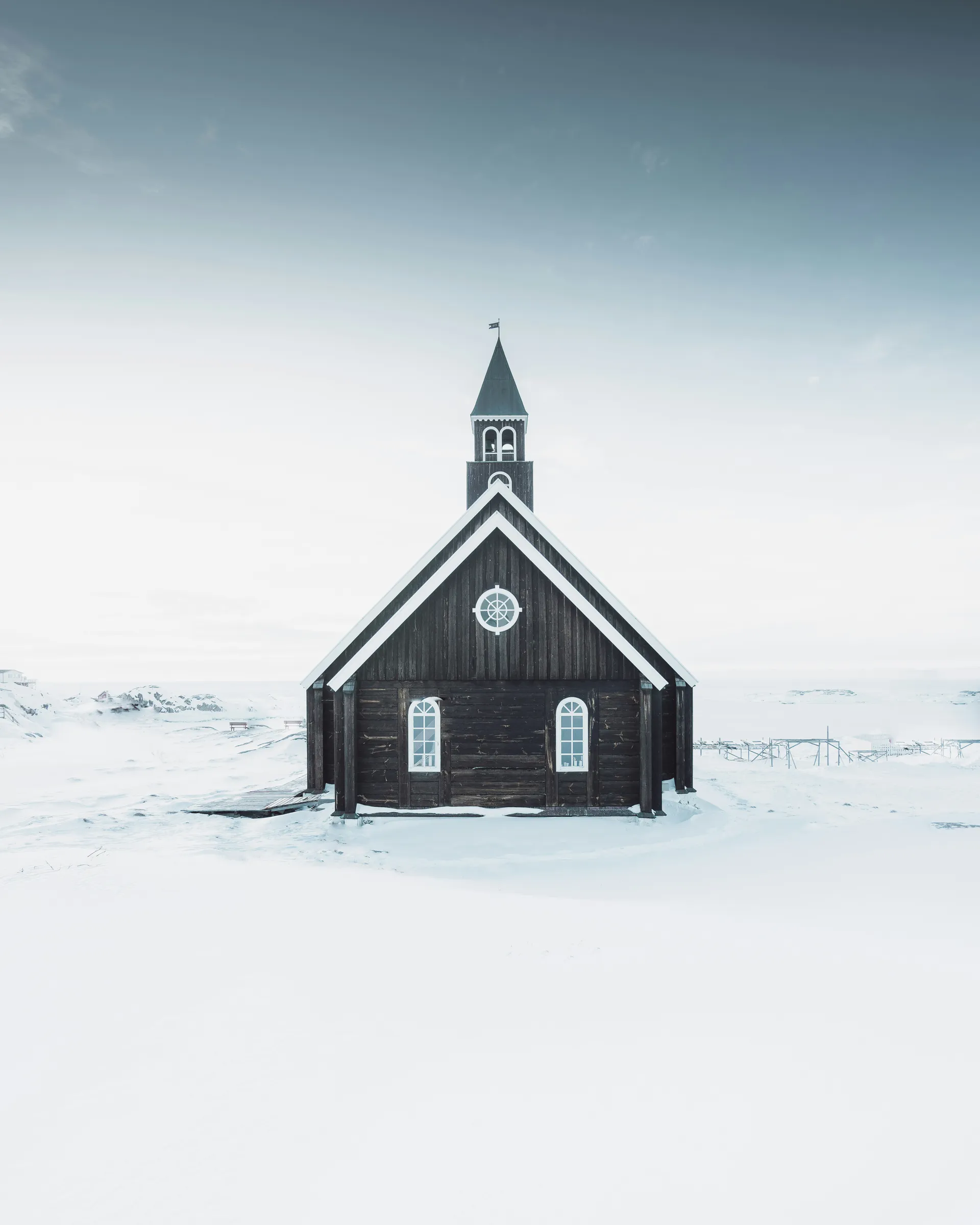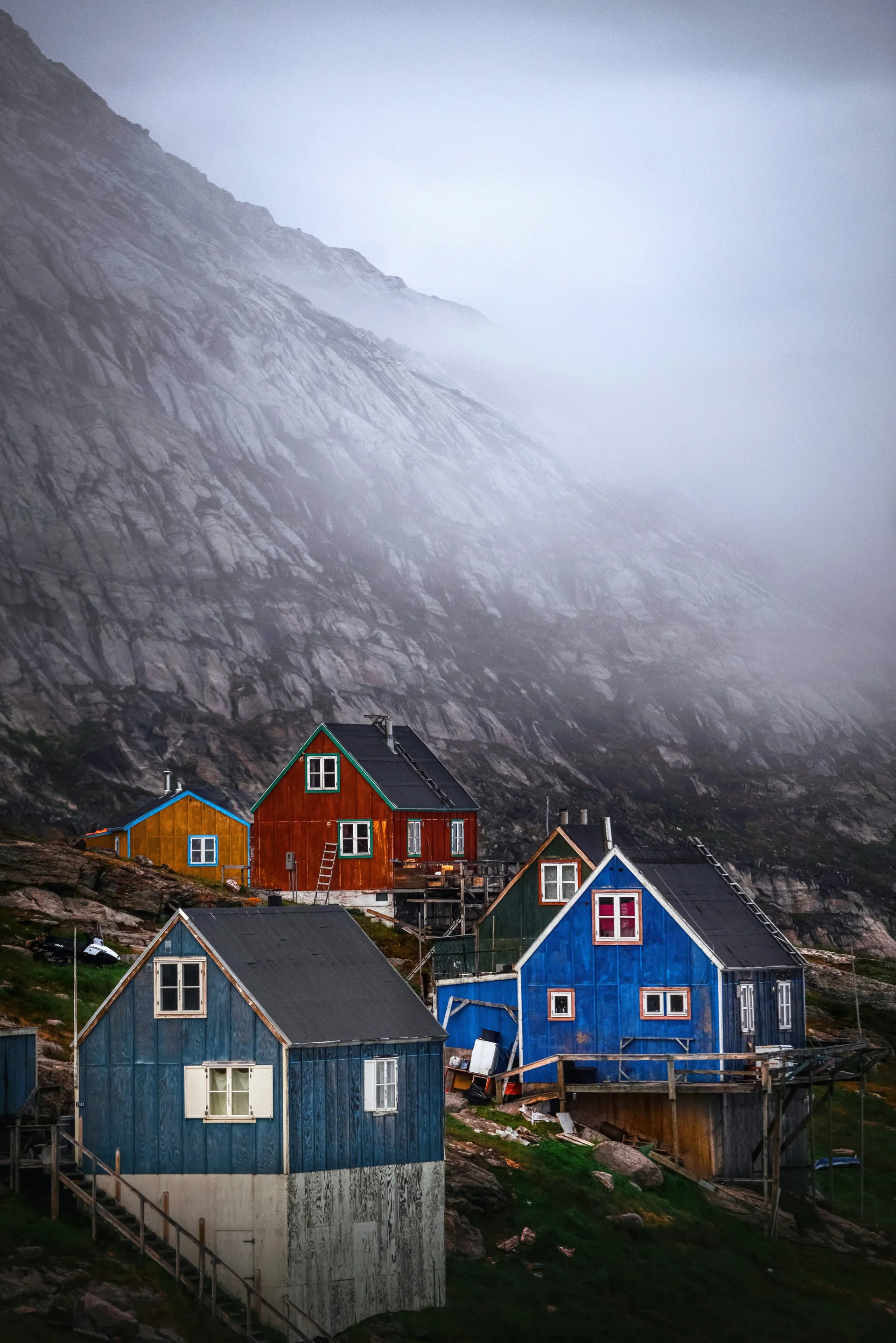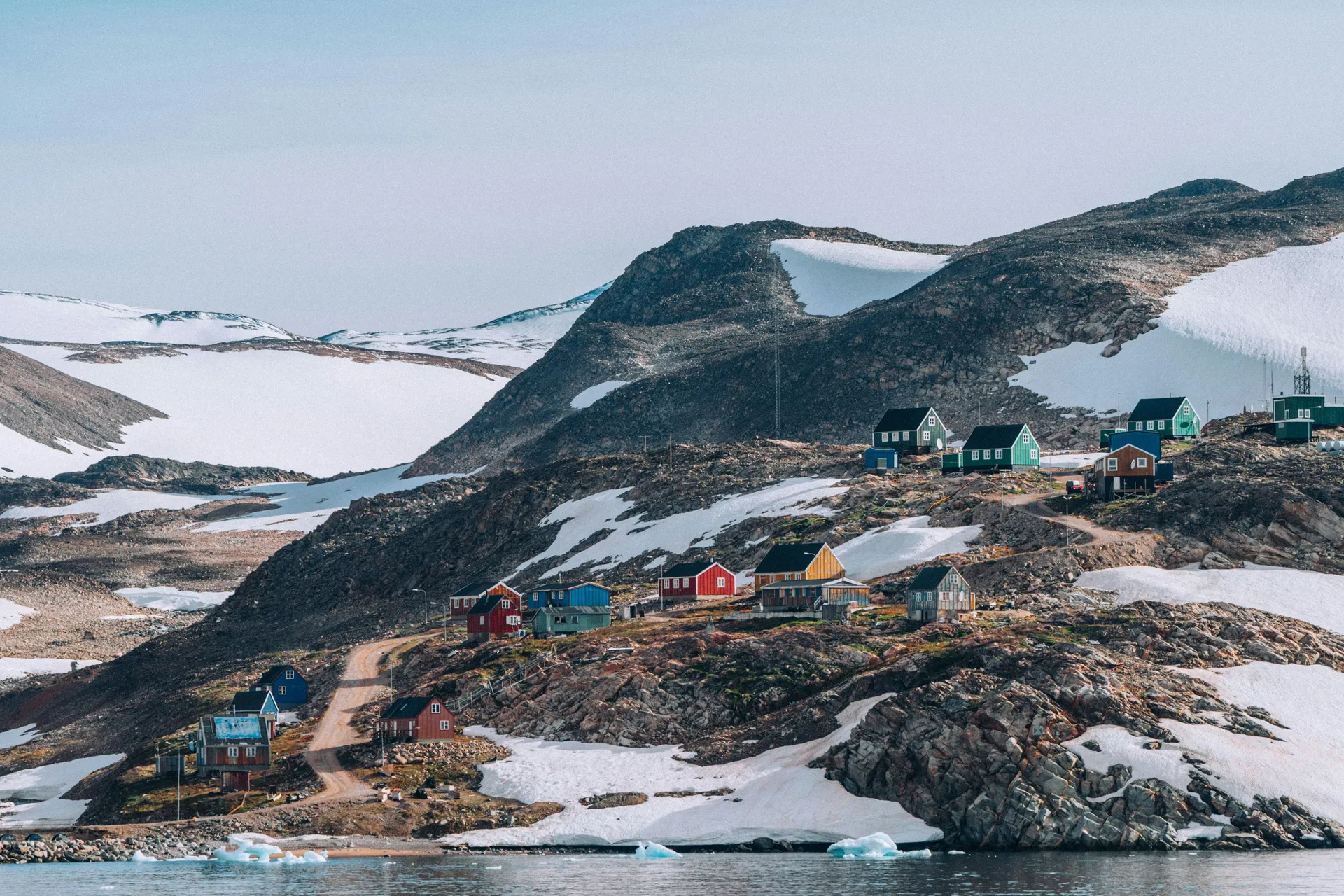
East Greenland is one of the last truly wild frontiers on Earth—a vast, ice-sheathed coast where the Arctic Ocean meets the world's largest island in a collision of glaciers, fjords, and mountains of such savage grandeur that even seasoned polar travelers find themselves at a loss for adequate description. This is a region that remained virtually inaccessible to outsiders until the twentieth century, shielded by the densely packed sea ice that chokes the Denmark Strait for much of the year. The Inuit communities that cling to this coast—Tasiilaq, Ittoqqortoormiit, and a handful of smaller settlements—represent some of the most isolated human habitations in the world, accessible only by helicopter, boat, or, for a few months each summer, by expedition ship.
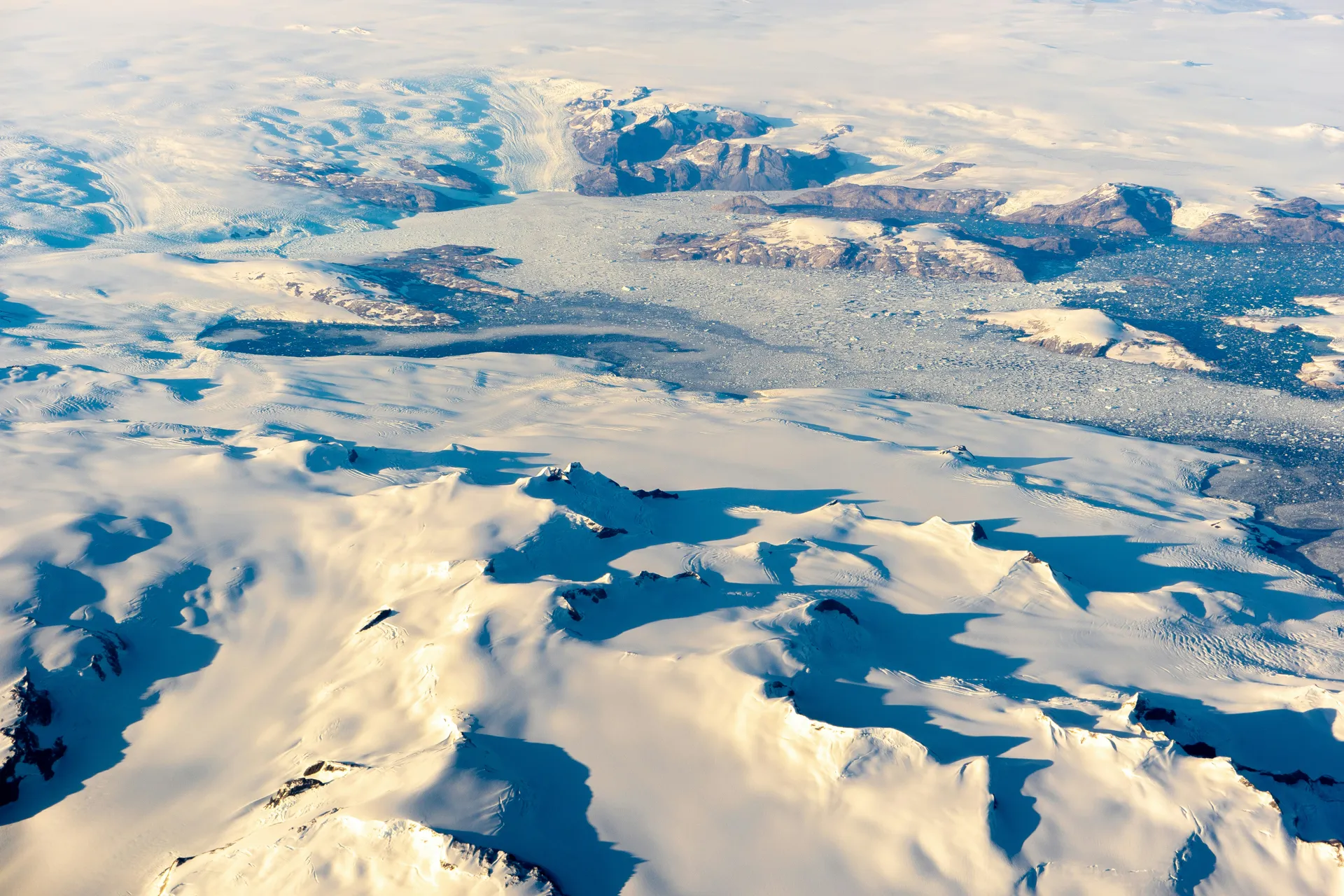
The landscape of East Greenland operates on a scale that defies comprehension. The Scoresby Sund system, the world's longest fjord, penetrates 350 kilometers into the interior, its branching arms flanked by vertical rock walls rising over a thousand meters above mirror-calm waters. Icebergs the size of apartment buildings calve from tidewater glaciers with thunderous reports that echo across the fjords. The Greenland Ice Sheet, which covers 80 percent of the island, sends rivers of ancient ice flowing toward the coast, creating a landscape in perpetual motion. In summer, the tundra briefly ignites with wildflowers—Arctic poppies, purple saxifrage, cotton grass—while musk oxen graze in valleys that haven't changed since the last Ice Age retreated.
Wildlife encounters in East Greenland are raw, unmediated, and unforgettable. Polar bears roam the pack ice and coastal margins, particularly around the remote settlement of Ittoqqortoormiit. Narwhals—the unicorns of the sea—are regularly spotted in the fjords, their spiraled tusks breaking the surface in pods of twenty or more. Walruses haul out on rocky shores, while Arctic foxes in their summer brown or winter white cross the tundra with nervous energy. The bird cliffs host millions of nesting seabirds—thick-billed murres, little auks, and glaucous gulls—creating a cacophony of life against the otherwise profound Arctic silence. Humpback and minke whales feed in the nutrient-rich waters offshore, breaching against backdrops of glacier and mountain.
The Inuit culture of East Greenland is among the most resilient on the planet. The people of Tasiilaq and its surrounding settlements maintain a way of life that balances traditional subsistence hunting—seals, narwhals, and polar bears are harvested according to strict community quotas—with the realities of a modern world connected by satellite phone and helicopter. Dog sledding remains a primary mode of winter transport, and kayaking originated here as a hunting technique thousands of years ago. The Ammassalik Museum in Tasiilaq preserves the unique material culture of the East Greenlandic Inuit, including the haunting tupilaq figurines carved from bone and antler that served as spiritual tools and are now prized by collectors worldwide.
Aurora Expeditions, Lindblad Expeditions, and Ponant operate expedition voyages to East Greenland during the brief navigable window from July through September, when pack ice retreats sufficiently to allow passage. These are expedition-style journeys conducted on ice-strengthened vessels with Zodiac landing craft, expert naturalist guides, and flexible itineraries that respond to ice and weather conditions. Landings at Skjoldungen, the Hvalsey Norse ruins, and along the Ammassalik coast are typical highlights. Passengers should be prepared for raw weather, layered clothing, and the possibility that plans may change with the ice. What East Greenland offers in return is nothing less than a glimpse of the planet in its primal state—a landscape so vast, so ancient, and so hauntingly beautiful that it recalibrates one's understanding of what wilderness truly means.