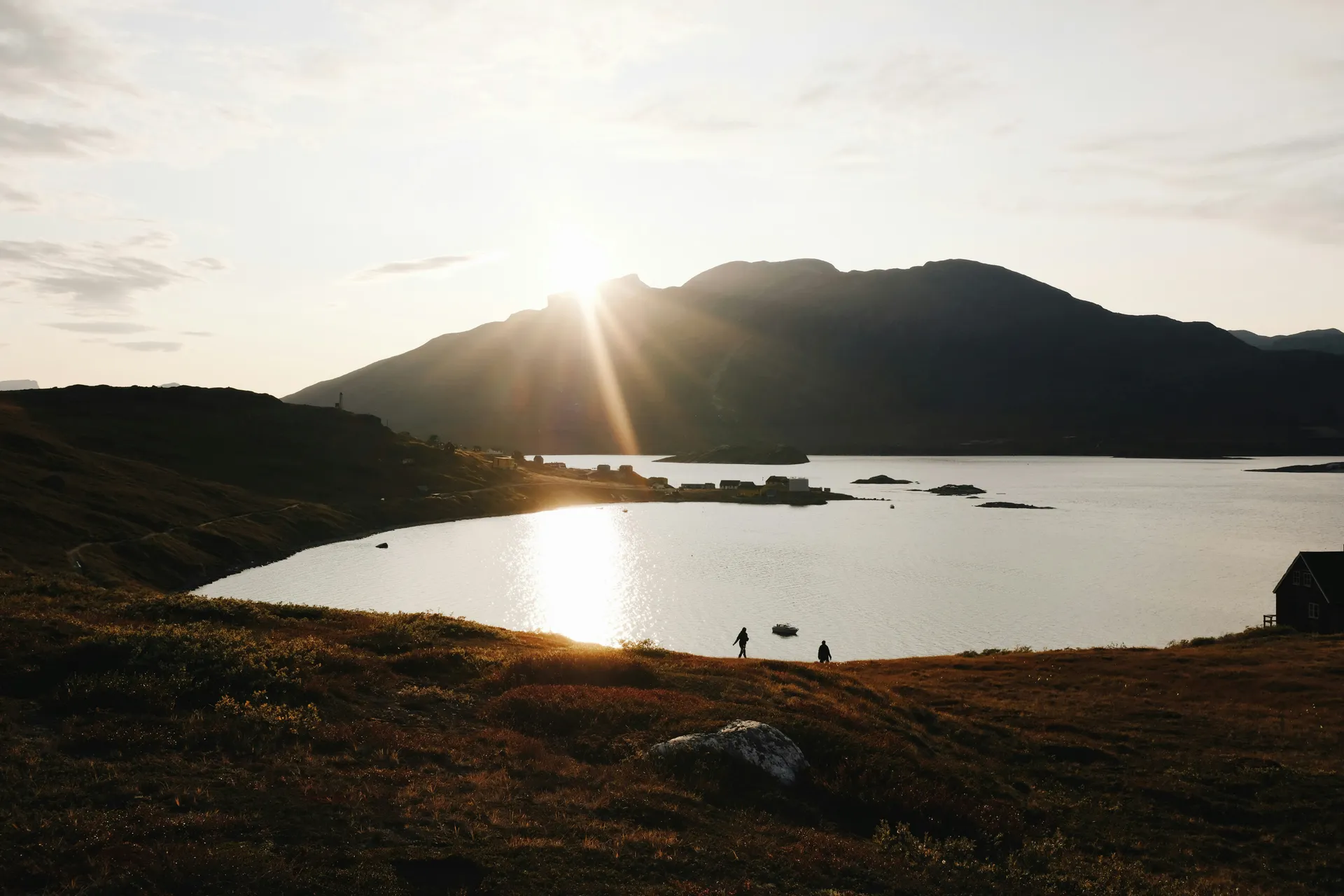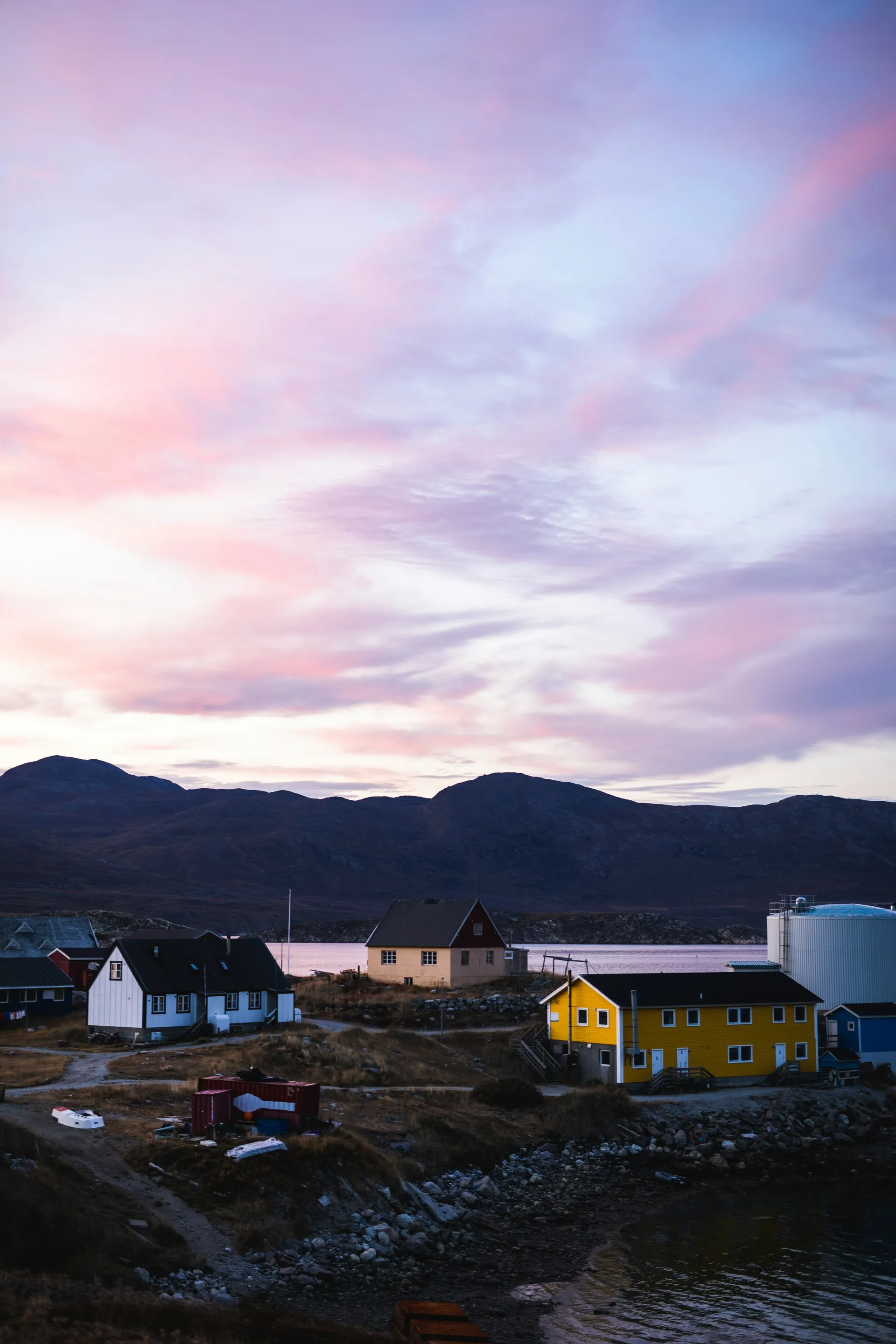
At the innermost reach of the Nuuk Fjord system, where the tidewater glaciers of the Greenland ice sheet calve their blue-white cargo into waters that Norse settlers navigated a thousand years ago, the tiny settlement of Kapisillit clings to the edge of a landscape so vast and empty that the word "remote" hardly begins to describe it. Home to approximately 60 permanent residents — most of them descendants of the Inuit hunters who have inhabited this fjord for over 4,000 years — Kapisillit is one of the smallest continuously inhabited settlements in Greenland, a place where the rhythms of life are still dictated by the migration of Arctic char, the calving of glaciers, and the movement of sea ice that seals the fjord in winter.
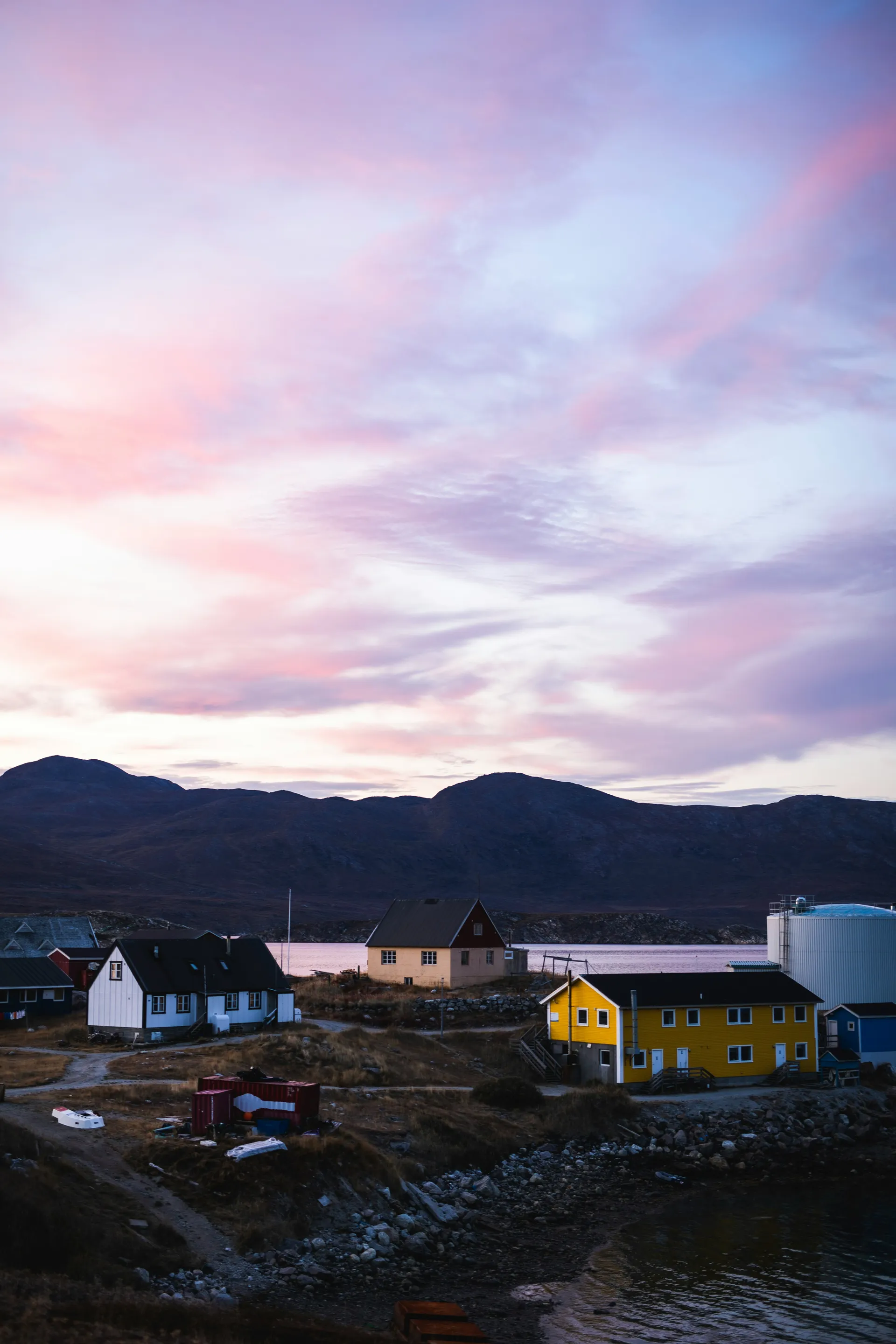
The journey to Kapisillit from Nuuk, Greenland's capital 75 kilometres to the west, is itself the destination. The boat transit threads through a fjord system of breathtaking beauty — dark mountains plunging into water of glacial turquoise, icebergs drifting in slow procession, and the occasional whale blow visible against the distant ice cap. The settlement reveals itself gradually: a cluster of brightly painted wooden houses — red, blue, yellow, green — arranged along the shoreline in the Greenlandic tradition, their cheerful colours a deliberate counterpoint to the monochrome severity of the surrounding landscape. A small church, a school, and a community building constitute the civic infrastructure of a place where hunting, fishing, and the gathering of crowberries and angelica remain central to daily life.
The Arctic char fishing at Kapisillit is legendary among Greenlandic anglers. The river system feeding into the fjord supports one of the most productive char runs in the country, and the settlement's name itself refers to a fish — in Kalaallisut, "kapisillit" is connected to fishing activities. In late summer, the char return from the sea in gleaming silver-red schools, and the entire community participates in the harvest, smoking and drying the fish for the long winter ahead. For expedition cruise visitors, the opportunity to fish alongside Greenlandic families — or simply to observe the traditional preparation of the catch on wooden drying racks along the shoreline — provides a cultural encounter of genuine intimacy.
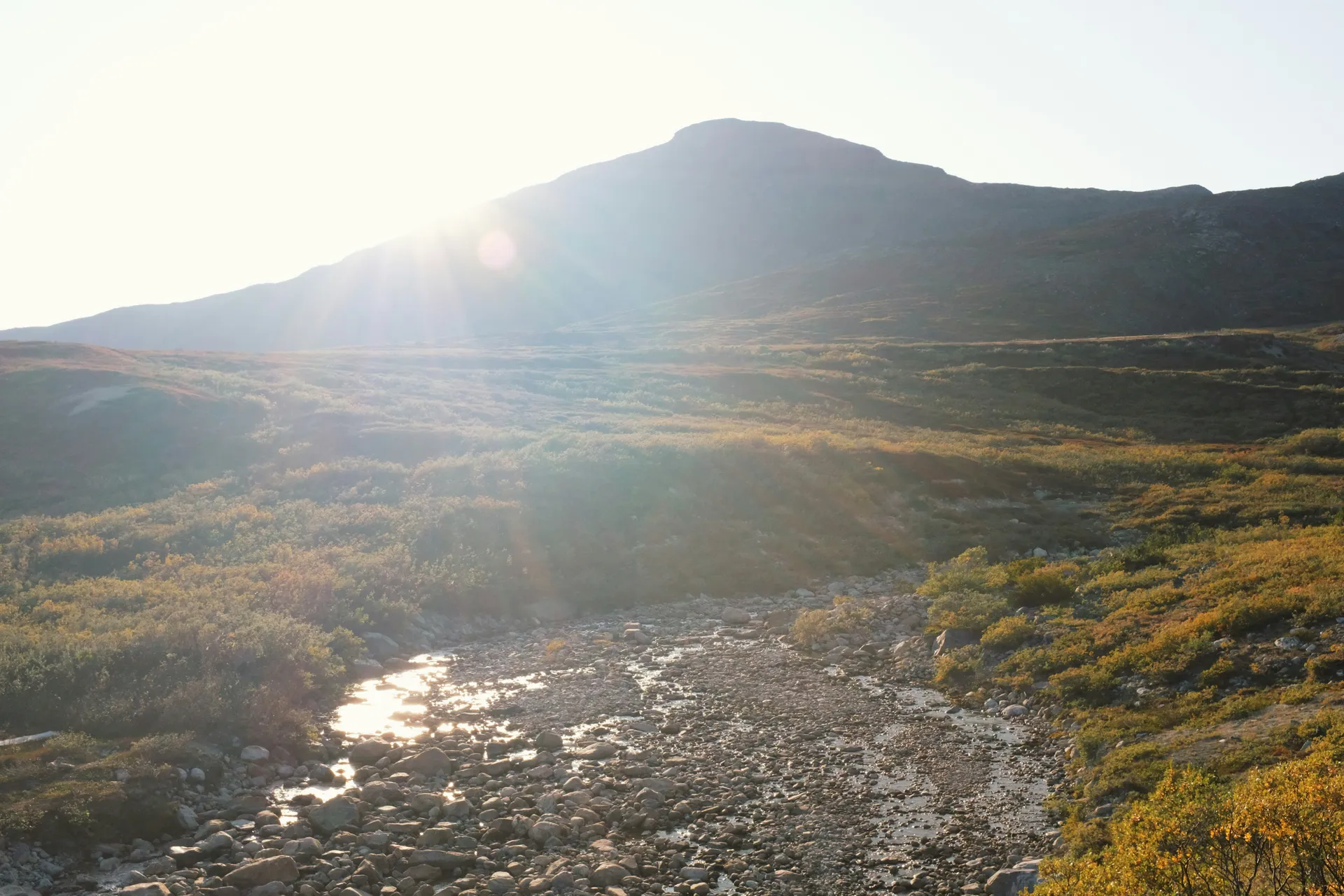
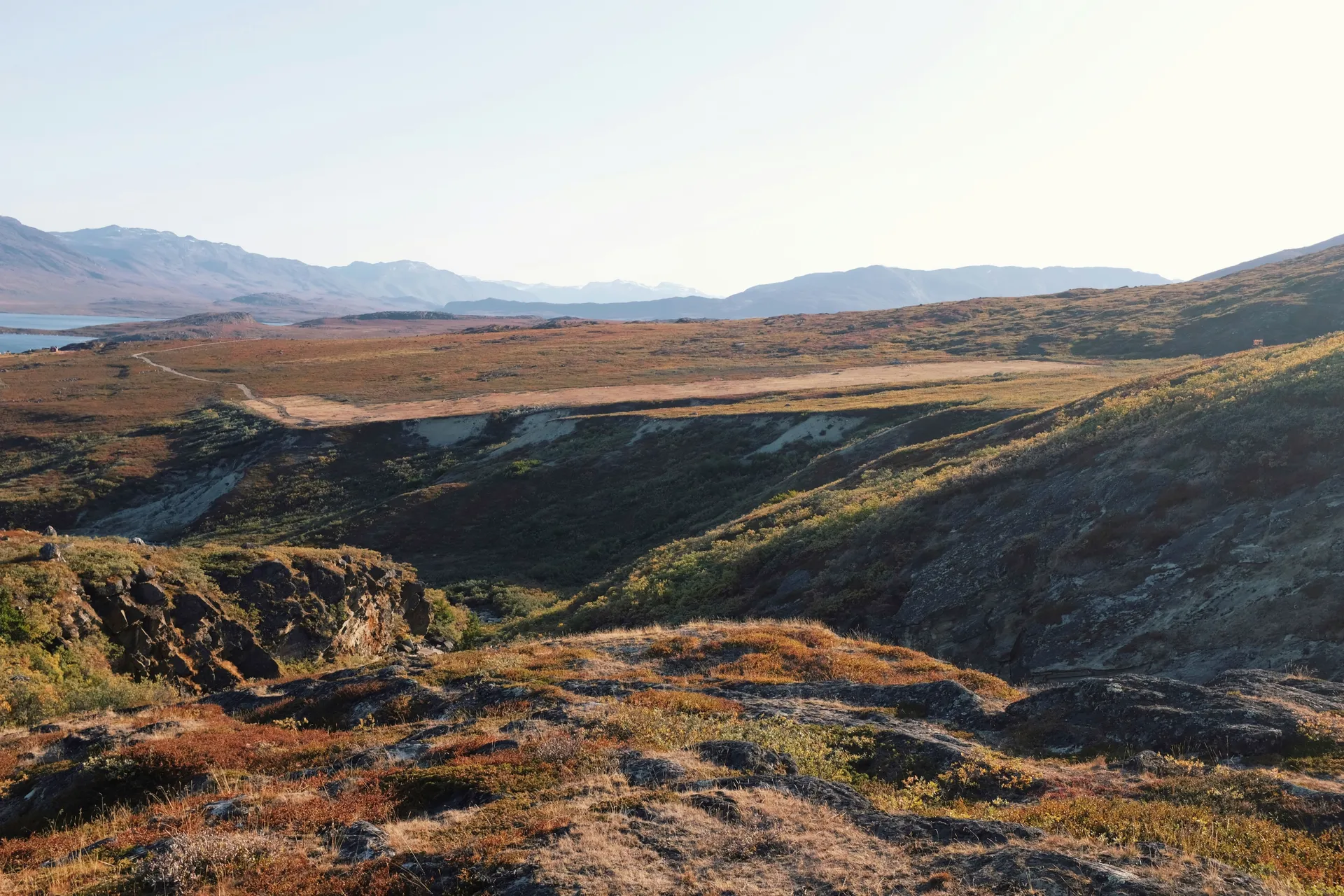
The glacial landscape surrounding Kapisillit is primordial. The Qamanaarsuup Sermia and other tidewater glaciers visible from the settlement are fingers of the Greenland Ice Sheet — the second-largest body of ice on Earth, containing 10 percent of the planet's total freshwater. The crack and boom of calving ice echoes across the fjord at unpredictable intervals, sending turquoise fragments tumbling into the sea in a spectacle that is simultaneously beautiful and unsettling in its reminder of accelerating Arctic ice loss. Hiking trails climb through tundra carpeted in Arctic willow, blueberry, and the ubiquitous crowberry to viewpoints overlooking the ice cap — a white horizon that stretches inland to the vanishing point.
Kapisillit is visited by HX Expeditions and Viking on Greenland expedition itineraries, with passengers arriving by Zodiac from ships anchored in the fjord. The visiting season is brief — July through September — when the fjord is navigable and the tundra is in its brief summer bloom. August offers the warmest temperatures, the best Arctic char fishing, and the clearest conditions for viewing the glacier fronts that give this tiny settlement its magnificent, if humbling, backdrop.