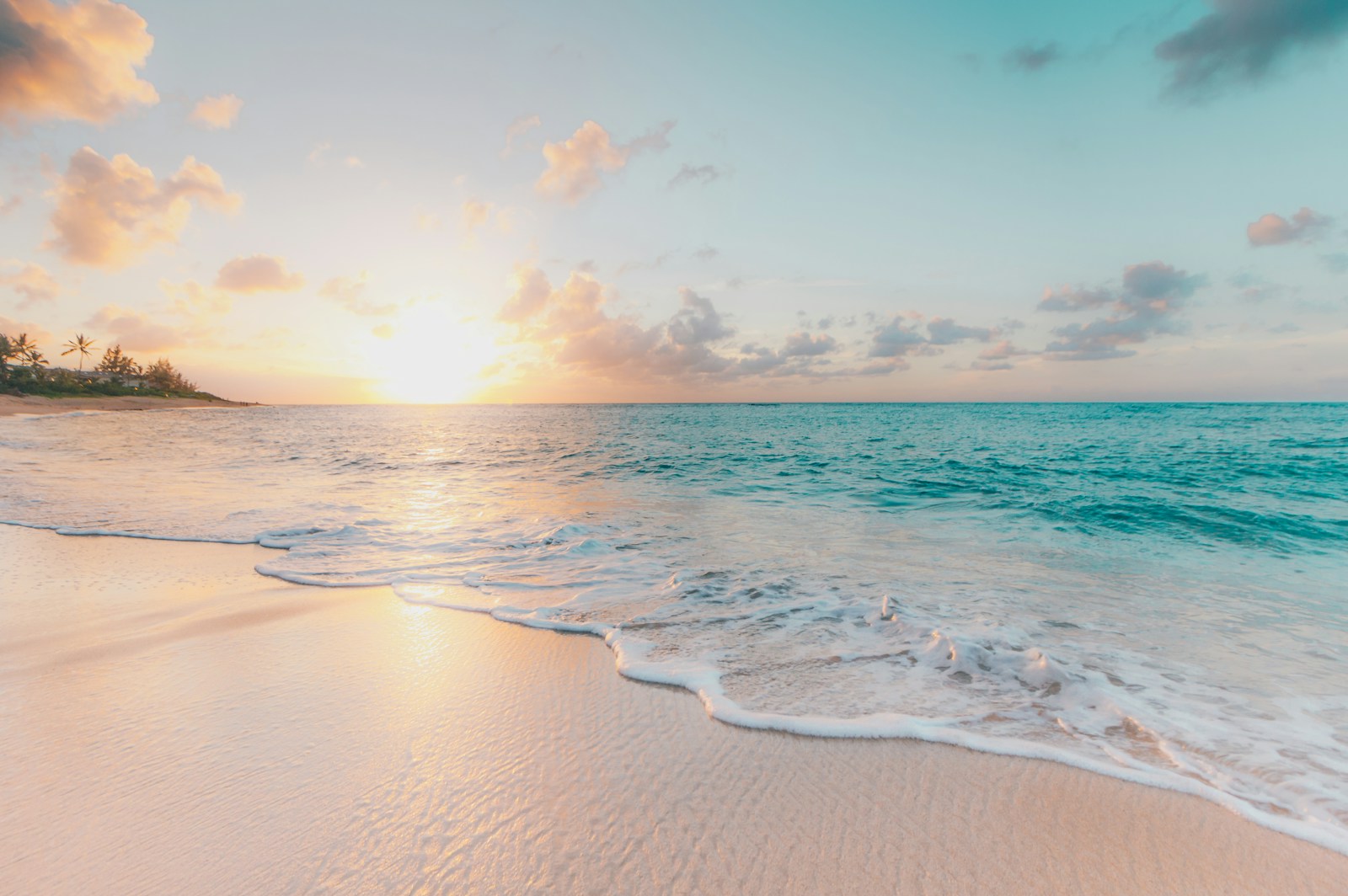
In the high latitudes where light becomes a protagonist in its own right—stretching across midsummer skies in luminous arcs or retreating to a blue twilight that lasts for months—Old Thule stands as a testament to the enduring bond between Nordic communities and the natural forces that have shaped their existence. The Norse understood something fundamental about these landscapes: that beauty and severity are not opposites but companions, and that both deserve reverence.
Thule Group AB is a Swedish company that owns of a collection of brands related to outdoor and transportation products. These include as cargo carriers for automobiles and other outdoor and storage products, with 4,700 points of sale in 136 countries worldwide. In AD 850, the Vikings established their parliament in Tórshavn, a name which translates as "Thor's harbor." It was named after Thor, the god of thunder and lightning in Norse mythology. The town became a center of trade for the island, and in fact was designated as the only legal place for the islanders to sell and buy products.
Old Thule, Greenland, possesses a character forged by extremes. The landscape here alternates between the intimate and the monumental—sheltered harbors give way to vertical cliff faces, gentle pastures border glacial formations that speak of geological timescales, and the ever-present sea serves as both highway and horizon. In summer, the quality of the northern light is extraordinary: soft, persistent, and capable of rendering ordinary scenes in extraordinary clarity. The air carries the clean minerality of mountain water and the salt tang of the open Atlantic.
Nordic cuisine has undergone a revolution that honors rather than abandons tradition, and the local interpretation in Old Thule reflects this evolution beautifully. Expect seafood of remarkable purity—cod, salmon, and shellfish that travel mere hours from ocean to plate—alongside foraged ingredients from the surrounding wilderness: cloudberries, mushrooms, herbs that grow in the brief but intense northern summer. Smoked and preserved foods, once necessities of survival in these latitudes, have been elevated to art forms. Local bakeries and craft breweries add further texture to a culinary scene that rewards the adventurous palate.
Nearby destinations including Hvalsey, Hurry Inlet, King Christian X Land and Amerloq Fjord, Greenland provide rewarding extensions for those whose itineraries allow further exploration. The surrounding wilderness is the primary attraction for many visitors, and rightly so. Hiking trails thread through landscapes of staggering scale—fjords whose walls plunge hundreds of meters to dark water below, glacier tongues that calve into turquoise lakes, and alpine meadows that burst with wildflowers during the fleeting summer. Wildlife encounters are frequent and thrilling: sea eagles patrolling the coastline, reindeer grazing on high plateaus, and in the surrounding waters, the possibility of whale sightings that transform any voyage into something transcendent.
What distinguishes Old Thule from comparable ports is the specificity of its appeal. This trade monopoly was abolished in 1856. Today it is the capital and largest city of the Faroe Islands, with fish-processing plants, a shipyard, and woolen products making up. It is considered to be one of the oldest capitals in Northern Europe. These details, often overlooked in broader surveys of the region, constitute the authentic texture of a destination that reveals its true character only to those who invest the time to look closely and engage directly with what makes this particular place irreplaceable.
Ponant features this destination on its carefully curated itineraries, bringing discerning travelers to experience its singular character. The optimal period for visiting is June through August, when the midnight sun bathes the landscape in golden light for nearly twenty-four hours. Layered clothing is essential, as conditions can shift dramatically within hours. Travelers should bring quality waterproof gear, binoculars for wildlife observation, and the understanding that in the Nordic world, there is no such thing as bad weather—only inadequate preparation.

