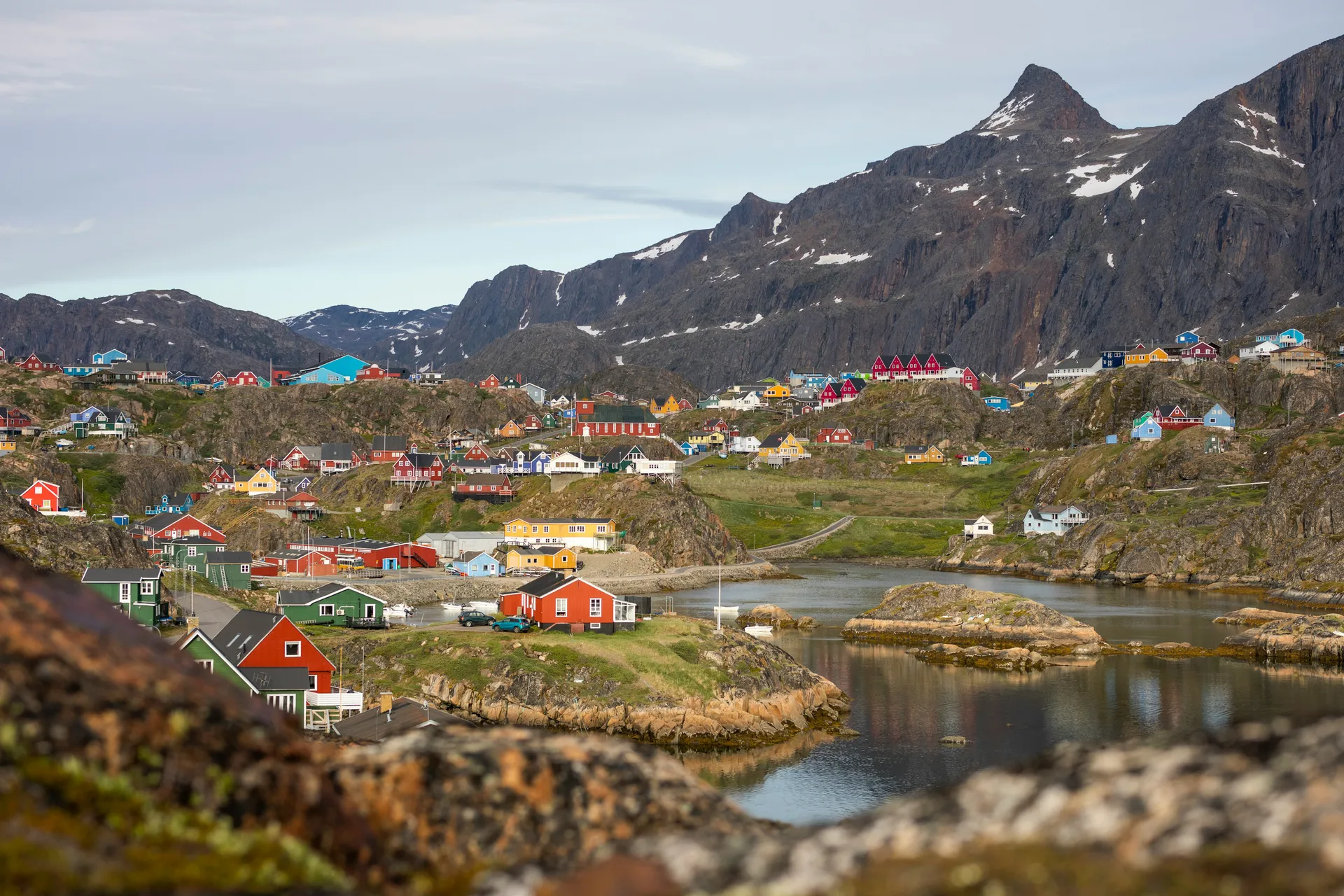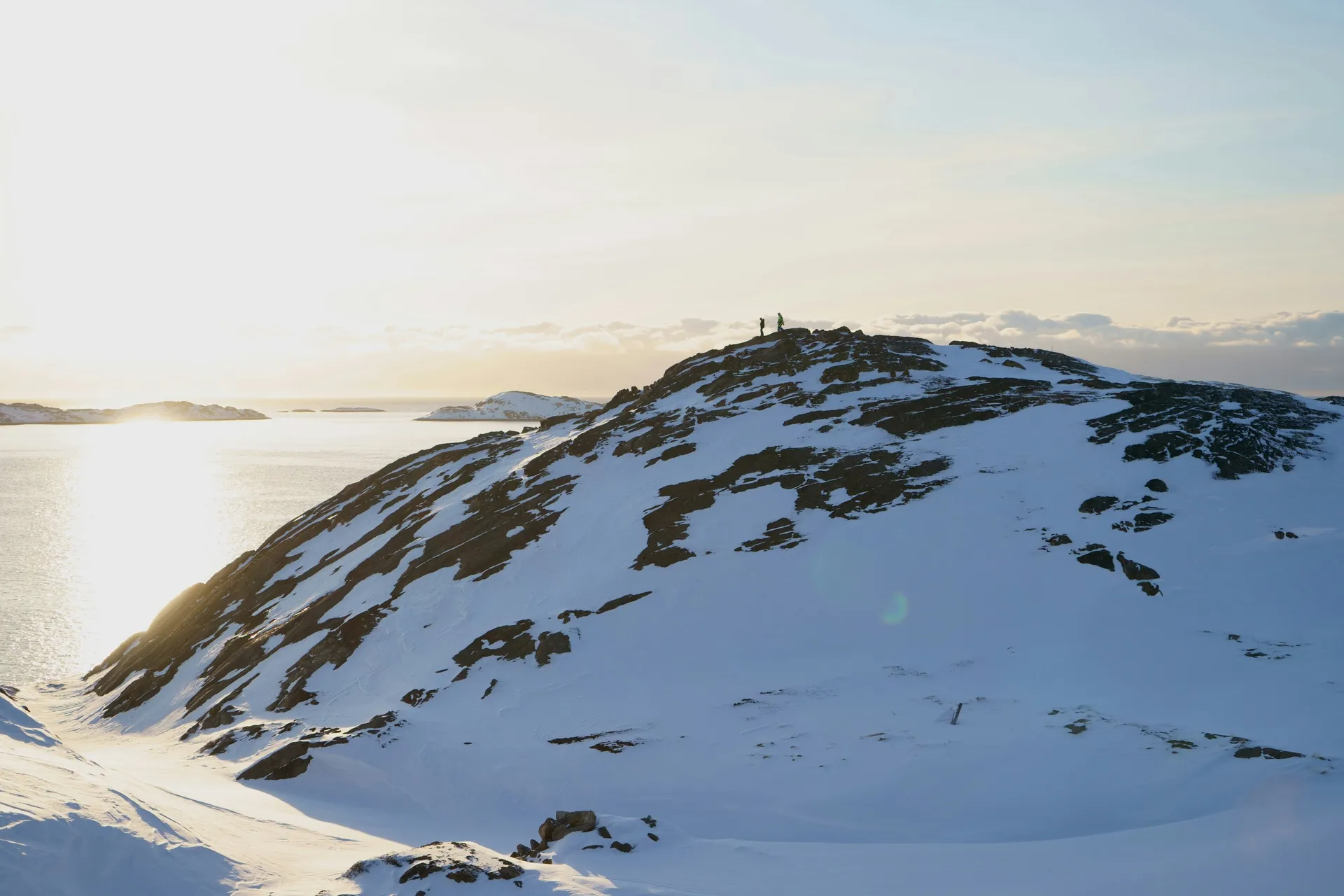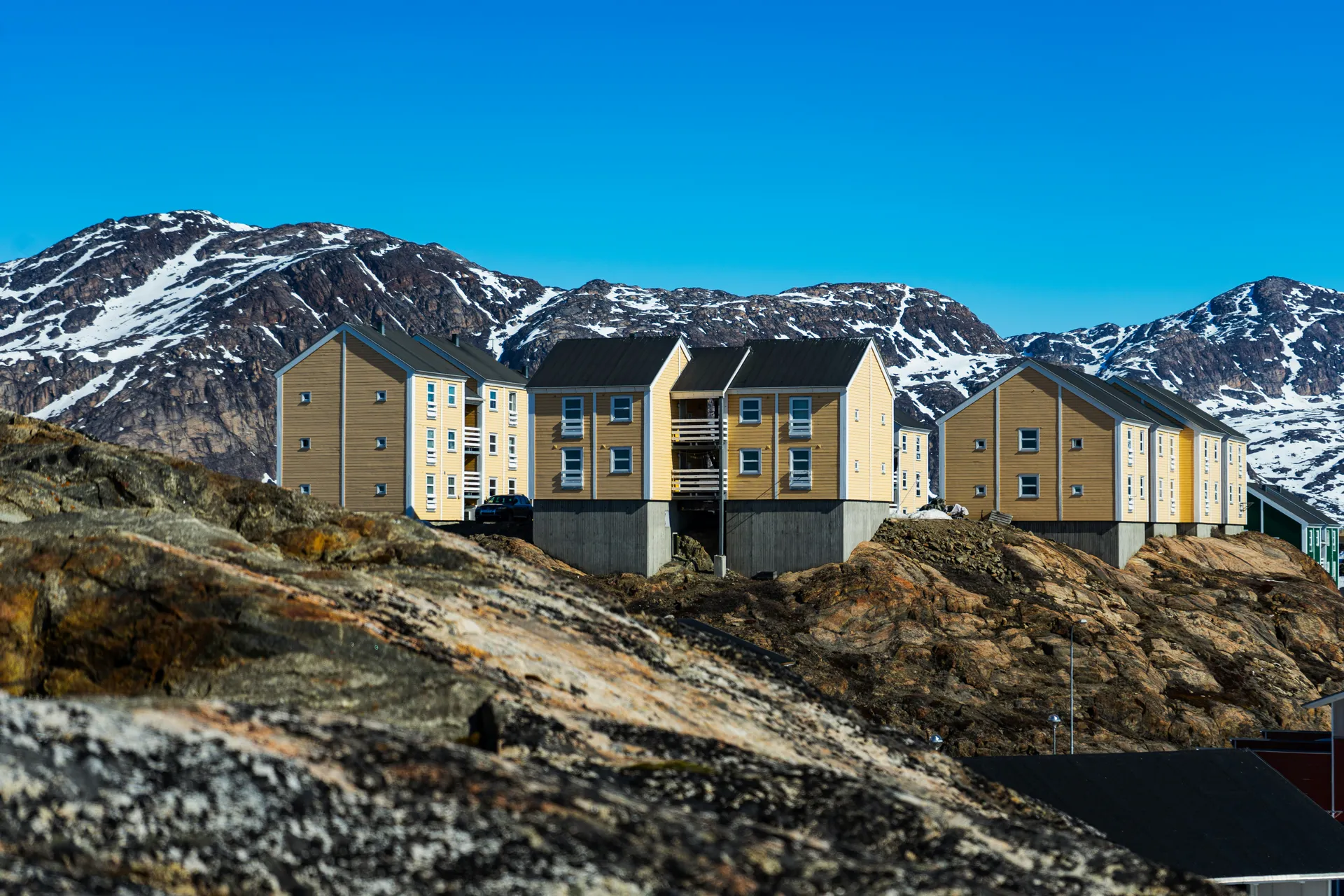
Sisimiut is Greenland's second-largest town and, by the standards of the Arctic, a metropolis — home to some 5,500 people who inhabit a settlement of colourful wooden houses scattered across a rocky peninsula on Greenland's west coast, just north of the Arctic Circle. The town is the de facto adventure capital of Greenland, a base for Arctic hiking, dog-sledding, backcountry skiing, and whale watching that draws a growing number of travellers seeking experiences beyond the reach of conventional tourism. In summer, the midnight sun bathes the town in a perpetual golden glow; in winter, the northern lights dance above snow-covered mountains and a frozen Davis Strait.
Sisimiut's history as a human settlement stretches back over 4,500 years — archaeological sites around the town have yielded evidence of Saqqaq, Dorset, and Thule cultures, the pre-Inuit peoples who somehow thrived in this unforgiving environment. The modern town dates to the 1756 establishment of a Danish colonial trading post, and the old colonial quarter — a cluster of brightly painted wooden buildings including the Blue Church (1775) and the colony manager's residence — has been preserved as a museum complex that tells the story of Danish-Greenlandic relations and the Inuit way of life. The Sisimiut Museum, one of Greenland's finest, displays kayaks, hunting tools, traditional clothing, and the remarkable artwork that emerged from the collision of European and Inuit cultures.
The culinary traditions of western Greenland are rooted in the sea and the land's sparse offerings. Seal, whale, musk ox, and caribou are the traditional proteins, prepared in ways that have sustained Arctic peoples for millennia. Mattak — raw narwhal or beluga whale skin with a layer of blubber — is a traditional delicacy that provides essential vitamins in a land where vegetables are scarce. Modern Sisimiut's restaurants increasingly blend traditional ingredients with contemporary technique: musk ox carpaccio, smoked Arctic char, and desserts featuring the cloudberries and blueberries that carpet the tundra in late summer. The coffee culture, introduced by Danish colonists, is deeply embedded in Greenlandic social life — kaffemik, an open-house tradition where guests are welcomed with coffee and cake, is the cornerstone of community gathering.
The natural environment around Sisimiut is Arctic wilderness at its most accessible. The Arctic Circle Trail, a 160-kilometre trek between Sisimiut and Kangerlussuaq, is one of the world's great long-distance hiking routes, traversing tundra, river crossings, and mountain passes through a landscape inhabited by musk oxen, Arctic foxes, and eagles. In winter, dog-sledding across the frozen fjords and backcountry skiing in the mountains offer immersive Arctic experiences. The waters off Sisimiut are home to humpback whales, fin whales, and the occasional narwhal, and boat excursions offer close encounters with these magnificent creatures against a backdrop of icebergs and glacier-carved fjords.
Sisimiut is a port of call for AIDA, Aurora Expeditions, Crystal Cruises, Ponant, Quark Expeditions, and Seabourn on their Arctic and Greenland expedition itineraries. Ships typically dock at the town's harbour, from which the colourful centre, museum, and trailheads are all within walking distance. The best time to visit depends on priorities: summer (June through August) offers the midnight sun, hiking, and whale watching, while winter (February through April) brings dog-sledding, skiing, and northern lights. Sisimiut is the place where the Arctic becomes tangible — not as a remote abstraction on a map but as a living, breathing, profoundly beautiful world.