On the western coast of Guam, the largest and southernmost of the Mariana Islands, Apra Harbor is one of the most strategically important deep-water ports in the Pacific Ocean — a natural harbor protected by the Orote Peninsula that has served Spanish galleons, American naval forces, and Japanese military operations over the course of four centuries of Pacific history. For cruise passengers, Apra provides entry to an island where Chamorro culture, American military presence, and tropical Pacific beauty coexist in a combination found nowhere else.
Guam's World War II history is written across its landscape with particular intensity. The island was captured by Japan on December 10, 1941 — just hours after the attack on Pearl Harbor — and endured nearly three years of brutal occupation before American forces recaptured it in a fierce campaign in July and August 1944. The War in the Pacific National Historical Park preserves key battle sites, including the landing beaches at Asan and Agat, with interpretive trails and memorials that document both the military campaign and the suffering of the Chamorro civilian population under Japanese occupation. The underwater wrecks in Apra Harbor — including the SMS Cormoran, a German World War I vessel, and the Tokai Maru, a Japanese freighter, lying almost touching each other — create one of the Pacific's most unique diving sites.
The Chamorro people, the indigenous inhabitants of the Mariana Islands, have maintained a cultural identity that blends Austronesian, Spanish, and American influences over five centuries of colonial contact. The Chamorro Village in Hagåtña (the capital, historically known as Agana) comes alive on Wednesday evening markets with traditional food, live music, and cultural demonstrations. Chamorro cuisine — a distinctive fusion of Pacific, Spanish, and American influences — features dishes like kelaguen (grilled meat or seafood chopped with lemon, onion, and hot pepper), red rice (colored with achiote seeds), and the ubiquitous finadene sauce that accompanies nearly every meal.
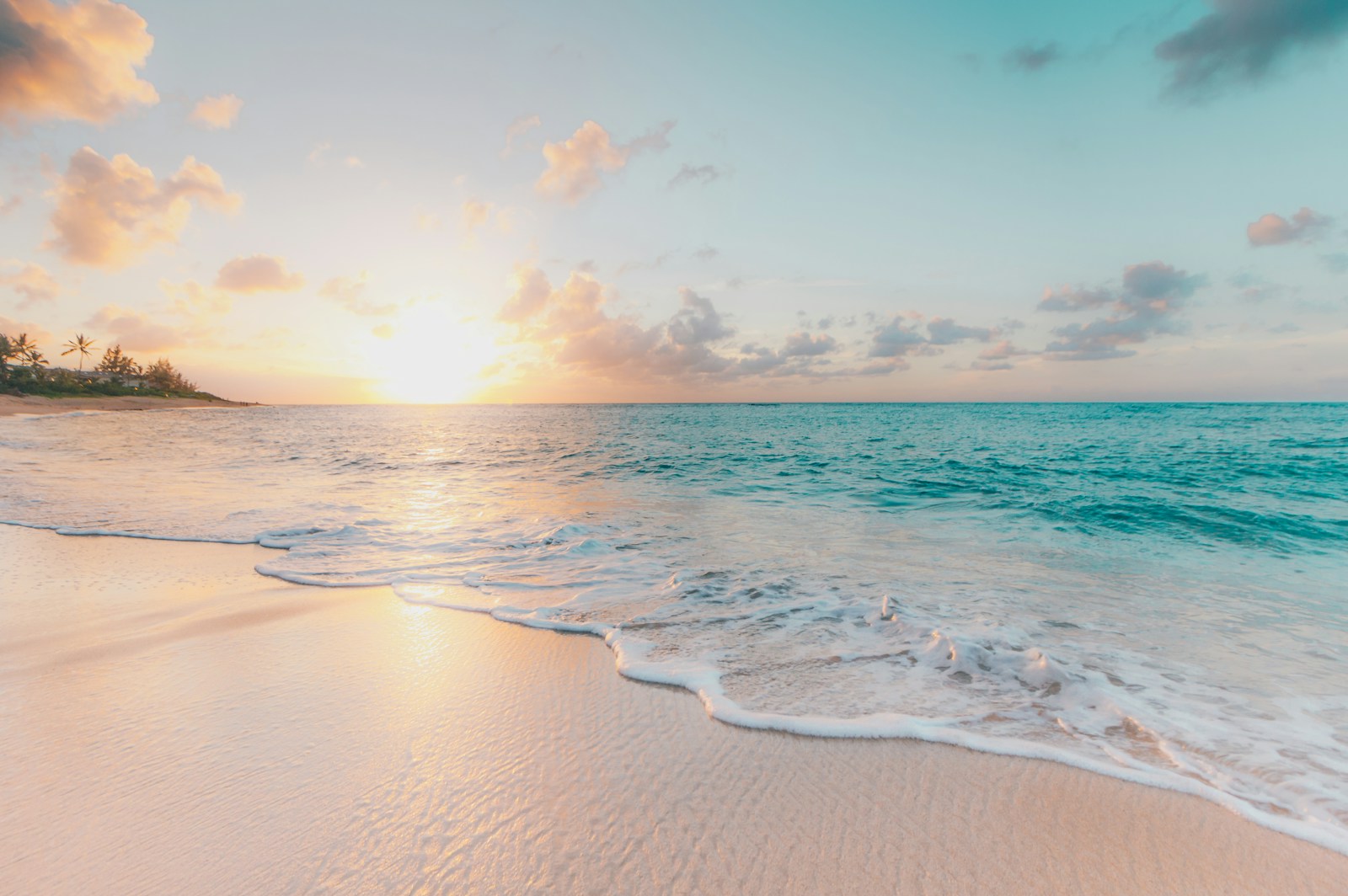
Guam's natural attractions complement its historical and cultural offerings. Two Lovers Point (Puntan Dos Amantes), a cliff-top overlook above the Philippine Sea, provides panoramic views and a romantic Chamorro legend. The Talofofo Falls, reached through a tropical valley, offer a refreshing natural escape. The island's western beaches — Tumon Bay in particular — provide the white sand and clear turquoise water that define the Pacific island experience, with excellent snorkeling over coral reefs directly accessible from shore.
Cruise ships dock at Apra Harbor's modern commercial port, from where organized excursions and taxis provide access to the island's attractions. Guam's compact size — roughly fifty kilometers long and twelve kilometers wide — makes it possible to experience the island's highlights in a single day. The tropical climate is warm year-round (27-32°C), with a dry season from January through June and a wet season from July through December. The dry season months offer the most comfortable conditions, though the island's beauty is constant regardless of season.

