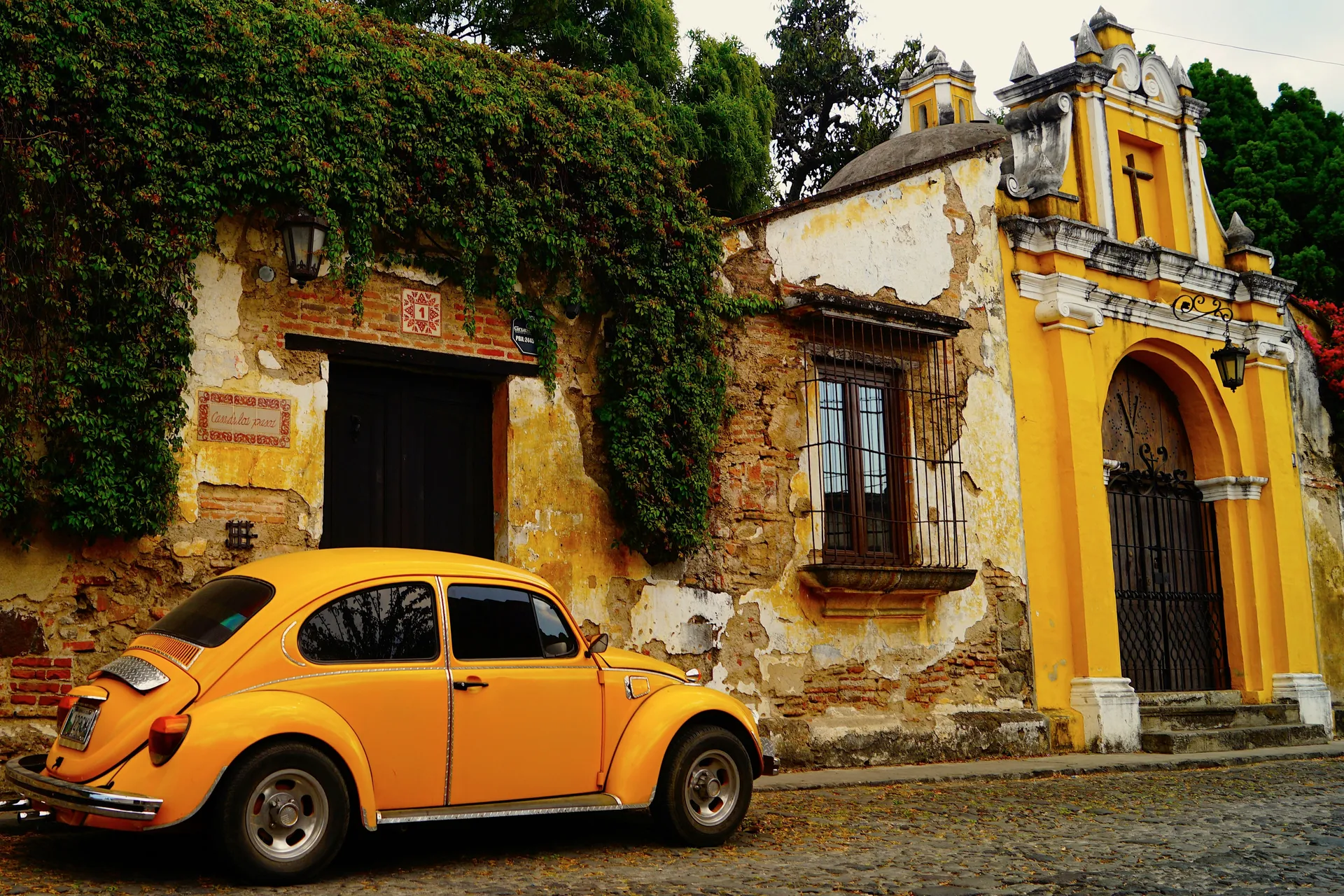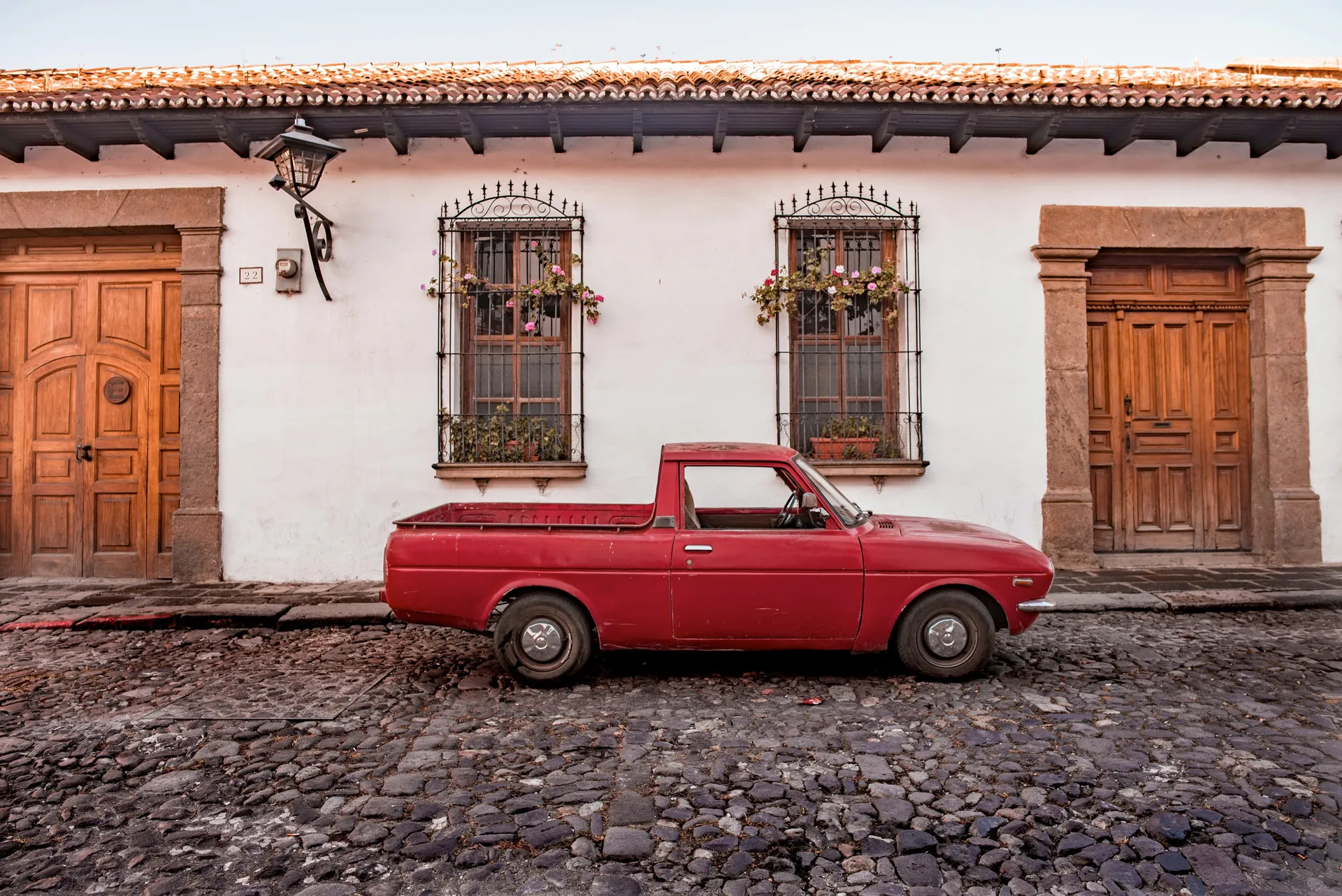
Antigua Guatemala — not to be confused with the Caribbean island of Antigua — is a colonial city of such architectural beauty and such violent geological history that it seems simultaneously blessed and cursed by its location in the volcanic highlands of central Guatemala. Founded in 1543 as the capital of the Captaincy General of Guatemala (which governed most of Central America), the city was repeatedly devastated by earthquakes — the Santa Marta earthquakes of 1773 finally convinced the Spanish authorities to relocate the capital to Guatemala City. What they left behind was a time capsule of colonial architecture: convents, churches, palaces, and plazas built in a distinctive fusion of Spanish Renaissance and Baroque styles, their earthquake-shattered ruins now stabilized and open to the sky, their roofless naves framing volcanoes in compositions that no architect could have planned.
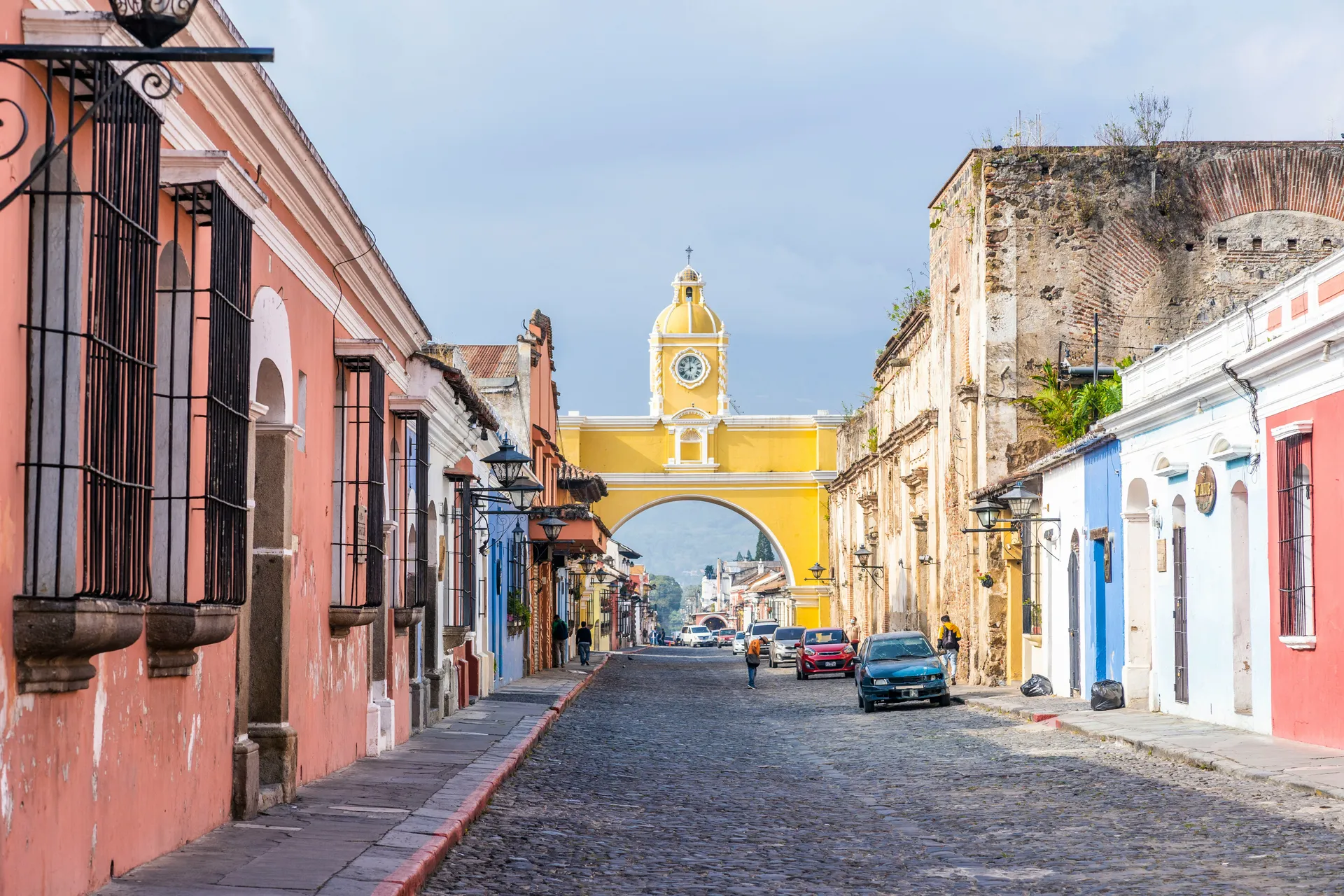
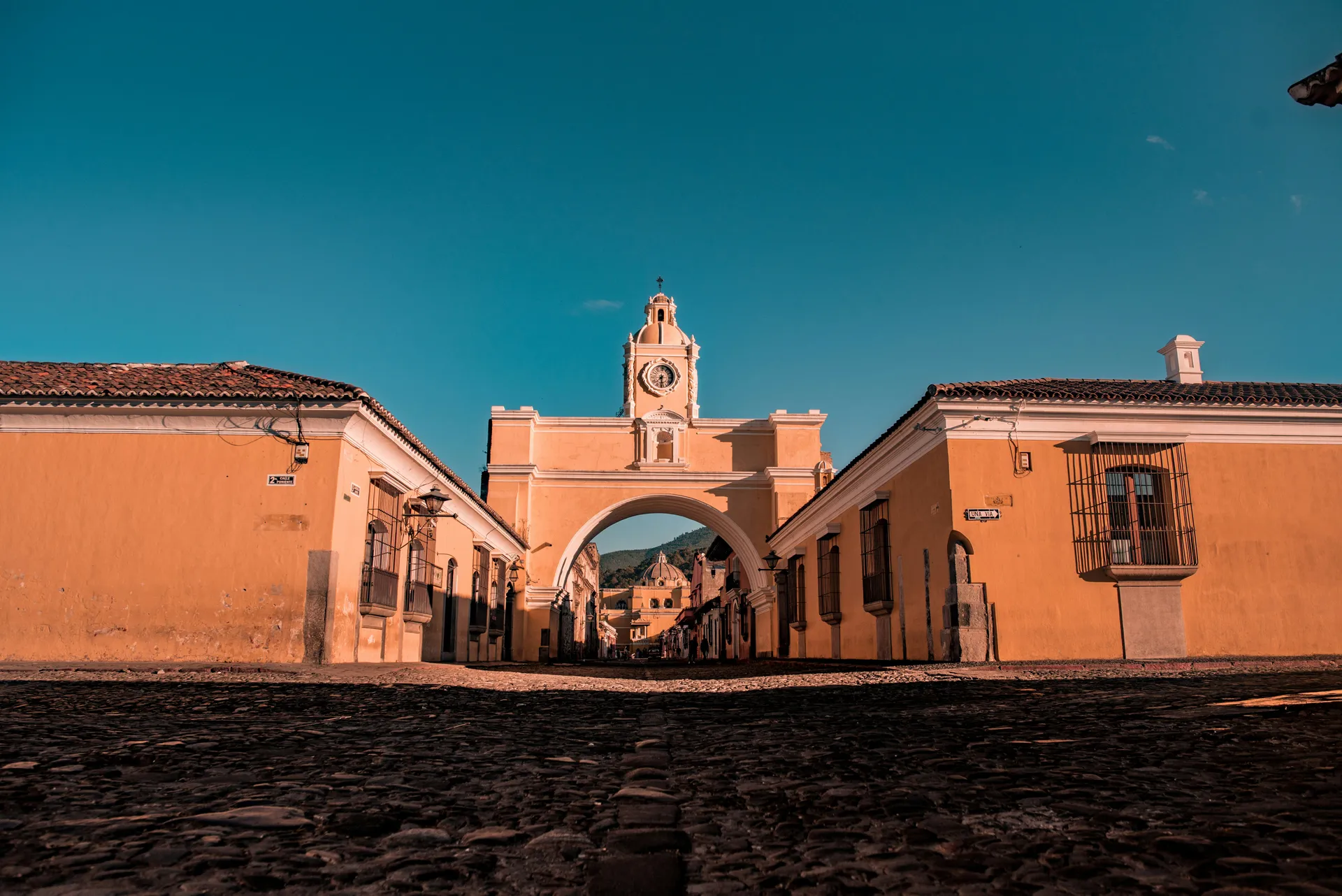
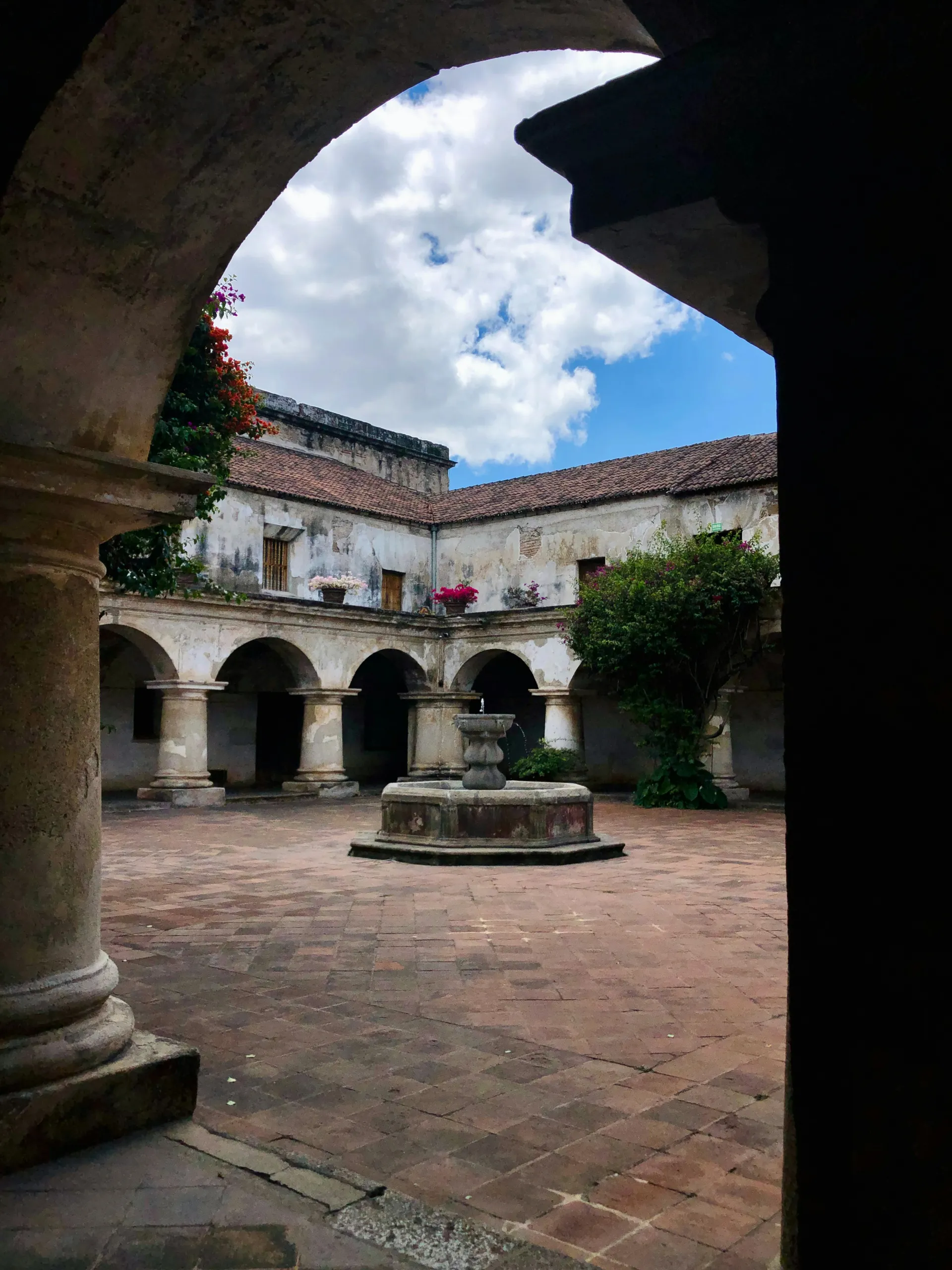
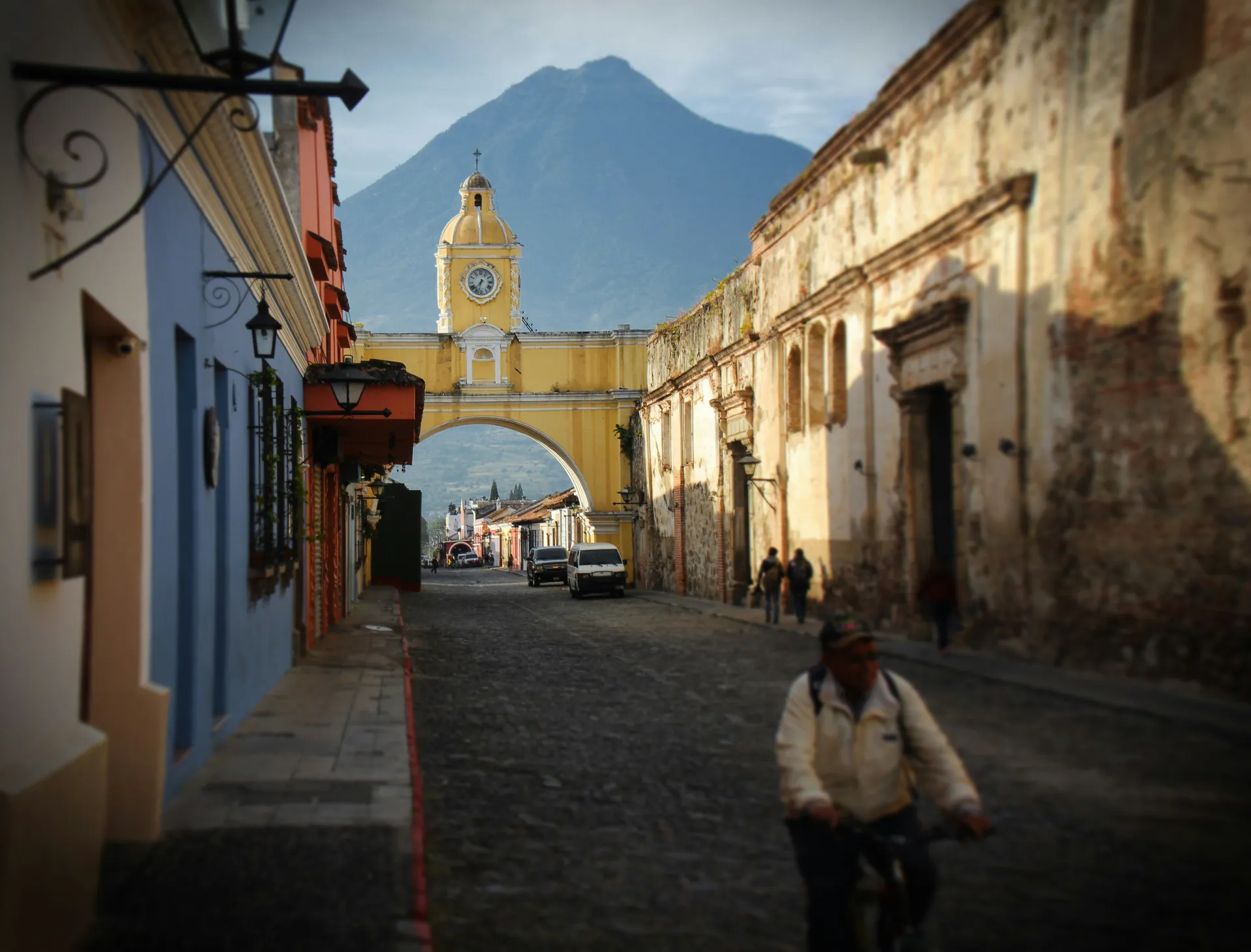
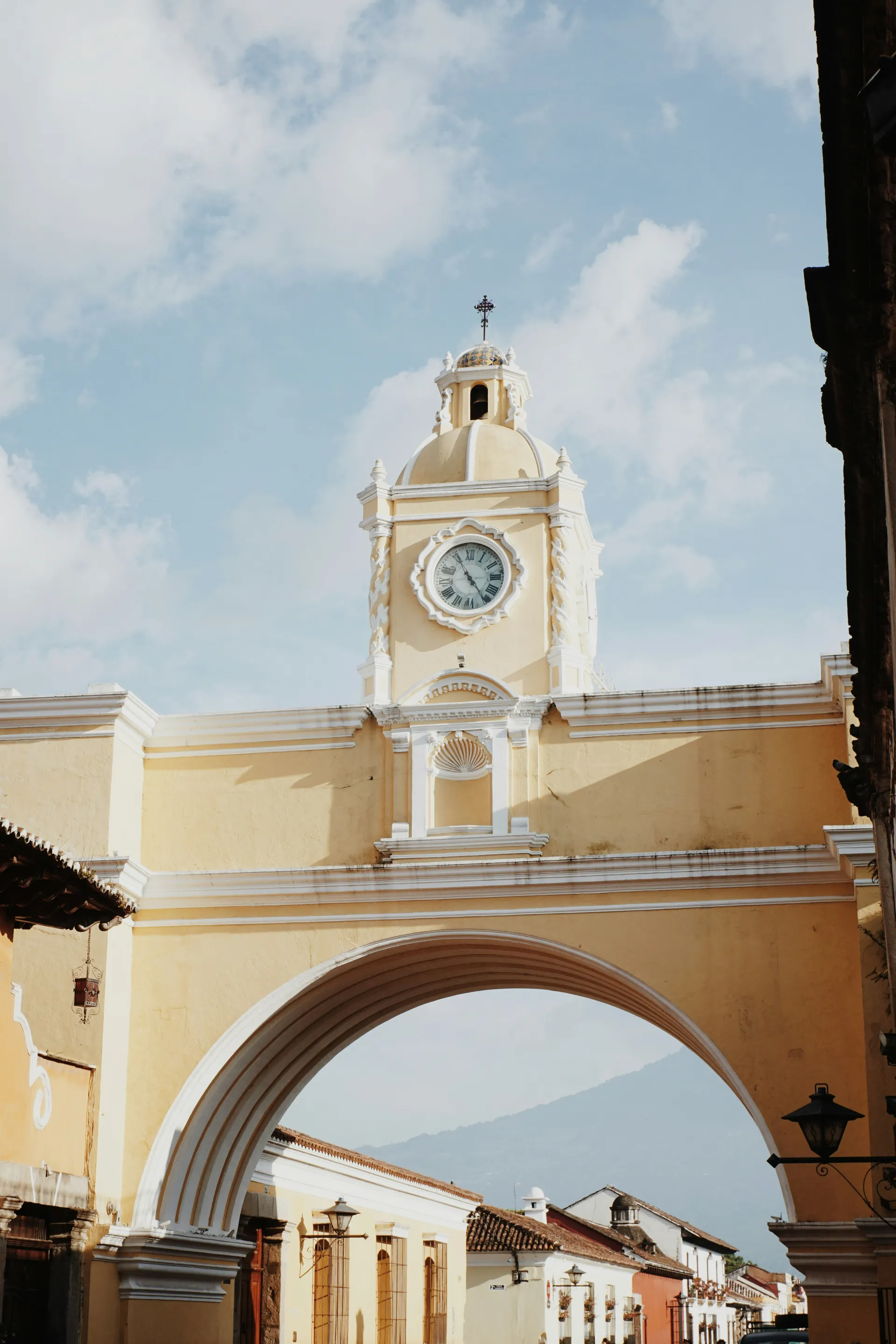
The character of Antigua is defined by its juxtapositions. The Arco de Santa Catalina — the yellow arch that spans 5a Avenida Norte and serves as the city's most recognized symbol — frames the perfect cone of Volcán de Agua at the end of the street, a composition that seems too perfectly staged to be accidental. The Parque Central, with its colonial fountain and surrounding portales (arcaded walkways), serves as the living room of a city that still functions as a vibrant community rather than an outdoor museum. The ruins of the Cathedral — once the largest in Central America, its twin bell towers still standing while the interior lies open to the rain and the bougainvillea — embody the city's peculiar aesthetic of magnificent ruin. The Convento de las Capuchinas, the Church of La Merced with its elaborate yellow stucco facade, and the ruins of San Jerónimo provide a walking circuit of colonial architecture unmatched in the Americas.
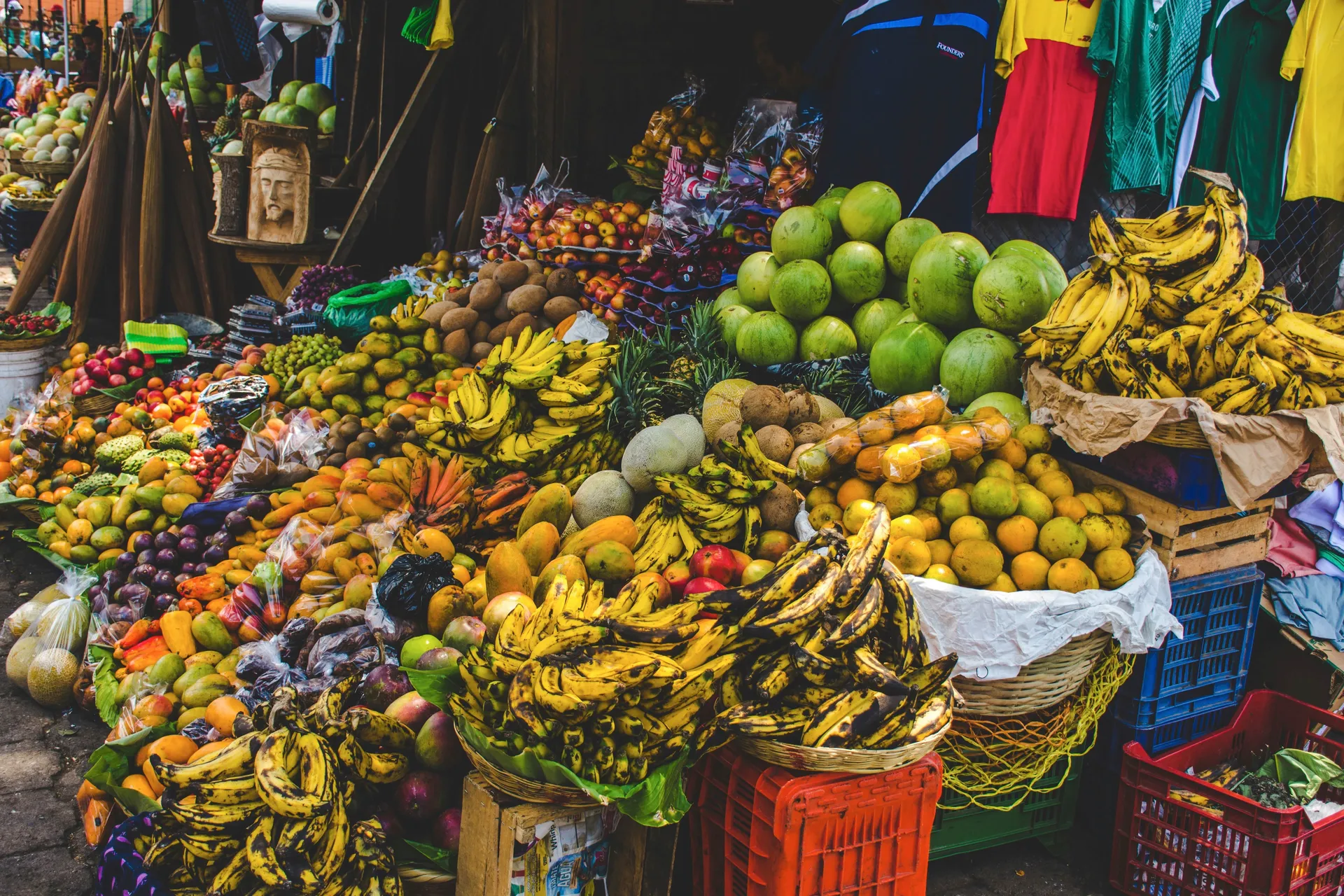
The cuisine of Antigua reflects Guatemala's position at the crossroads of Mesoamerican and Spanish culinary traditions. The city has become Central America's most sophisticated dining destination, with restaurants ranging from street-side comedores serving pepián (a rich, spiced meat stew with toasted seeds and chili that is Guatemala's national dish) to elegantly restored colonial-courtyard restaurants offering contemporary interpretations of Guatemalan cuisine. The coffee is exceptional — the volcanic soils and high-altitude microclimates of the surrounding departments (Sacatepéquez, Huehuetenango, Atitlán) produce some of the world's finest single-origin beans, and Antigua's cafés prepare them with the reverence they deserve. The Mercado Central offers a sensory immersion in Guatemalan food culture: tamales, chuchitos (miniature tamales), tostadas with guacamole, and the fresh tropical fruits — mangoes, papayas, rambutans — that pile the market stalls in chromatic abundance.
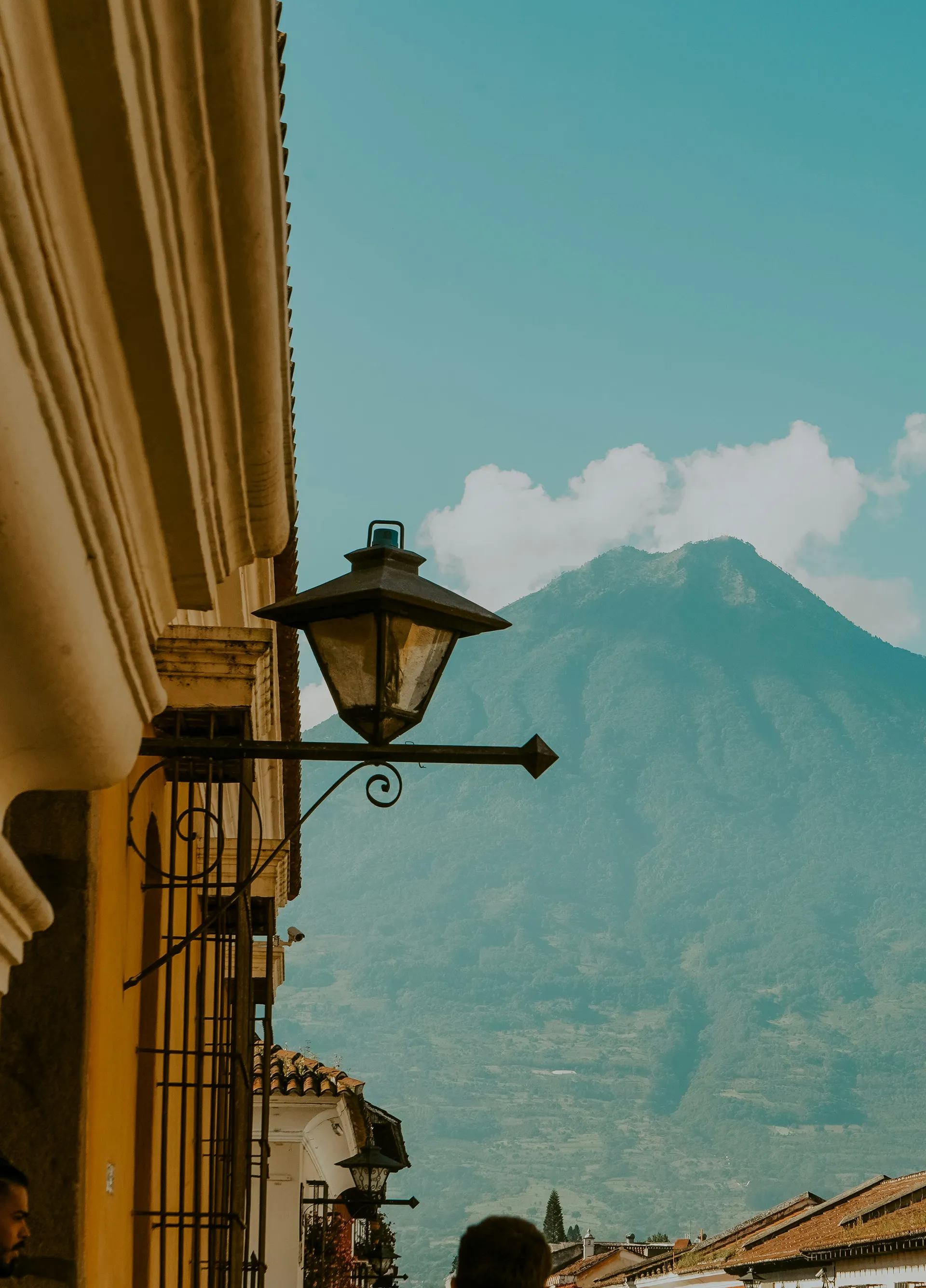
The volcanic landscape that surrounds Antigua is among the most dramatic on Earth. Three major volcanoes ring the city: Agua (3,760 meters), Fuego (3,763 meters, highly active and frequently erupting), and Acatenango (3,976 meters), whose overnight summit hike — camping at 3,700 meters to watch Fuego's nighttime eruptions from across the valley — has become one of Central America's most celebrated adventure experiences. Lake Atitlán, described by Aldous Huxley as the most beautiful lake in the world, lies ninety minutes to the west — a volcanic caldera lake surrounded by Maya villages and the cone-shaped volcanoes of Atitlán, Tolimán, and San Pedro. The traditional markets of Chichicastenango (two hours north), where the Quiché Maya trade textiles, pottery, and religious artifacts in a spectacle of color and commerce, provide one of the most vivid cultural experiences in the Americas.
Antigua Guatemala is forty-five minutes from Guatemala City's La Aurora International Airport, which receives flights from across the Americas and connects through hubs like Miami, Houston, and Mexico City. Cruise passengers arriving at Puerto Quetzal on the Pacific coast can reach Antigua in approximately ninety minutes. The climate is described as "eternal spring" — warm days and cool nights year-round at the city's 1,530-meter elevation. The dry season (November–April) offers the clearest skies and best volcano visibility, while the wet season (May–October) brings afternoon thunderstorms that clear quickly and keep the surrounding countryside lush and green.