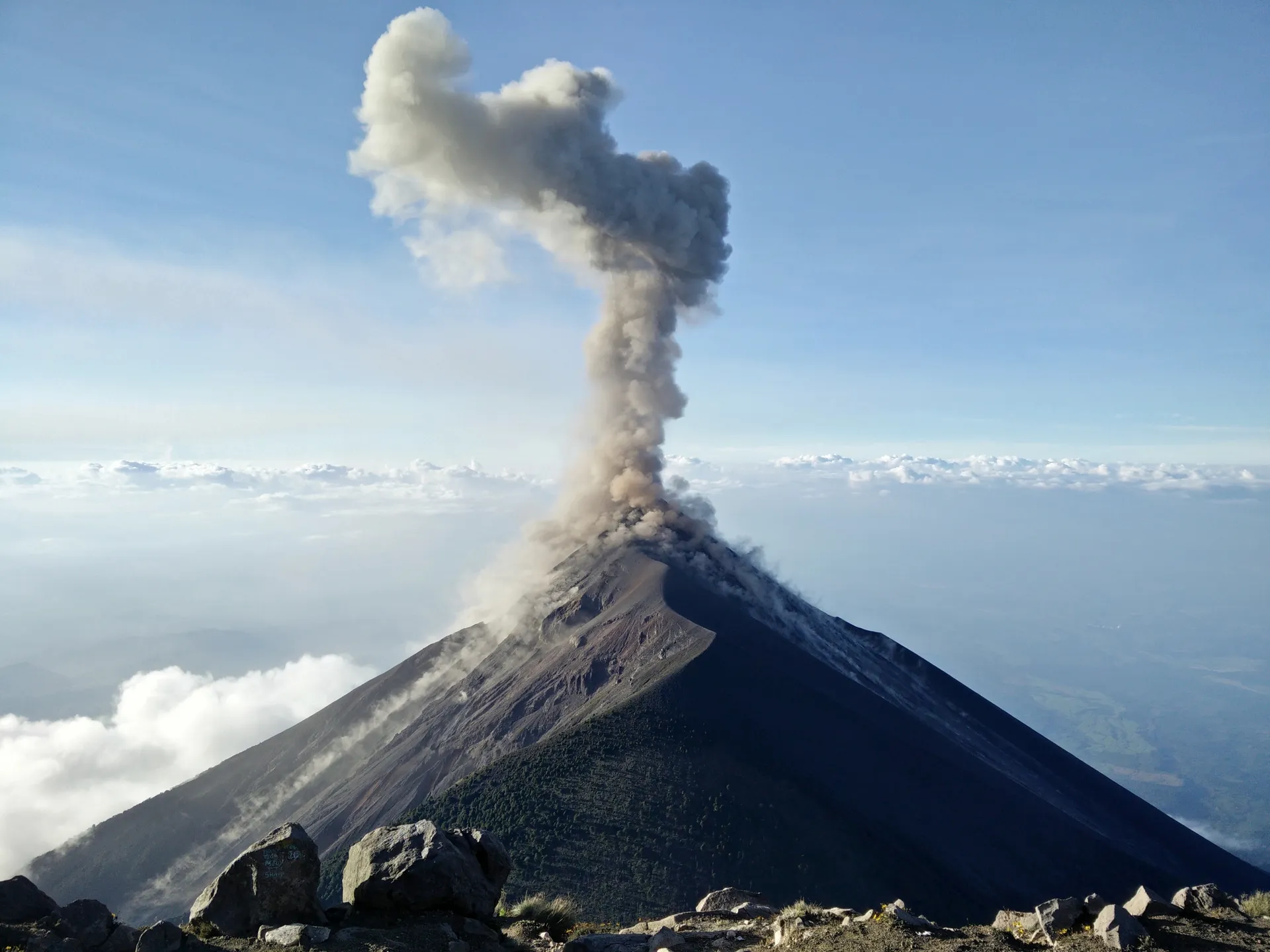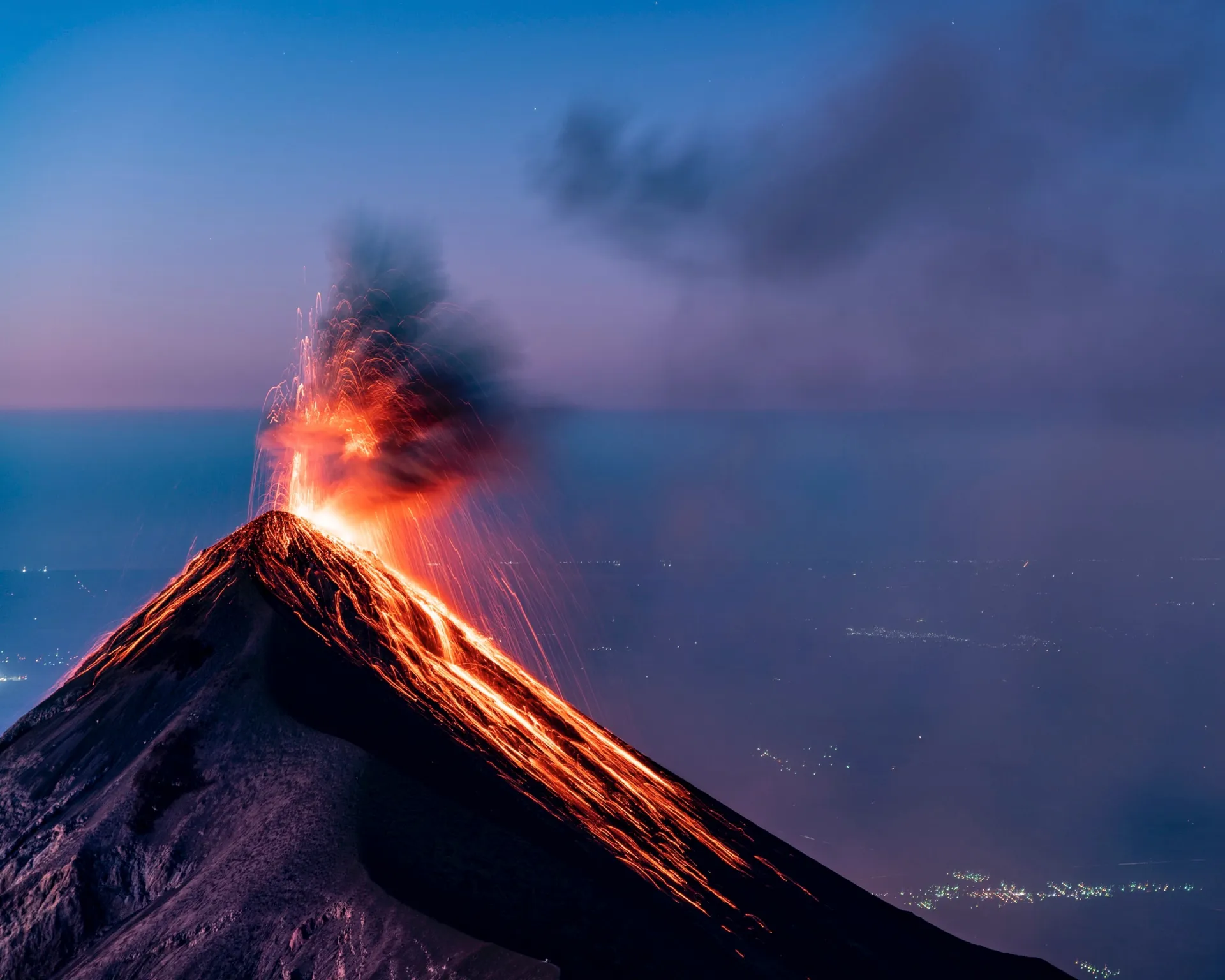
Guatemala takes its name from the quetzal — the resplendent, emerald-plumed bird that the ancient Maya considered divine — and Puerto Quetzal, the country's principal Pacific port, serves as the threshold to a land where that ancient reverence for nature and myth still pulses beneath the surface of modern life. The port itself is industrial and functional, a gateway rather than a destination, but what lies beyond its gates is nothing short of extraordinary: a country of towering volcanoes, highland lakes of impossible blue, colonial cities frozen in amber, and the ruins of one of the Western Hemisphere's greatest civilizations.
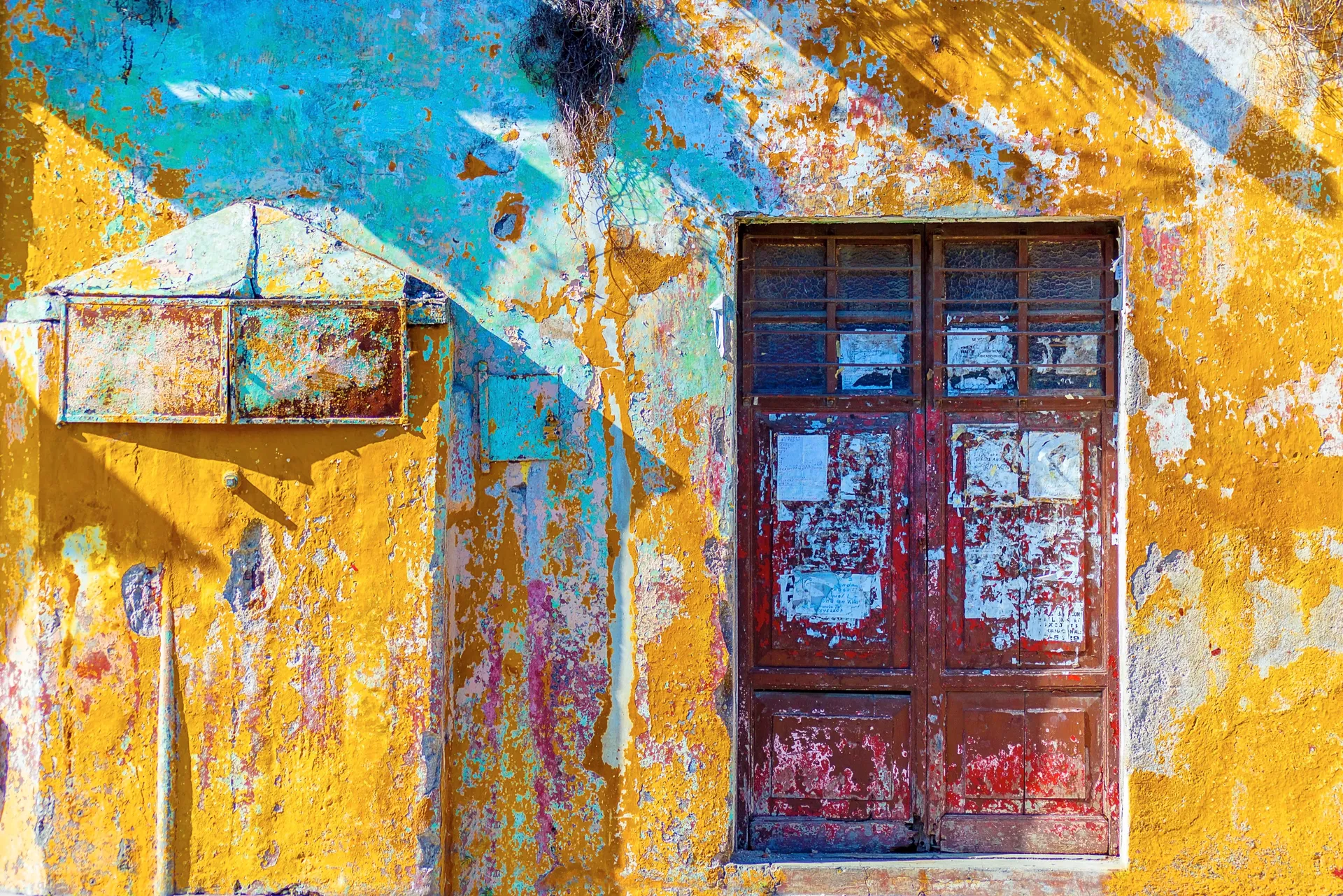
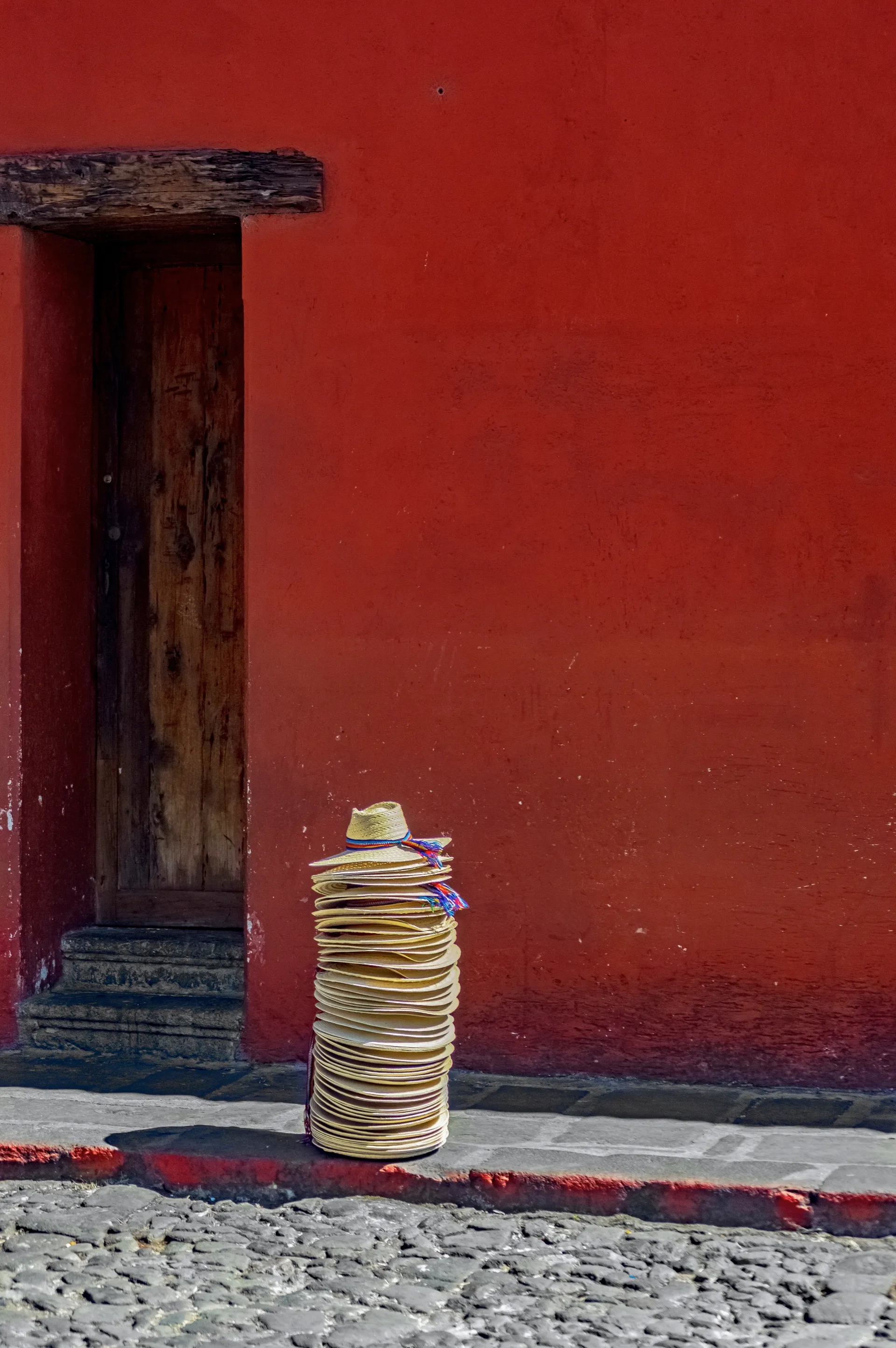
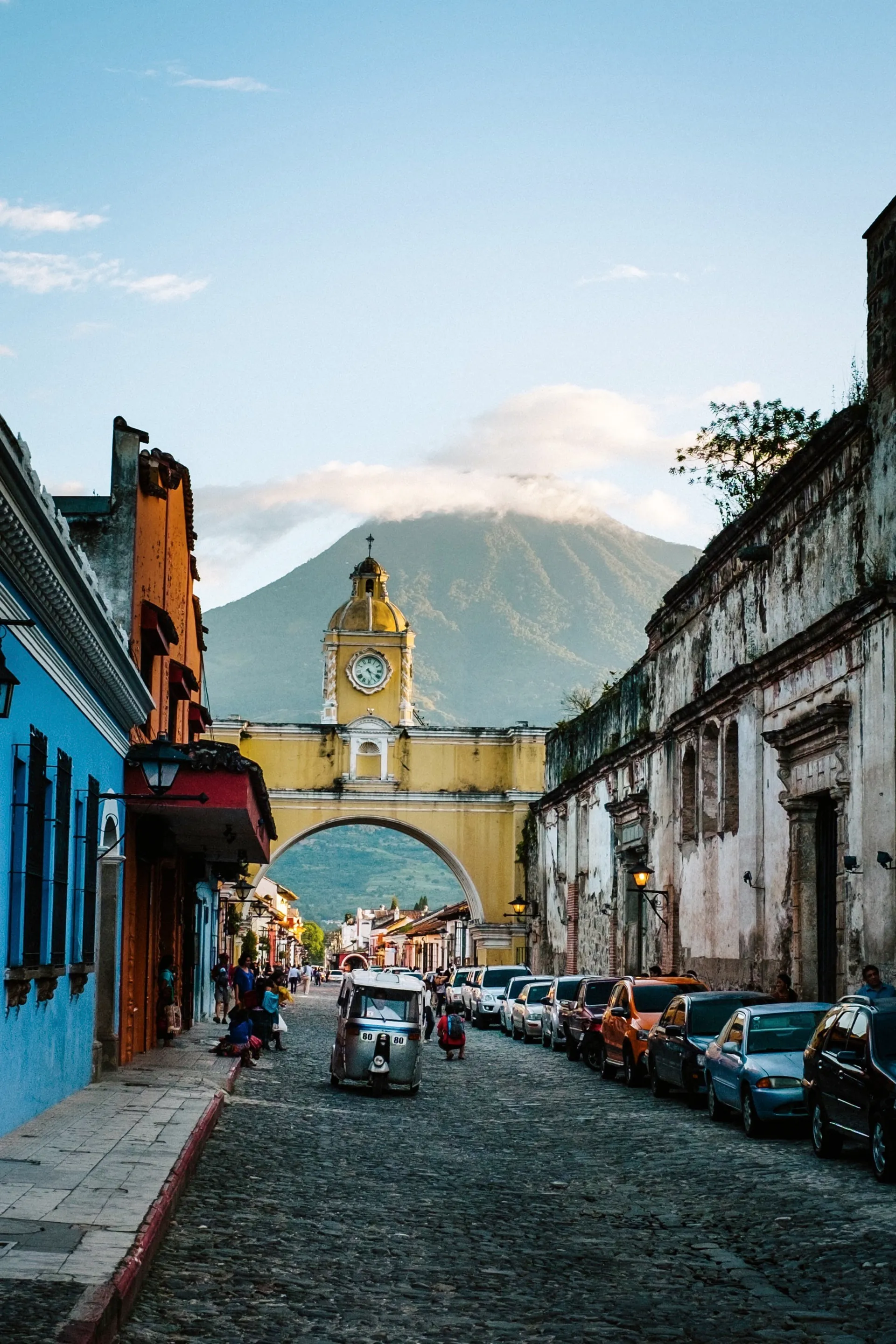
The most popular excursion from Puerto Quetzal leads to Antigua Guatemala, a UNESCO World Heritage city nestled in a valley between three volcanoes. Founded in the sixteenth century as the capital of Spain's Central American empire, Antigua was devastated by earthquakes in 1773 and never fully rebuilt — a seismic tragedy that inadvertently preserved one of the finest collections of Spanish colonial architecture in the Americas. Today, cobblestoned streets lead past mustard-yellow church facades, bougainvillea-draped courtyards, and the photogenic ruins of convents whose roofless naves frame views of Volcán Agua. The city's café culture is fueled by some of the world's finest coffee, grown on the volcanic slopes above town.
Guatemala's culinary traditions run deep, rooted in Maya heritage and refined by centuries of Spanish, African, and Caribbean influence. In Antigua's central market, vendors sell pepián — a rich, slow-simmered stew of chicken, ground pumpkin seeds, and dried chilies that is Guatemala's national dish. Street-side grills turn out churrasco with curtido and handmade corn tortillas so thick and fragrant they barely need accompaniment. Highland chocolate, made from Guatemalan cacao using traditional stone-grinding methods, has earned international recognition, and a growing number of bean-to-bar producers offer tastings in Antigua's converted colonial workshops.
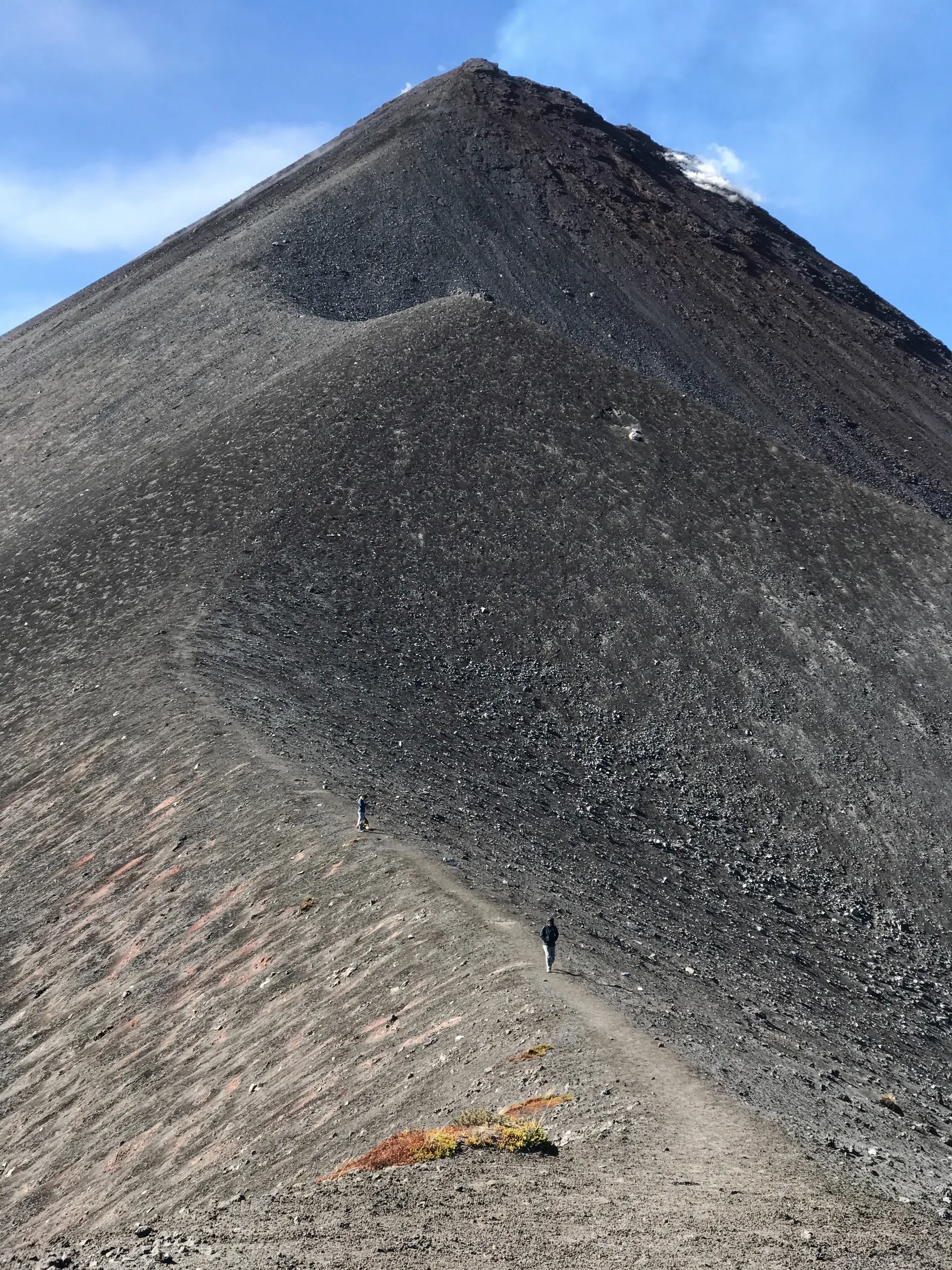
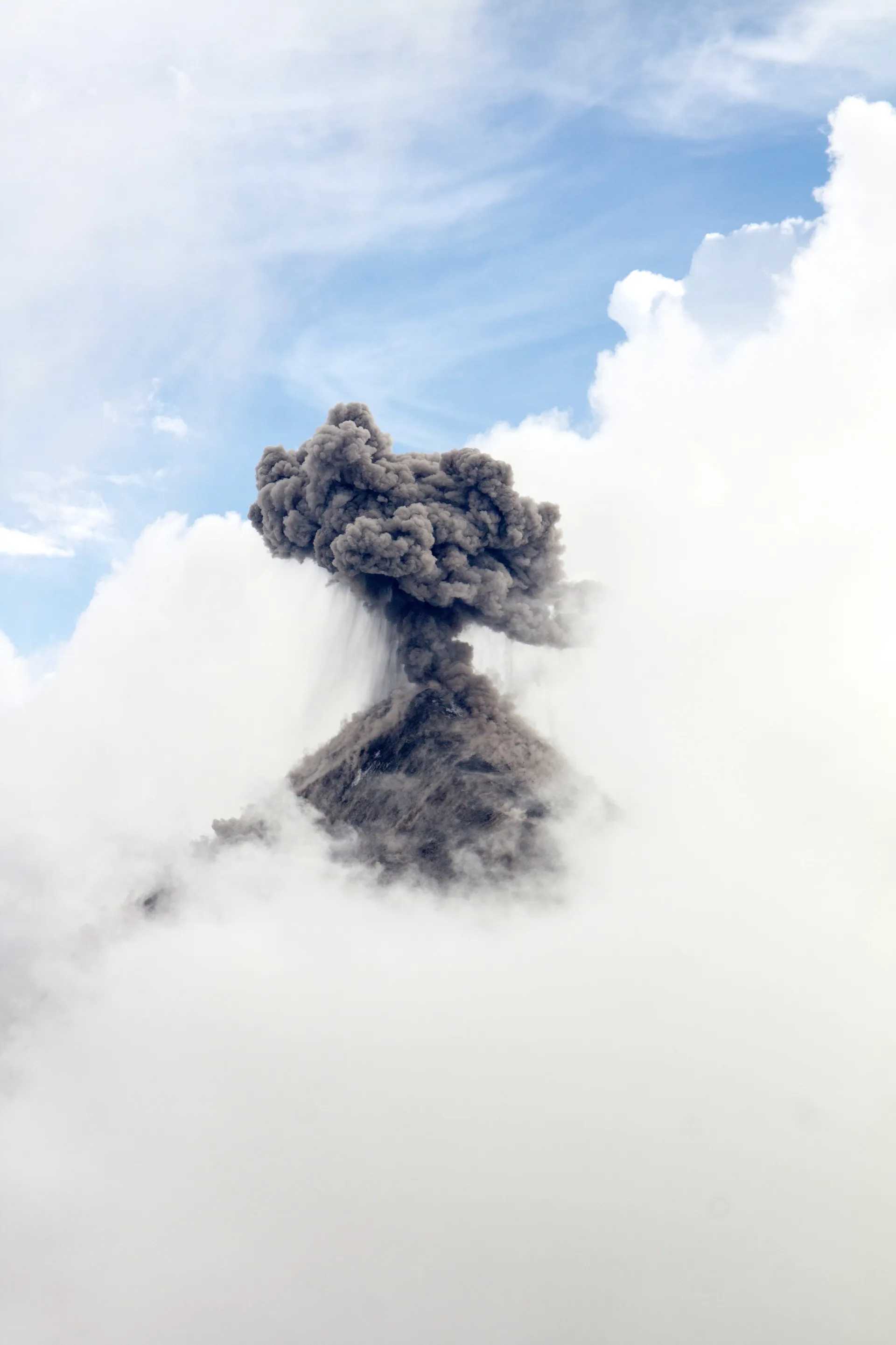
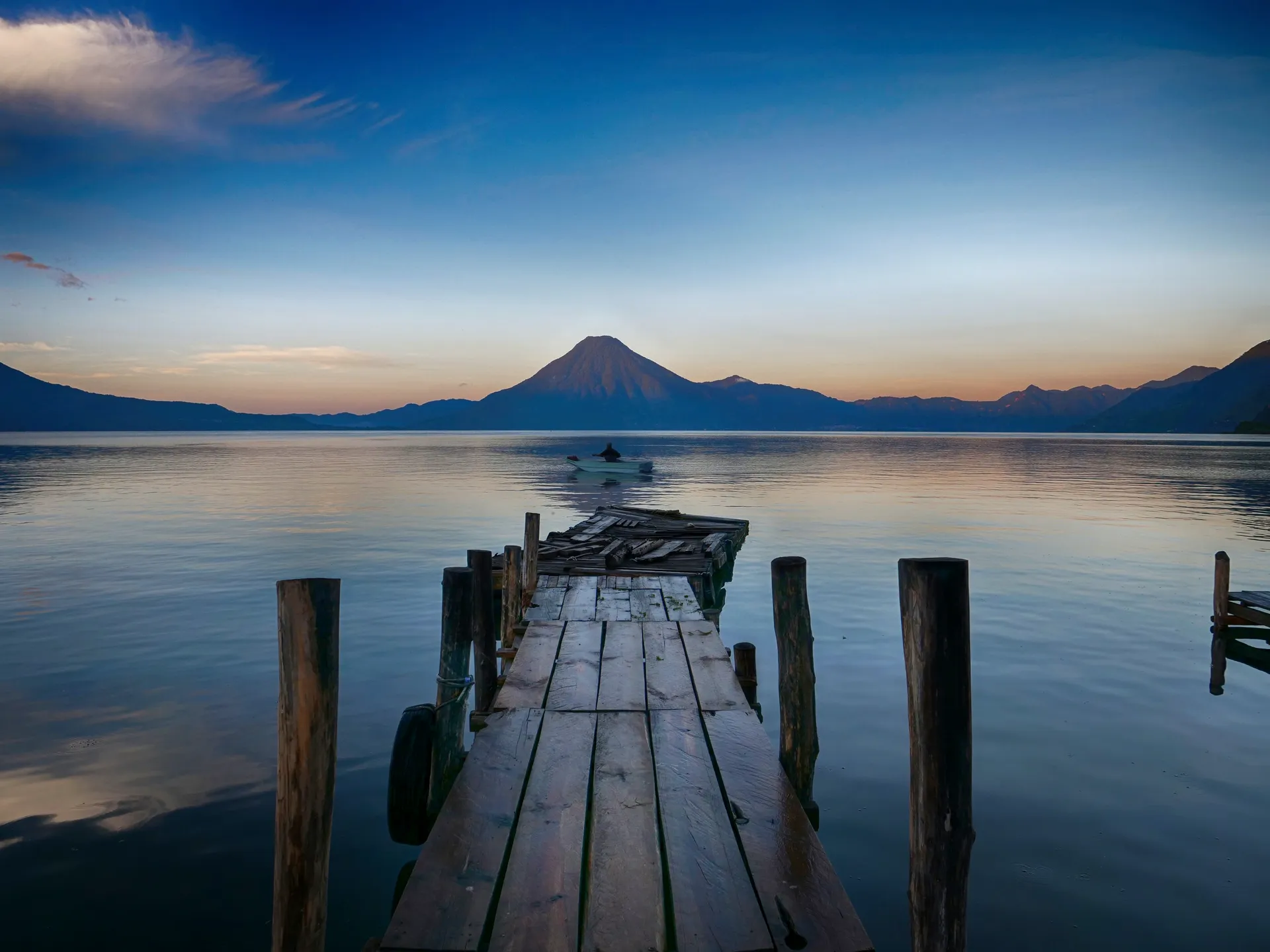
The volcanic landscapes surrounding Puerto Quetzal are among Central America's most dramatic. Lake Atitlán, described by Aldous Huxley as "the most beautiful lake in the world," fills an ancient caldera ringed by three volcanoes and a dozen Maya villages where traditional dress, languages, and weaving traditions endure. Panajachel, the lake's tourist hub, gives way to quieter villages like San Juan La Laguna, known for its natural-dye textile cooperatives, and Santiago Atitlán, where the syncretic deity Maximón receives offerings of rum and cigarettes in a candlelit shrine. Farther afield, the temples of Tikal rise above the Petén jungle — the remains of a Maya superpower that, at its zenith, rivaled Rome in population and ambition.
Cunard and Holland America Line call at Puerto Quetzal on their Panama Canal and world cruise itineraries. The port's location on the Pacific coast positions it as a gateway to both the Western Highlands and the colonial cities of the interior. Nearby ports include Lívingston, Guatemala's Garifuna-influenced Caribbean town, and Santo Tomás de Castilla. The dry season from November through April is the optimal time to visit, offering clear highland skies and comfortable temperatures perfect for exploring Antigua's cobblestone streets and Atitlán's volcanic shores.