Among the outermost islands of Guinea-Bissau's Bijagós Archipelago, João Vieira and its neighboring islet Poilão form a marine national park of extraordinary ecological importance — the most significant sea turtle nesting site in the entire eastern Atlantic. This tiny, uninhabited island, located at the archipelago's southern edge where the continental shelf drops into deeper Atlantic waters, hosts one of the densest concentrations of nesting green sea turtles found anywhere on Earth.
During the peak nesting season from August through November, over 7,000 green sea turtles haul onto Poilão's beaches — a number that represents over eighty percent of the entire Bijagós nesting population and makes this small island one of the world's top ten green turtle nesting sites. The spectacle, best witnessed during the full moon when nesting activity peaks, is genuinely overwhelming: dozens of turtles visible on the beach at any given time, laboriously digging their nests, depositing over a hundred eggs each, and covering them before returning to the sea. The beach itself becomes a landscape of nested craters, and the first hatchlings of the season begin emerging even as later-arriving females continue to nest.
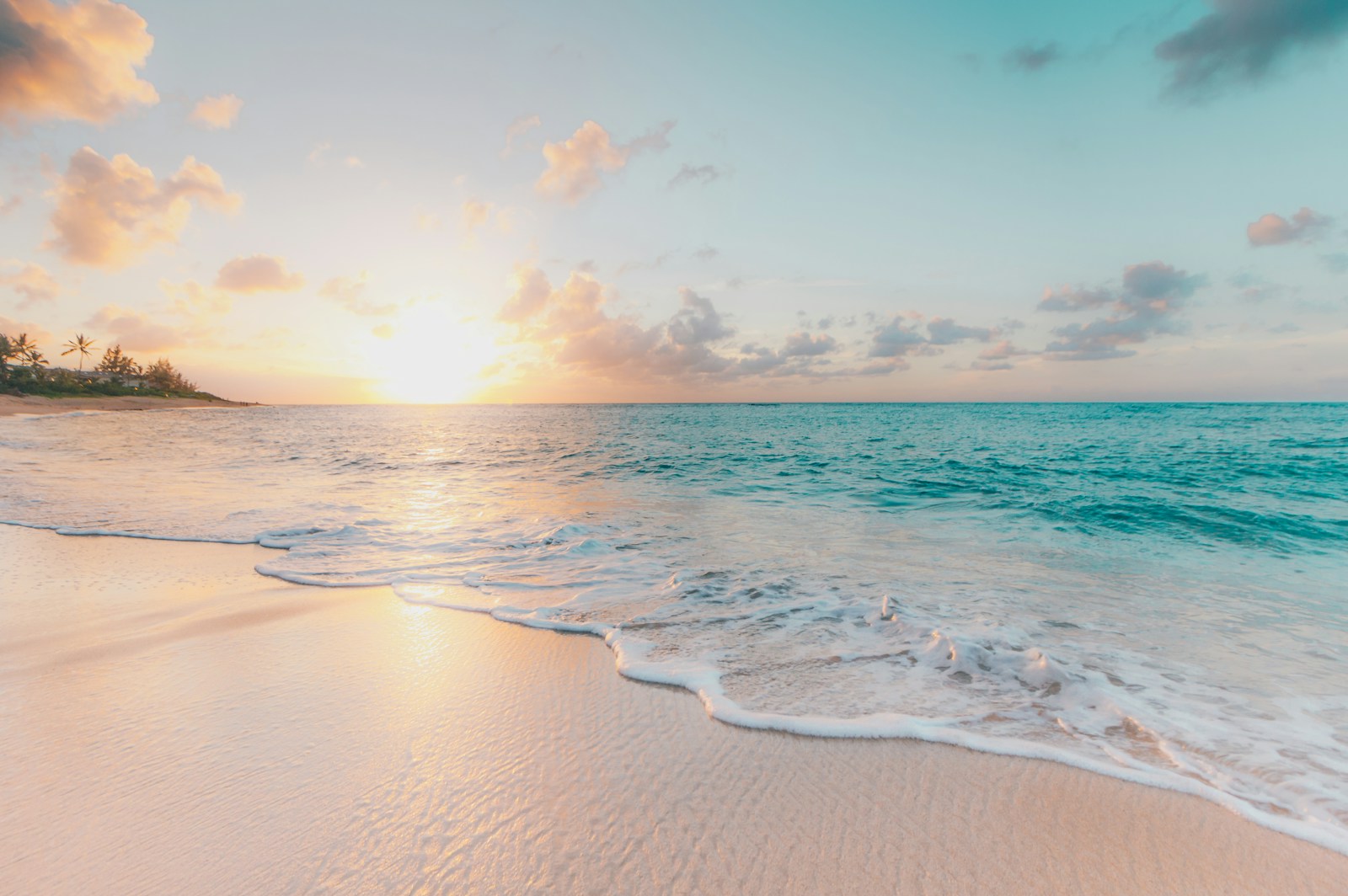
João Vieira island itself, while lacking the turtle density of Poilão, provides essential foraging habitat for the turtle population and supports a marine ecosystem of considerable diversity. The surrounding waters, enriched by the nutrient-laden currents flowing along the West African coast, harbor healthy coral formations, schools of barracuda and snapper, and several species of sharks and rays. The island's beaches, fringed by coconut palms and backed by scrub forest, offer pristine examples of tropical West African coastal habitat in a condition that has become increasingly rare on the mainland.
The establishment of the João Vieira-Poilão Marine National Park in 2000 represented a landmark in West African conservation, and the ongoing protection of the nesting beaches has contributed to a measurable increase in the Bijagós turtle population. The park is managed through a collaboration between the Guinea-Bissau government, international conservation organizations, and the Bijagós communities, whose traditional taboos against killing turtles during the nesting season provided informal protection long before formal conservation measures were enacted.
João Vieira is accessible only by expedition cruise vessel or chartered boat from Bubaque, requiring several hours of open-water crossing. There are no permanent structures, no fresh water, and no facilities of any kind — visits are entirely self-sufficient expeditions. The turtle nesting season from August through November provides the most compelling reason to visit, with September and October typically offering the highest nesting density. Conditions are hot, humid, and frequently rainy during this period, and visitors should come prepared for basic, sometimes uncomfortable conditions. The reward — witnessing one of nature's great reproductive spectacles on a beach of almost primordial emptiness — more than compensates for the effort.

