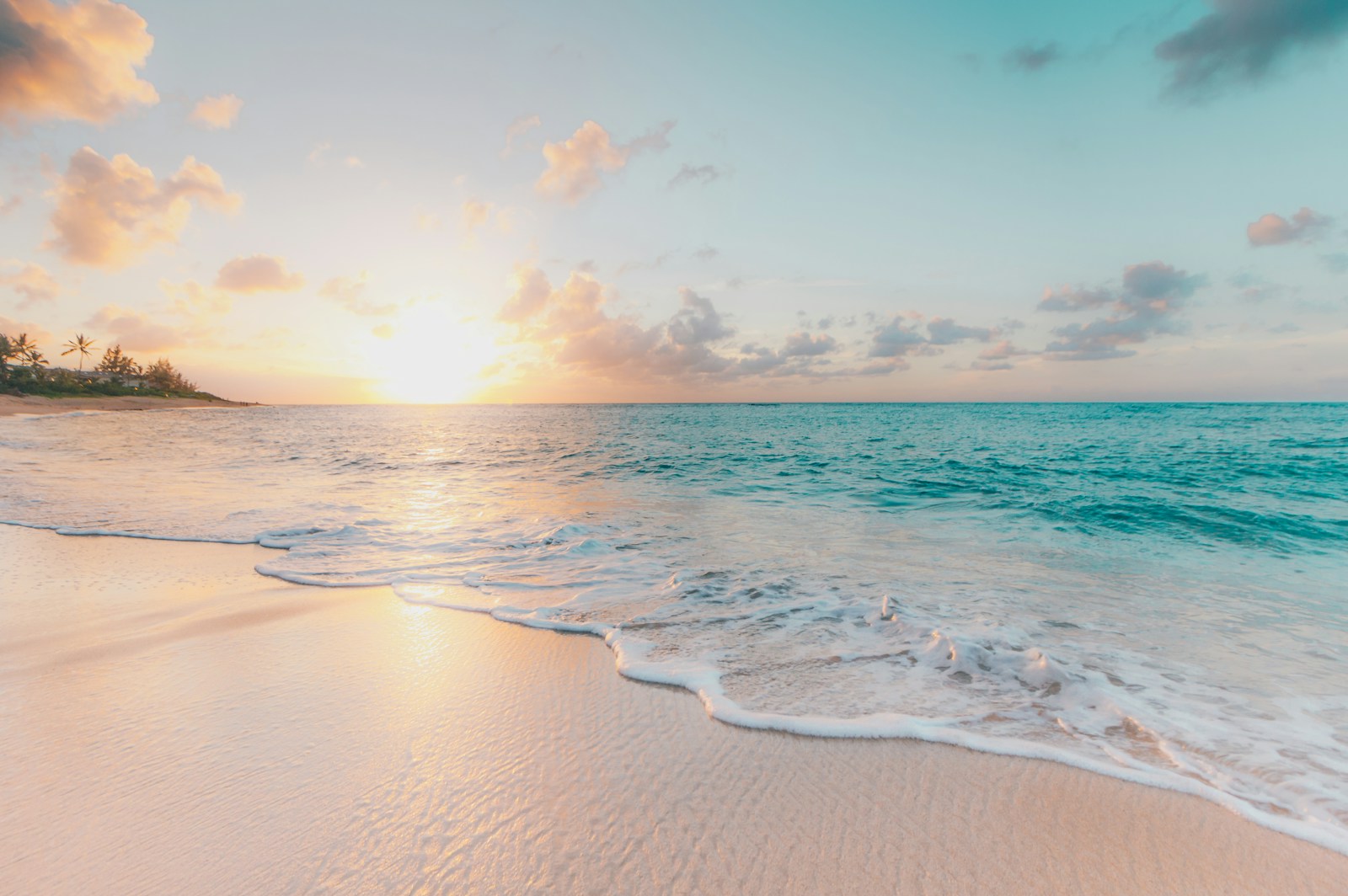
In the shallow, warm waters of the Bijagós Archipelago off Guinea-Bissau, Kere Island is one of the most ecologically significant islands in West Africa — a low-lying, mangrove-fringed landmass that serves as a critical nesting site for green sea turtles and a sanctuary for the unique saltwater hippopotamus population that makes the Bijagós one of the world's most unusual wildlife destinations. This remote island, part of the UNESCO-designated Biosphere Reserve, offers expedition travelers an encounter with wilderness and traditional culture that is among the most authentic in all of Africa.
The green sea turtles of Kere Island represent one of the most important breeding populations in the eastern Atlantic. Between June and November, female turtles haul themselves onto the island's sandy beaches under cover of darkness to dig nests and deposit their eggs — a ritual that has been repeated for millions of years and that remains one of nature's most moving spectacles. The hatchlings, emerging weeks later in their hundreds, make their desperate dash to the sea in a gauntlet of crabs and seabirds — a primal drama of survival that unfolds on Kere's beaches with the regularity of an ancient clock.
The saltwater hippopotamuses of the Bijagós are among the most extraordinary wildlife phenomena in Africa. These animals, genetically identical to their freshwater cousins but behaviorally adapted to a marine environment, swim between the islands of the archipelago through saltwater channels, feeding on the coastal vegetation and occasionally entering the sea itself. Kere and its neighboring islands are among the few places where these animals can be observed in their unusual marine habitat — a wildlife encounter that is virtually unknown outside the West African specialist travel community.
The Bijagós people of Kere maintain a traditional lifestyle that revolves around fishing, rice cultivation, and the animist spiritual practices that have governed community life for centuries. The island's ceremonies, overseen by female spiritual leaders in keeping with the archipelago's matrilineal traditions, mark the seasons of planting, harvest, and the arrival and departure of the turtles. Visits to the island require the permission and participation of community leaders, ensuring that cultural encounters remain respectful and genuinely reciprocal.
Kere Island is accessible only by boat from Bubaque (the Bijagós' main settlement) or by expedition cruise vessel. There are no tourist facilities, and visits require self-sufficient logistics. The dry season from November through May offers the most comfortable conditions for travel, though the turtle nesting season (June-November) provides the most compelling wildlife encounters. The combination of extreme remoteness, extraordinary wildlife, and living traditional culture makes Kere one of the most exclusive and rewarding destinations accessible to expedition cruise travelers in all of Africa.

