Mahogany Bay, Roatán: Honduras's Caribbean Crown Jewel
Mahogany Bay is a purpose-built cruise destination on the southwestern shore of Roatán, the largest of Honduras's Bay Islands — a thirty-mile sliver of tropical paradise rising from the western Caribbean above the second-largest barrier reef in the world. Roatán's history is a tapestry of piracy, colonial contest, and indigenous survival. The Bay Islands were home to the Paya people before Columbus landed on Guanaja in 1502 during his fourth voyage. For the next three centuries, the islands served as a base for English, Dutch, and French pirates — Henry Morgan himself used Roatán's protected harbours to stage raids on Spanish shipping. Britain controlled the islands until ceding them to Honduras in 1860, and the English-speaking, Afro-Caribbean Garifuna culture that developed here gives Roatán a character distinctly different from mainland Honduras.
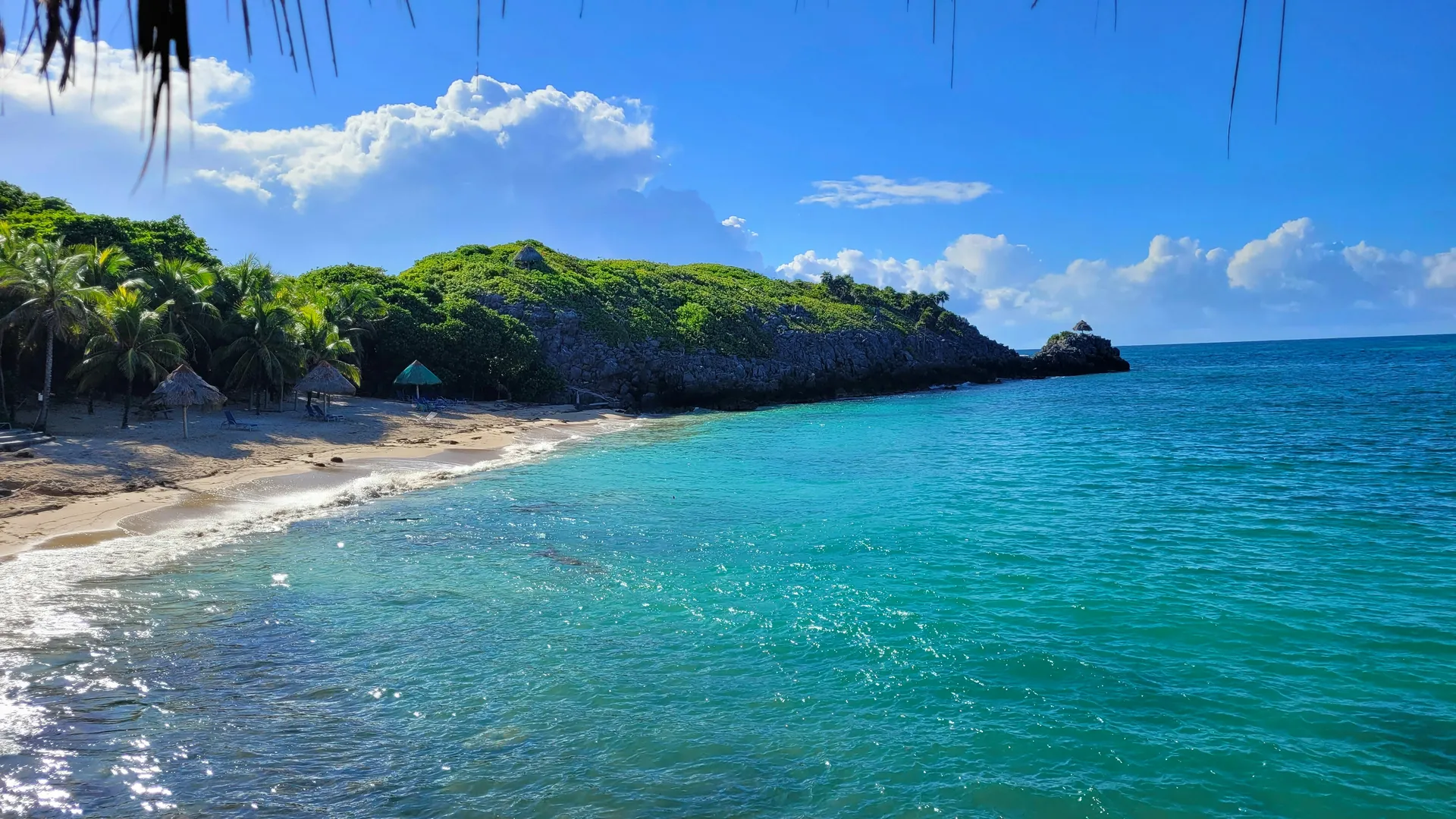
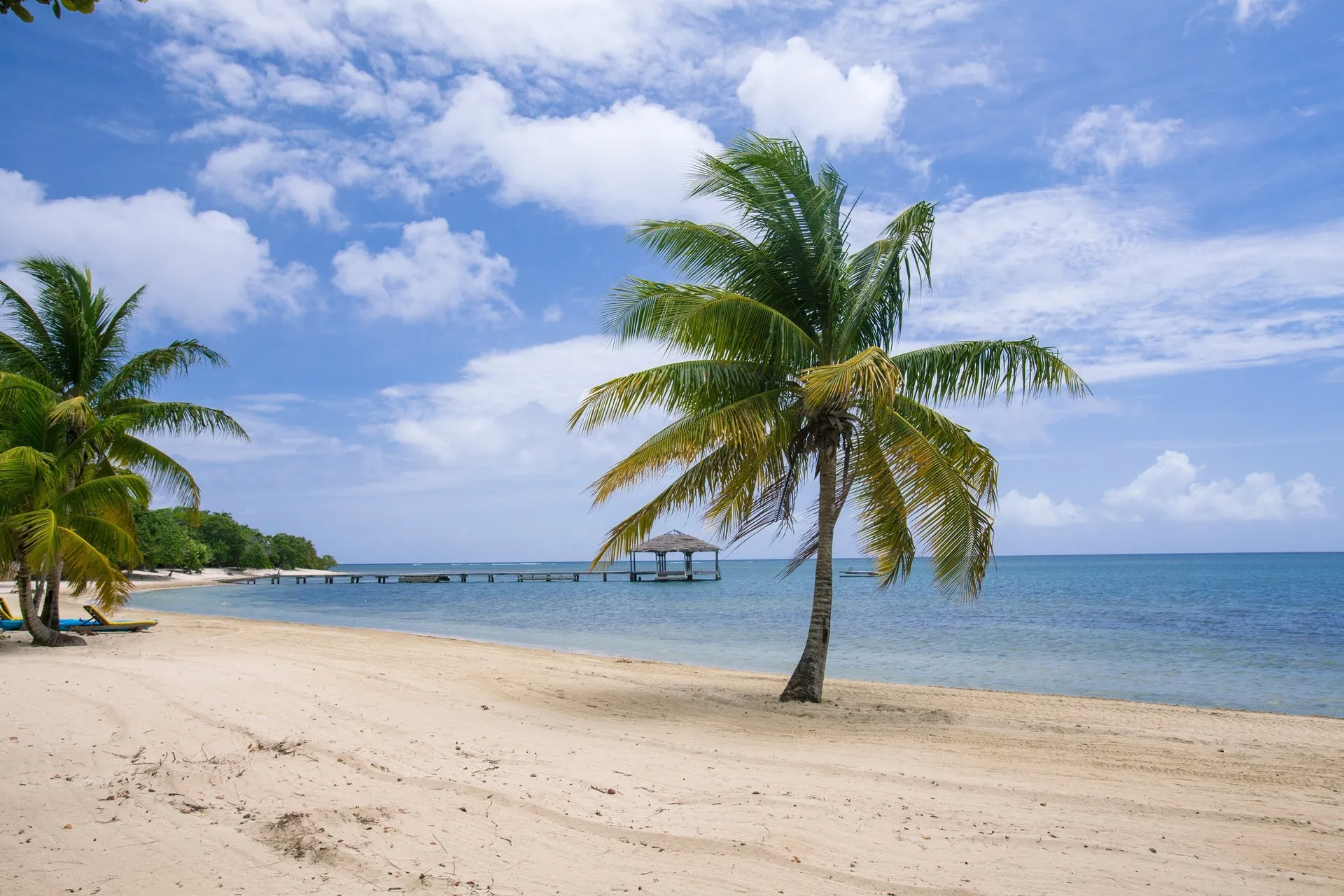
The character of Mahogany Bay is designed to showcase Roatán's natural beauty while providing the infrastructure for a comfortable port experience. The welcome centre, built to evoke colonial Caribbean architecture with its pitched roofs and broad verandas, opens onto a beach that has been carefully maintained to postcard standards — palm trees, white sand, and the warm, clear water that the western Caribbean does better than almost anywhere on earth. A chairlift — the Magical Flying Beach Chair — carries visitors over the treetops and down to the beach, offering aerial views of the reef-fringed coastline. But the real treasures lie beyond the welcome centre, in the waters and villages of Roatán itself.
The reef that protects Roatán's western shore is part of the Mesoamerican Barrier Reef System, and the snorkelling and diving here are genuinely world-class. The coral formations at West Bay Beach — accessible by water taxi from Mahogany Bay — are healthy, colourful, and teeming with life: spotted eagle rays cruise the sandy channels, hawksbill turtles graze on sponges, and schools of blue tang and yellowtail snapper swirl through the elkhorn coral. For certified divers, the walls of the reef drop into blue darkness within swimming distance of shore, offering encounters with nurse sharks, moray eels, and the occasional whale shark during winter months. The visibility regularly exceeds thirty metres, and the water temperature rarely drops below twenty-seven degrees Celsius.
The culinary traditions of Roatán reflect its Garifuna and English-speaking Caribbean heritage. The baleada — a thick flour tortilla filled with refried beans, cheese, and often chicken or pork — is the essential Honduran street food, and versions on Roatán are particularly good. Fresh seafood dominates: whole fried snapper with plantains and coconut rice, conch soup seasoned with coconut milk and habanero, and grilled lobster tail at prices that would cause a minor financial crisis in any major city. The beach bars at West Bay serve cold Salva Vida beer and rum cocktails with the offhand generosity that characterises Roatán's hospitality. For a more immersive experience, the Garifuna communities of Punta Gorda on the island's north coast offer traditional drumming, cassava bread-making, and fish cooked in coconut milk over open fires.
Carnival Cruise Line operates Mahogany Bay as a primary port of call on its western Caribbean itineraries. The port can accommodate the largest cruise ships and offers a well-organised tender and shuttle system. For travellers seeking Caribbean beauty with genuine reef snorkelling, Roatán delivers an experience that rivals or exceeds its more famous Caribbean competitors at a fraction of the cost. The dry season from February through August offers the most reliable weather and best underwater visibility, though Roatán's sheltered western coast remains pleasant even during the rain season's brief afternoon showers.