Pécs: Hungary's Mediterranean Soul at the Crossroads of Civilisations
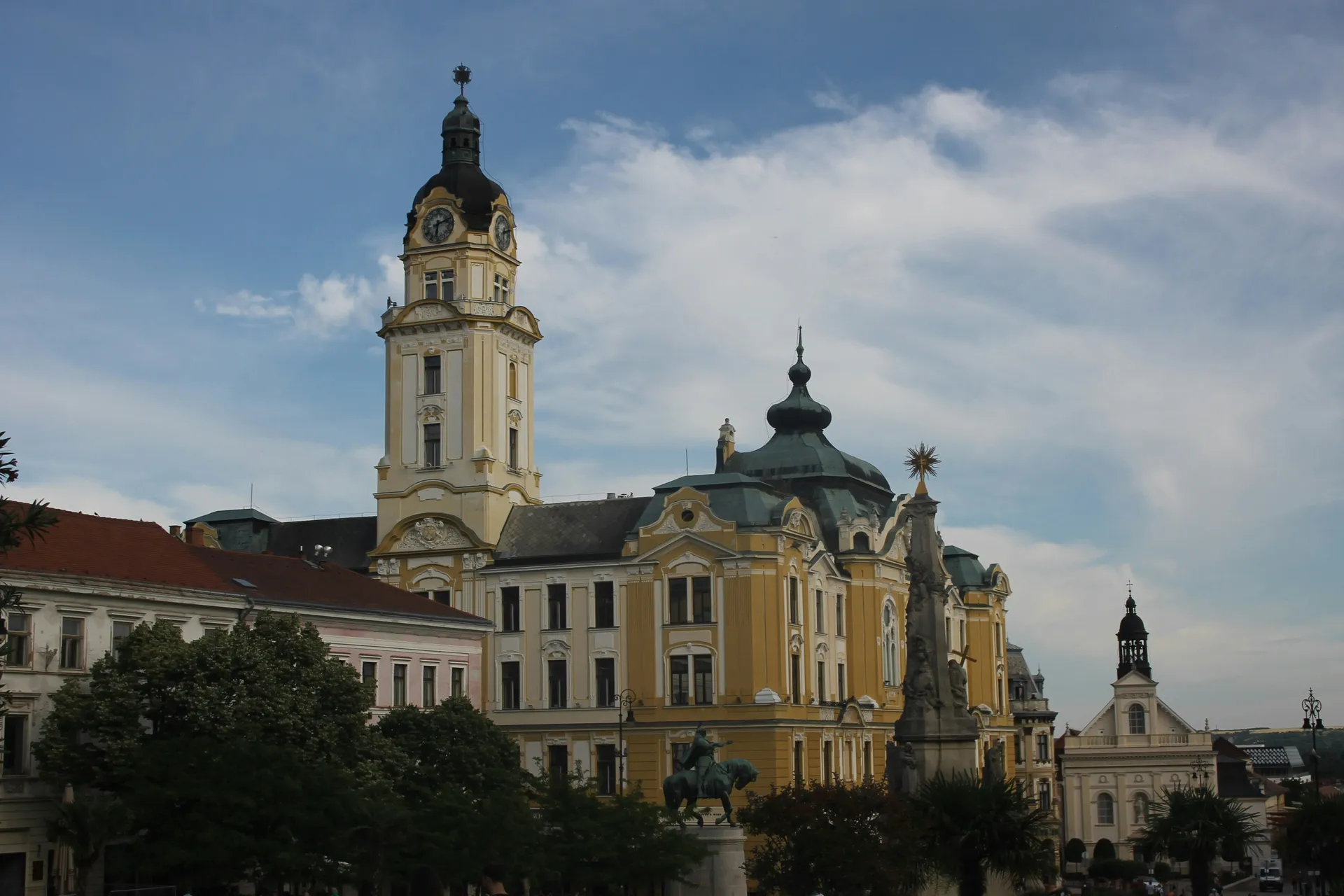
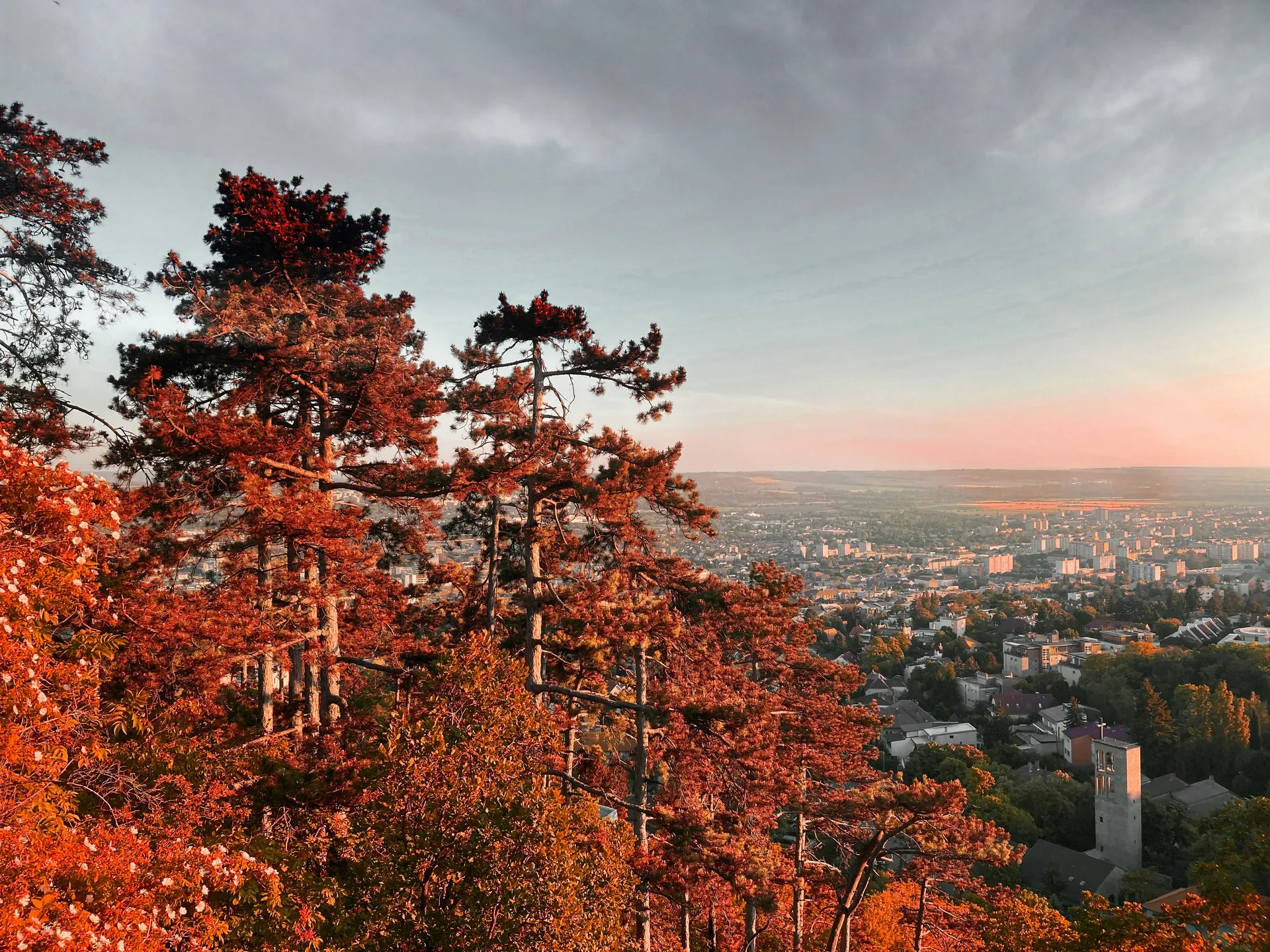
Pécs is the great surprise of Hungarian travel — a city of two thousand years that feels more Mediterranean than Central European, its south-facing hillside location at the foot of the Mecsek Mountains granting it a mild climate, abundant sunshine, and an atmosphere of cultured ease that sets it apart from anything north of the Alps. The Romans founded Sopianae here in the second century, and the Early Christian necropolis they left behind — a network of elaborately painted underground burial chambers — is now a UNESCO World Heritage Site and one of the most important late-Roman monuments in Europe. The Ottoman Turks, who held the city for nearly a hundred and fifty years from 1543, added mosques and baths that still stand, most notably the Mosque of Pasha Qasim, which dominates Széchenyi Square with its massive dome and serves today as a Catholic church — a uniquely Hungarian architectural compromise.
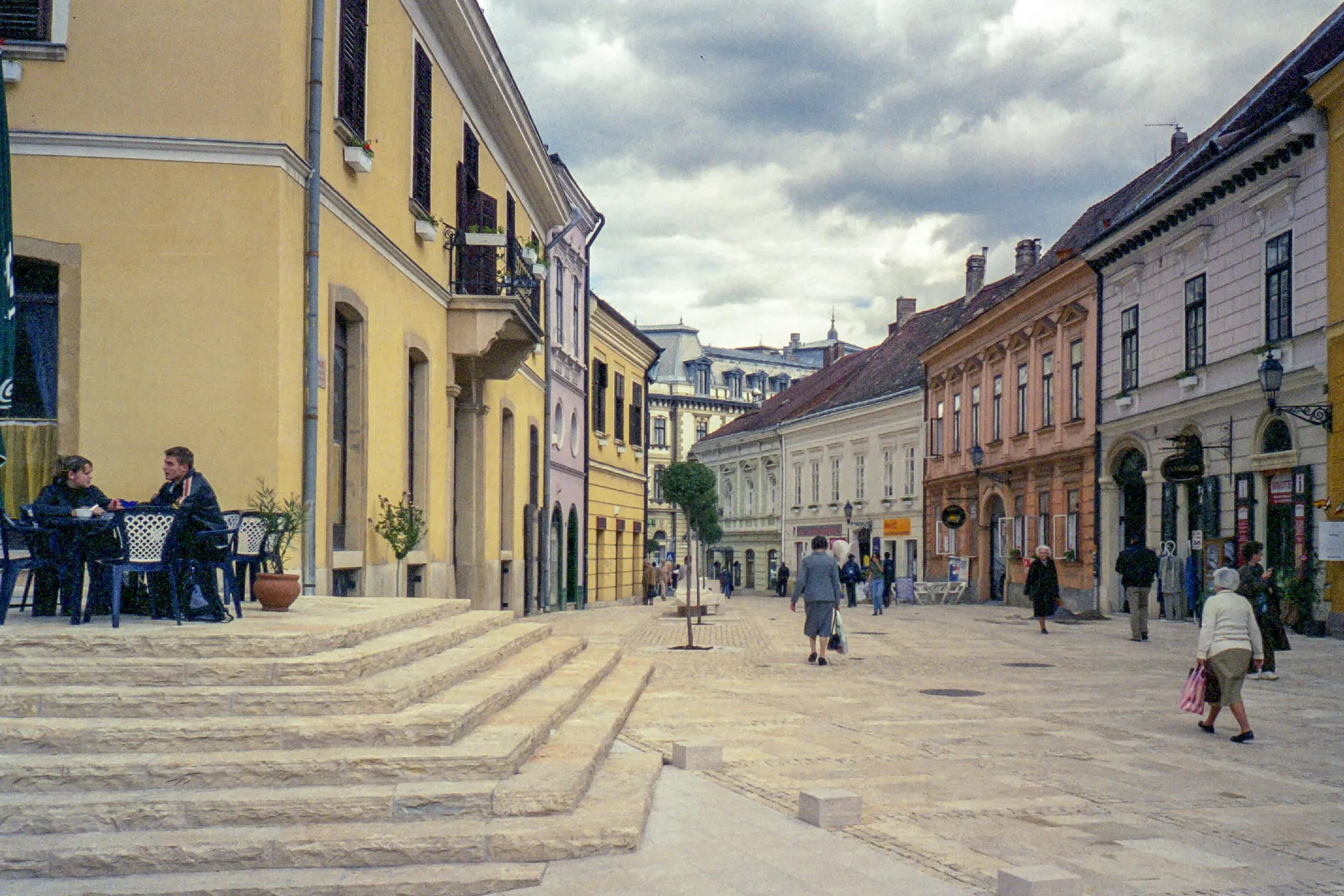
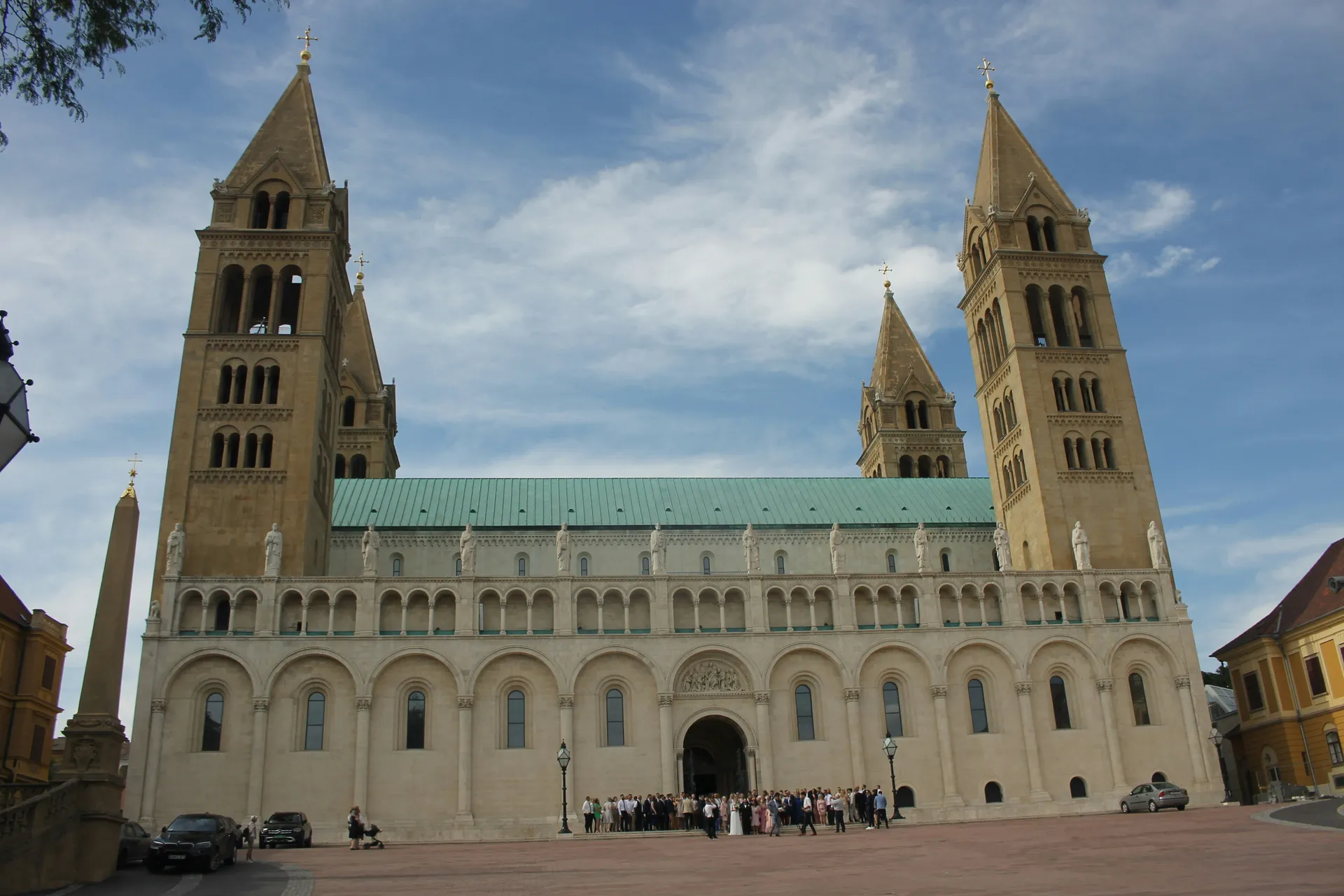
The character of Pécs is shaped by this extraordinary cultural layering. Walking from the Roman tombs to the Ottoman mosque to the neo-Romanesque Cathedral — all within fifteen minutes — is a journey through two millennia of European civilisation. The city was designated a European Capital of Culture in 2010, and the investment that came with that honour transformed the cultural infrastructure: the Zsolnay Cultural Quarter, built in the former ceramics factory that once supplied the Habsburgs with their finest porcelain, now houses museums, galleries, a planetarium, and craft workshops in buildings whose facades are clad in the distinctive iridescent Zsolnay tiles. The university, founded in 1367 and Hungary's oldest, ensures that the city's cafés and wine bars are always animated with student life.
Pécs sits at the heart of the Villány-Siklós wine region, which produces some of Hungary's finest reds. The Villány wines — particularly the Cabernet Franc and the indigenous Kékfrankos — have earned international recognition, and the wine route south of the city passes through villages where cellars carved into the hillside offer tastings at prices that seem almost anachronistic. In the city itself, the Sétatér neighbourhood on the hillside is lined with restaurants serving modern Hungarian cuisine: mangalica pork, foie gras, wild game stew, and the paprika-rich flavours that define the country's culinary identity. Bagolyvár, just outside the old town walls, pairs local wines with seasonal menus in a garden setting that captures the essence of Pécs's relaxed sophistication. The city's daily market, Vásárcsarnok, sells Mecsek honey, handmade sausages, and seasonal produce from the surrounding farms.
Beyond the city, the Mecsek Hills offer hiking through forested ridges to viewpoints that stretch across the Great Hungarian Plain to the south. The caves beneath the mountains — including the Abaliget Cave, which has been used therapeutically for respiratory conditions since the nineteenth century — add a subterranean dimension to the landscape. Harkány, a spa town thirty kilometres south, offers thermal bathing in naturally heated waters rich in sulphur. The medieval fortress of Siklós and the castle at Szigetvár — where the 1566 siege became one of the pivotal moments in the Ottoman-Habsburg wars — are both within easy excursion distance.
AmaWaterways features Pécs on its Danube itineraries, typically as a full-day excursion from Mohács or the river port at Kalocsa. The journey from the Danube to Pécs passes through the gently undulating wine country of Villány, often with a cellar stop included. For travellers who know Budapest and the Danube Bend but have yet to explore southern Hungary, Pécs reveals a dimension of the country that is warmer, more cosmopolitan, and more historically complex than the capital suggests. The best months to visit are May through October, with September's grape harvest and October's wine festivals offering particular appeal.