Vac — pronounced "Vahts" — is a small Danube Bend city that punches dramatically above its weight in architectural splendor, historical significance, and sheer visual drama. Situated 34 kilometers north of Budapest on the eastern bank of the Danube, Vac occupies the point where the great river makes its most dramatic turn, swinging south from its eastward course through a spectacular gorge flanked by the Borzsonyi and Pilis mountains. The Romans recognized the strategic value of this position; the Hungarians built a bishopric here in the eleventh century; and the result is a city whose monumental architecture feels startlingly grand for a population of just 33,000.
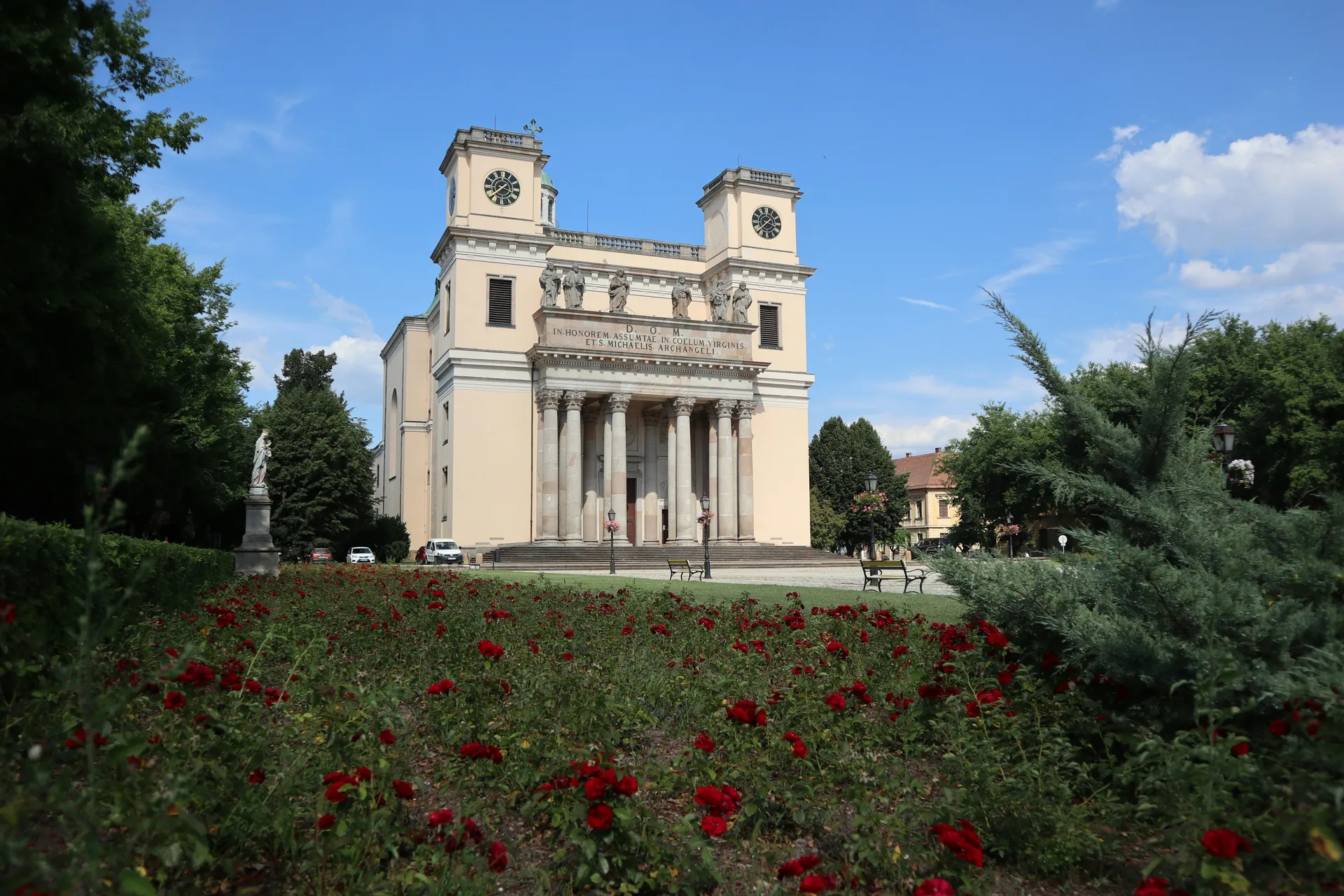
The main square — Marcius 15 ter — is dominated by the Cathedral of the Assumption, an enormous neoclassical church whose massive dome and Corinthian-columned portico would not look out of place in Rome. Designed by Isidore Canevale and completed in 1777, it is one of Hungary's largest churches and its interior of painted vaults, gilded altars, and rich marble creates an atmosphere of genuine ecclesiastical magnificence. The Triumphal Arch, built in 1764 to welcome Empress Maria Theresa, is the only surviving triumphal arch in Hungary — a Baroque monument of imperial ambition on a domestic scale.
The culinary tradition of Vac reflects its position in the heart of the Danube Bend wine and food region. Local restaurants serve Hungarian classics with a refinement that benefits from proximity to Budapest: goulash, chicken paprikash, and Hortobagyi palacsinta (meat-filled crepes) are prepared with care and local ingredients. The Danube provides freshwater fish — pike-perch (fogas) and catfish — that appear grilled or in the classic Hungarian halaszle (fisherman's soup), a paprika-rich broth that is the region's comfort food. Hungarian wines from the nearby Etyek-Buda region pair well with the hearty cuisine.
The Danube Bend region surrounding Vac offers excursions of considerable interest. Across the river, Szentendre is a charming artist's colony of colorful Baroque houses, Serbian churches, and galleries. Visegrad, further upstream, preserves the ruins of a medieval royal palace and fortress that once hosted Renaissance court life of European significance. The Pilis Mountains, rising west of the river, offer hiking through forested hills with panoramic views of the Danube's serpentine course.
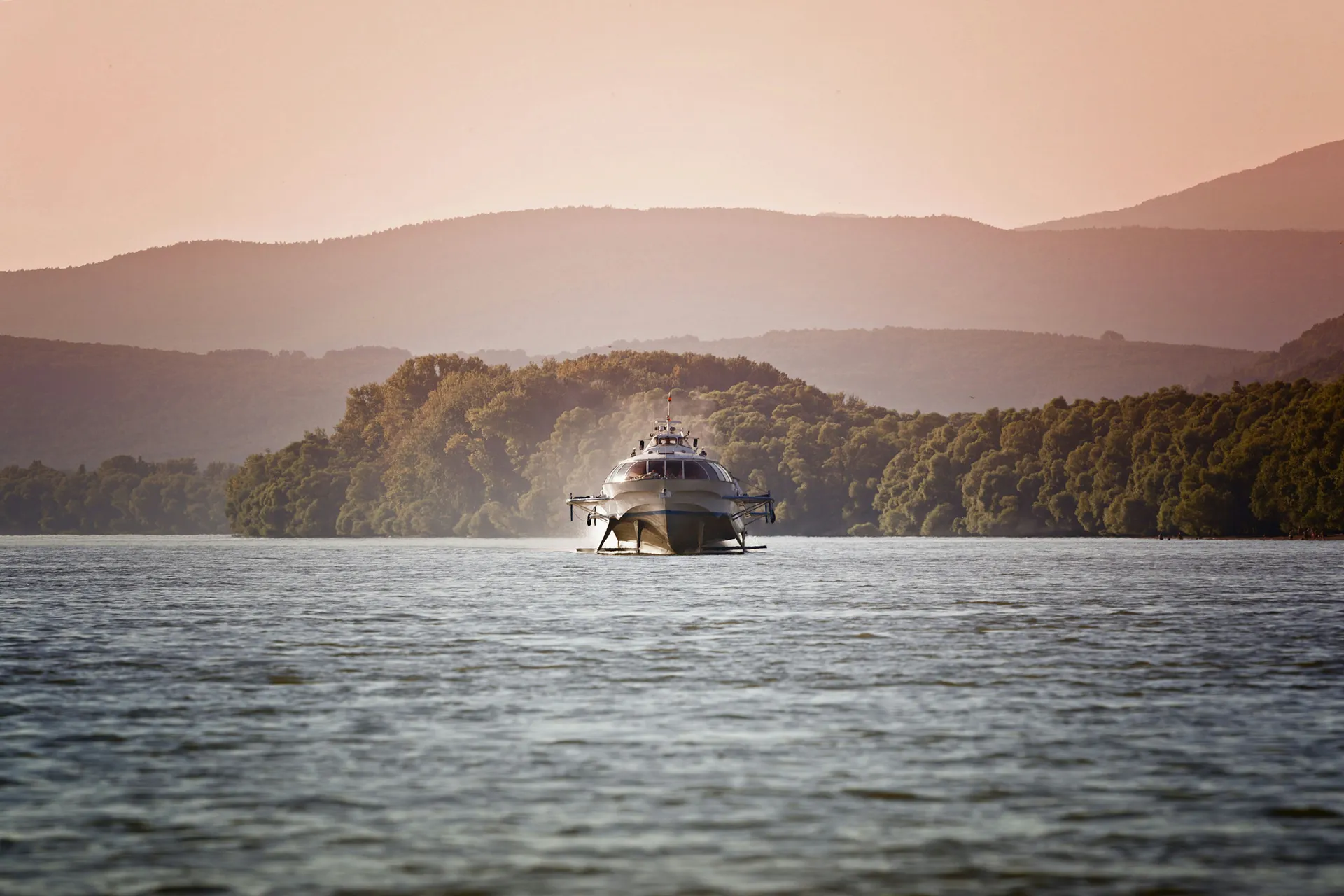
River cruise ships dock at Vac's riverside quay, with the city center a short walk away. Vac is a common stop on Danube itineraries between Budapest and Bratislava or Vienna. The best visiting season is April through October, with spring and early autumn offering comfortable temperatures and the best light for appreciating the city's architectural grandeur. Summer can be warm, but the riverside location provides cooling breezes. Vac is the kind of small European city that reveals, in its cathedral and its triumphal arch, the ambitions of an era when even provincial towns aspired to magnificence — and sometimes achieved it.