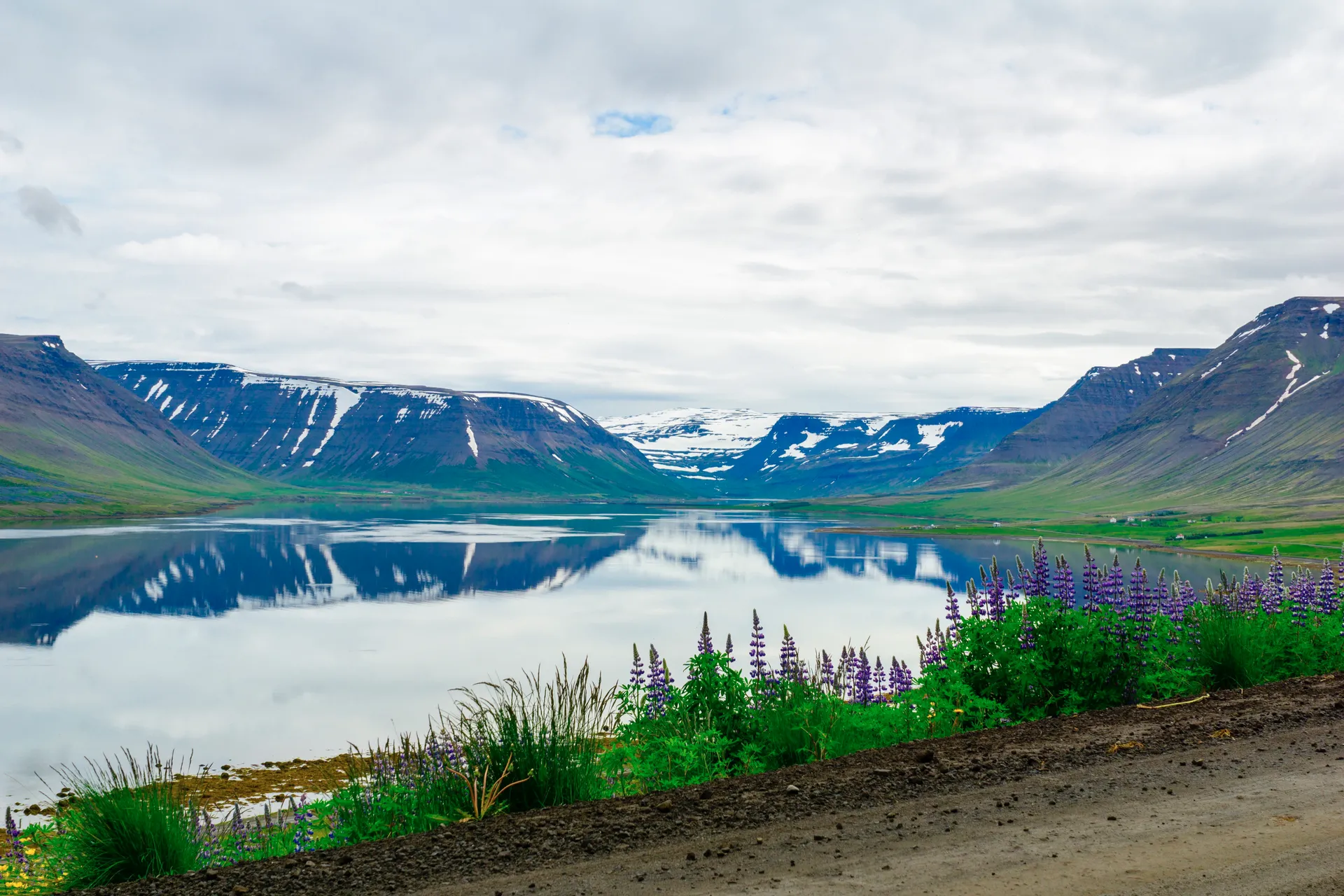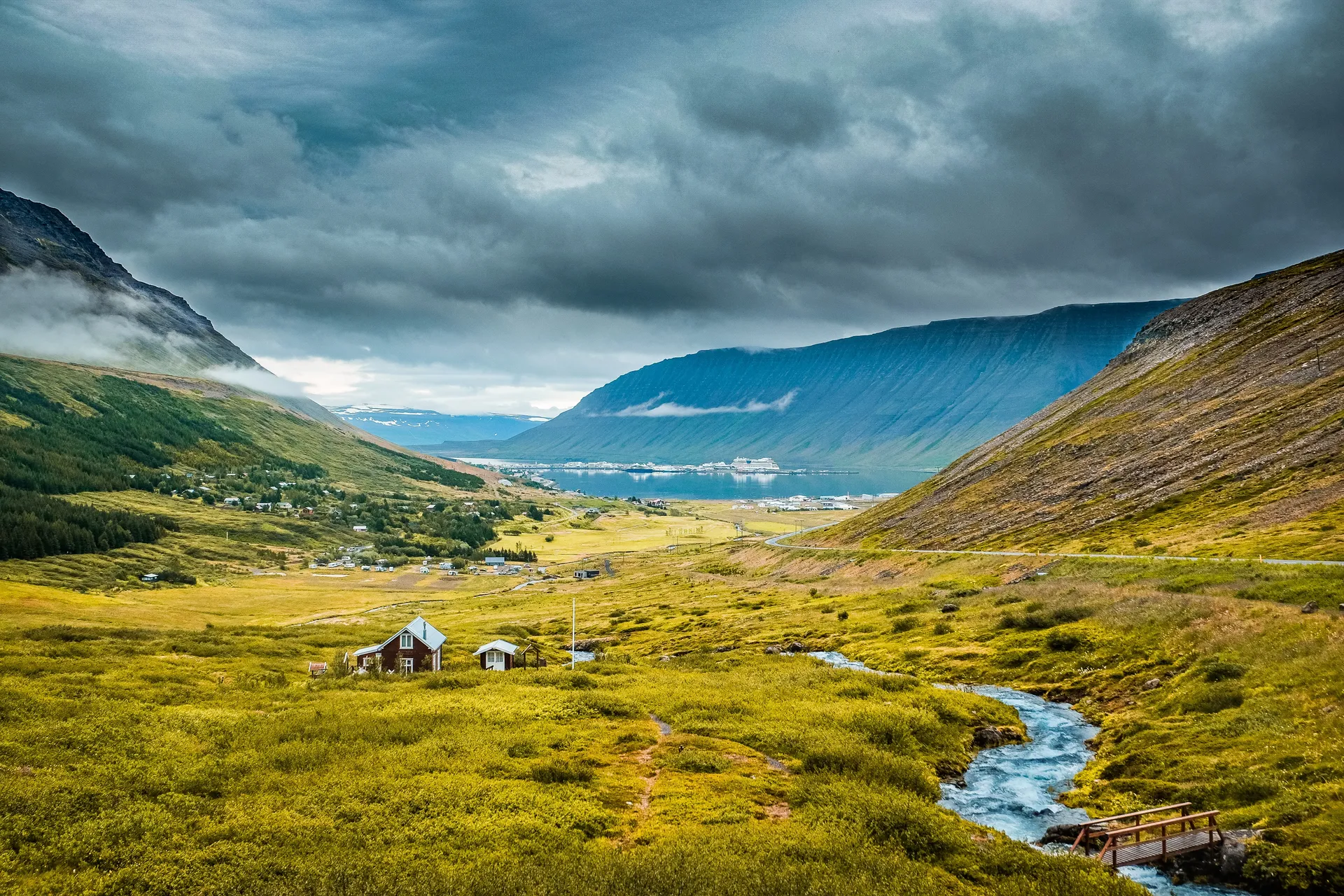
Nestled within the dramatic embrace of the Westfjords, Ísafjörður has served as a vital fishing settlement since the ninth century, when Norse settlers first navigated these labyrinthine fjords in search of abundant Arctic waters. The town's historical significance crystallized in the eighteenth century, when Danish merchants established permanent trading posts along its sheltered harbor — a legacy preserved in the Westfjords Heritage Museum, housed within one of Iceland's oldest surviving structures, the Tjöruhús building dating to 1734. By the nineteenth century, Ísafjörður had emerged as the undisputed capital of the Westfjords, its prosperity built upon the silvered backs of herring and cod that once filled these cold, pristine waters in staggering abundance.
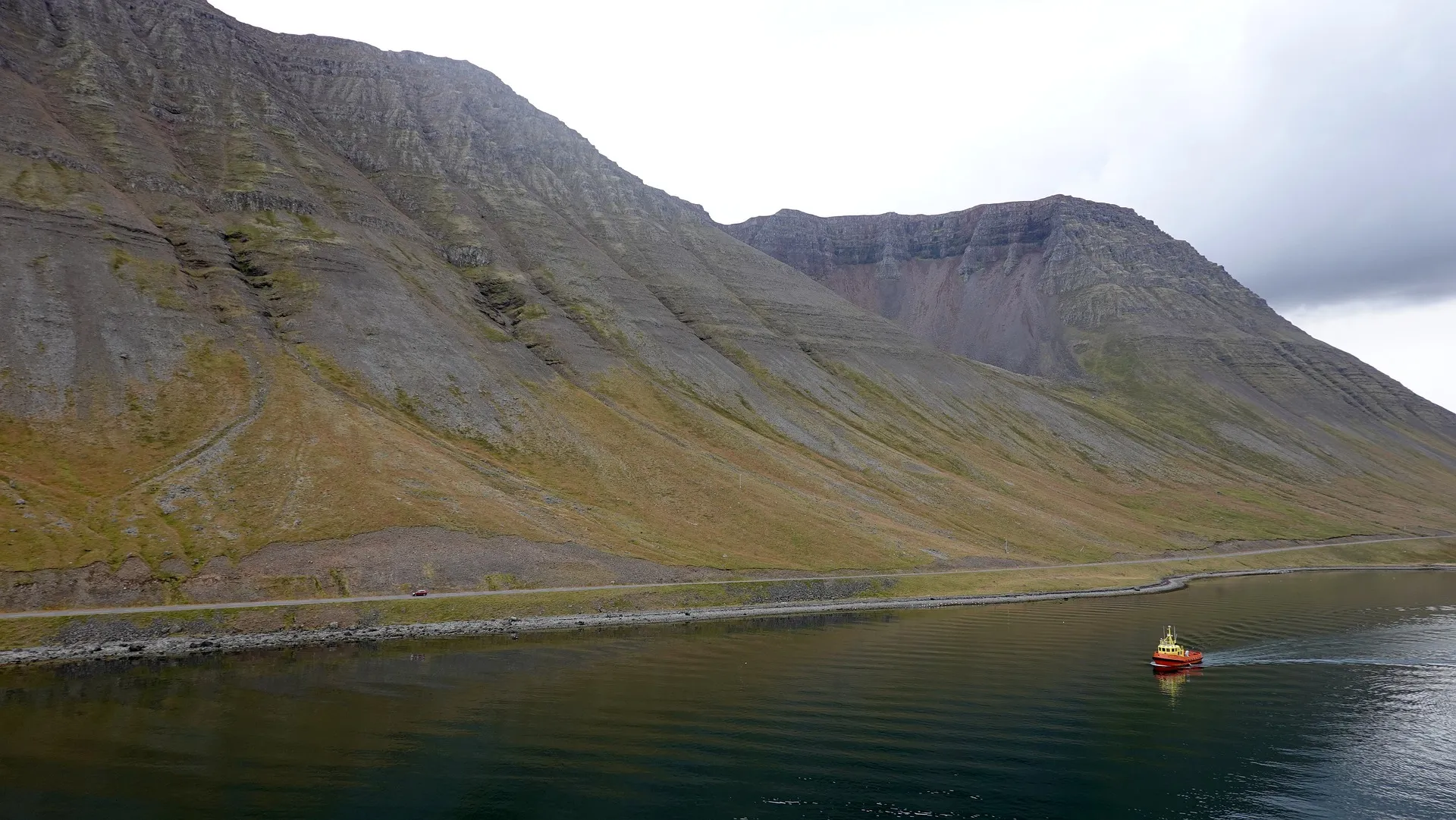
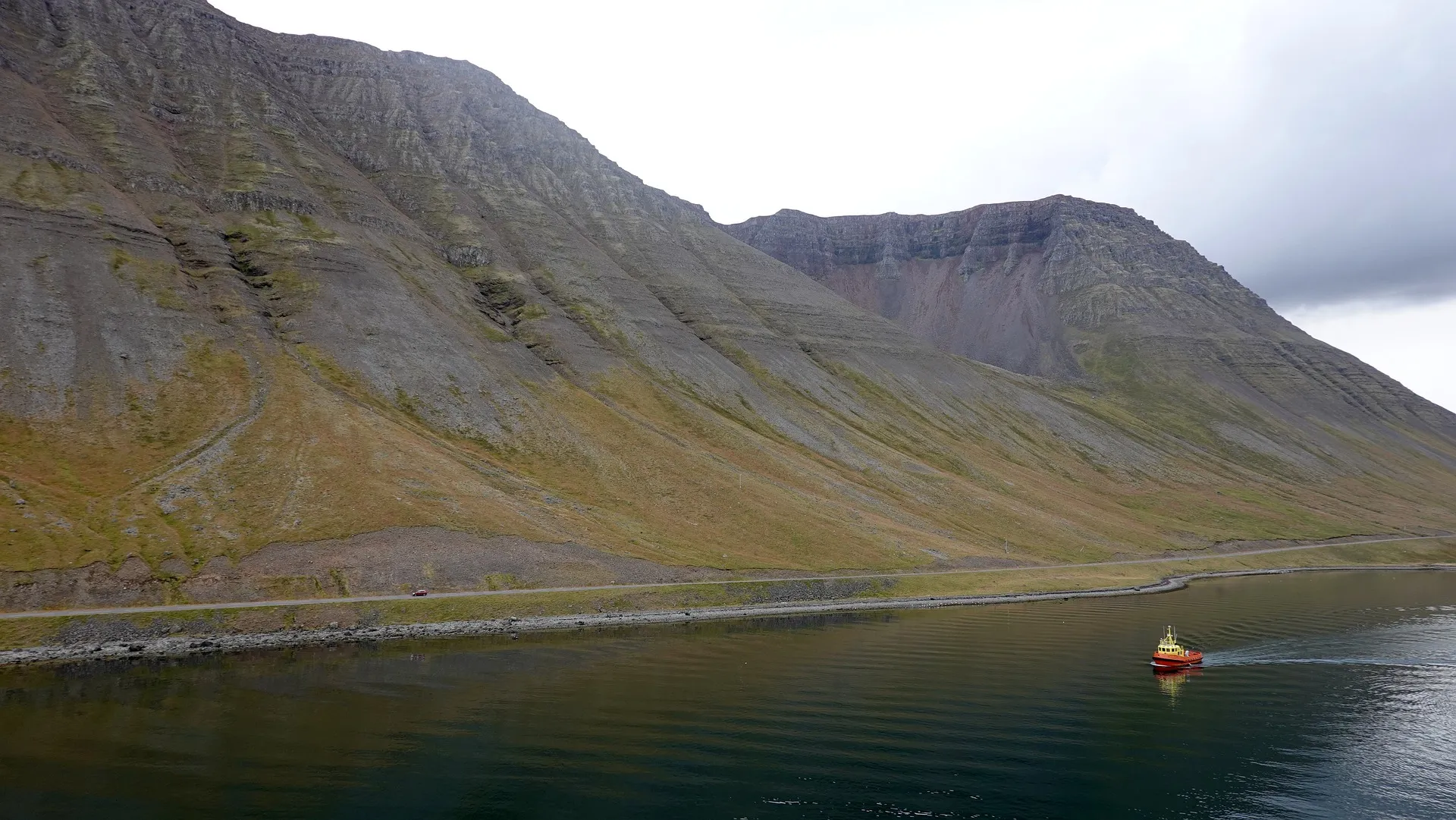
To arrive by sea is to understand why the Vikings chose this place. The vessel threads through the Skutulsfjörður, a narrow finger of water flanked by mountains that rise nearly vertically from the shoreline, their peaks often crowned with fresh snow even in midsummer. The town itself unfurls along a slender sand spit, its corrugated-iron houses painted in muted reds, blues, and greens — a palette that feels both defiant and deeply harmonious against the monochrome grandeur of basalt and glacier. There is a quality of light here, particularly in the long golden hours of an Arctic evening, that renders even the most weathered fishing shed luminous, almost otherworldly.
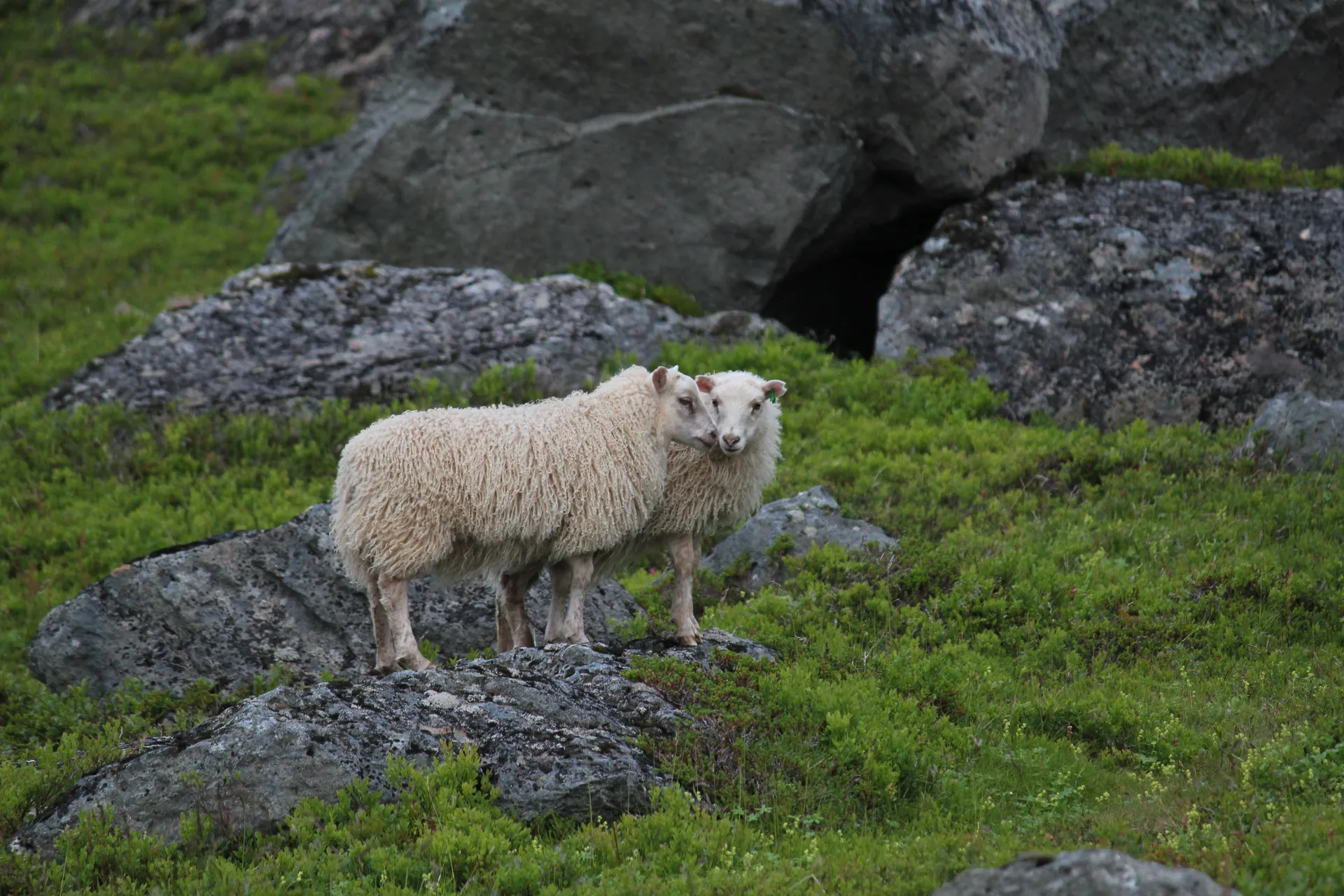
The culinary identity of Ísafjörður is inseparable from the sea. At the acclaimed Tjöruhúsið restaurant, housed in a converted net loft, the day's catch arrives on communal platters — pan-seared Arctic char with wild thyme, salt cod gratin, and tender plokkfiskur, the traditional Icelandic fish stew of mashed potatoes, onions, and flaked haddock enriched with béchamel. The more adventurous palate will find hákarl — fermented Greenland shark — alongside hangikjöt, delicate smoked lamb that carries the fragrance of birchwood and dried sheep dung, a centuries-old preservation technique unique to Iceland. Pair these with a dram of brennivín, the caraway-scented spirit locals call "Black Death" with characteristic dry wit, and you have a meal that is as much cultural immersion as sustenance. The annual Aldrei fór ég suður music festival each Easter transforms this remote outpost into an unlikely gathering of Icelandic musicians and wanderers, proving that remoteness and cultural vitality are not mutually exclusive.
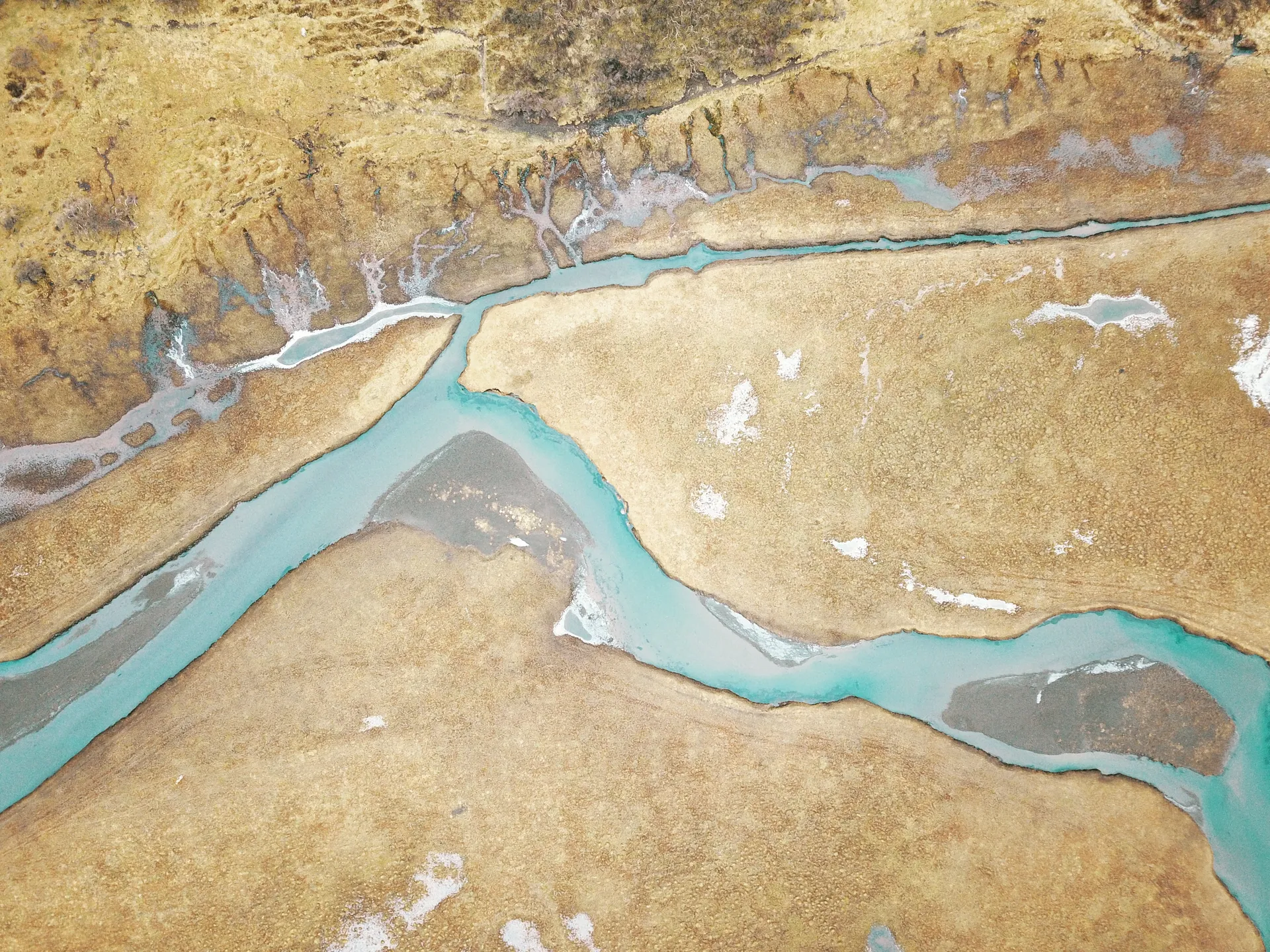
The Westfjords reward those willing to venture beyond the harbor. A short excursion leads to Bolungarvík, the northernmost settlement on this coast, where the Ósvör Maritime Museum recreates a traditional fishing station with turf-roofed huts pressed against the wind. Further afield, the crimson sands of Rauðasandur beach near Patreksfjörður present one of Iceland's most surreal landscapes — a vast copper-toned desert meeting Arctic surf. The geothermal village of Reykholt, birthplace of the medieval saga writer Snorri Sturluson, offers a contemplative counterpoint, while the thundering cascade of Dettifoss in northeastern Iceland — Europe's most powerful waterfall by volume — stands as a testament to the geological forces that continue to shape this island. The Reykjanes Peninsula, with its steaming fumaroles and the fissured ridge where tectonic plates visibly diverge, provides yet another dimension of Iceland's extraordinary diversity.
Ísafjörður's deepwater harbor accommodates an impressive roster of distinguished cruise lines, each offering passage through these storied waters. Silversea and Seabourn bring their signature intimacy to the fjords, while Crystal Cruises and Oceania Cruises provide refined itineraries that pair this remote port with broader Nordic exploration. Viking and Windstar Cruises emphasize cultural immersion with expert-led excursions, and Celebrity Cruises, Princess Cruises, and Holland America Line offer the Westfjords as jewels within their comprehensive northern European voyages. For those drawn to expedition-style sailing, HX Expeditions navigates closer to the raw coastline, while Cunard, P&O Cruises, and Norwegian Cruise Line incorporate Ísafjörður into grand circumnavigation routes. Ambassador Cruise Line and MSC Cruises round out the options, ensuring that virtually every style of ocean travel can deliver you to this magnificent threshold of the Arctic. The sailing season stretches from late May through September, with June and July offering nearly twenty-four hours of daylight — an ethereal phenomenon that transforms midnight into a second golden hour.