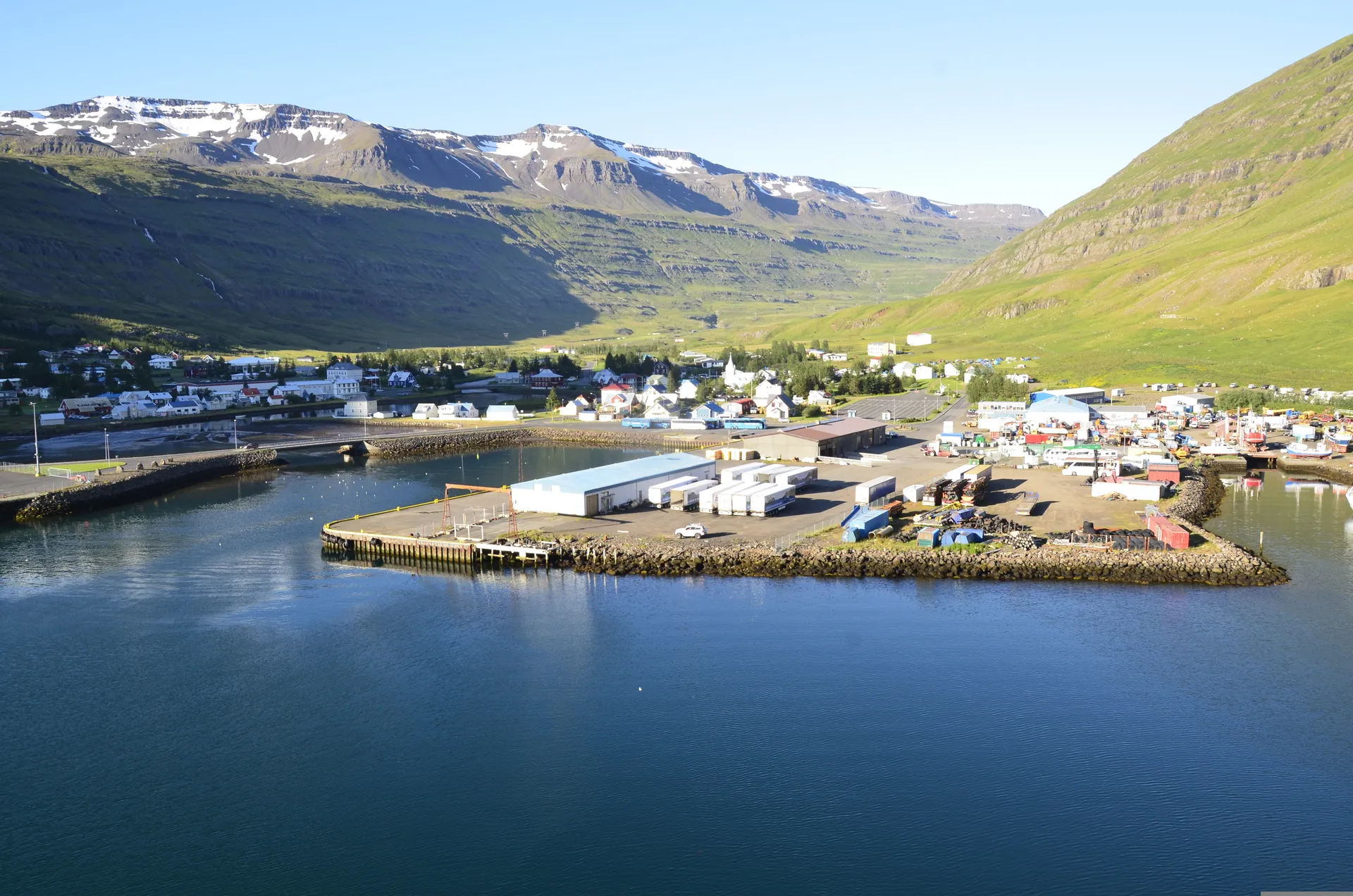
Nestled at the innermost reach of a slender fjord on Iceland's remote eastern coast, Seyðisfjörður has welcomed seafarers since the age of the Norse settlement in the ninth century. By the late nineteenth century, this sheltered harbour had become one of Iceland's most cosmopolitan outposts — the landing point for the first undersea telegraph cable connecting the island to Europe in 1906, and a thriving hub for Norwegian herring merchants whose timber houses, painted in the jewel tones of Scandinavian tradition, still line the waterfront today. It was here, too, that Allied forces established a strategic naval base during the Second World War, forever weaving the town's identity into the broader tapestry of North Atlantic history.
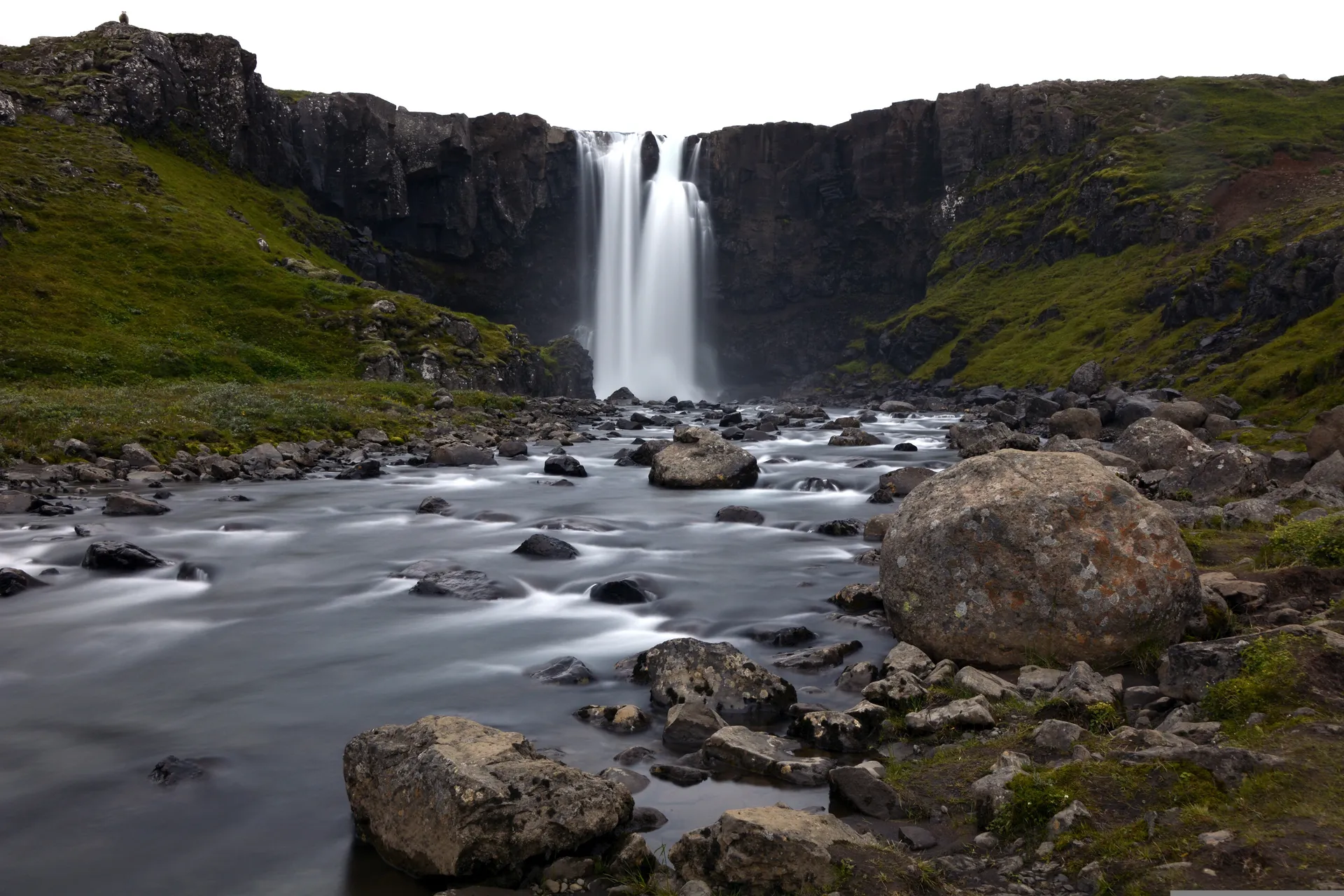
To arrive by sea is to understand why artists and wanderers have been drawn to this place for generations. The approach through the fourteen-kilometre fjord unfolds like a slow revelation — sheer basalt cliffs draped in moss give way to cascading waterfalls, and then, quite suddenly, a village of perhaps seven hundred souls appears, its candy-coloured houses reflected in water so still it seems lacquered. The landmark Bláa Kirkjan — the Blue Church — stands at the end of a rainbow-painted road, hosting intimate chamber concerts throughout the summer months. Galleries and studios occupy former fish factories along the harbour, and the annual LungA art festival transforms this tiny settlement into one of Europe's most unlikely creative capitals, drawing musicians, sculptors, and filmmakers from across the continent.
The culinary scene here is defined by an uncompromising devotion to terroir. At Kaffi Lára El Grillo Bar, the town's beloved gathering place, freshly landed Arctic char is pan-seared with Icelandic butter and served alongside hearty kjötsúpa, the lamb and root vegetable soup that has sustained East Fjords families through centuries of long winters. Seek out hangikjöt — birch-smoked lamb — sliced paper-thin and draped over dense rúgbrauð, the dark rye bread traditionally slow-baked in geothermal heat. For the adventurous palate, harðfiskur — wind-dried haddock — offers a concentrated essence of the sea, best enjoyed with a generous spread of Icelandic smjör. Pair any of these with a dram from one of the island's emerging craft distilleries, and you have a meal that is both austere and deeply satisfying.
The wider East Fjords region rewards those willing to venture beyond the harbour. A ninety-minute drive northwest leads to Dettifoss, Europe's most powerful waterfall, where glacial meltwater thunders into the Jökulsárgljúfur canyon with a force that trembles underfoot — a landscape so primordial it served as the opening sequence of Ridley Scott's *Prometheus*. The geothermal village of Reykholt, steeped in saga-era literary heritage as the home of the medieval chronicler Snorri Sturluson, offers a contemplative counterpoint to nature's raw spectacle. Further afield, the Westfjords town of Ísafjörður and the volcanic wonderland of Reykjanes each merit their own pilgrimages, though many travellers find that the quiet grandeur of the eastern coast — with its reindeer herds silhouetted against glacier-carved valleys — is reason enough to linger.
Seyðisfjörður's deep natural harbour and dramatic approach have made it a coveted port of call for expedition and luxury cruise lines navigating the waters between Northern Europe and the Arctic. Vessels from Viking, Holland America Line, Princess Cruises, and Celebrity Cruises regularly thread the fjord during the June-to-August sailing season, their passengers disembarking to a town that feels genuinely untouched by mass tourism. HX Expeditions and Windstar Cruises bring smaller ships that amplify the sense of intimacy, while AIDA and Ambassador Cruise Line have added Seyðisfjörður to their Iceland circumnavigation itineraries in recent years. The Smyril Line ferry *Norröna*, which connects to the Faroe Islands and Denmark, also calls here weekly — a reminder that this has been a working harbour long before the first cruise passenger set foot on shore.