The Indian subcontinent overwhelms in the most magnificent way possible—a sensory orchestra where colors are more saturated, flavors more intense, and history more densely layered than almost anywhere else on earth. Agra, India, offers its own movement within this grand composition, a place where the extraordinary has become ordinary through sheer abundance, and where every street corner presents a tableau that could occupy a photographer for hours.
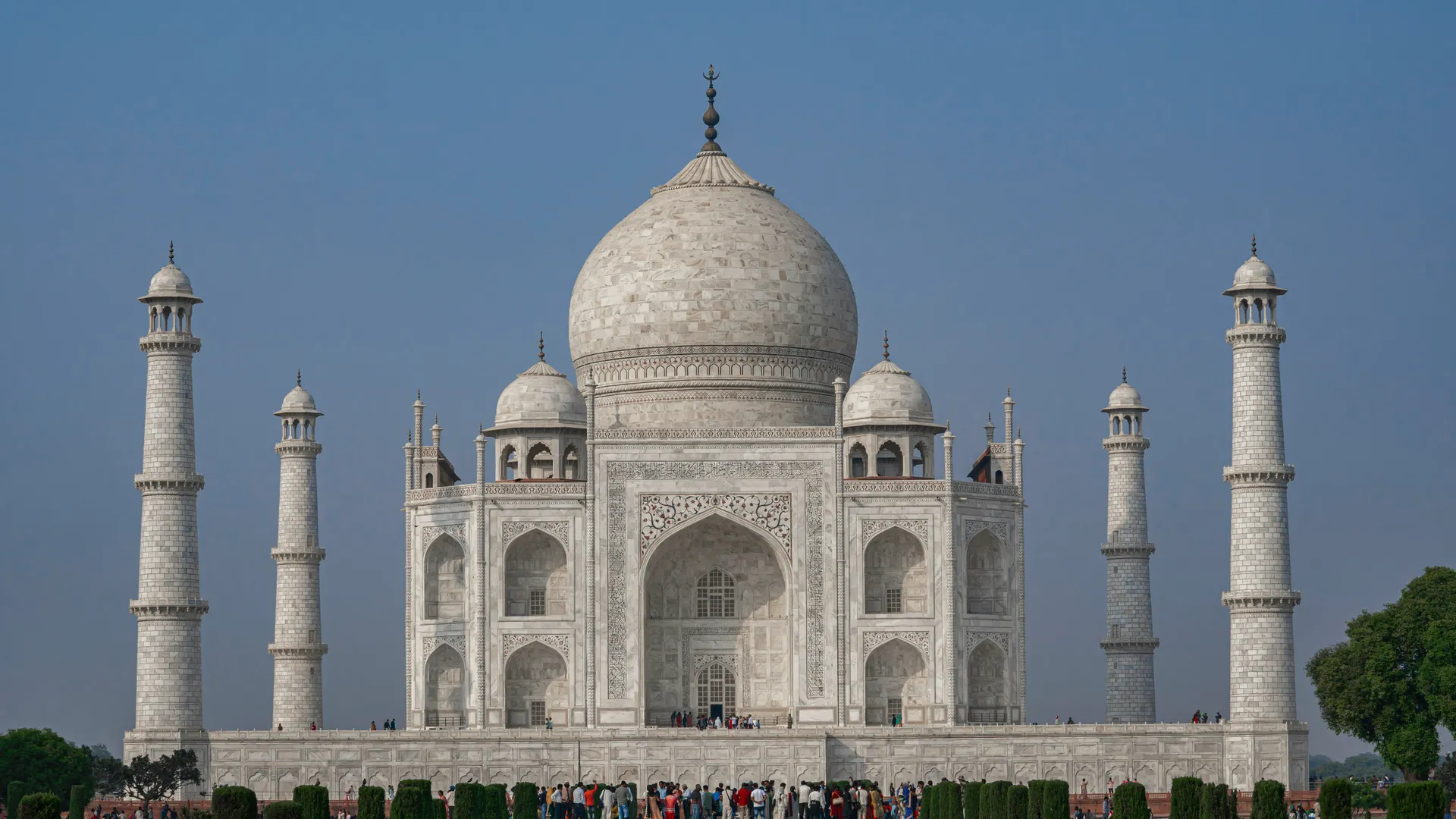
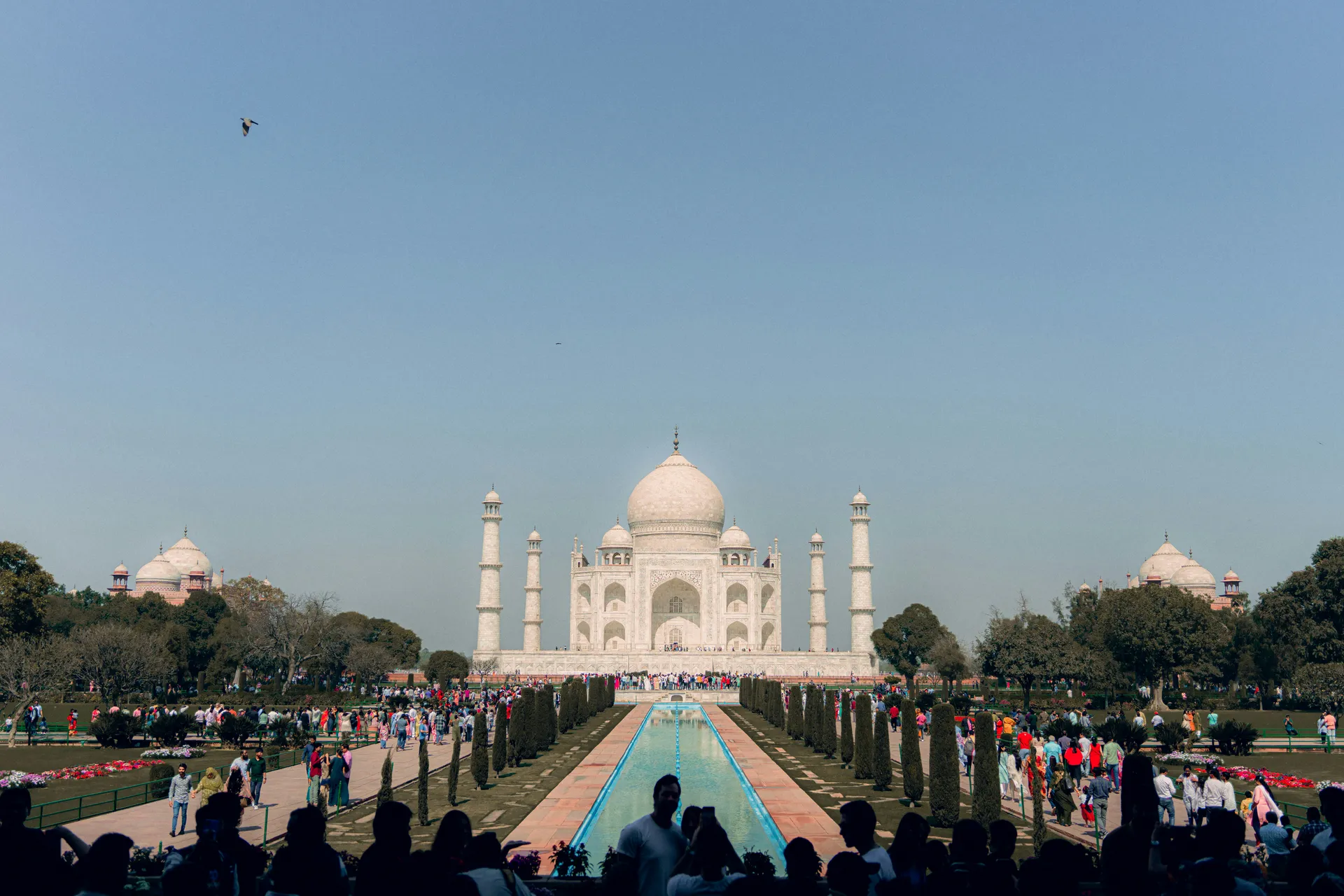
Agra is a city on the banks of the Yamuna river in the Agra district of the Indian state of Uttar Pradesh. It is 206 kilometres south of the national capital New Delhi. Agra is the fourth-most populous city in Uttar Pradesh and 24th in India. Agra, located in Uttar Pradesh, India, is world-renowned for the Taj Mahal, a UNESCO World Heritage Site and symbol of eternal love.
Agra possesses the kind of character that defies summary—a kaleidoscope of impressions that resolves differently with each viewing. Ancient temple carvings of breathtaking intricacy coexist with the cheerful chaos of modern commerce, sacred rivers flow past ghats where rituals unchanged for millennia continue to mark the passage of days, and the human panorama—from saffron-robed monks to silk-draped merchants—creates a pageant that no theater could stage. The architecture spans centuries and styles, each building adding its own voice to a conversation between past and present that never falls silent.
The cuisine of Agra constitutes a revelation even for travelers who believe they know South Asian food. Regional specialties prepared with spice combinations passed down through generations achieve flavors of remarkable complexity—dishes that simultaneously whisper and shout, that balance heat with fragrance, richness with brightness. Street food vendors demonstrate artisanal skill at democratic prices, while more formal dining rooms present the same traditions with refined presentation. Markets overflow with pyramids of jewel-toned spices, garlands of marigolds, and ingredients whose names you may not know but whose aromas compel investigation.
Nearby destinations including Kalna, Pench National Park and Yenwaoupnor provide rewarding extensions for those whose itineraries allow further exploration. Beyond Agra, the surrounding region offers experiences of extraordinary range—wildlife sanctuaries where endemic species move through landscapes of primal beauty, sacred sites that draw pilgrims from across the subcontinent, tea plantations draped across misty hillsides, and artisan workshops where traditional crafts are maintained with quiet dedication. Each excursion reveals another facet of South Asia's inexhaustible diversity.
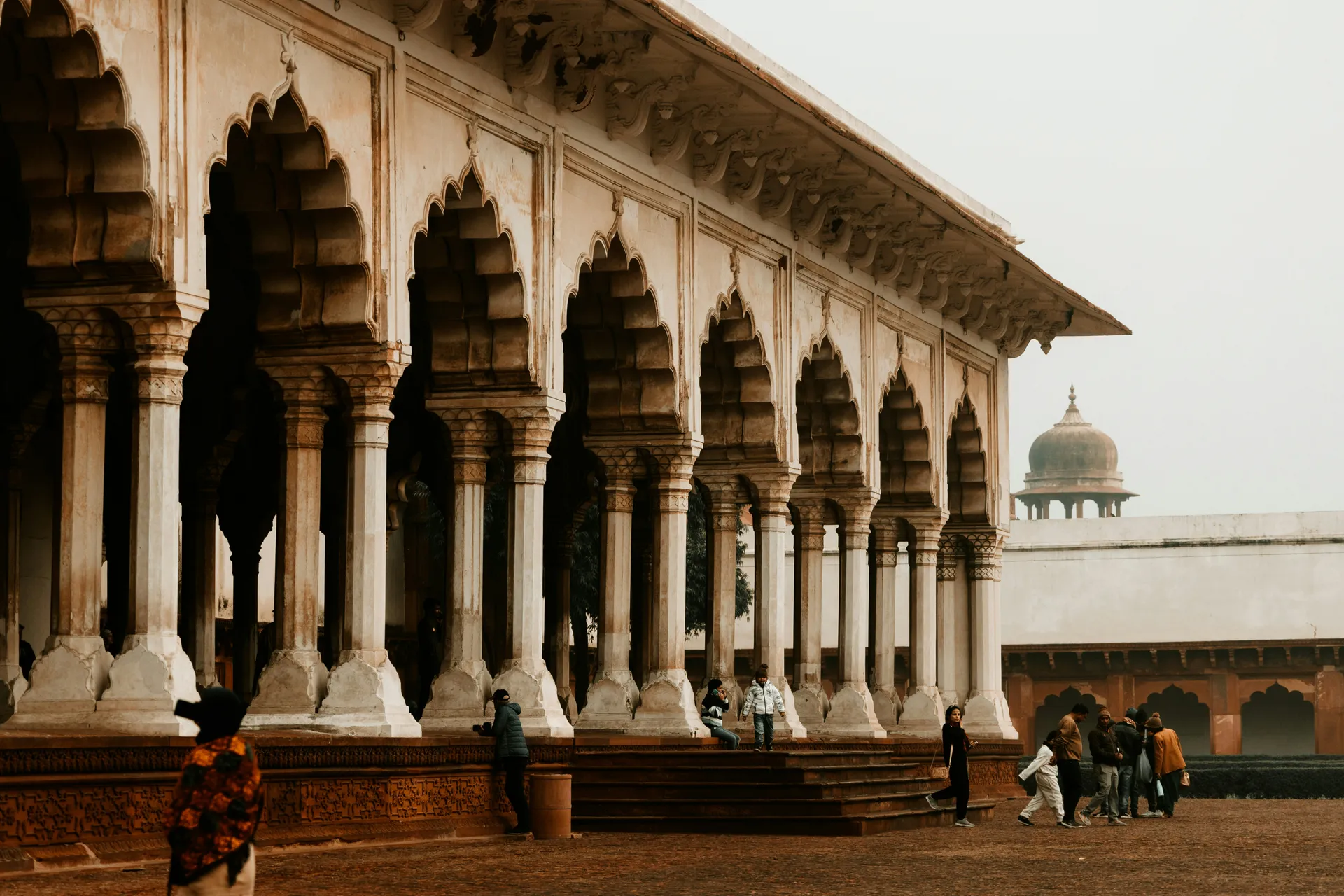
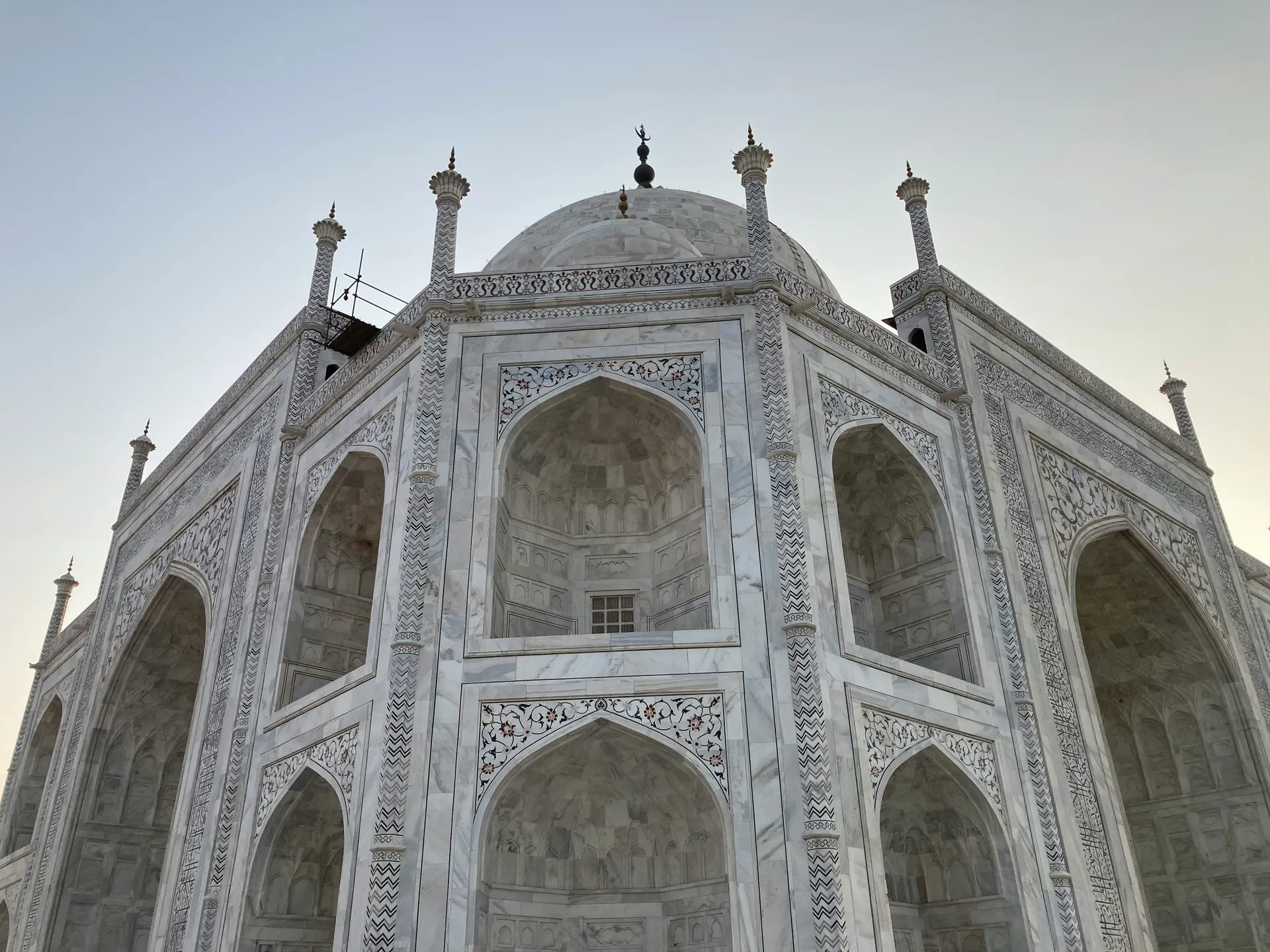
What distinguishes Agra from comparable ports is the specificity of its appeal. Built by Emperor Shah Jahan in memory of his wife Mumtaz Mahal, the Taj Mahal features stunning white marble architecture. Agra also boasts other Mughal marvels like the Agra Fort and Fatehpur Sikri. The city is steeped in history, reflecting its significance during the Mughal era. These details, often overlooked in broader surveys of the region, constitute the authentic texture of a destination that reveals its true character only to those who invest the time to look closely and engage directly with what makes this particular place irreplaceable.
Uniworld River Cruises features this destination on its carefully curated itineraries, bringing discerning travelers to experience its singular character. The optimal visiting period is October through April, when cooler temperatures and lower humidity create ideal conditions. Travelers should prepare for sensory intensity, dress modestly when visiting sacred sites, and arrive with the understanding that South Asia does not reveal itself to the hurried or the inflexible—it rewards patience, openness, and the willingness to be genuinely transformed by what you encounter.