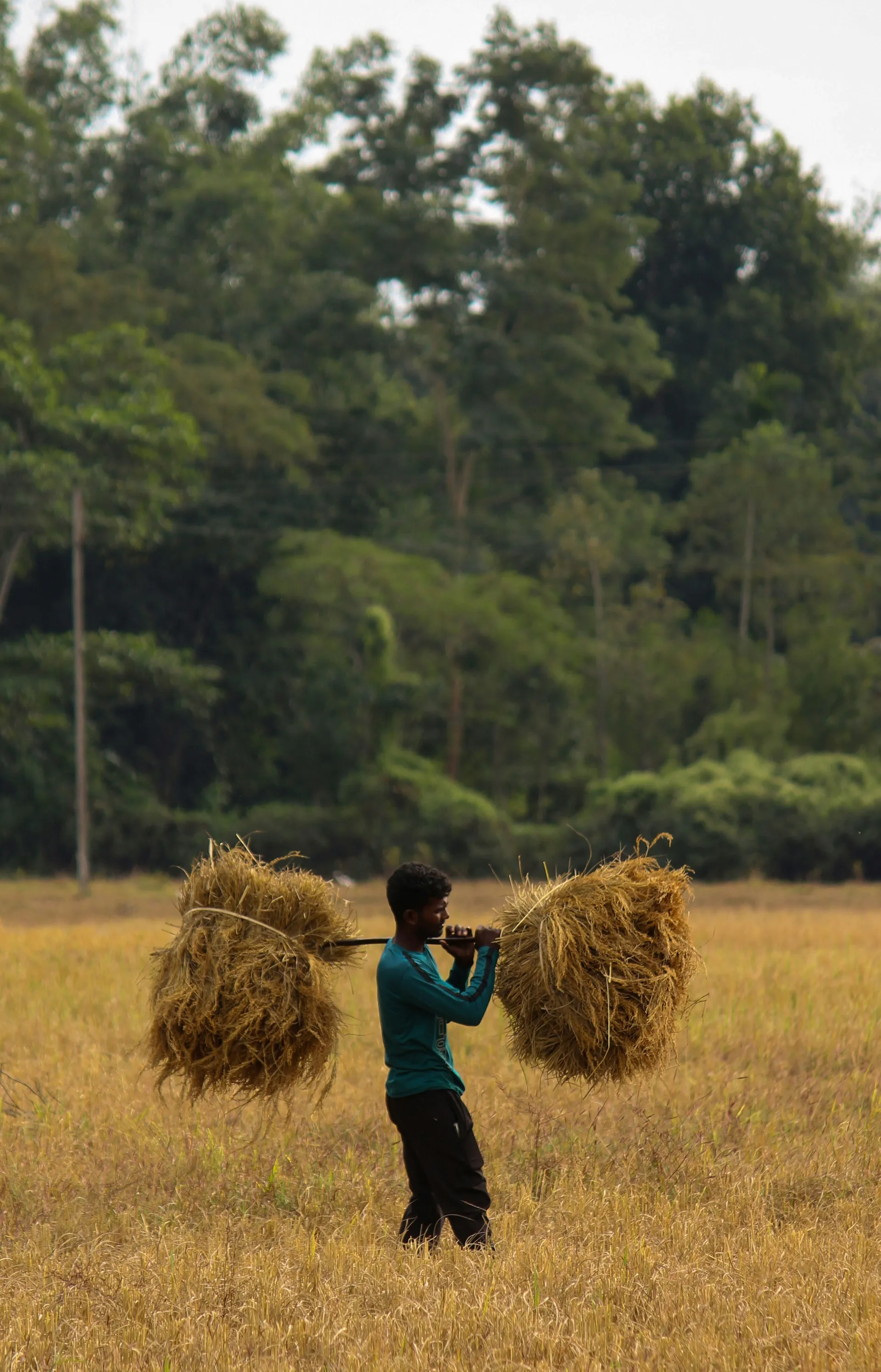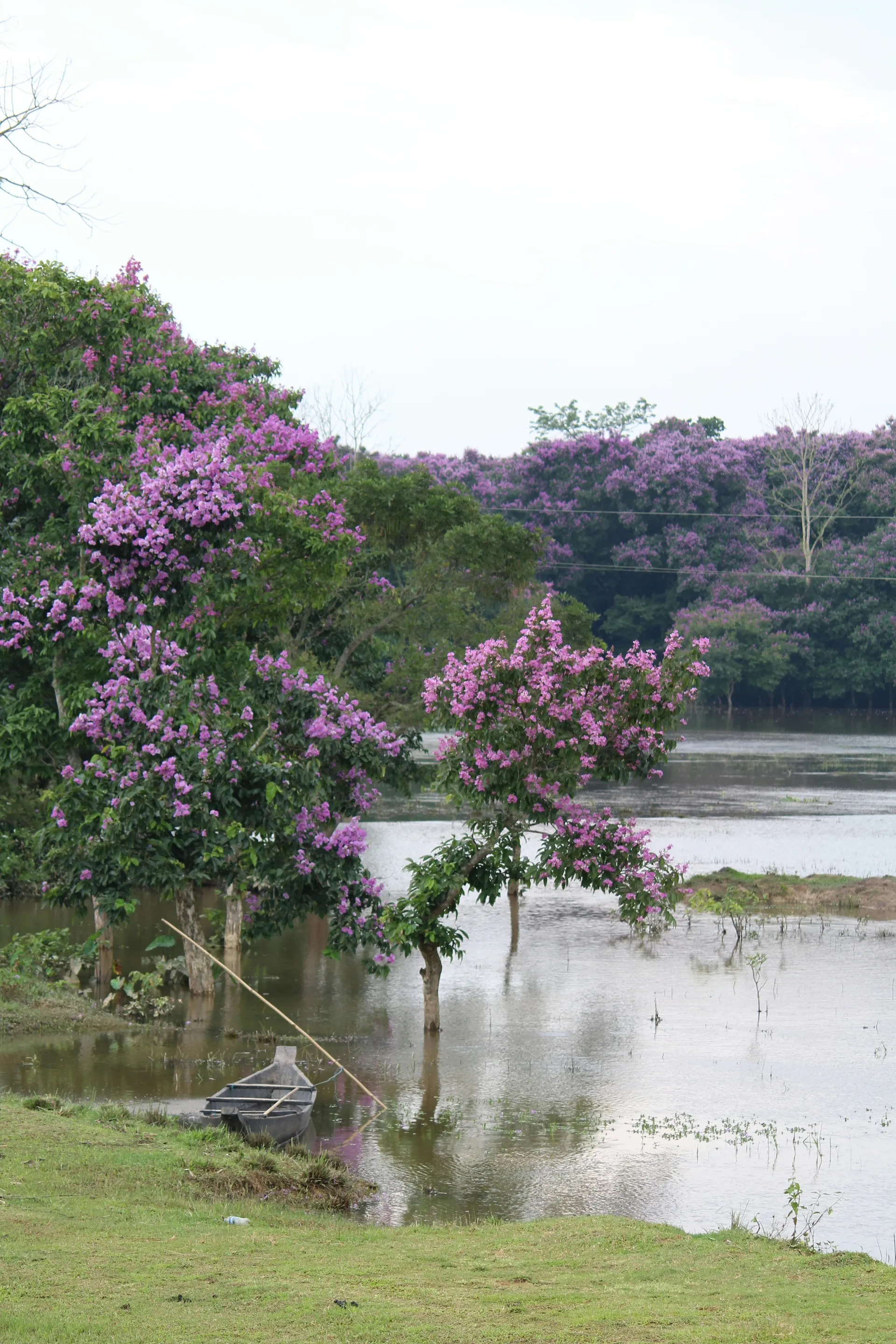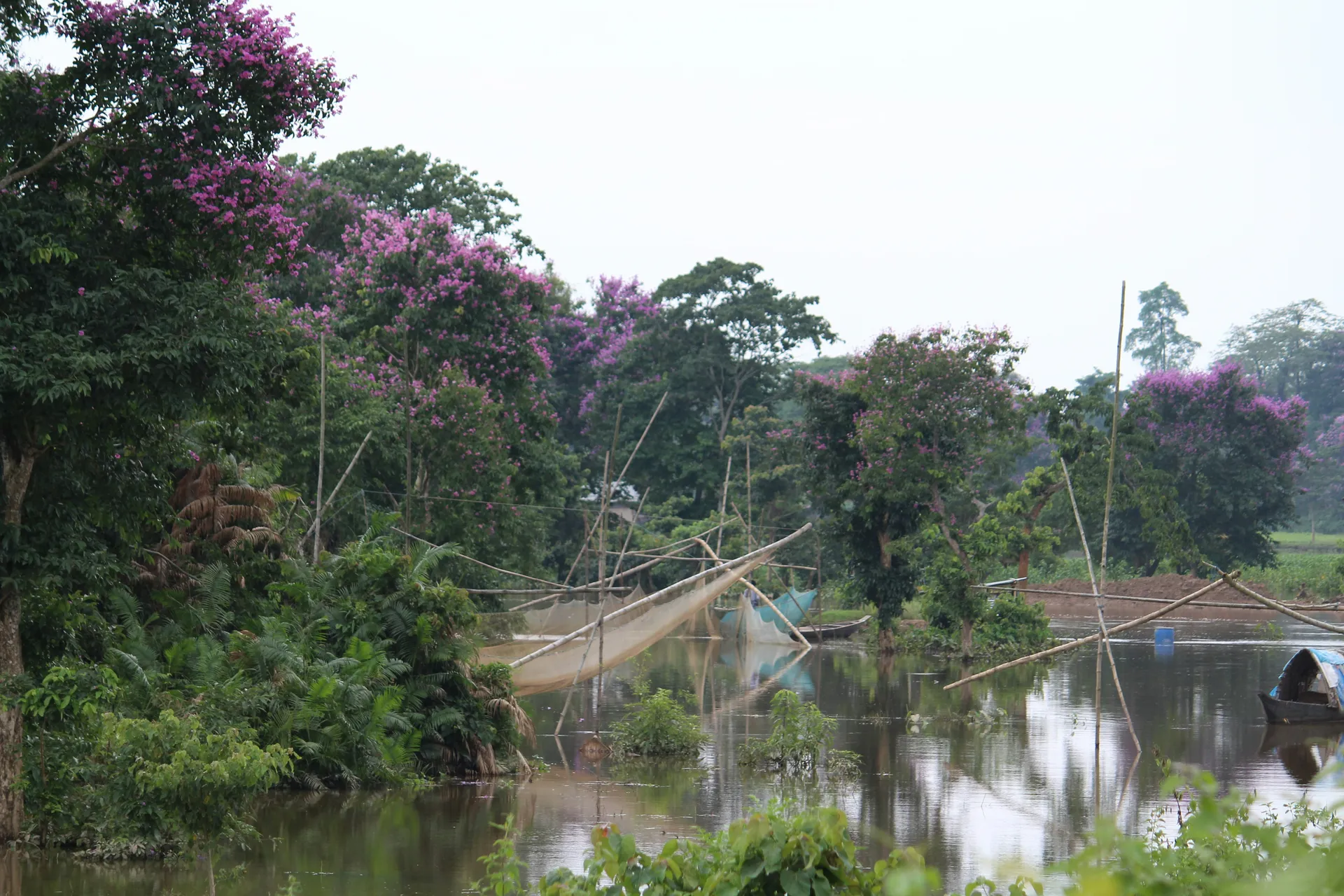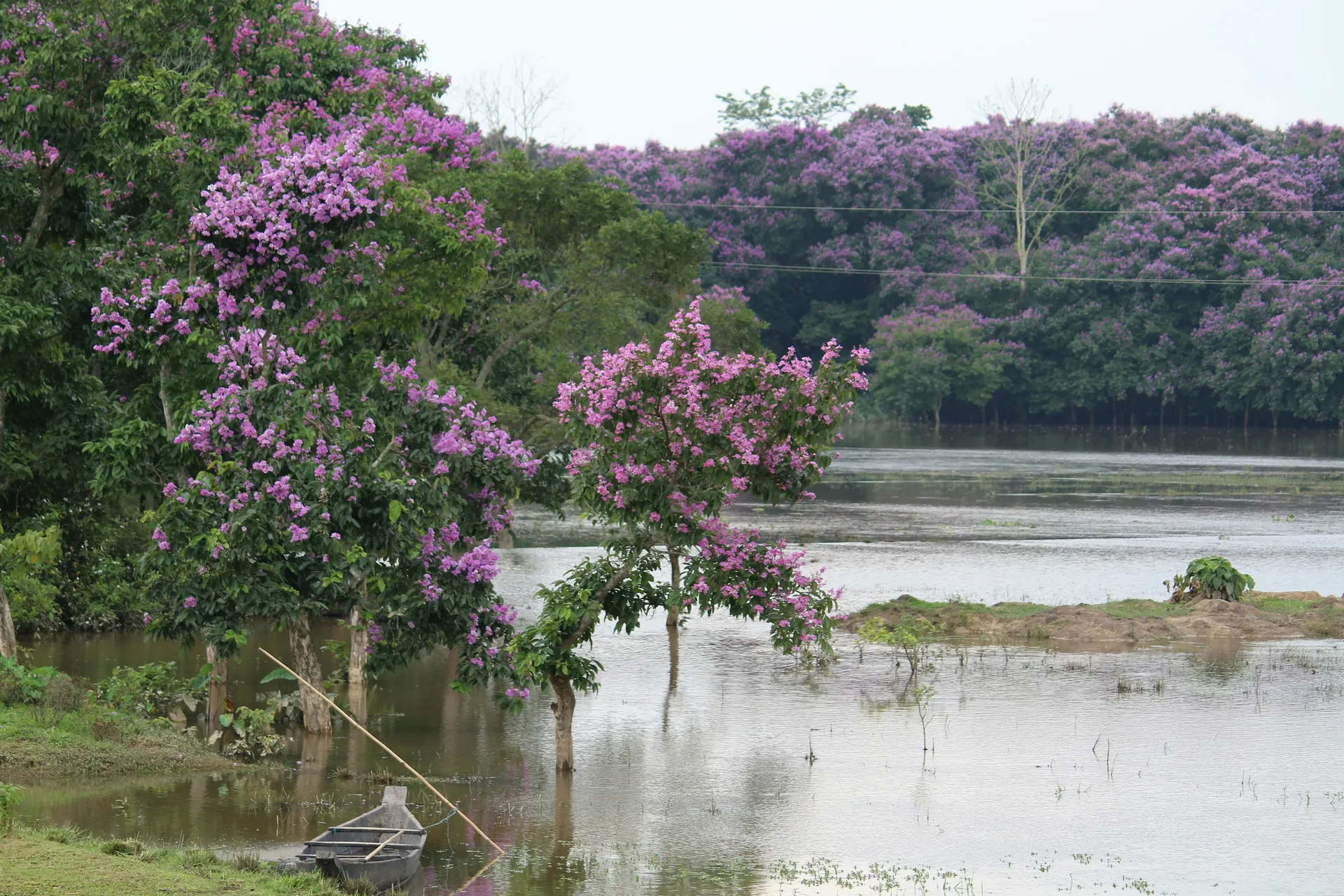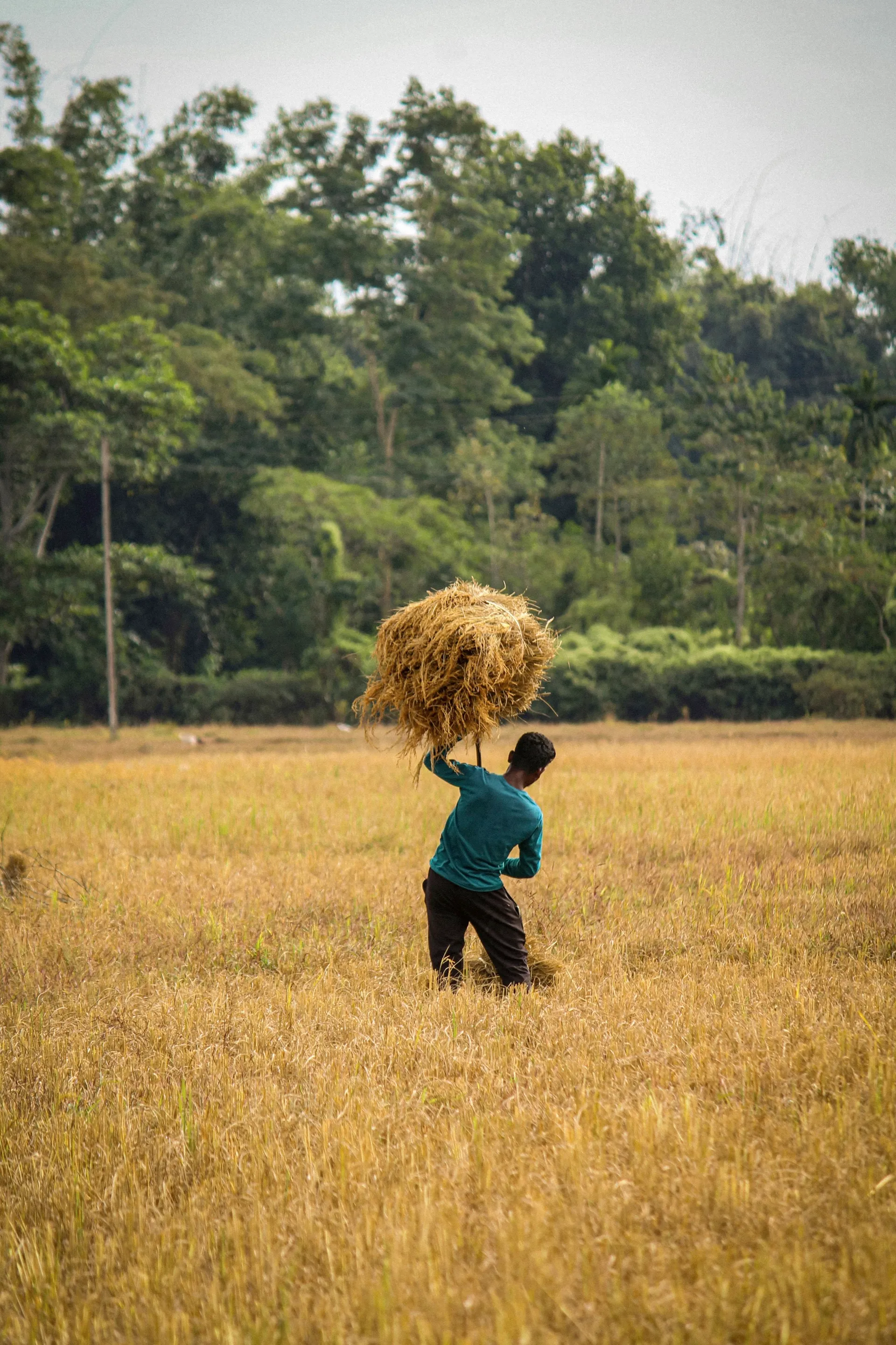
Jorhat sits in the upper Brahmaputra Valley of Assam, northeastern India — a region of tea gardens, rice paddies, and the vast braided channels of the Brahmaputra River that stretches to the Himalayan foothills and the borders of Myanmar, Bhutan, and China. This was once the heartland of the Ahom Kingdom, a dynasty of Tai origin that ruled Assam for over six centuries (1228–1826), successfully resisting Mughal invasion on seventeen occasions and developing a sophisticated civilization whose architectural, literary, and cultural achievements are only now receiving the international recognition they deserve. Jorhat, the last capital of the Ahom Kingdom before British annexation, carries this heritage quietly — a bustling commercial town of approximately 350,000 people that serves as the gateway to some of the most extraordinary landscapes and cultural experiences in India.
The character of Jorhat is defined by tea. The town is surrounded by some of the most productive tea estates in the world — Assam produces over half of India's tea, and the strong, malty, deeply colored brew that emerges from these gardens is the foundation of chai culture across the subcontinent. A visit to a working tea estate — walking between the rows of meticulously pruned Camellia sinensis bushes, watching the pluckers (predominantly women) fill their baskets with the tender two-leaves-and-a-bud, observing the withering, rolling, oxidizing, and drying processes in the factory — provides an insight into an industry that has shaped Assam's economy, demographics, and landscape for over 180 years. The tea bungalows — colonial-era managers' residences, many now converted to heritage accommodation — offer a window into the plantation culture that British enterprise established and Indian independence transformed.
Assamese cuisine is one of India's most distinctive and least known regional food traditions. Rice is the staple — Assam produces some of India's finest varieties, including joha (a fragrant, short-grained variety used in special dishes) and bora (glutinous rice for sweets and snacks). Fish from the Brahmaputra and its tributaries — rohu, catla, pabda, and the prized maasor tenga (sour fish curry with tomato, lemon, and elephant apple) — dominate the protein intake. The cuisine makes extensive use of fermented and dried fish, bamboo shoot, and the distinctive alkali flavoring from banana stem ash. Pitha (rice cakes) in dozens of varieties mark festivals and celebrations, and the ubiquitous tamul-paan (betel nut and leaf) is offered as a gesture of welcome and respect across Assamese society.
The attractions surrounding Jorhat are extraordinary in their diversity. Majuli Island, a forty-five-minute ferry ride across the Brahmaputra, is the world's largest river island — a 352-square-kilometer floodplain of rice fields, bamboo groves, and satras (Vaishnavite monasteries) that have preserved a unique tradition of dance, drama, mask-making, and devotional art for five centuries. The satras of Majuli — Kamalabari, Auniati, Dakhinpat — function as living cultural institutions where monks perform the Sattriya classical dance form and create the spectacular masks and costumes used in religious festivals. Kaziranga National Park, a UNESCO World Heritage site fifty kilometers southwest of Jorhat, harbors two-thirds of the world's one-horned rhinoceros population, along with tigers, wild elephants, and an extraordinary concentration of waterbirds in its wetlands and grasslands.
Jorhat is served by Rowriah Airport with daily flights from Kolkata and Guwahati, and by rail on the broad-gauge network connecting Assam to the rest of India. River cruise passengers on the Brahmaputra typically access Jorhat's surrounding attractions — Majuli, Kaziranga, tea estates — as part of multi-day itineraries between Guwahati and Dibrugarh. The best visiting season is October to April, when the monsoon has receded, temperatures are pleasant (15–25°C), and Kaziranga's wildlife is most visible. The monsoon season (June–September) brings torrential rain and flooding that makes Majuli largely inaccessible but turns the Brahmaputra into a spectacle of liquid force.