On the western bank of the Bhagirathi River — the principal distributary of the sacred Ganges as it winds through the clay plains of Bengal — the temple town of Kalna holds one of the most remarkable concentrations of terracotta architecture in all of India. This modest settlement in the Purba Bardhaman district of West Bengal was, between the 17th and 19th centuries, a favoured project of the Bardhaman Raj, whose maharajas endowed Kalna with a constellation of temples whose elaborately decorated facades rank among the finest examples of Bengal's distinctive terracotta art tradition.
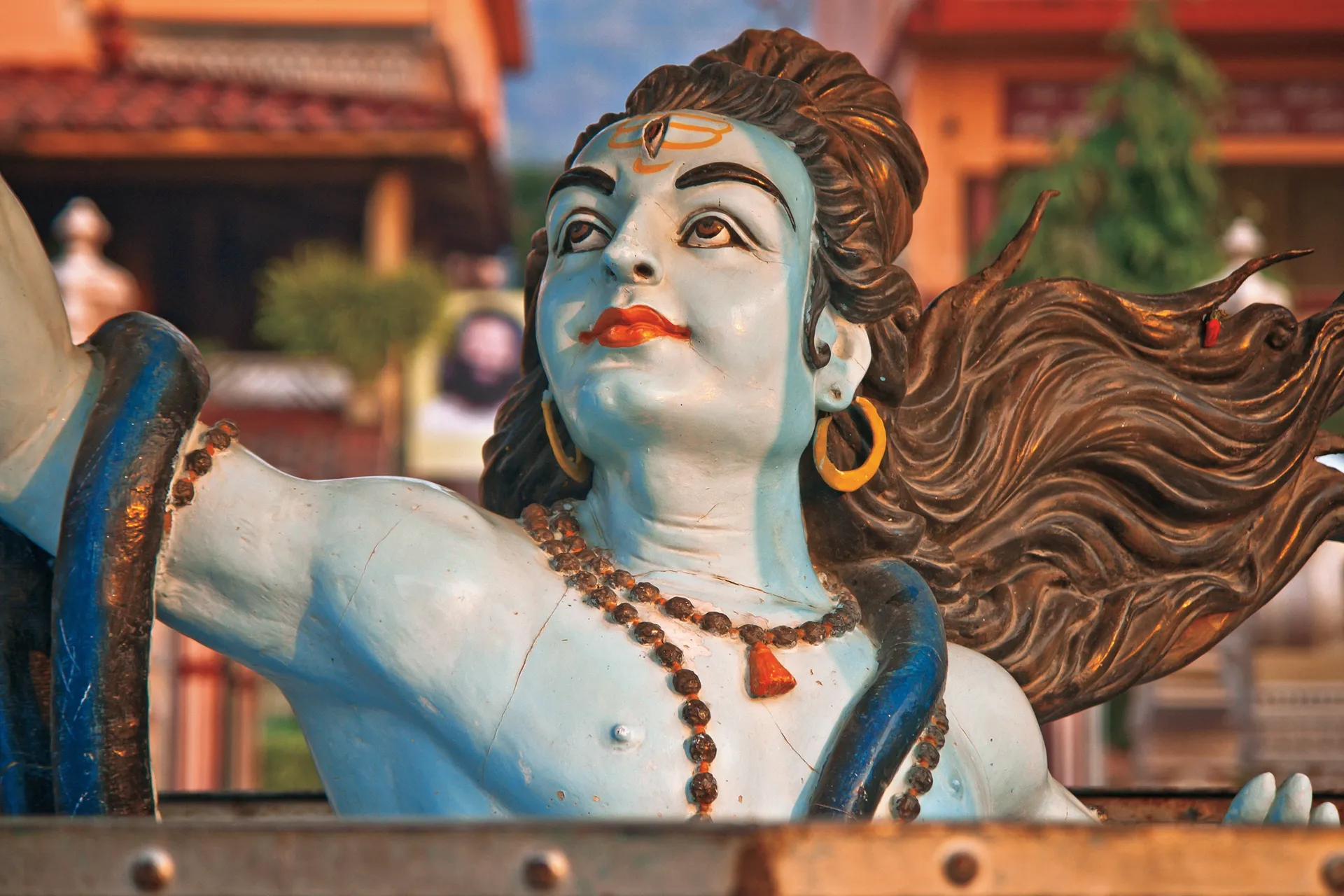
The crown jewel of Kalna is the Rajbari temple complex, anchored by the extraordinary 108 Shiva Temples — two concentric circles of small, identical shrines arranged around a central courtyard, each containing a Shiva lingam and topped by a terracotta spire. Built in 1809 by Maharaja Tejchandra Bahadur, the mandala-like arrangement is both a devotional installation and a geometric marvel, the symmetry of the twin circles creating a visual rhythm that draws visitors inexorably toward the centre. The Pratapeswar Temple and the Ananta Vasudeva Temple, both within the Rajbari compound, display narrative panels depicting scenes from the Ramayana, the Mahabharata, and daily Bengali life — fishing, hunting, courtship, and festival celebrations rendered in clay with a vitality that makes the temple walls read like graphic novels from a pre-literate age.
Bengali cuisine in Kalna and the surrounding Bardhaman region is a revelation for travellers accustomed to the restaurant versions of Indian food. The local specialty, Bardhaman sitabhog and mihidana — two iconic sweetmeats made from rice flour and sugar syrup, one resembling translucent vermicelli and the other tiny golden beads — carry a Geographical Indication tag as unique products of this district. River fish, particularly ilish (hilsa), is prepared in mustard sauce or steamed in banana leaves, the delicate flesh absorbing the pungent, earthy flavours that define Bengali cooking. Streetside vendors serve jhal muri — puffed rice tossed with mustard oil, green chilies, and chopped onions — a snack so ubiquitous and so perfectly calibrated to the Bengal palate that it functions as a regional emblem.
The Bhagirathi River itself is central to the Kalna experience. The ghats — stone steps descending to the water — are gathering places for daily ritual, laundry, and the unhurried social life that has defined riverside communities in Bengal for millennia. In the early morning, the river surface catches the slanted light in sheets of gold, and the silhouettes of temple spires along the western bank create a skyline that has scarcely changed in two centuries. Upstream, the town of Nabadwip, birthplace of the 15th-century mystic Chaitanya Mahaprabhu and the spiritual capital of Bengal's Vaishnava tradition, is accessible by boat or road.
Kalna is visited by Uniworld River Cruises on their Ganges river itineraries, with vessels mooring at the town's riverside ghats. The ideal visiting season is October through March, when the monsoon has receded, temperatures are comfortable, and the quality of light over the river and temple complexes is at its most photogenic. The Durga Puja festival in October, Bengal's grandest celebration, transforms the entire region into a spectacle of art, devotion, and communal feasting.

