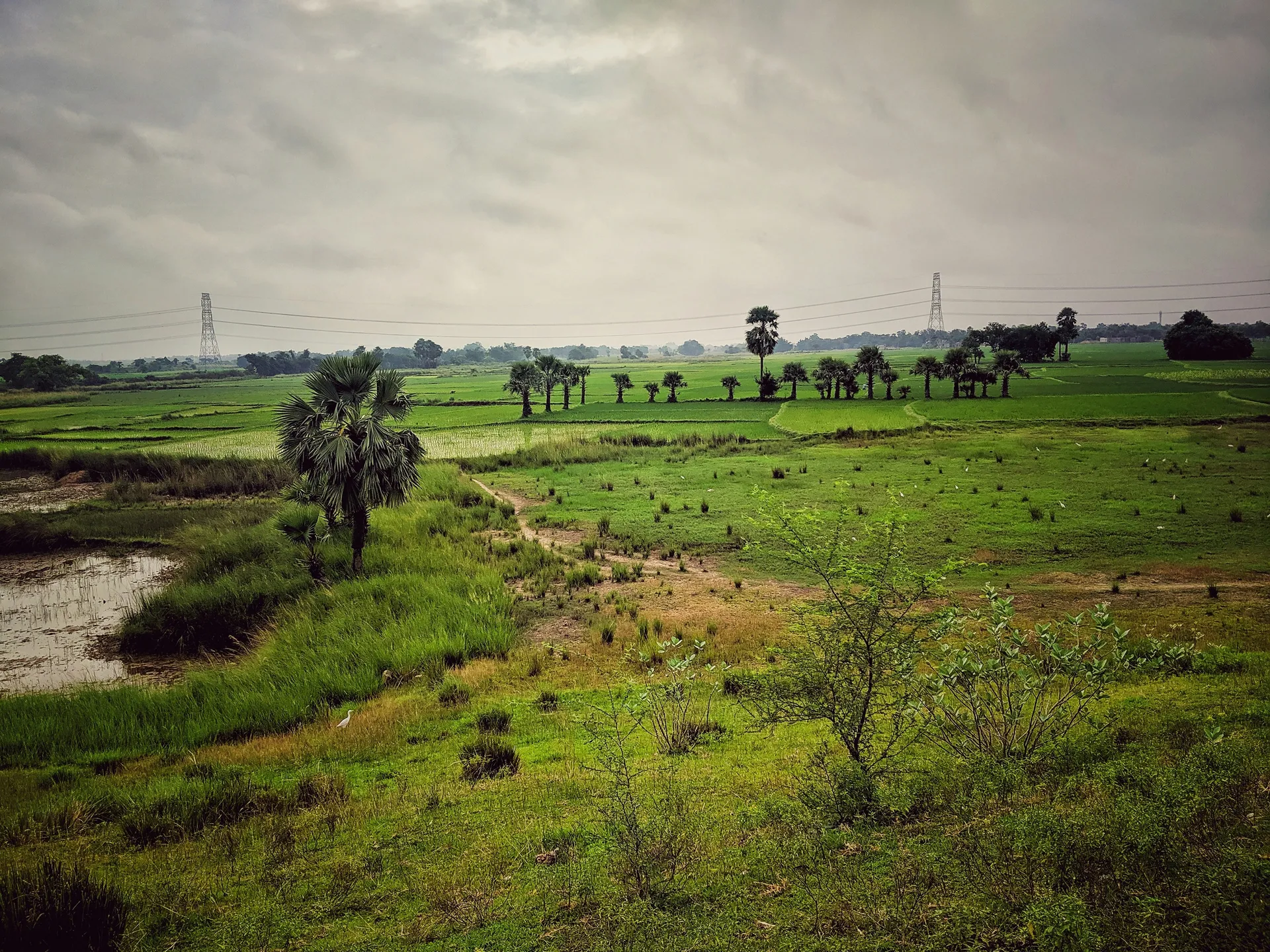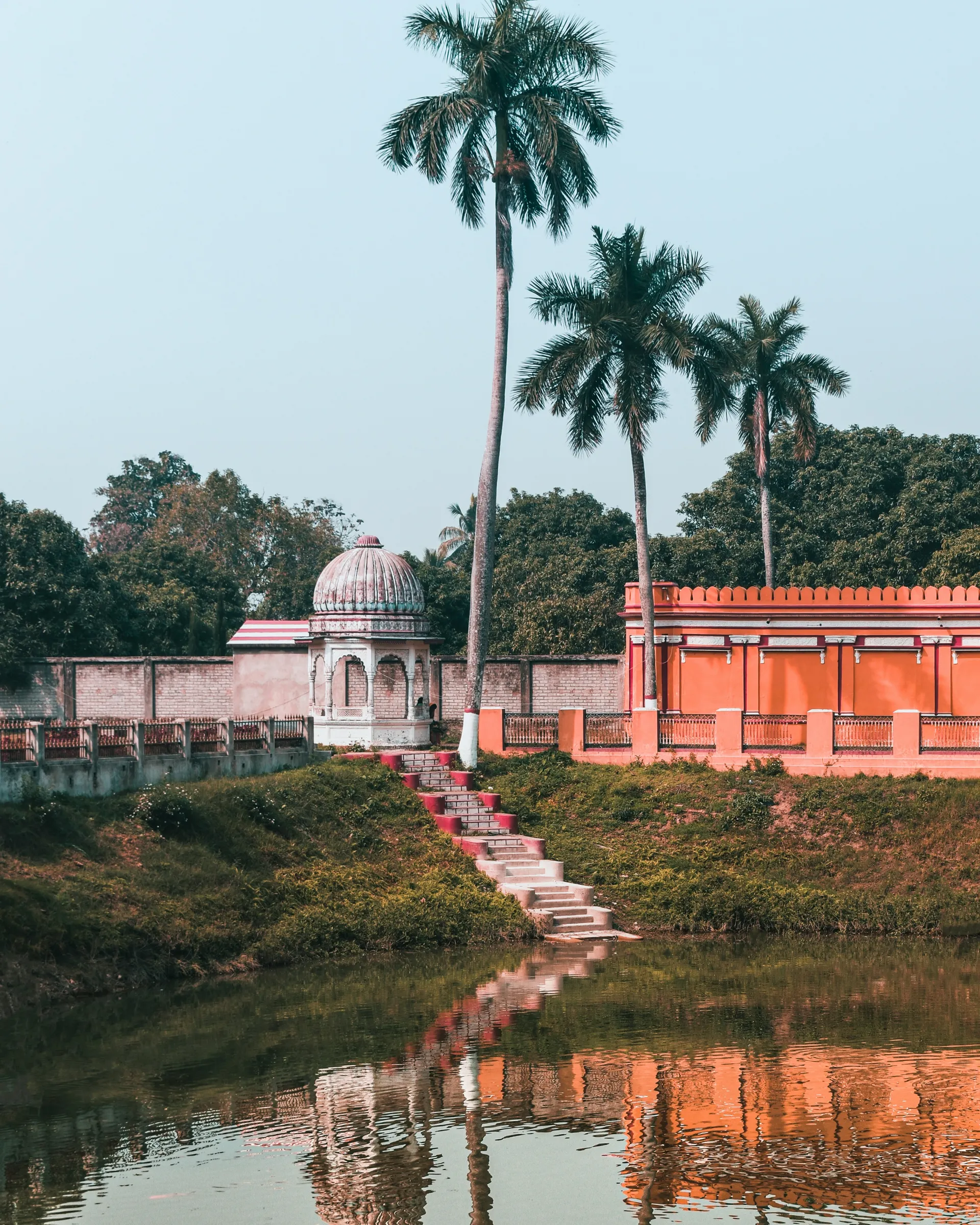
In the silted plains of Bengal, where the Bhagirathi River curves through a landscape of rice paddies and mango groves, the city of Murshidabad preserves the ghostly grandeur of an era when it was one of the wealthiest and most powerful capitals in the world. As the seat of the Nawabs of Bengal from 1717 to 1772, Murshidabad controlled the trade routes of the Ganges delta, commanded revenues that exceeded those of contemporary Britain, and played a pivotal role in the events that led to British colonial rule over India. The Battle of Plassey in 1757, fought just south of the city, is widely regarded as the moment the British Empire in India truly began.
The city's architectural legacy is extraordinary, though time and the relentless Bengal climate have taken their toll. The Hazarduari Palace — the "Palace of a Thousand Doors" — is a magnificent neoclassical structure built in 1837 that now houses one of India's most important regional museums, its halls filled with Mughal paintings, arms and armor, ivory carvings, and the legendary collection of walking sticks and swords accumulated by the later Nawabs. The Katra Mosque, built by Nawab Murshid Quli Khan in 1724 as the centerpiece of his capital, was once the largest mosque in Bengal — its crumbling arches and weathered domes still convey immense authority, while the Nawab's tomb lies buried beneath its main staircase, in an act of humility that still moves visitors.
Bengali cuisine in Murshidabad carries the imprint of the Nawabi court. The region's cooking represents a refined fusion of Mughal and Bengali traditions — biryanis fragrant with saffron and rose water, delicate kosha mangsho (slow-cooked mutton), and the signature murshidabadi cuisine that elevates humble ingredients through patient spicing and expert technique. River fish — hilsa, rohu, and katla — are prepared in mustard sauce, steamed in banana leaves, or fried to golden crispness. The local sweets are legendary: sandesh, rosogolla, and the distinctive sitabhog and mihidana, paired sweets of such fame that they have received geographical indication status.
The riverine landscape surrounding Murshidabad rewards exploration. The Bhagirathi, a distributary of the Ganges, flows past the city in broad, lazy curves, its banks dotted with historic structures, bathing ghats, and villages that have changed little over centuries. A boat ride along the river provides the best perspective on the scale of the old Nawabi capital — palaces, tombs, and mosques line the banks for kilometers, many slowly succumbing to the river's erosion. The historic silk-weaving quarter, where artisans produce Murshidabad silk using techniques unchanged for centuries, offers a glimpse into the textile tradition that once made this city the center of global luxury trade.
Murshidabad is typically visited as part of river cruise itineraries on the Ganges or Hooghly, or as a day excursion from Kolkata (approximately 220 kilometers by road or rail). The Hazarduari Palace and the major historical sites are walkable, though cycle-rickshaws provide a characterful alternative. The most comfortable visiting season is October to March, when the monsoon has retreated and temperatures are moderate. The monsoon months (June to September) bring dramatic skies and lush green landscapes but also flooding and difficult travel conditions. Murshidabad offers a window into a chapter of Indian history that shaped the modern world — a city where the grandeur of empire and the melancholy of its passing coexist with undeniable power.