New Delhi is a city of two temporal registers — the deep, ancient pulse of a settlement that has served as a seat of power for at least 2,500 years, and the brisk, cosmopolitan rhythm of a modern capital of 32 million people that serves as the administrative, political, and cultural center of the world's most populous nation. The "New" in New Delhi refers specifically to the colonial capital designed by Edwin Lutyens and Herbert Baker, inaugurated in 1931 as the seat of British India — a city of grand boulevards, circular geometries, and sandstone government buildings that radiate from Rashtrapati Bhawan (the President's House) with the self-conscious dignity of imperial architecture. But Delhi's history predates the British by millennia: at least seven previous cities have risen and fallen on this site, their ruins layered beneath the modern metropolis like geological strata.
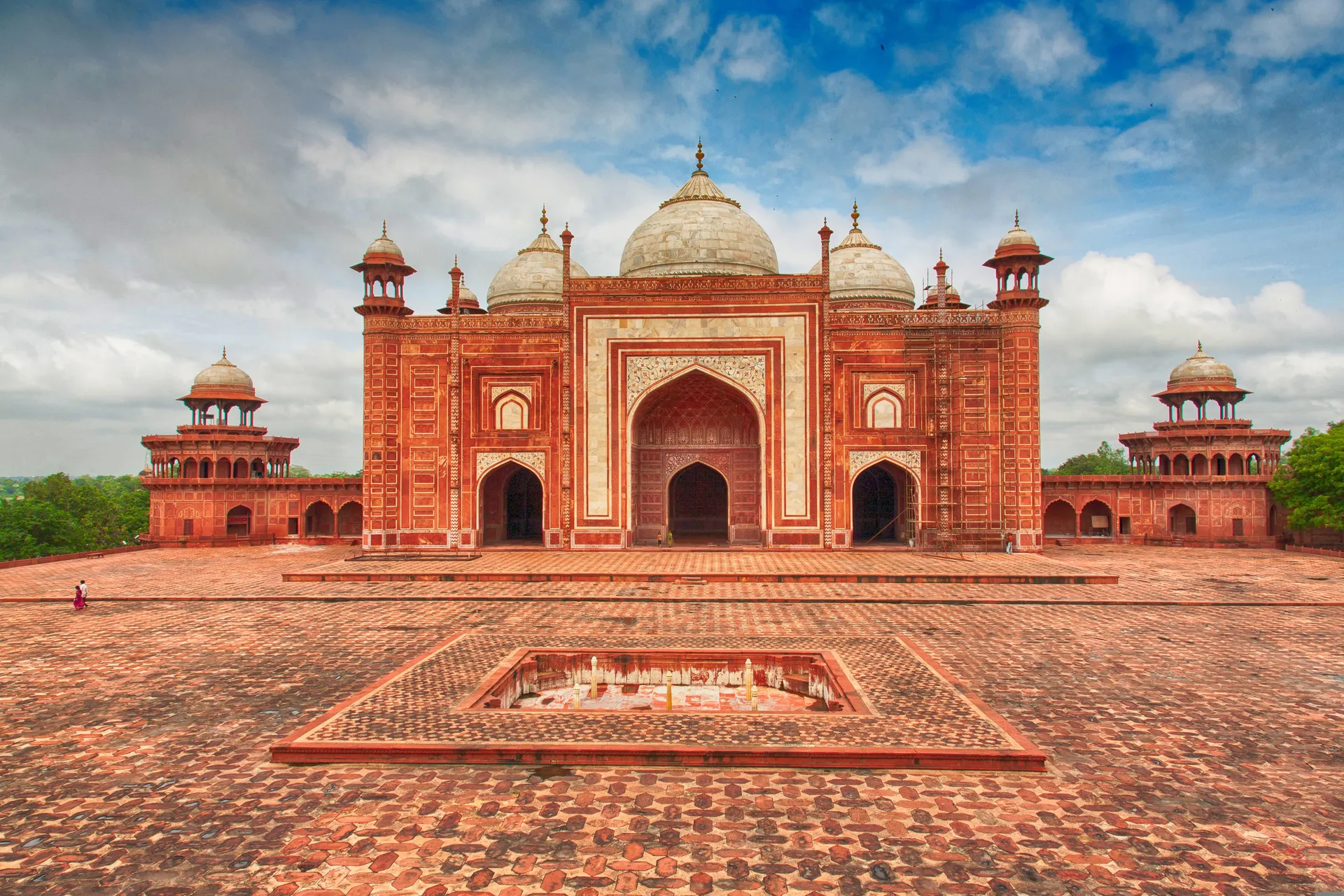
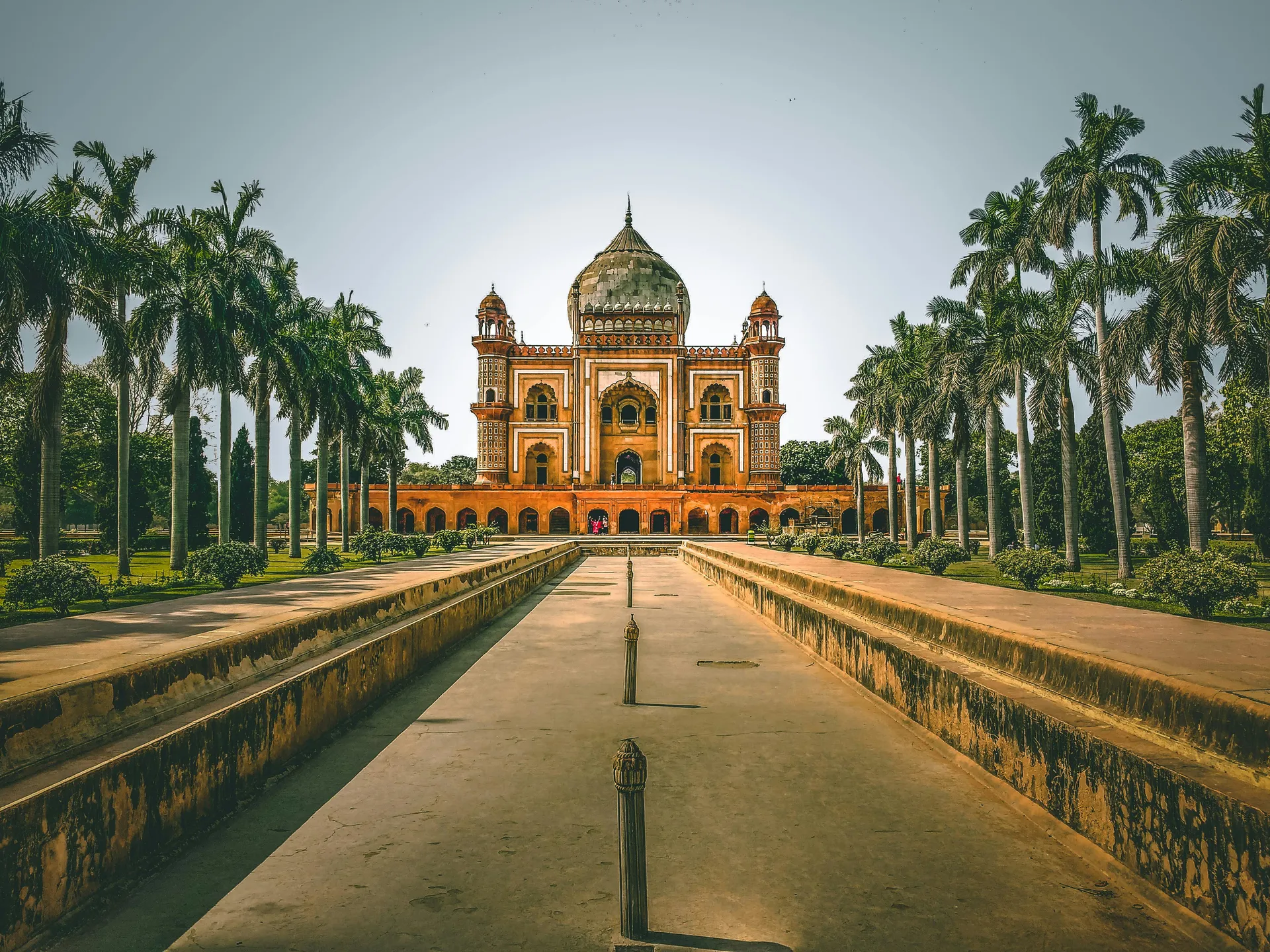
The monuments of Delhi span the full arc of Indian civilization. The Qutub Minar, a 73-meter victory tower begun in 1193 by Qutb ud-Din Aibak, marks the arrival of Islamic rule in India and stands amid the ruins of the first Delhi sultanate — its intricately carved sandstone surfaces recording Quranic inscriptions in a calligraphy of extraordinary beauty. Humayun's Tomb, built in 1570, is the direct architectural ancestor of the Taj Mahal — its symmetrical gardens, red sandstone walls, and white marble dome establishing the template that Shah Jahan would perfect sixty years later in Agra. The Red Fort (Lal Qila), whose massive red sandstone walls enclose the palaces and audience halls of the Mughal emperors, dominates the Old Delhi skyline and serves as the backdrop for India's Independence Day celebrations each August 15.
The culinary landscape of Delhi is one of the richest and most diverse in Asia. Old Delhi's Chandni Chowk — a market street built by Shah Jahan's daughter in the seventeenth century — is a legendary food destination where parathas (stuffed flatbreads) are fried at Paranthe Wali Gali, where Karim's has served Mughlai cuisine (kebabs, biryanis, kormas) since 1913, and where the narrow lanes harbor chaat vendors whose golgappas (crispy shells filled with spiced water and chutneys) induce a flavor explosion that nothing in Western cuisine quite prepares you for. Modern Delhi has embraced fine dining with enthusiasm: Indian Accent, consistently ranked among Asia's best restaurants, reimagines Indian cuisine with global technique, while the city's growing wine and cocktail culture reflects the cosmopolitan aspirations of a rising middle class.
Beyond the monuments, Delhi offers cultural experiences of extraordinary depth. The National Museum houses one of the world's finest collections of Indian art, from Harappan civilization (2600–1900 BCE) through Mughal miniatures to contemporary installations. The Lodhi Art District, an open-air gallery of street art murals on residential buildings, provides a contemporary counterpoint to the ancient monuments. The bazaars of Dilli Haat, Janpath, and Khan Market offer shopping that ranges from traditional handicrafts (textiles, jewelry, ceramics from every Indian state) to international fashion and design. And the spiritual life of the city — expressed through Hindu temples, Sikh gurdwaras, Sufi shrines, Jain temples, and Christian churches — creates a tapestry of devotional practice that reflects India's extraordinary religious diversity.
Delhi is served by Indira Gandhi International Airport, one of Asia's largest, with direct flights from major cities worldwide. The city's Metro system, modern and efficient, connects most major attractions. The best visiting season is October to March, when temperatures are pleasant (15–25°C) and the monsoon has passed. Summer (April–June) brings extreme heat (regularly exceeding 45°C) that makes outdoor sightseeing uncomfortable. The Mughal monuments are best visited early in the morning — both for the quality of the light and to avoid the crowds — and the Old Delhi food experience is best enjoyed with a local guide who can navigate the labyrinthine streets and identify the stalls that merit attention.