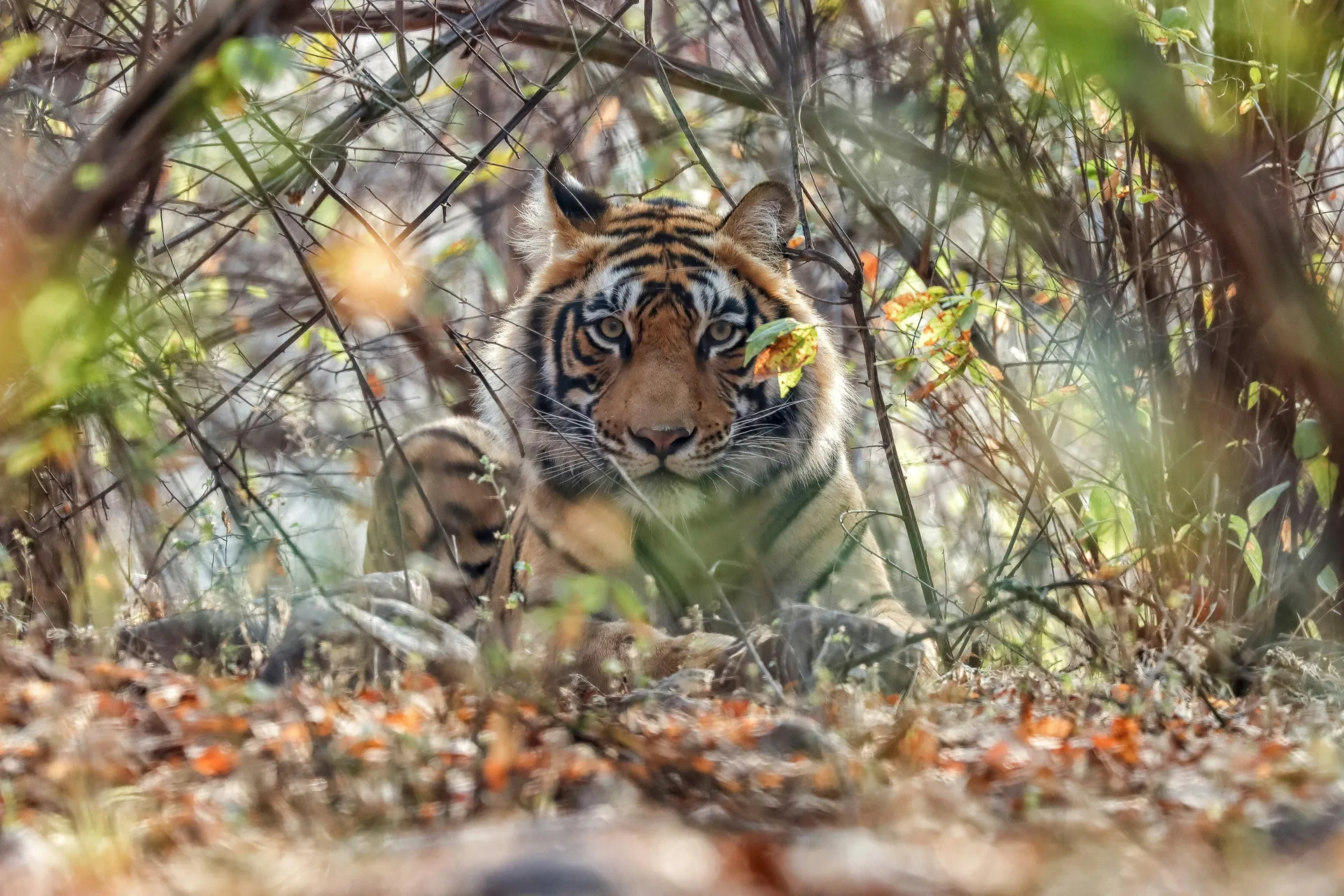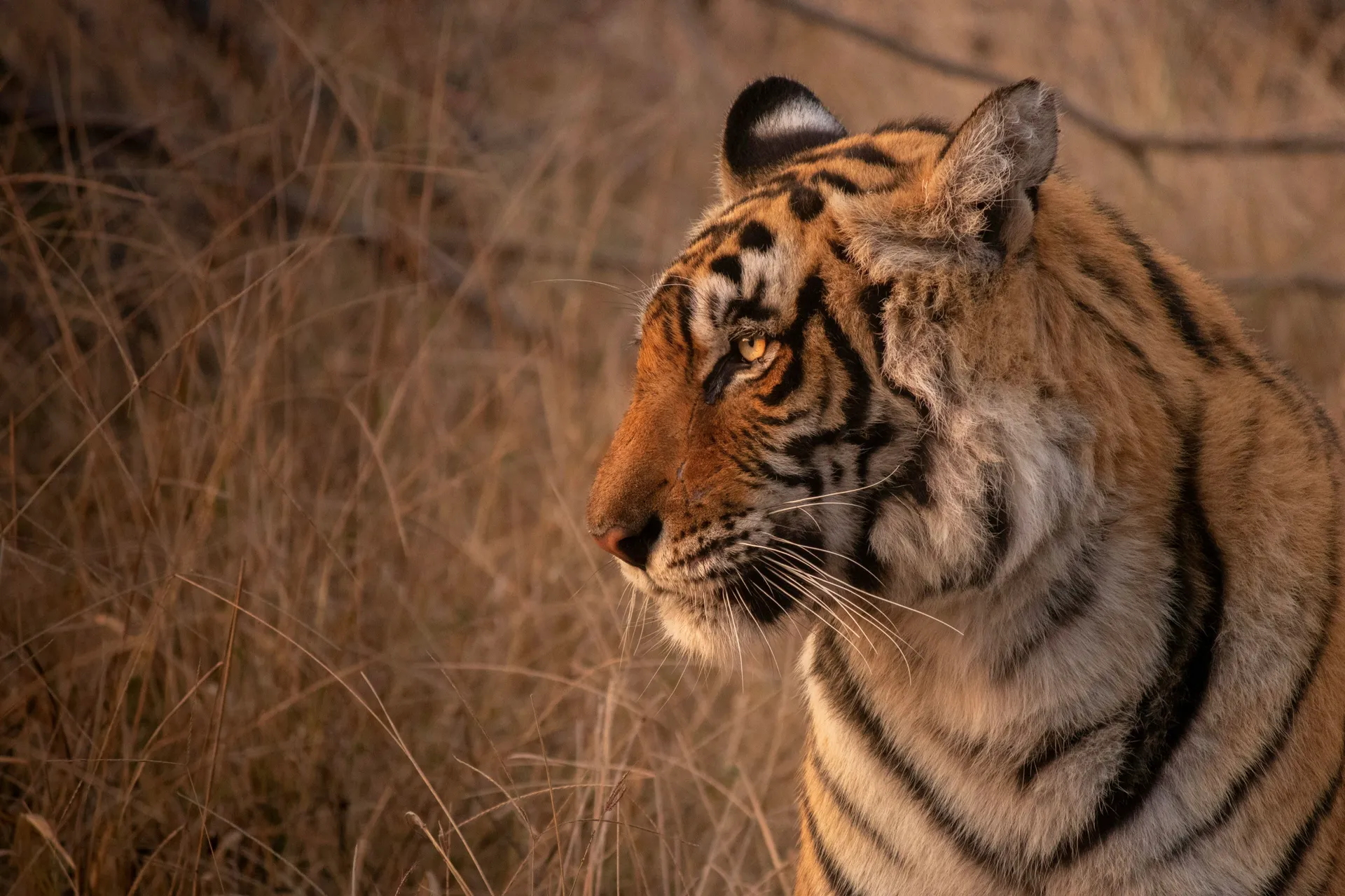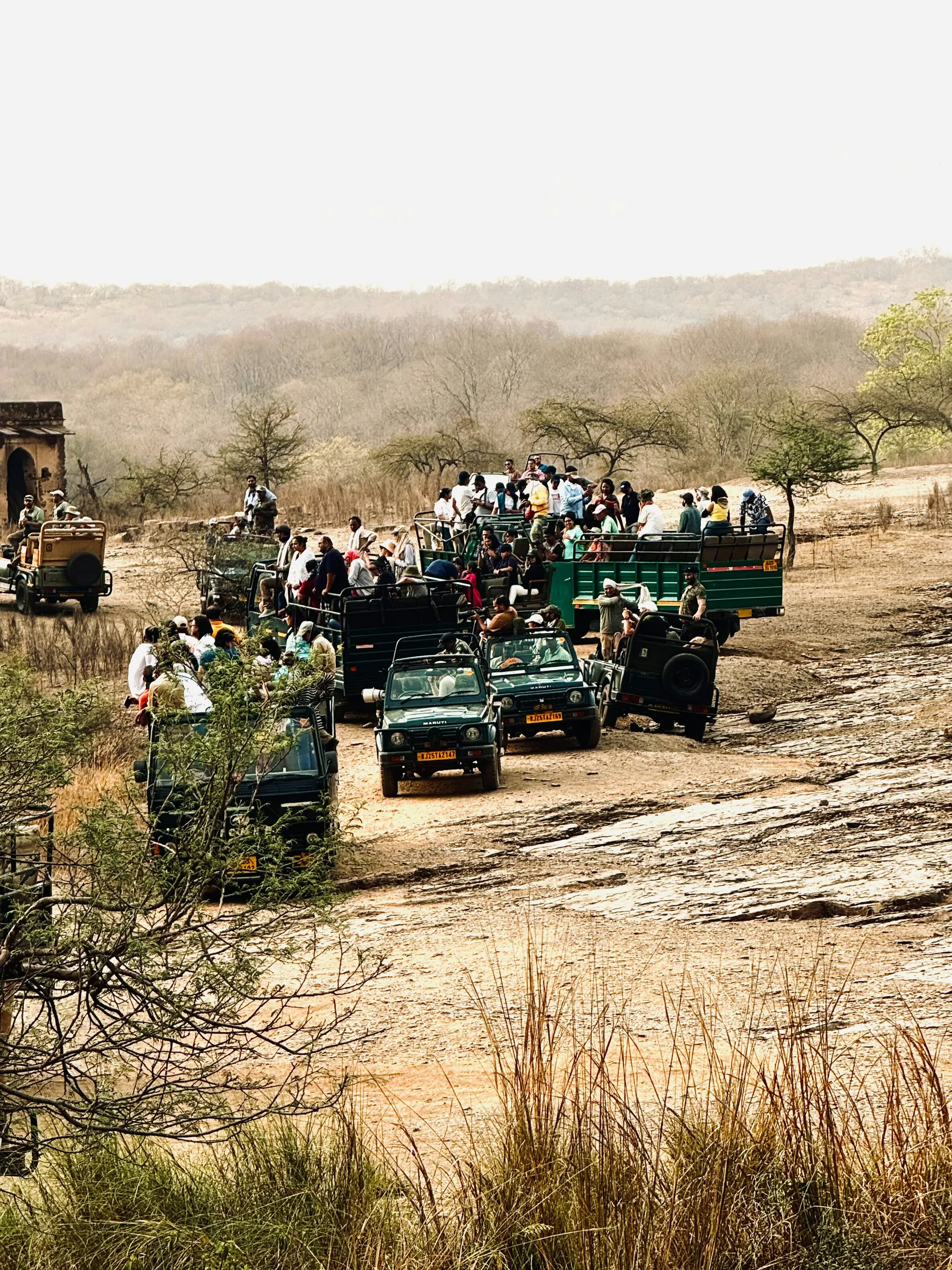
Long before the world's cameras turned their lenses toward this storied wilderness, the Maharajas of Jaipur understood what lay within the rugged Aravalli hills: a kingdom ruled not by men but by tigers. Ranthambore National Park, carved from the hunting grounds of Rajasthani royalty, became one of India's first Project Tiger reserves in 1973, transforming centuries of aristocratic pursuit into a sanctuary for the Bengal tiger. The crumbling ramparts of the tenth-century Ranthambore Fort still preside over the landscape, a silent witness to an era when these forests echoed with the hooves of royal hunting parties.
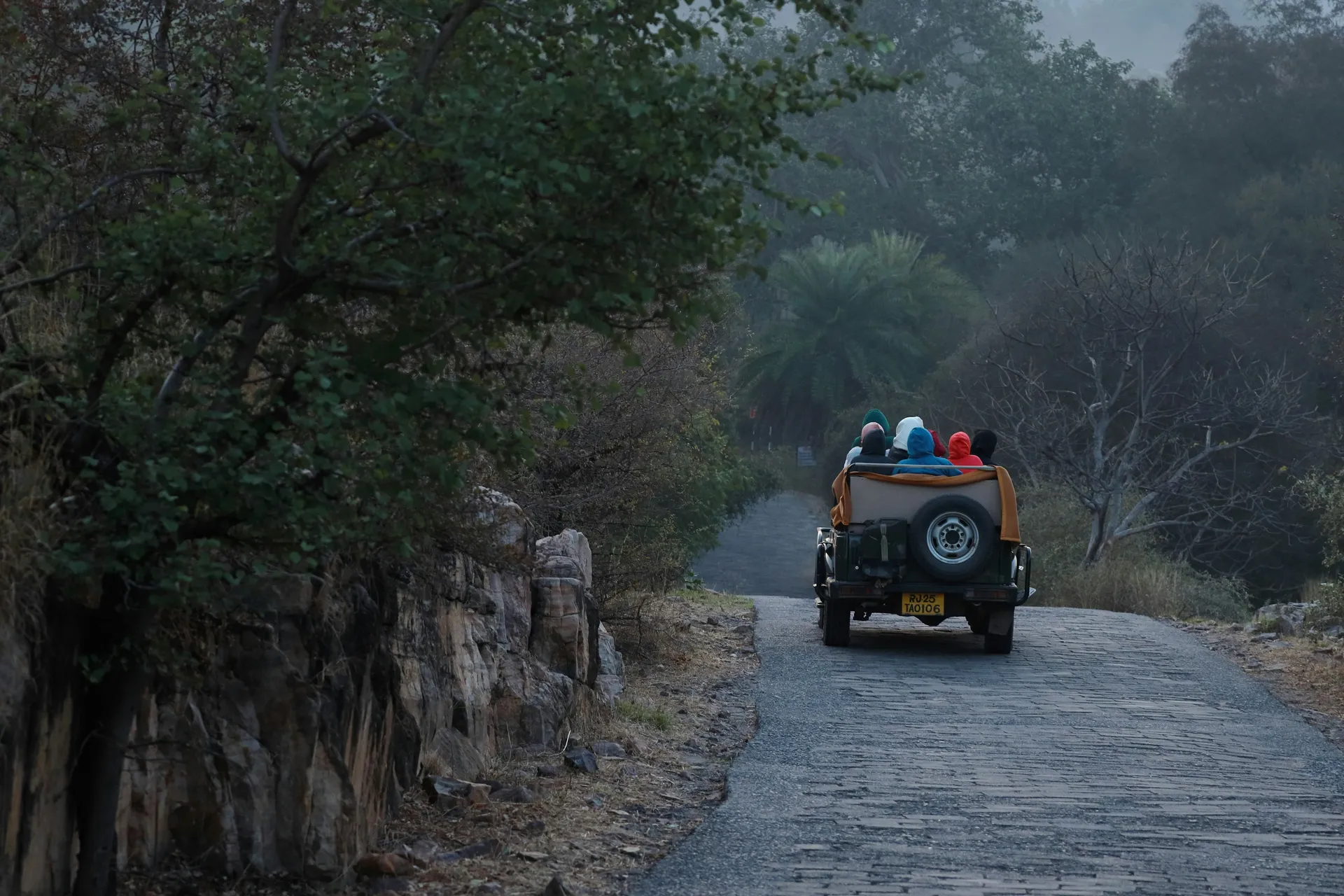
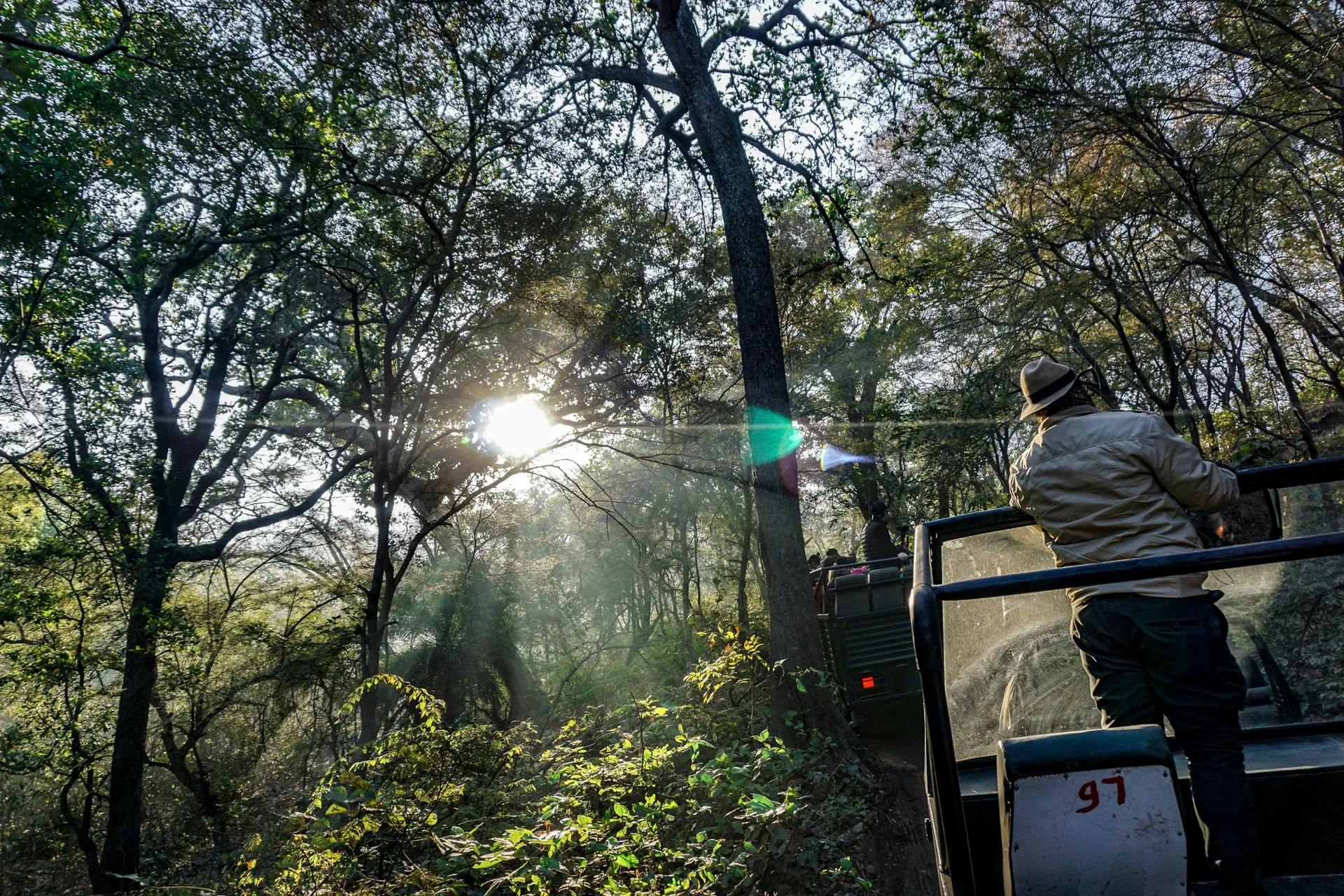
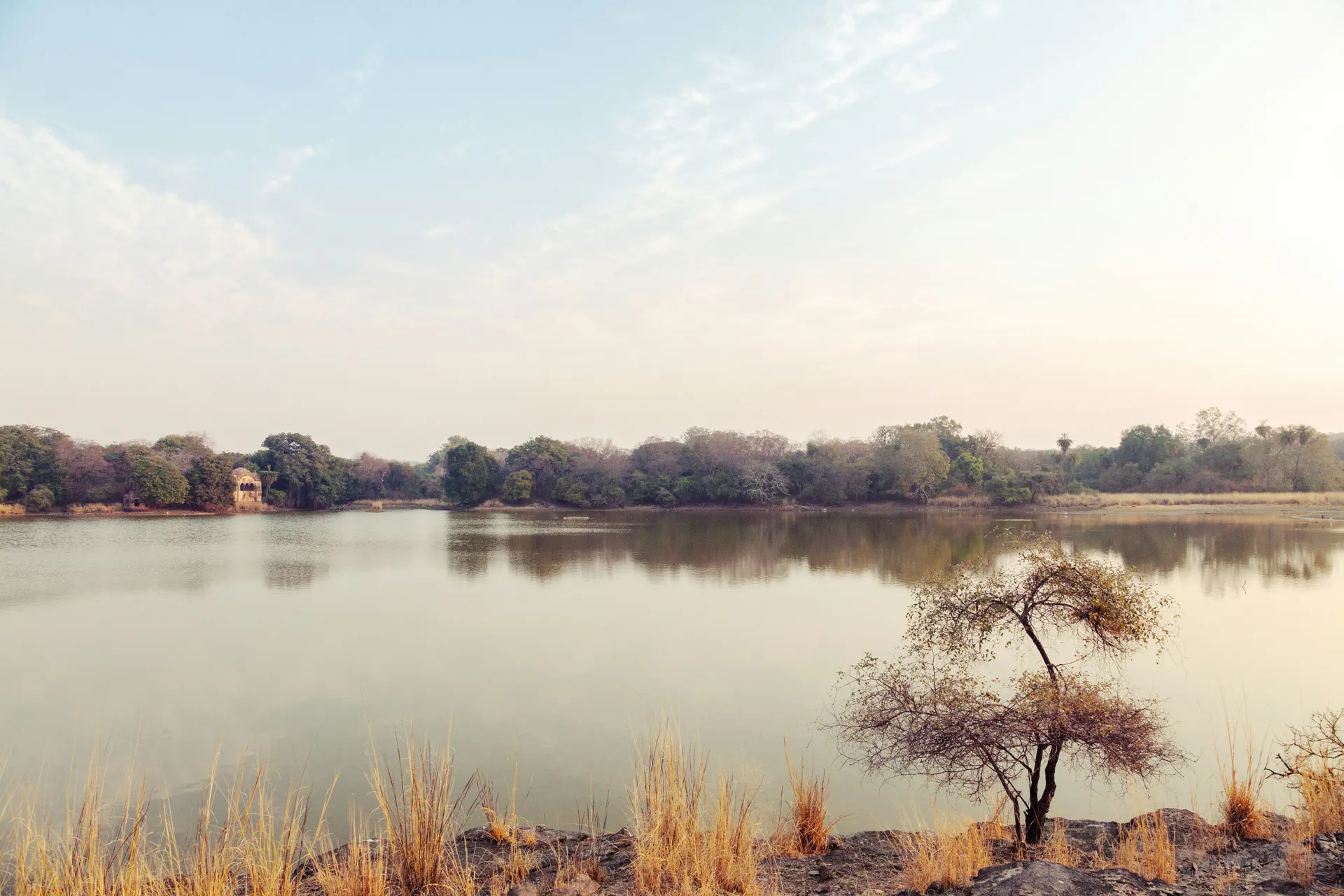
Today, Ranthambore occupies a singular place in the imagination of wildlife travelers. Spread across nearly 1,400 square kilometers of dry deciduous forest, rocky outcrops, and serene lakes, the park offers what few tiger reserves can: genuine, unhurried sightings of wild tigers in broad daylight. The cats here have grown famously habituated to safari vehicles, padding along forest roads and reclining beside ancient ruins with a nonchalance that borders on theatrical. Zones 1 through 5 remain the most celebrated for tiger encounters, though leopards, sloth bears, and marsh crocodiles command their own devoted following.
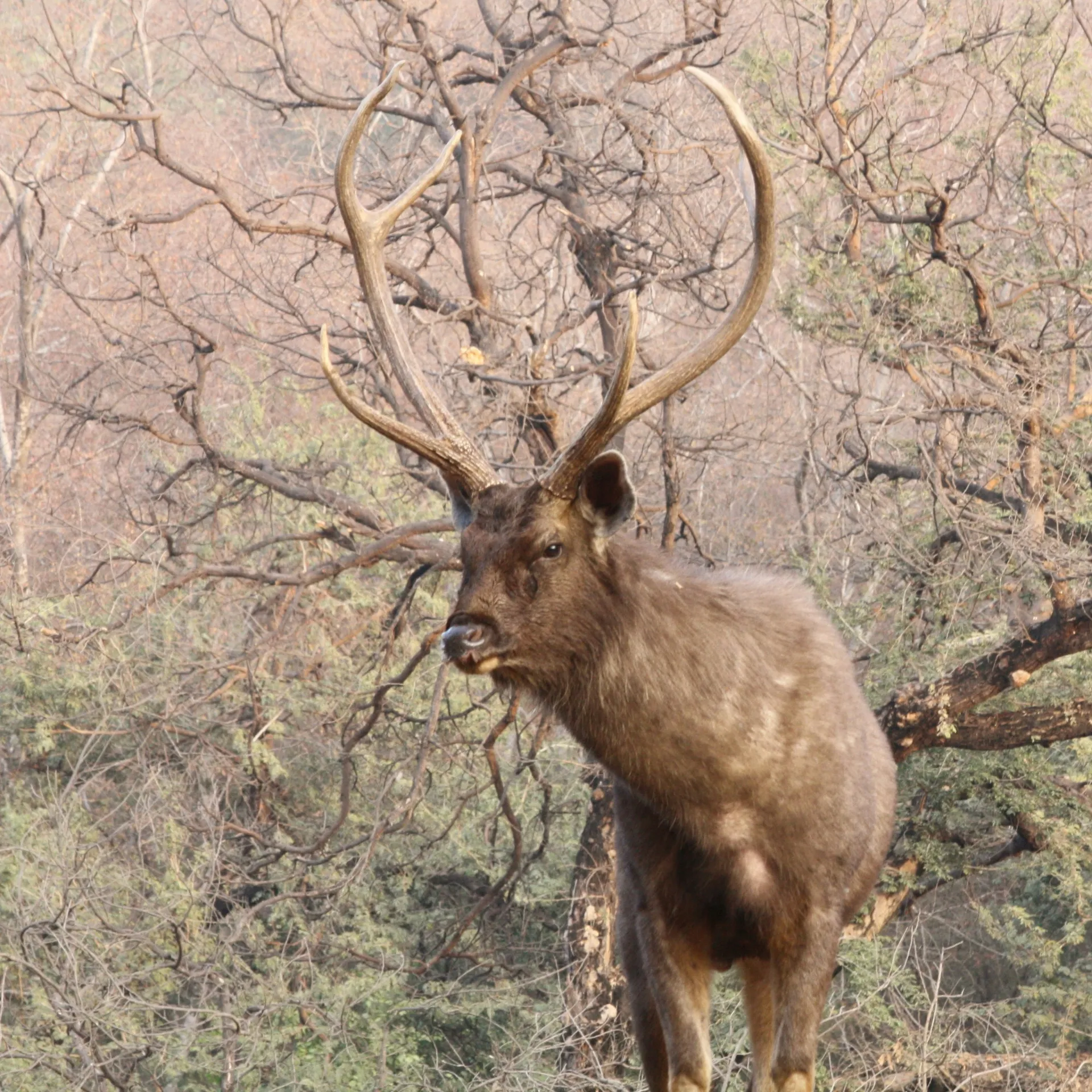
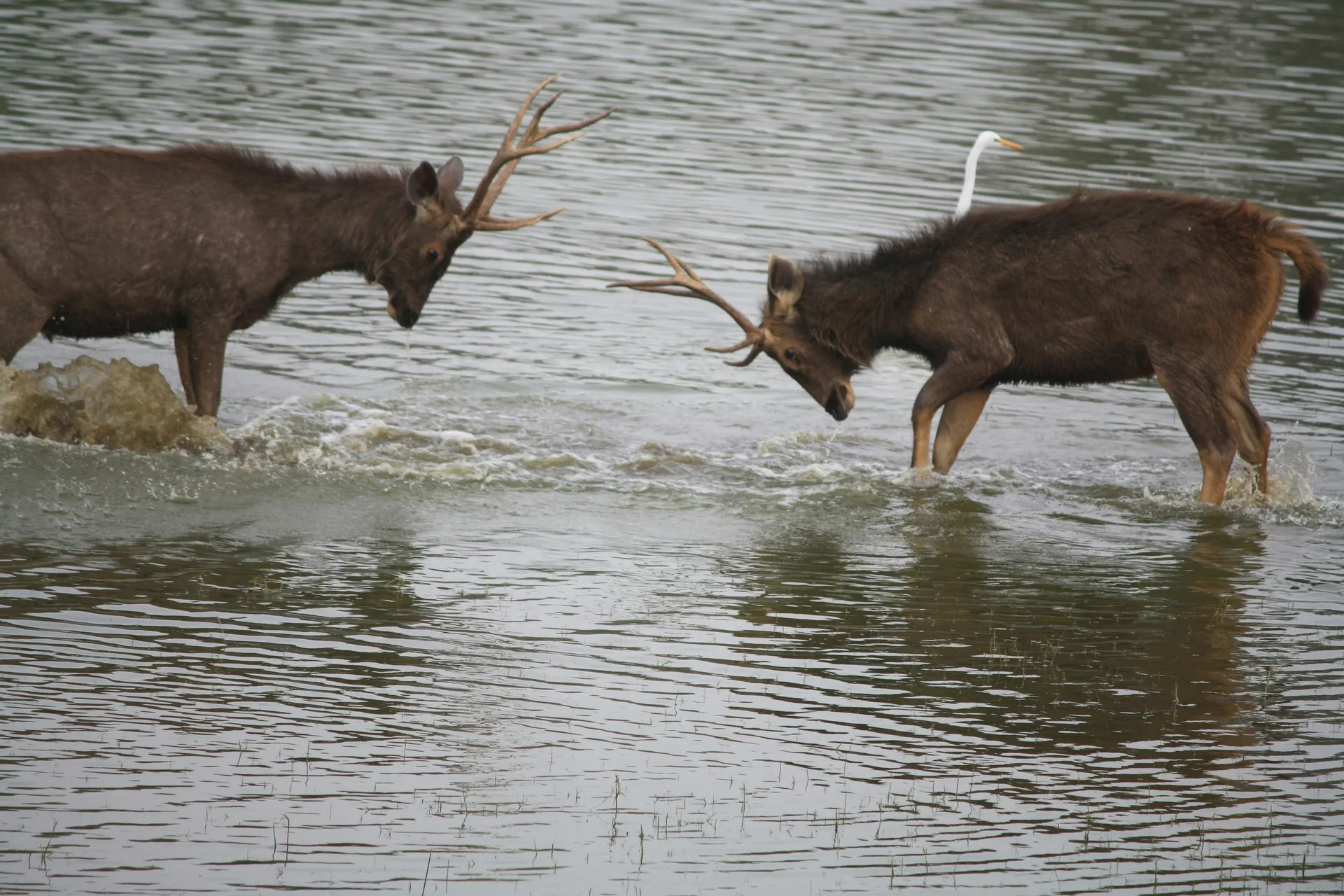
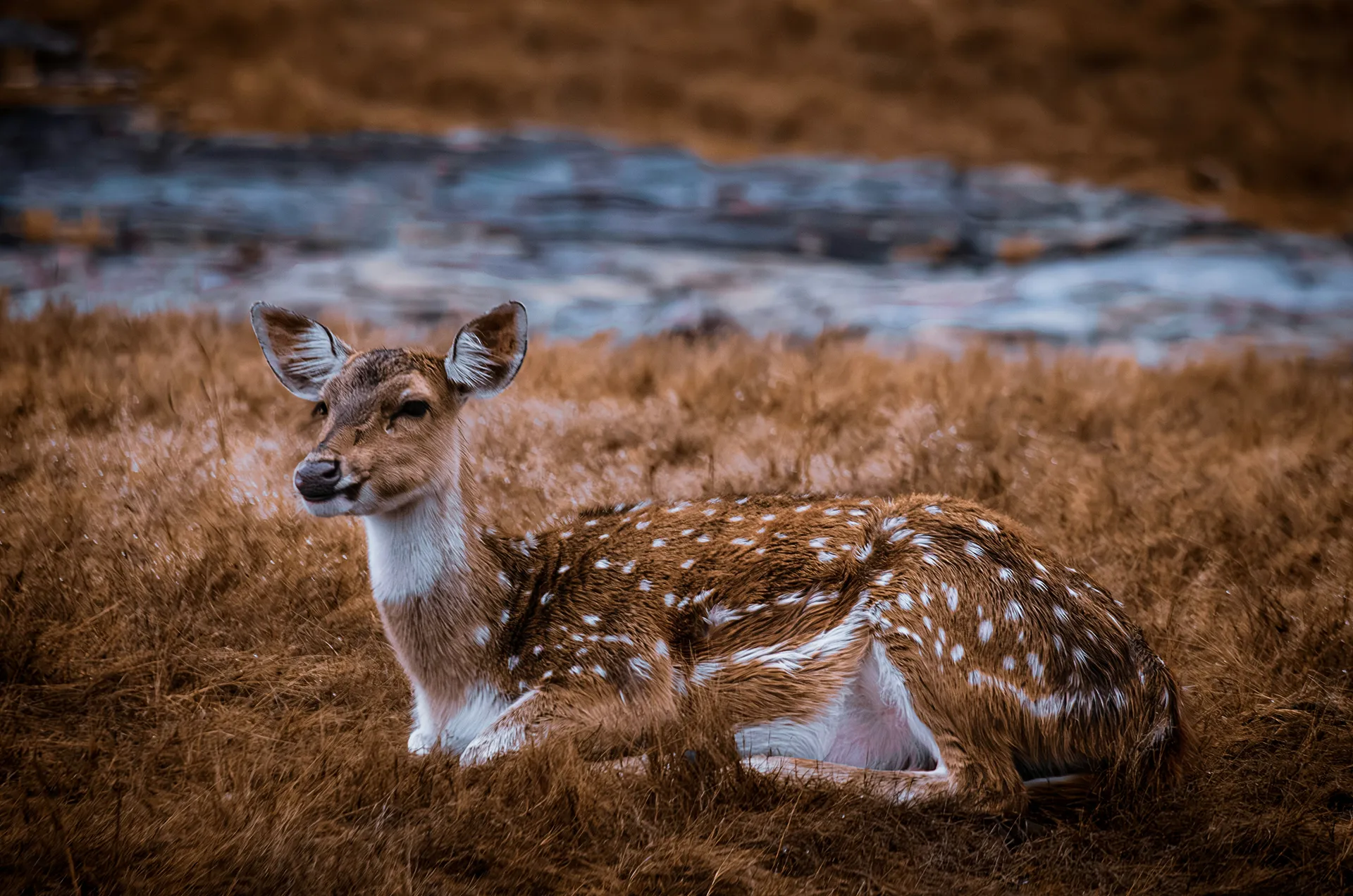
Beyond the marquee predator, Ranthambore pulses with a richness that rewards the patient observer. Over 300 bird species inhabit the park, from painted storks nesting in the Padam Talao wetlands to Indian grey hornbills perched among banyan canopies. The park's three principal lakes—Padam Talao, Rajbagh, and Malik Talao—serve as gathering points for sambar deer, wild boar, and langur monkeys, whose alarm calls often betray a tiger's approach. Safari cuisine has evolved considerably: luxury lodges surrounding the park now serve refined Rajasthani thalis featuring laal maas, dal baati churma, and freshly pressed sugarcane juice, often enjoyed on candlelit terraces overlooking the wilderness.
The broader region surrounding Ranthambore deepens the cultural immersion considerably. The town of Sawai Madhopur, just minutes from the park gates, buzzes with local commerce and offers a window into everyday Rajasthani life. A short journey leads to the ancient Ganesh temple within the fort complex, one of the most revered in Rajasthan, where devotees leave handwritten letters addressed to the deity. Further afield, the pink city of Jaipur lies roughly three hours by road, while the holy town of Pushkar and the blue city of Jodhpur are both within comfortable day-trip range for those extending their itinerary.
The optimal window for tiger sightings runs from October through June, with the dry months of March through May concentrating wildlife around diminishing water sources. The park closes during the monsoon season from July through September. Morning safaris depart before dawn, and the golden afternoon light between three and six o'clock produces the most breathtaking photographic conditions. Advance booking of safari permits is essential, particularly for the prime zones, and luxury lodges such as Aman-i-Khas and Oberoi Vanyavilas should be reserved well in advance during peak season.