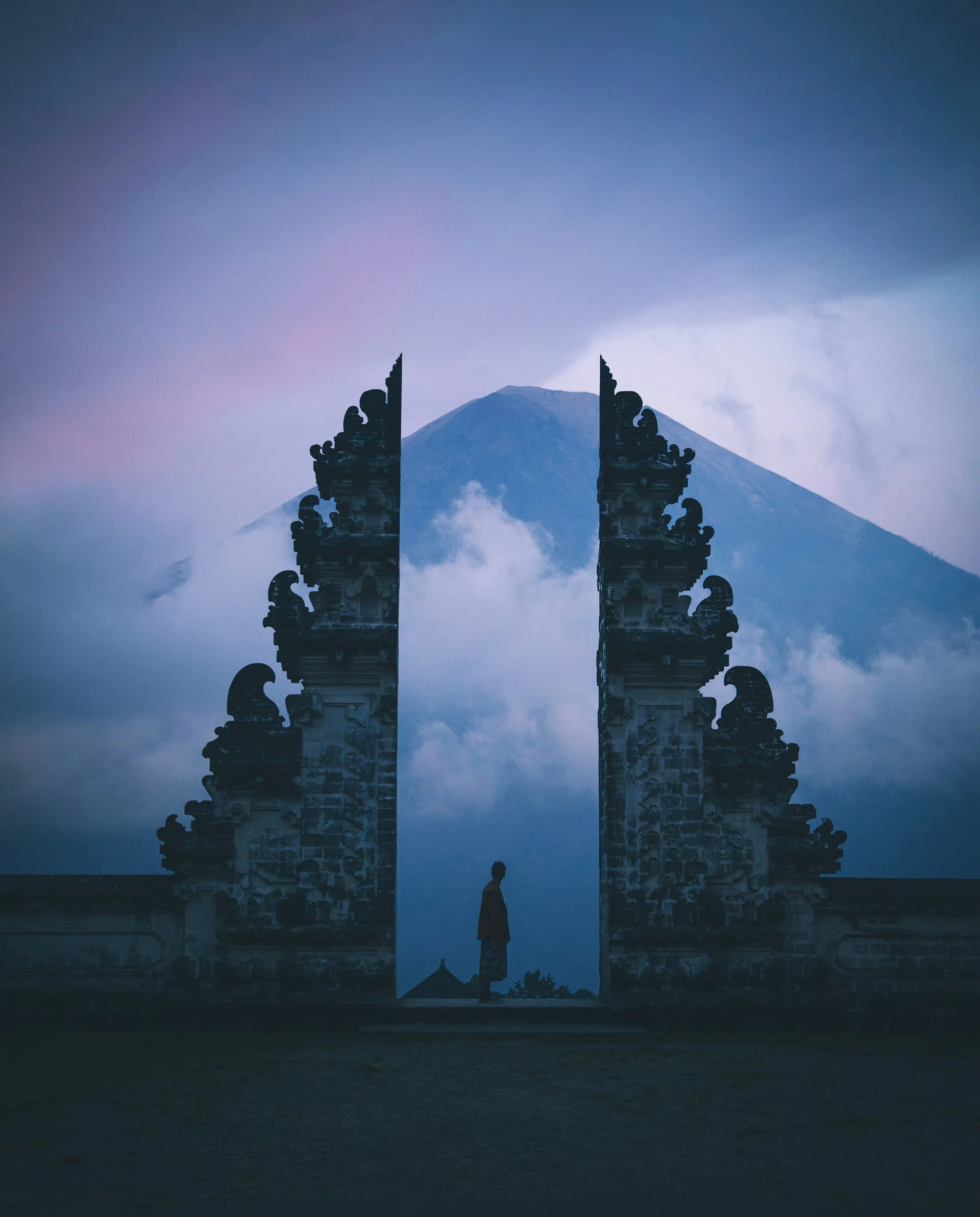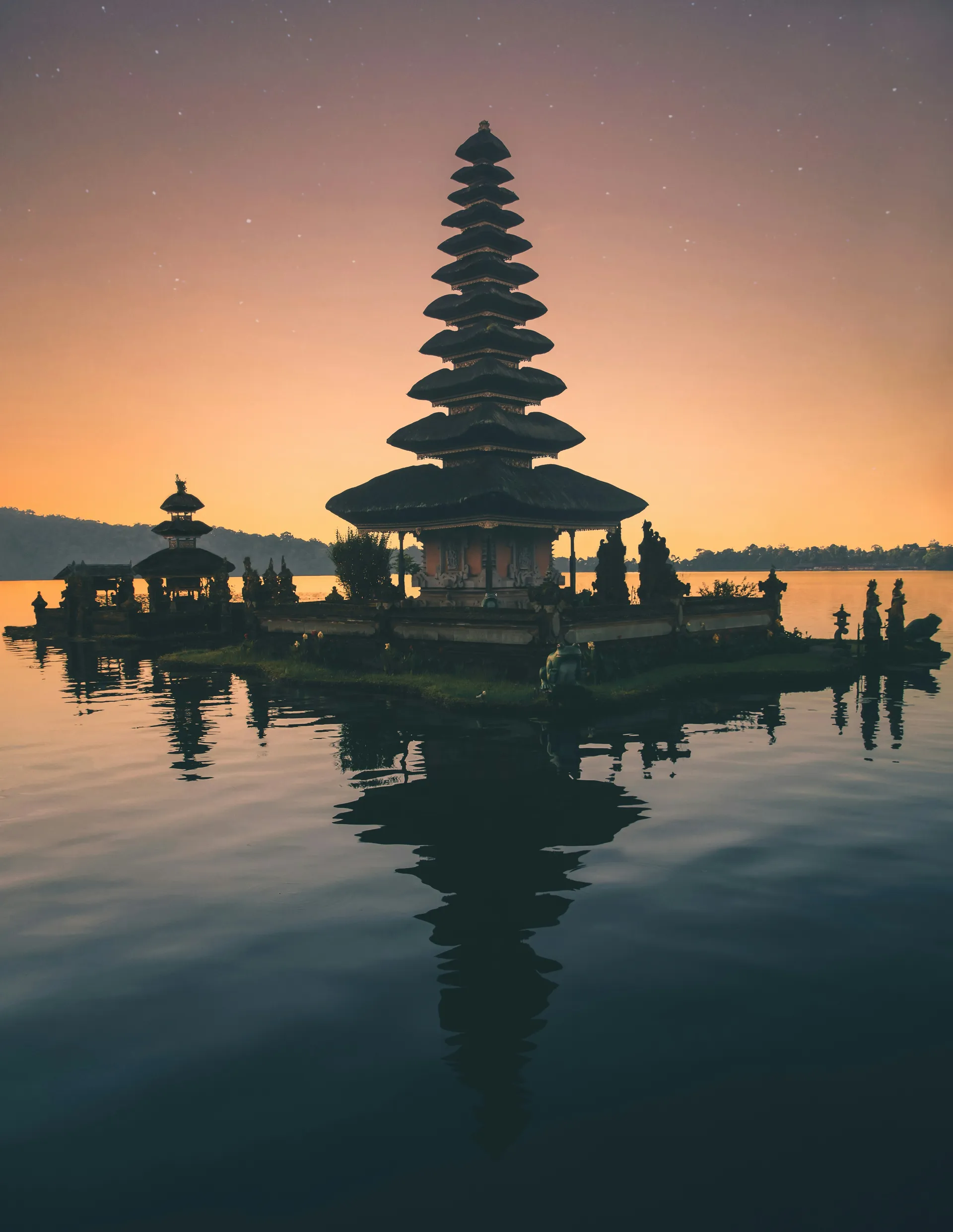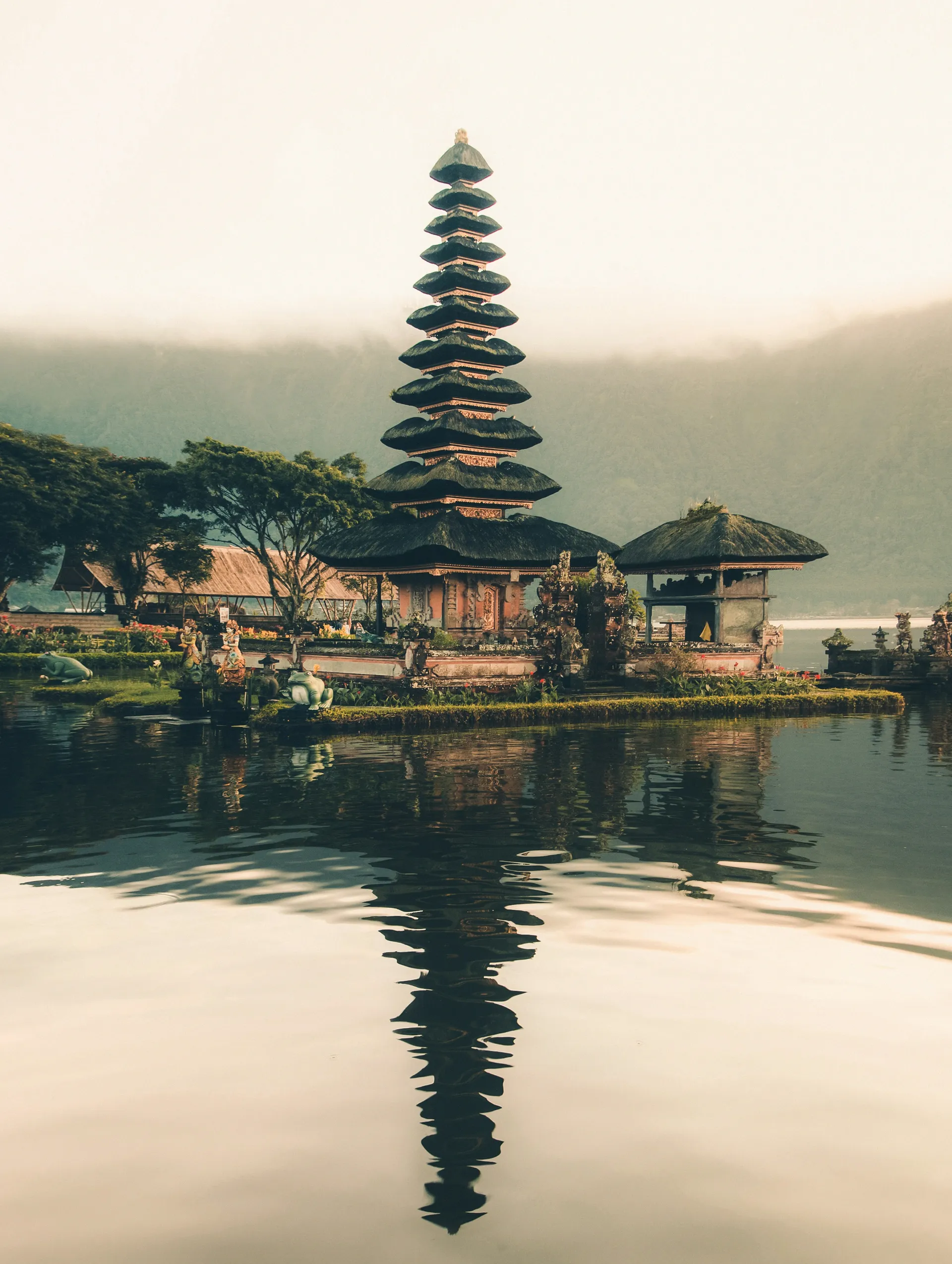
In the Indonesian archipelago’s chain of volcanic islands, Bali occupies a position as unique culturally as it is geographically. This Hindu island in the world’s most populous Muslim nation has cultivated a civilization of extraordinary aesthetic refinement—where rice terraces are sculpted into emerald staircases descending volcanic slopes, where daily offerings of flowers and incense transform sidewalks into altars, and where temple ceremonies unfold with a frequency and devotion that infuse every aspect of daily life. Bali is not merely a tropical destination; it is a living culture that happens to be set in paradise.
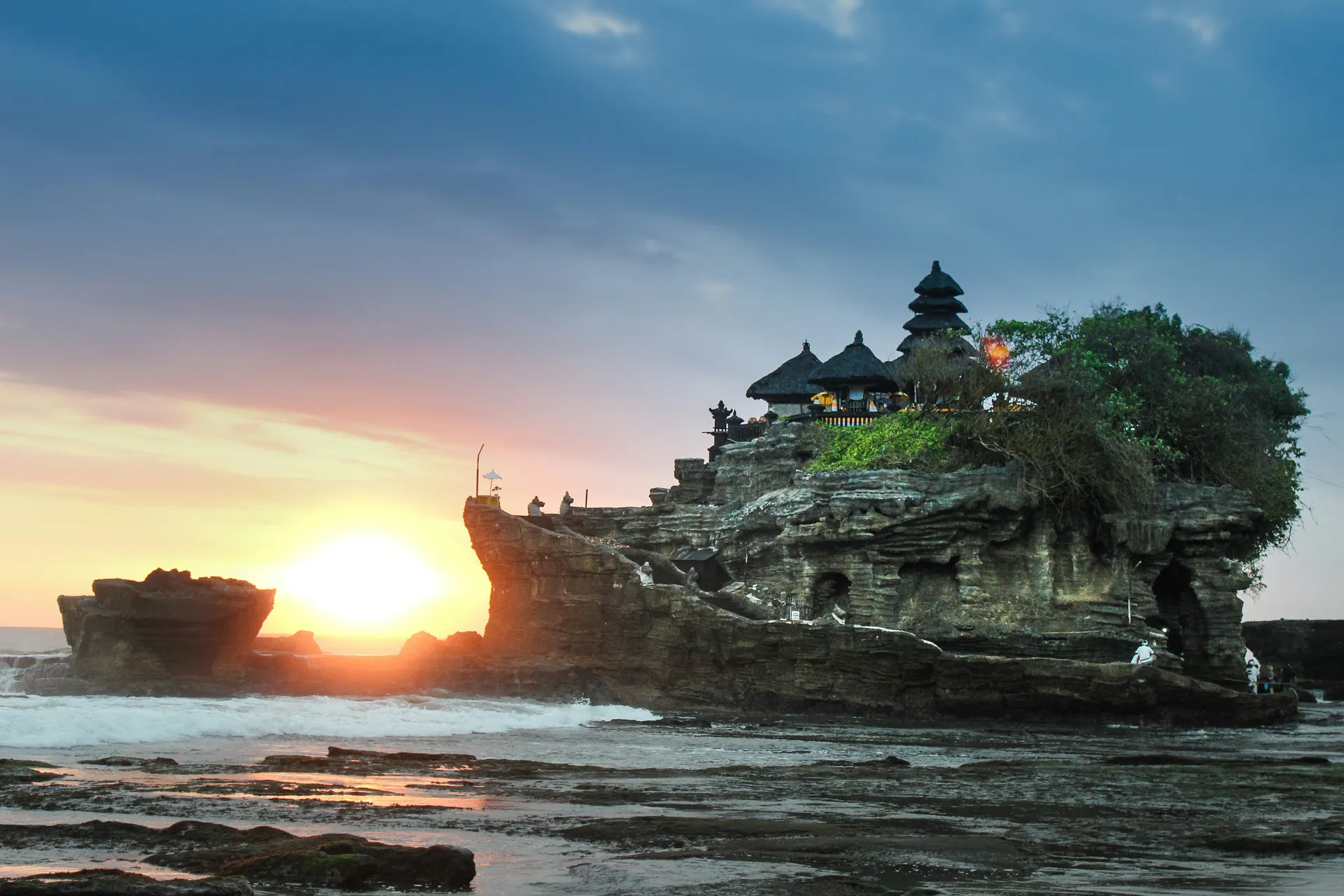
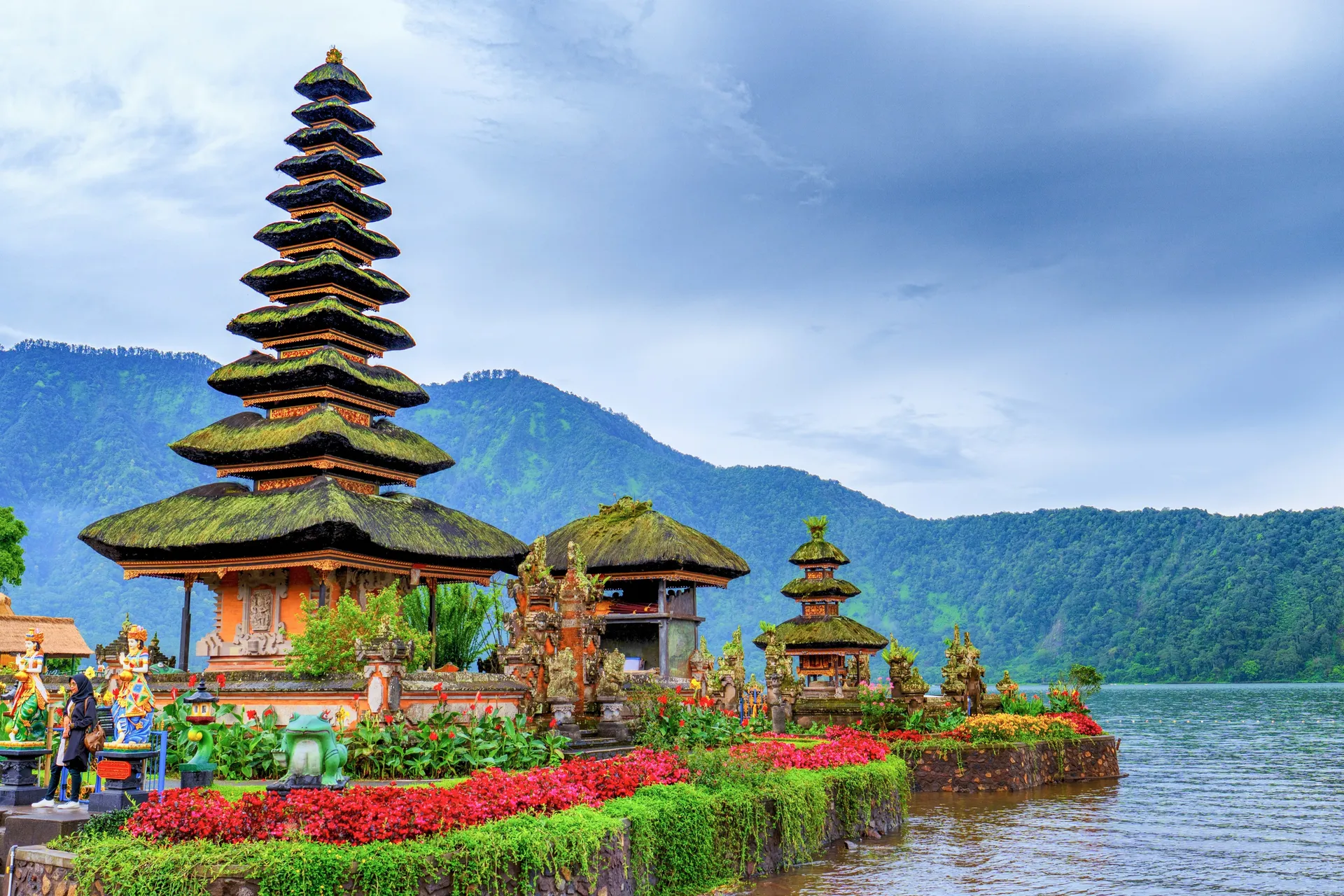
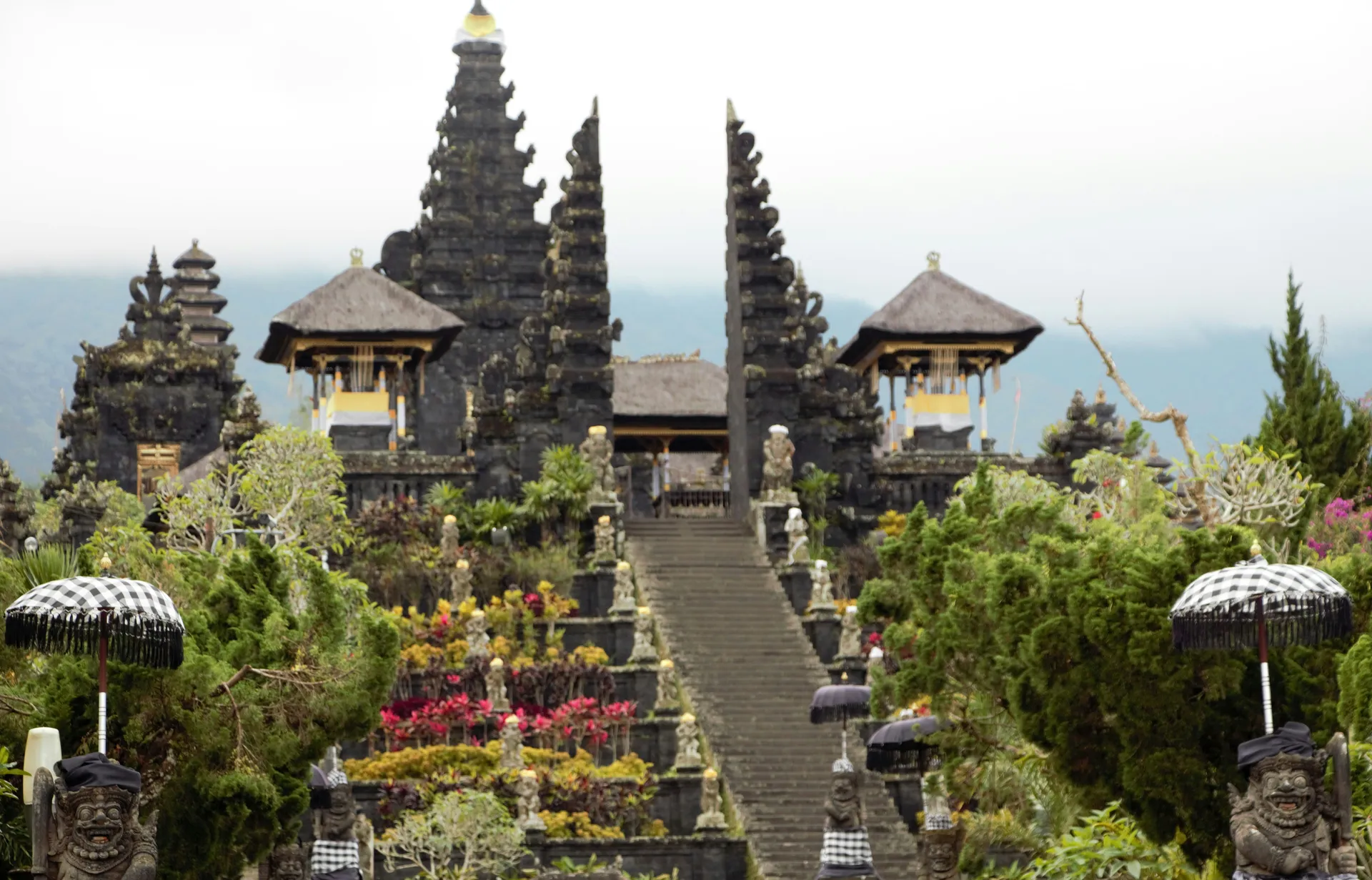
The island’s spiritual landscape is anchored by its temples. Pura Tanah Lot, perched on a rock formation separated from the mainland by the tide, silhouettes against the sunset in one of Southeast Asia’s most iconic images. Pura Ulun Danu Bratan, floating on the shores of a volcanic crater lake, appears to hover between water and mist. Pura Besakih, the "Mother Temple" on Mount Agung’s slopes, encompasses 23 separate temples in a complex that has served as Bali’s spiritual center for over a thousand years. The full-moon ceremonies, when thousands of Balinese in white clothing process to their local temples with towering offerings of fruit and flowers, transform the entire island into a theatrical expression of devotion.
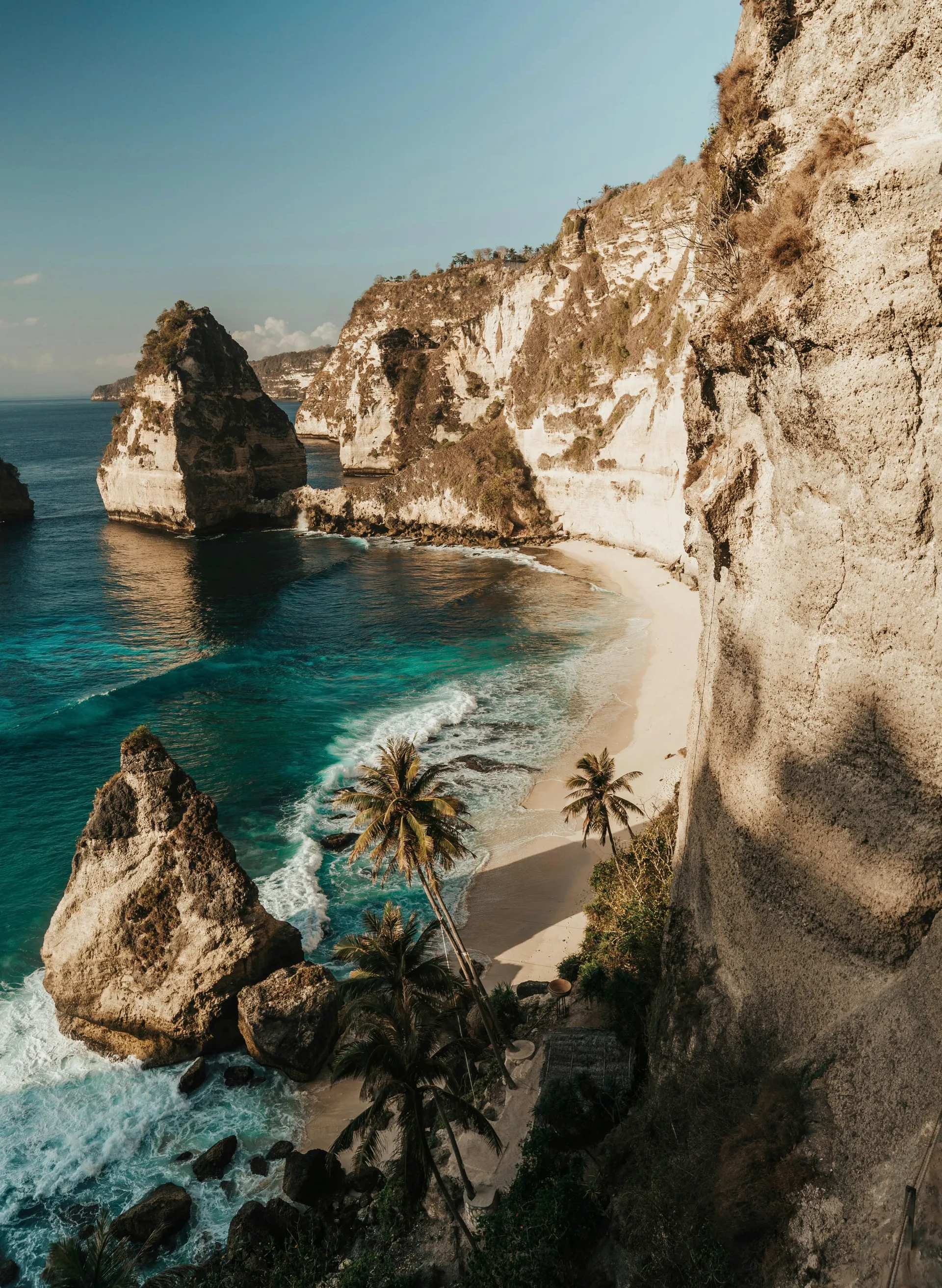
Bali’s landscapes encompass a diversity that defies the island’s modest size (roughly 5,780 square kilometers). The Tegallalang and Jatiluwih rice terraces—the latter a UNESCO World Heritage Site—demonstrate the subak irrigation system, a cooperative water management tradition dating back to the 9th century. Mount Agung and Mount Batur, active volcanoes that dominate the island’s northeastern skyline, offer sunrise treks that reward pre-dawn effort with calderas swathed in golden light. The southern Bukit Peninsula delivers surf breaks of world renown (Uluwatu, Padang Padang) and clifftop temples perched above the Indian Ocean.
Balinese cuisine is a revelation beyond the resort buffets. Babi guling (spit-roast suckling pig), the island’s signature dish, involves a complex spice paste of turmeric, coriander, lemongrass, and galangal applied inside and out before hours of slow roasting. Bebek betutu (slow-cooked duck wrapped in banana leaves) requires 24 hours of preparation. The warungs (family-run eateries) of Ubud and Denpasar serve nasi campur—rice with an array of vegetable, meat, and sambal accompaniments—for prices that make Michelin dining feel exploitative. Balinese coffee, particularly the controversial kopi luwak (civet coffee), the island’s high-quality single-origin arabica, and the ceremonial use of turmeric-based jamu drinks all contribute to the island’s culinary identity.
Oceania Cruises and Uniworld River Cruises include Bali in their Southeast Asian itineraries, with vessels typically calling at the port of Benoa in the island’s south. The island’s compact geography means that temples, terraces, beaches, and cultural performances are all accessible within a day’s exploration. The dry season (April–October) offers the most reliable weather, while the shoulder months of April and October combine comfortable conditions with thinner crowds. Whatever the season, Bali delivers what few destinations achieve: a place where natural beauty and living culture are so deeply intertwined that separating them would be meaningless.