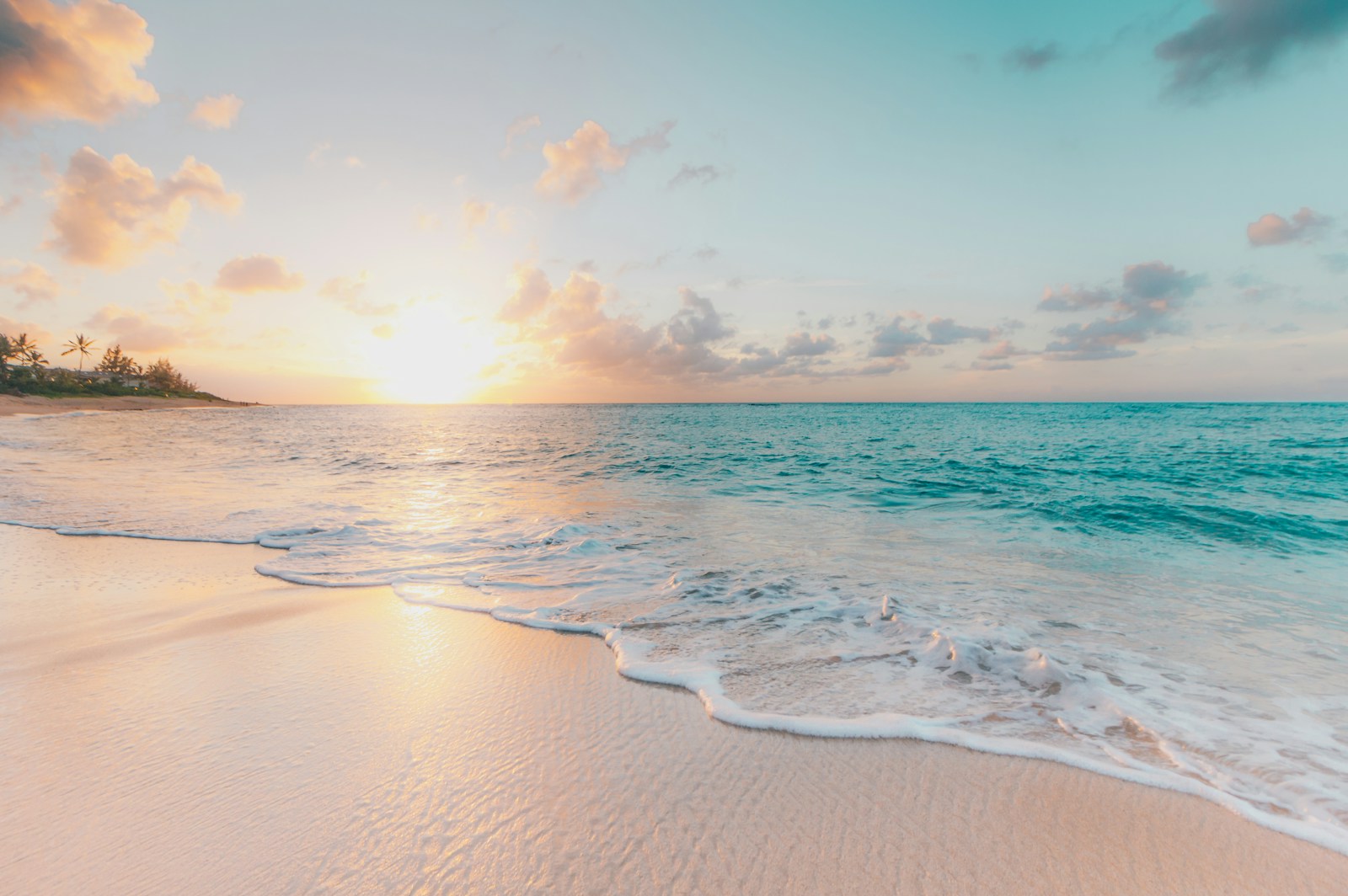
For centuries, Belitung Island was known to the wider world for one thing alone: tin. Arab and Chinese traders sought its rich deposits as early as the seventh century, and by the time the Dutch East India Company arrived, the island's mines were fueling a global industry. But the Belitung that captivates today's travellers has nothing to do with geology and everything to do with a coastline of almost absurd beauty — vast beaches of flour-white sand punctuated by monumental granite boulders, smoothed and stacked by millennia of tropical storms into formations that resemble the work of a surrealist sculptor.
Tanjung Tinggi Beach, immortalized in the Indonesian novel and film "Laskar Pelangi" (The Rainbow Troops), is the island's undisputed icon: enormous grey granite boulders frame a crescent of pristine sand, while crystalline waters shift between shades of turquoise and jade. Yet Belitung's magic lies in the fact that Tanjung Tinggi is merely one of dozens of such beaches. Tanjung Kelayang, Burung Mandi, and the exquisite Lengkuas Island — crowned by a nineteenth-century Dutch lighthouse — each offer their own variation on the theme of granite, sand, and sea.
The island's culinary traditions are a delicious fusion of Malay, Chinese, and indigenous influences, reflecting centuries of migration driven by the tin trade. Gangan fish soup — a spicy, turmeric-laced broth brimming with fresh-caught grouper — is the island's signature dish, best enjoyed at one of the rustic warungs along the Tanjung Pandan waterfront. Mie Belitung, a hearty shrimp noodle soup garnished with dried shrimp and crispy shallots, is another local staple. Wash it down with sweetened coffee from the island's own robusta plantations, served in traditional kopitiam-style cafes that preserve the rhythms of old Belitung.
Beyond the beaches, the island rewards curious explorers. The abandoned open-pit tin mines near Manggar have filled with rainwater to create surreal, jewel-toned lakes — the kaolin lakes gleam an otherworldly shade of blue against white mineral banks. Hop a boat to the Kepayang Island mangroves to spot monitor lizards, hornbills, and flying foxes. The Museum Kata Andrea Hirata in Gantong celebrates the author of "Laskar Pelangi" and the island's educational heritage, while the 200-year-old Kongzi Miao temple in Manggar speaks to the deep Chinese roots of Belitung's tin-mining community.
Belitung lacks a dedicated cruise terminal, so ships anchor offshore and tender passengers to the beach or the modest pier at Tanjung Pandan, the island's main town. The best time to visit is during the dry season from April to October, when seas are calm and skies are reliably clear. Despite its growing reputation among Indonesian travellers, Belitung remains blissfully uncrowded by international standards — a genuine hidden gem in the Java Sea where the rhythms of island life have changed remarkably little over the centuries.

