On Bali's less-visited northern coast, where the volcanic slopes of Mount Agung and Mount Batukaru descend more gently toward the Bali Sea, the small fishing village of Celukan Bawang offers a window into a Bali that predates the tourism development of the south — a place of terraced vineyards, ancient temples, and traditional fishing communities that have maintained their Balinese Hindu rituals and daily rhythms with minimal outside influence.
The northern coast of Bali, known as the Buleleng regency, possesses a markedly different character from the island's famous southern beaches. The climate is drier, the coastline more rugged, and the pace of life slower. Celukan Bawang itself is a modest settlement where wooden outrigger fishing boats (jukung) line the black volcanic beach and the morning fish market provides the day's freshest catch. The village temple, like every Balinese village temple, is the center of community life — the site of ceremonies, offerings, and the gamelan performances that punctuate the Balinese ritual calendar.
The surrounding countryside offers some of Bali's most rewarding cultural and natural experiences, far from the crowds of Ubud and Seminyak. The Munduk area, accessible through winding mountain roads, features a landscape of coffee and clove plantations, misty waterfalls, and panoramic views across the central volcanic highlands. The twin lakes of Tamblingan and Buyan, nestled in a volcanic caldera, provide tranquil settings for trekking through forest inhabited by long-tailed macaques and a rich array of tropical birds.
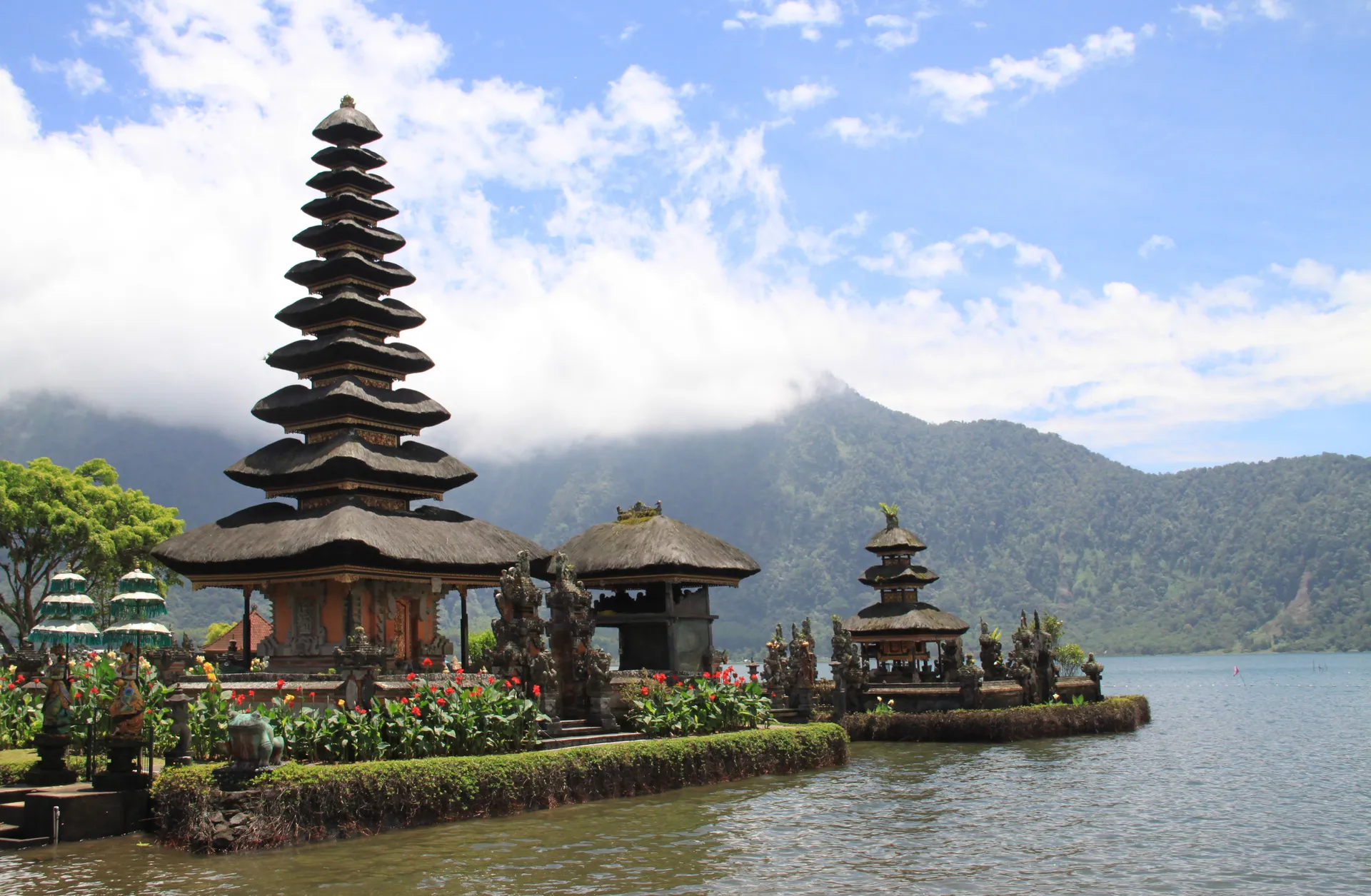
Bali's most important water temple, Pura Ulun Danu Bratan, sits on the shores of Lake Bratan at an elevation of 1,200 meters — its multi-tiered meru pagodas reflected in the still water of the lake in one of Indonesia's most iconic and photographed scenes. The temple is dedicated to Dewi Danu, the goddess of water and fertility, reflecting the centrality of water management to Balinese agricultural life. The subak system — Bali's traditional cooperative water management for rice terraces, recognized by UNESCO — demonstrates the intimate connection between religious practice and practical agriculture that defines Balinese culture.
Expedition cruise ships anchor off Celukan Bawang and tender passengers to the beach or a small pier. The village's position on the northern coast makes it an excellent starting point for excursions to the central highlands, the Munduk waterfalls, and the lake temples, avoiding the traffic congestion that can make travel in southern Bali frustrating. The dry season from April through October offers the most comfortable conditions, with clear skies and lower humidity. The morning hours are best for highland excursions, as afternoon cloud often obscures the mountain views. Regardless of season, the warmth of Balinese hospitality — expressed through smiles, offerings, and the genuine pleasure of sharing their cultural traditions — makes every visit memorable.

