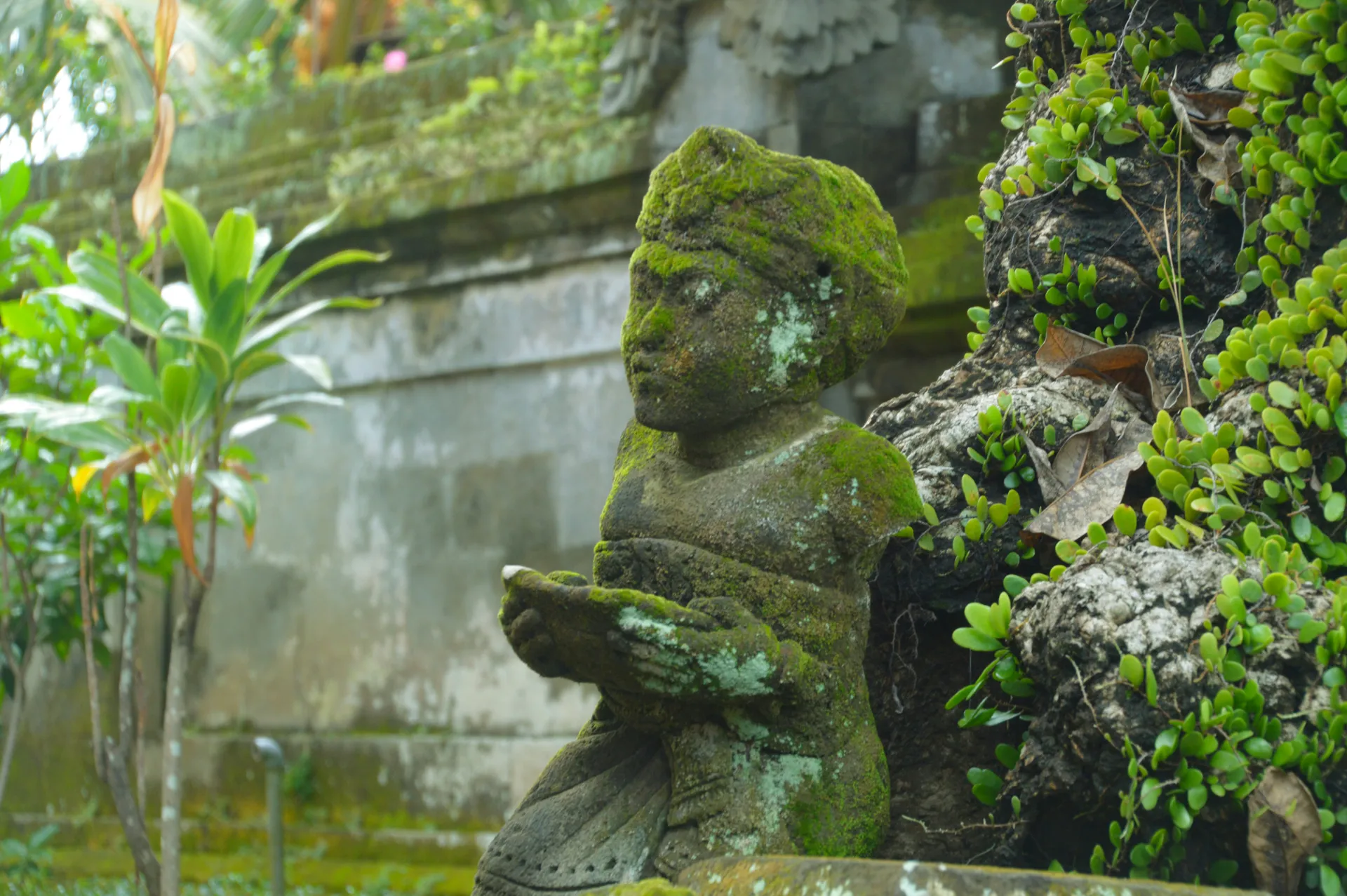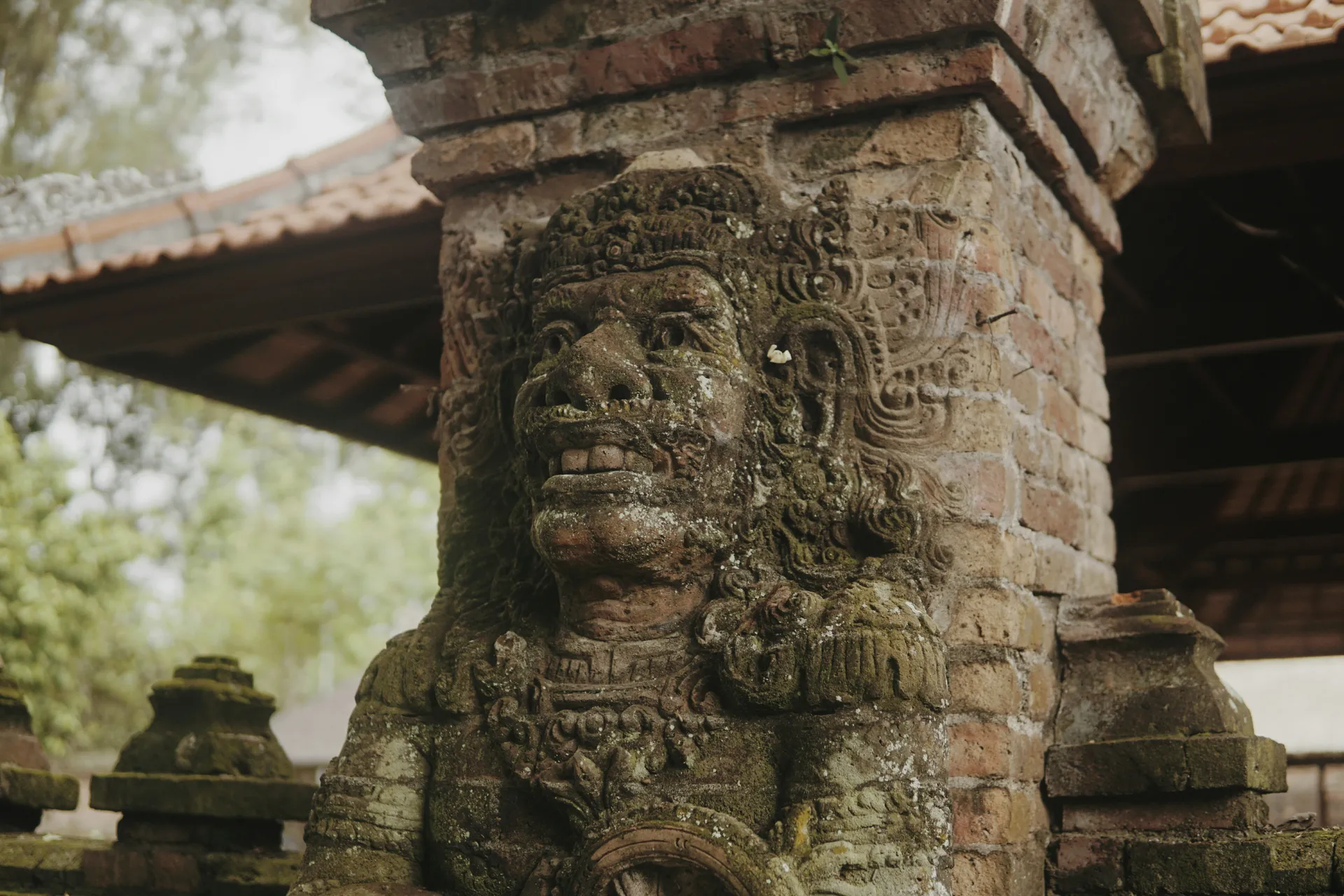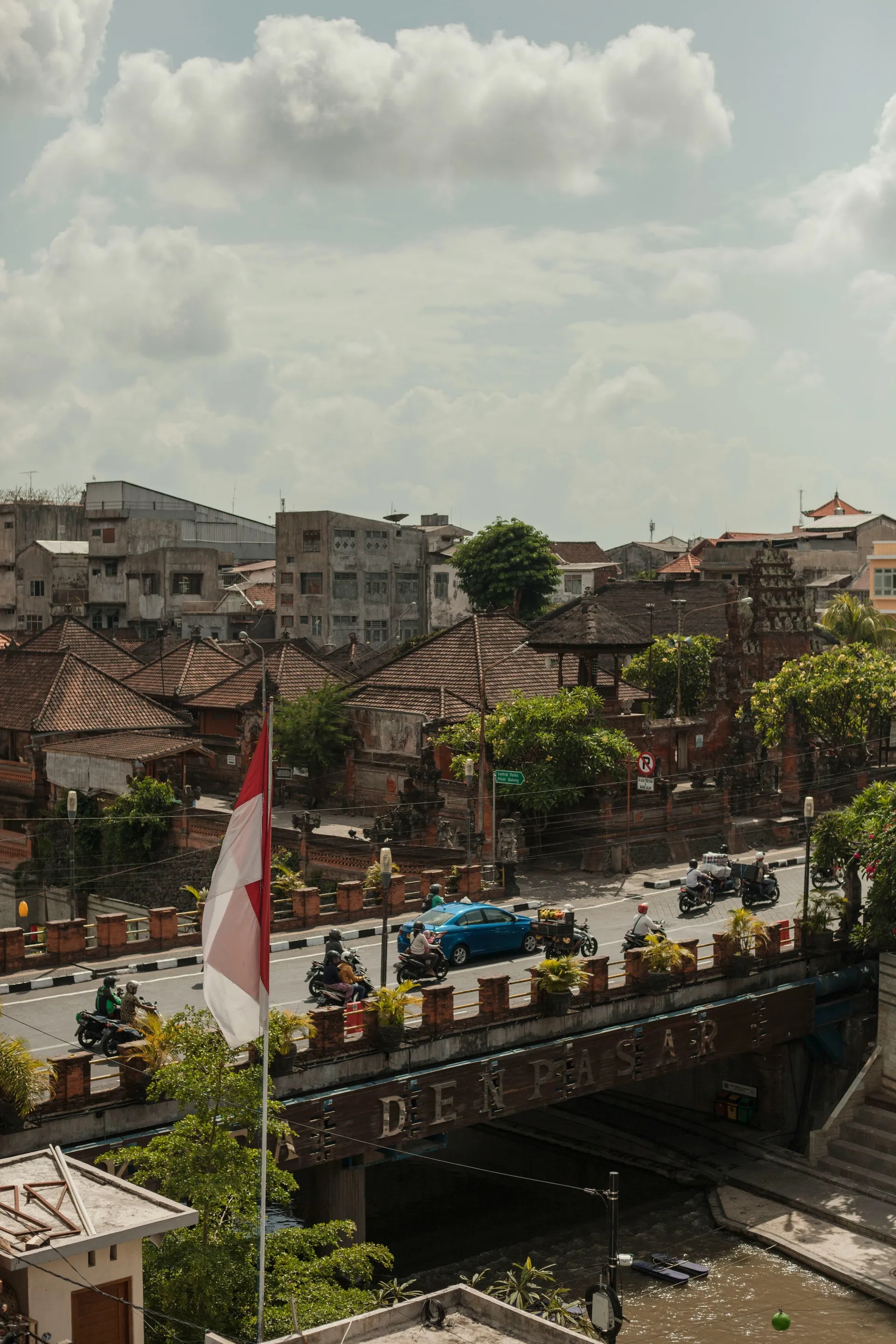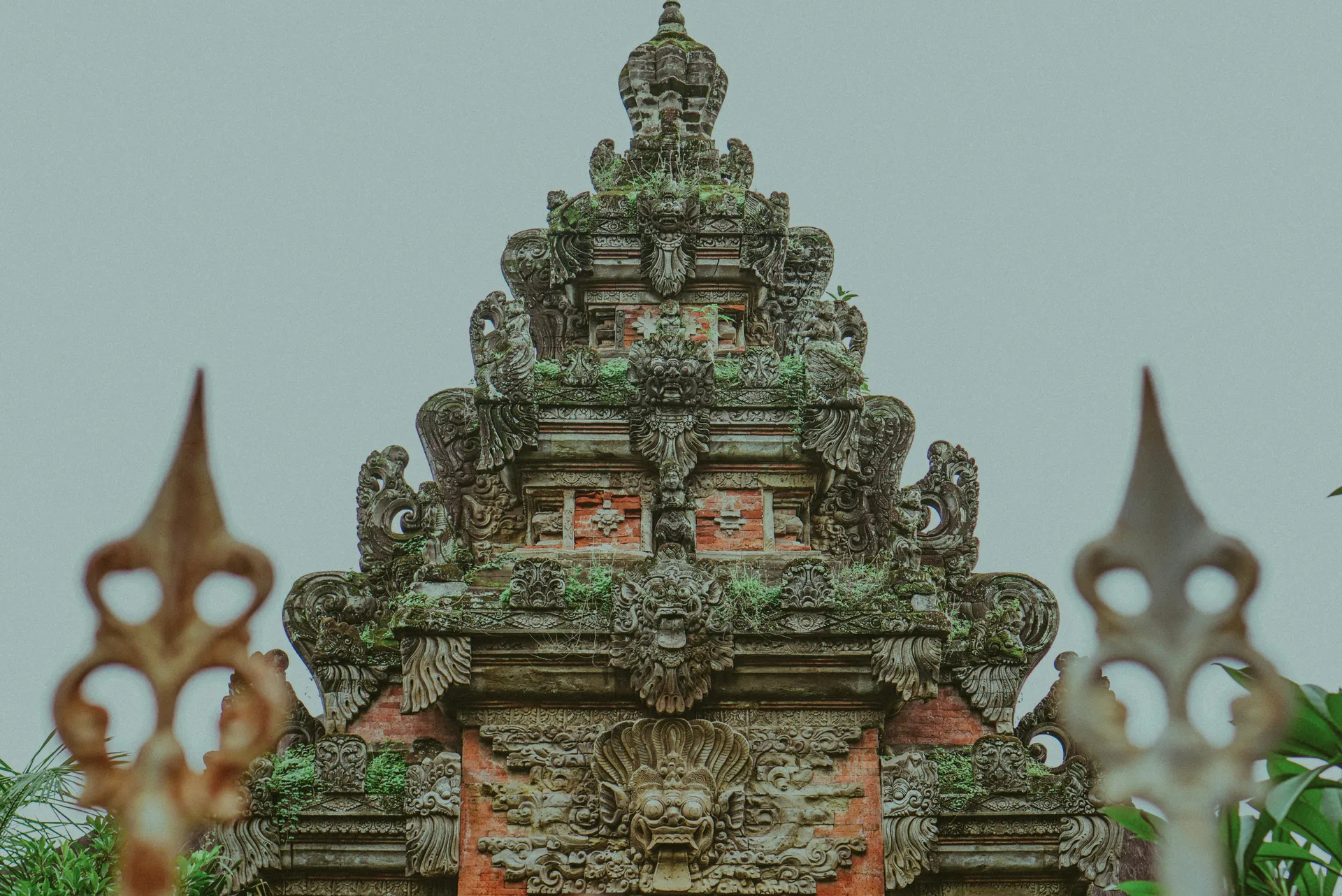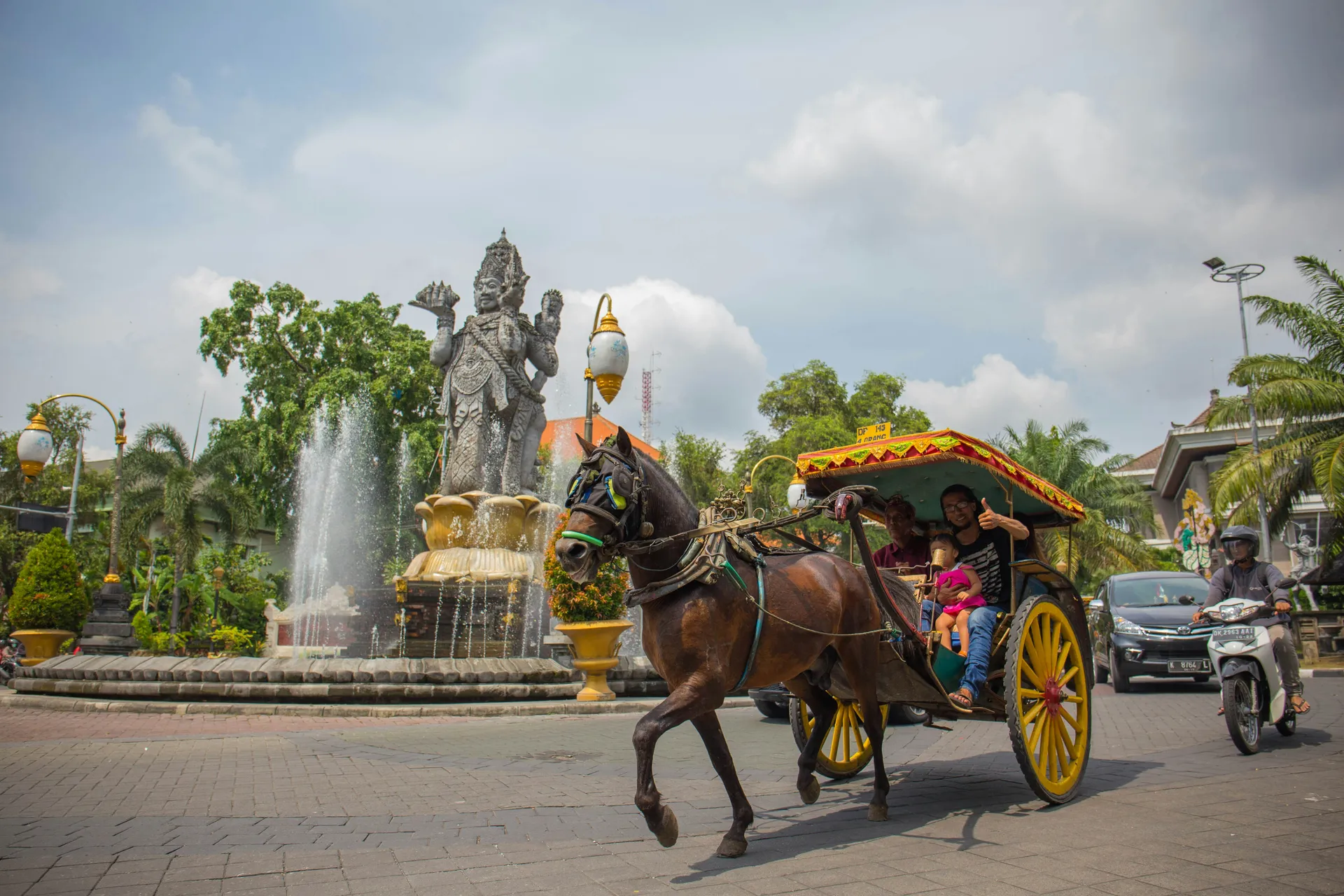
Denpasar is the beating heart of Bali—the island's capital city, home to nearly a million people, and yet perpetually overlooked by visitors who bypass it en route to the beach resorts of Kuta, Seminyak, and Nusa Dua or the cultural villages of Ubud. This is a mistake. Denpasar is where Bali's real life unfolds: the morning offerings of flowers and incense placed on every doorstep, the gamelan music drifting from temple courtyards, the markets overflowing with tropical produce and ceremonial goods, and the daily negotiation between Hindu tradition and modern Indonesian urbanity that makes Bali unique among the world's islands.
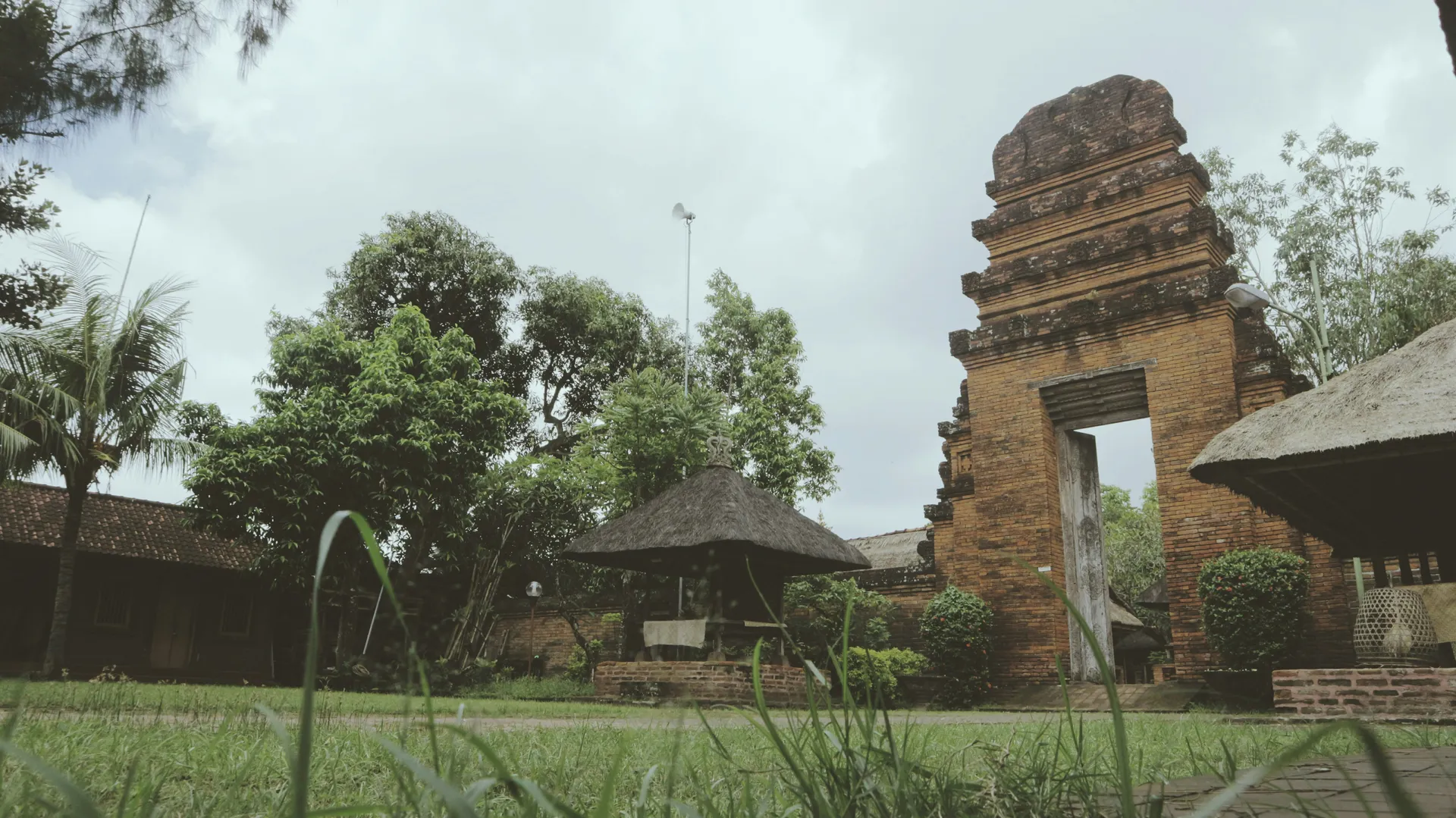
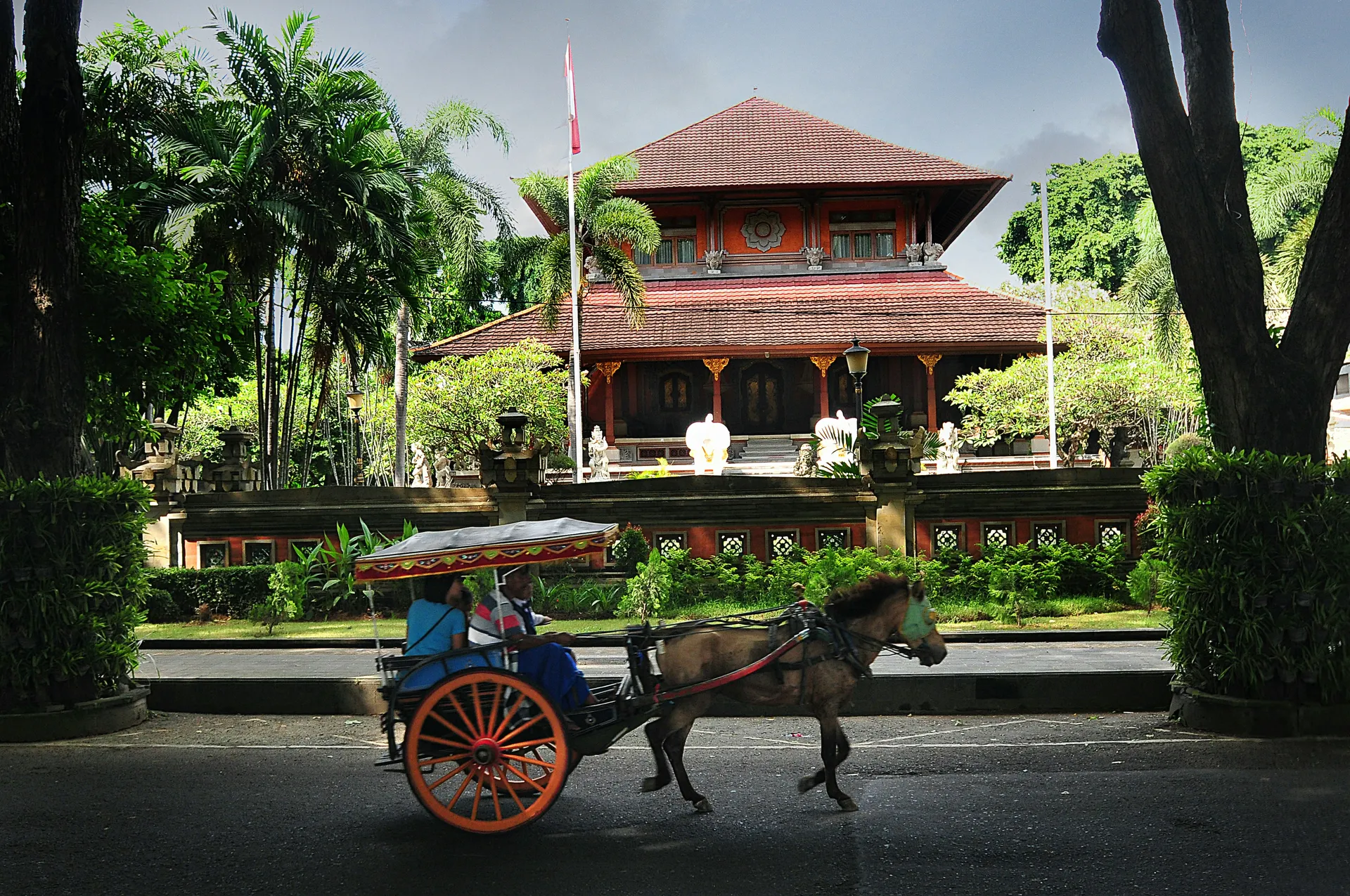
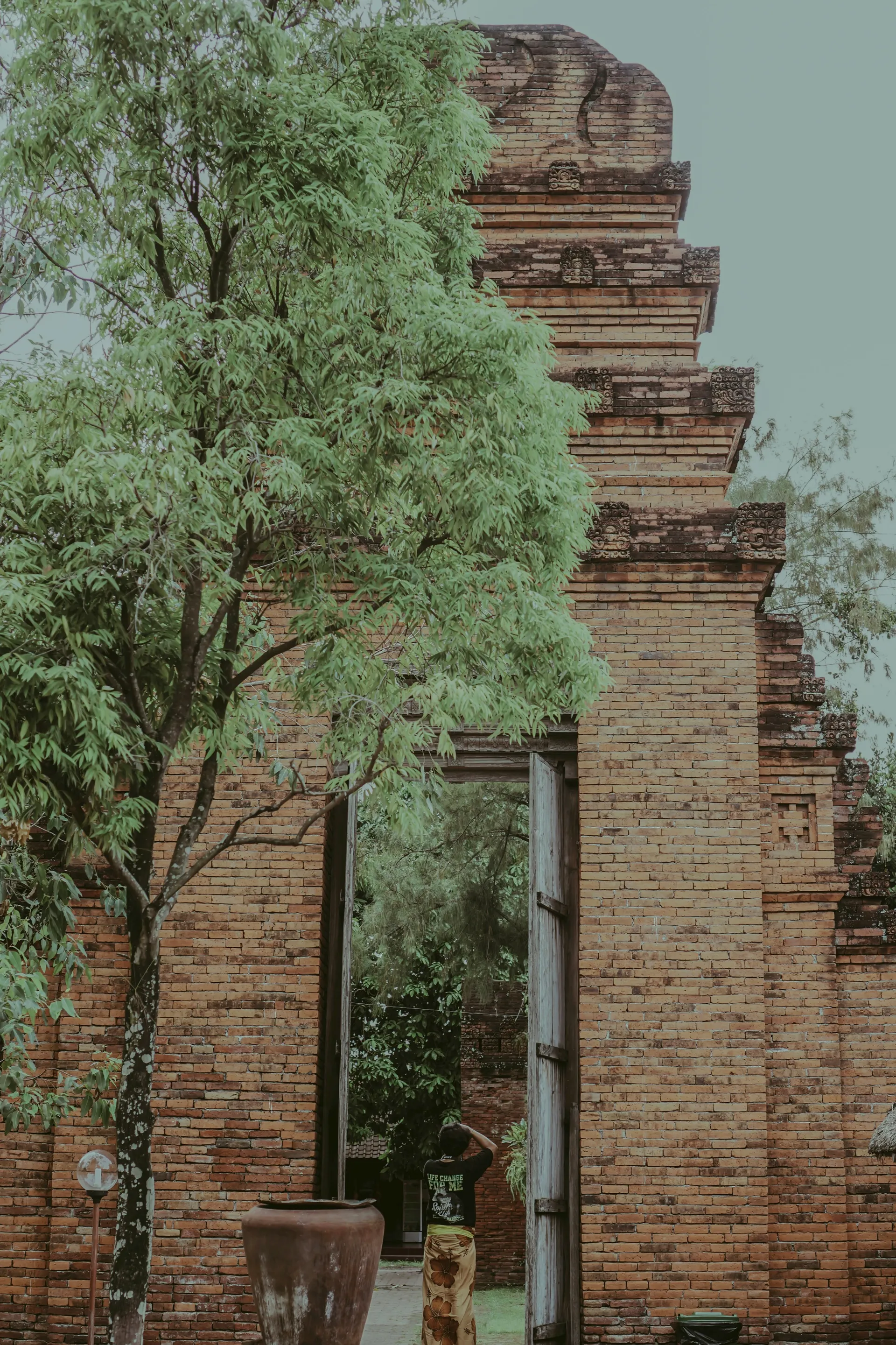
The city's cultural heart is the Puri Agung Denpasar, the royal palace compound on Jalan Surapati that was the seat of the Badung kingdom until the tragic puputan (mass ritual suicide) of 1906, when the Balinese royal family chose death over Dutch colonial submission. The Bajra Sandhi Monument in Renon commemorates Bali's struggle for independence, while the Bali Museum—set in a complex of traditional Balinese architecture—houses an excellent collection of prehistoric artifacts, textiles, masks, and ceremonial objects that provide essential context for understanding the island's culture. The Jagatnatha Temple, dedicated to Sanghyang Widi Wasa, the supreme god of Balinese Hinduism, hosts regular temple ceremonies that are open to respectful visitors.
Denpasar's food scene is the most authentic and affordable on Bali. The Pasar Badung, the island's largest traditional market, is a sensory assault of tropical fruits, spices, flowers, and the babi guling (suckling pig) stalls that produce Bali's most celebrated dish—the whole pig is stuffed with a paste of turmeric, coriander, lemongrass, and chili, then spit-roasted over coconut-husk coals until the skin crackles and the meat falls apart. Nasi campur (mixed rice), the Balinese everyday meal, is elevated in Denpasar's warungs (small family restaurants) to an art form—a plate of rice surrounded by small portions of satay, lawar (spiced vegetable and coconut salad), sambal, and whatever the kitchen has prepared that morning. The night market at Kereneng and the food stalls of Jalan Teuku Umar offer a parade of Balinese and Indonesian specialties at prices that are a fraction of what the tourist areas charge.
Beyond the city, Denpasar's position in southern Bali provides access to the island's extraordinary diversity. The Uluwatu Temple, perched on a cliff above the Indian Ocean, hosts the nightly Kecak fire dance against a backdrop of crashing waves and sunset. The rice terraces of Jatiluwih, a UNESCO World Heritage cultural landscape in the central highlands, demonstrate the subak irrigation system that has sustained Balinese agriculture for over a thousand years. The volcanic lakes of Mount Batur and Mount Agung provide dramatic highland scenery, while the eastern coast offers snorkeling and diving at Amed, Tulamben (the USS Liberty wreck), and Nusa Penida's famous manta ray point.
Denpasar is served by Ngurah Rai International Airport (also called Bali Airport), located in nearby Tuban, with direct flights from across Asia, Australia, and the Middle East. Bali is a year-round destination, but the dry season (April–October) offers the most reliable weather for outdoor activities. The wet season (November–March) brings afternoon thunderstorms but also lush, green landscapes and fewer visitors. Nyepi (Balinese New Year, usually in March), when the entire island observes a day of silence—no lights, no travel, no activity—is one of the most extraordinary cultural experiences available anywhere, and the Ogoh-Ogoh parades the evening before are spectacles of artistic exuberance.