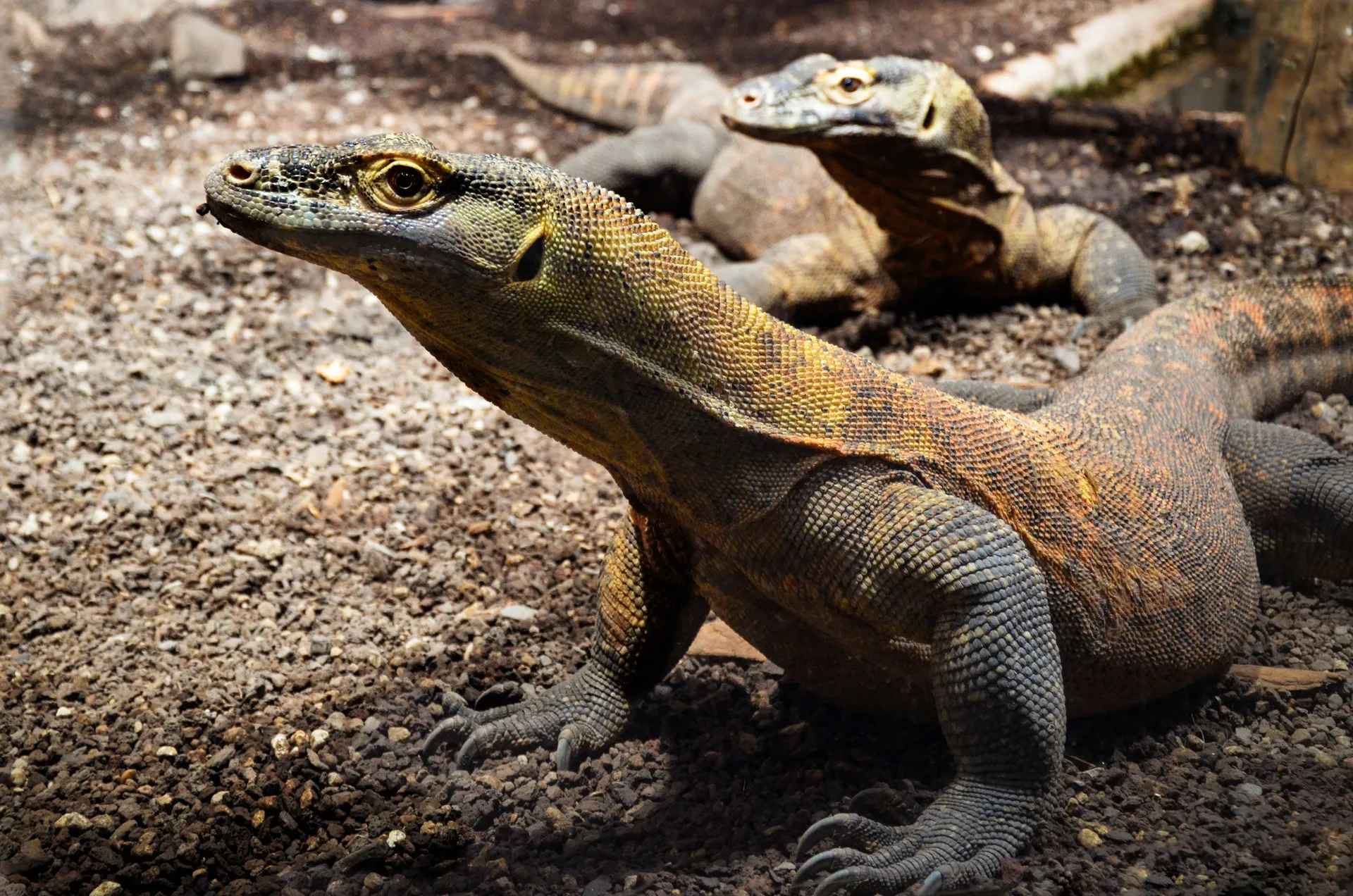
In the strait between the islands of Sumbawa and Flores, where powerful currents sweep nutrients from the deep Indian Ocean into the shallow Flores Sea, Komodo Island rises in a landscape of dry savanna hills that seems more African than Indonesian. This is the kingdom of the Komodo dragon — the world's largest living lizard, a prehistoric predator that has survived on these islands for millions of years while its relatives across the globe succumbed to extinction. For expedition cruise passengers, an encounter with these extraordinary reptiles in their natural habitat ranks among the most primal wildlife experiences available anywhere on Earth.
Komodo National Park, established in 1980 and designated a UNESCO World Heritage Site in 1991, encompasses the three major islands of Komodo, Rinca, and Padar, along with numerous smaller islets and the surrounding marine areas. The park protects approximately 5,700 Komodo dragons, adults of which can reach three meters in length and weigh up to seventy kilograms. Despite their bulk, these animals are formidable hunters — capable of short bursts of speed and armed with venomous saliva that weakens prey over time. Walking the trails of Komodo with park rangers, visitors encounter dragons basking near water holes, nesting females guarding their eggs, and occasionally witness the explosive speed of a dragon pursuing prey.
The marine environment of Komodo National Park is, if anything, even more spectacular than its terrestrial wildlife. The convergence of warm water from the Pacific and cooler water from the Indian Ocean creates conditions of exceptional biodiversity — over 1,000 species of fish, 260 species of reef-building coral, and significant populations of manta rays, dolphins, and sea turtles have been documented within the park. The diving and snorkeling are world-class, with sites like Batu Bolong, Crystal Rock, and Manta Point consistently rated among the finest in Indonesia. The currents can be powerful, which is precisely what drives the nutrient upwelling that supports such extraordinary life.
Padar Island, though smaller than Komodo, has become iconic for its extraordinary landscape — a convergence of three crescent beaches, each a different color (pink, white, and black), viewed from a hilltop that offers one of the most photographed panoramas in Indonesia. The short but steep hike to the viewpoint rewards early-morning visitors with a scene of almost surreal beauty, the turquoise bays contrasting with the dry golden hills and the deep blue of the surrounding strait.
Expedition cruise ships and liveaboard dive boats are the primary means of accessing Komodo National Park, with vessels anchoring in sheltered bays and using tenders for shore excursions and dive operations. The town of Labuan Bajo on Flores serves as the main gateway, with an airport receiving flights from Bali. The dry season from April through November offers the best conditions — clear skies, calm seas, and the best underwater visibility — though the park is accessible year-round. Dragon encounters are reliable in any season, as the animals are resident and active throughout the year.

