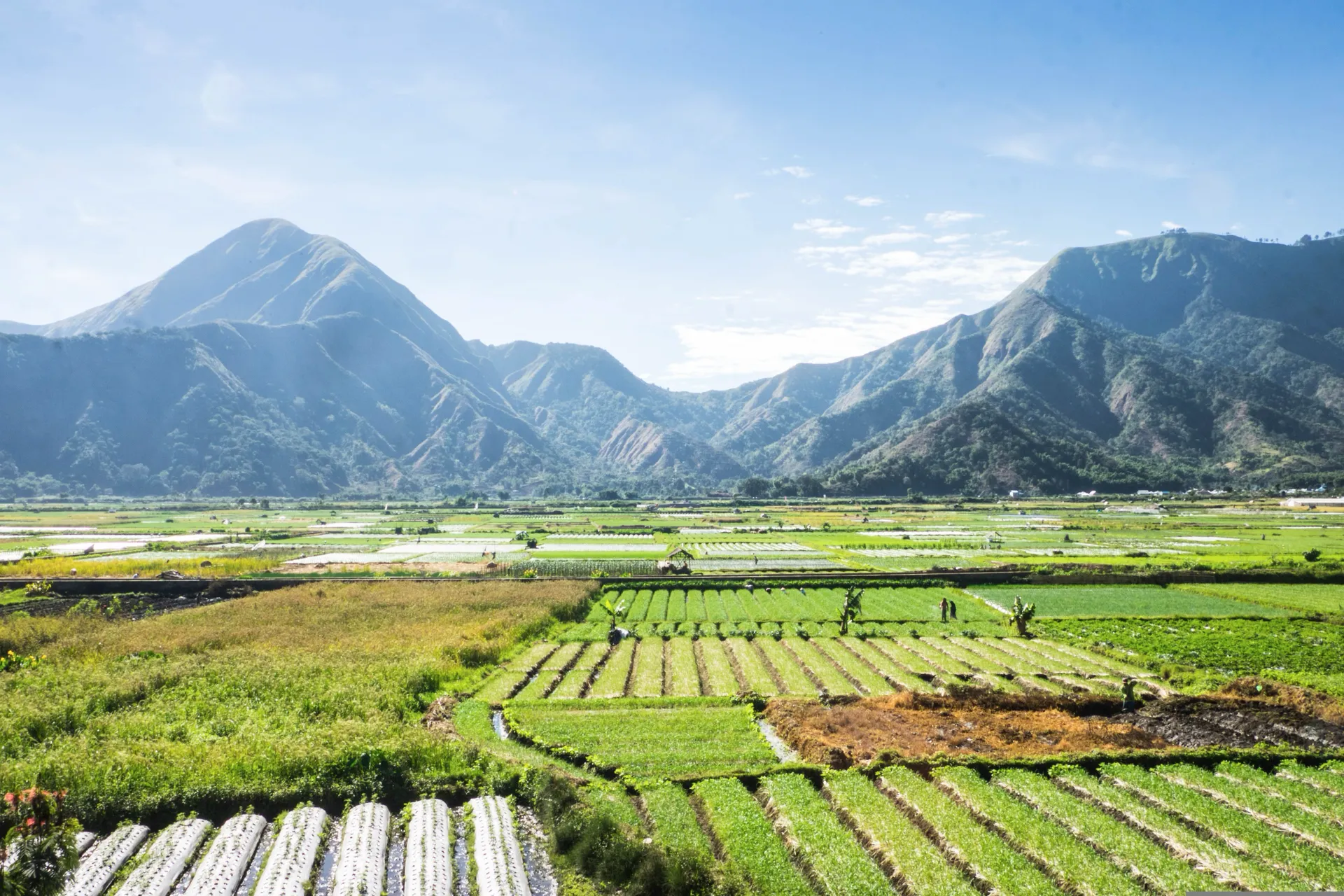
On the southwestern coast of Lombok, where the Lombok Strait separates this island from its more famous neighbor Bali, the port of Lembar serves as the principal maritime gateway to one of Indonesia's most rewarding and least-spoiled destinations. For centuries, Lombok existed in the shadow of the Balinese Hindu kingdoms that periodically extended their rule across the strait, and later under the Dutch colonial administration that saw the island primarily as a source of rice and labor. Today, Lembar's modest harbor—busy with ferries from Padang Bai and inter-island cargo vessels—is the first impression most sea-borne travelers receive of an island that quietly surpasses expectations at every turn.
The character of Lombok reveals itself in layers as one moves inland from Lembar's coastal plain. The Sasak people, who comprise roughly 85 percent of the island's population, maintain a vibrant Islamic culture inflected with animist traditions that predate the arrival of Islam. Traditional Sasak villages like Sade and Ende, with their distinctive thatched-roof lumbung rice barns, offer encounters with a living architectural heritage that has survived centuries of external influence. The weaving tradition is particularly significant: Sasak women produce intricate songket textiles using techniques passed from mother to daughter, with patterns that encode clan identity, social status, and spiritual meaning in every thread.
Lombok's culinary landscape is distinct from Bali's Hindu-influenced cuisine, reflecting instead the island's Islamic Sasak and Javanese influences. Ayam Taliwang—grilled chicken marinated in a paste of chili, shrimp paste, and garlic—is the island's signature dish, served with plecing kangkung (water spinach in fiery sambal) and steamed rice. Fresh seafood dominates coastal menus: grilled snapper wrapped in banana leaf, squid satay, and the extraordinary ikan bakar (charcoal-grilled fish) served at beachside warungs where your catch is selected live from the morning's haul. The morning markets in Praya and Mataram overflow with tropical fruits, spices, and the fermented fish paste that gives Lombok cooking its distinctive depth.
From Lembar, the island radiates outward in every direction with compelling diversions. South Lombok's beaches—Kuta, Tanjung Aan, and Mawun—rank among the finest in Southeast Asia, with white sand crescents backed by arid hills that evoke southern Spain more than tropical Indonesia. The Gili Islands to the northwest offer car-free island living with world-class snorkeling and diving. For the ambitious, Mount Rinjani—Indonesia's second-highest volcano at 3,726 meters—dominates the northern skyline, its crater lake of unearthly blue visible from the summit after a challenging two-to-three-day trek through tropical forest and volcanic scree.
Lembar receives daily ferry services from Bali's Padang Bai port, with the crossing taking approximately four hours. Cruise ships anchor offshore and tender passengers to the port facilities. The dry season from May through October offers the most reliable weather, with July and August providing the driest conditions for Rinjani trekking and the clearest visibility for diving and snorkeling. The shoulder months of April and November can be excellent, with fewer visitors and still-favorable weather. Lombok's international airport near Praya provides an alternative arrival point with connections to Jakarta, Kuala Lumpur, and Singapore.

