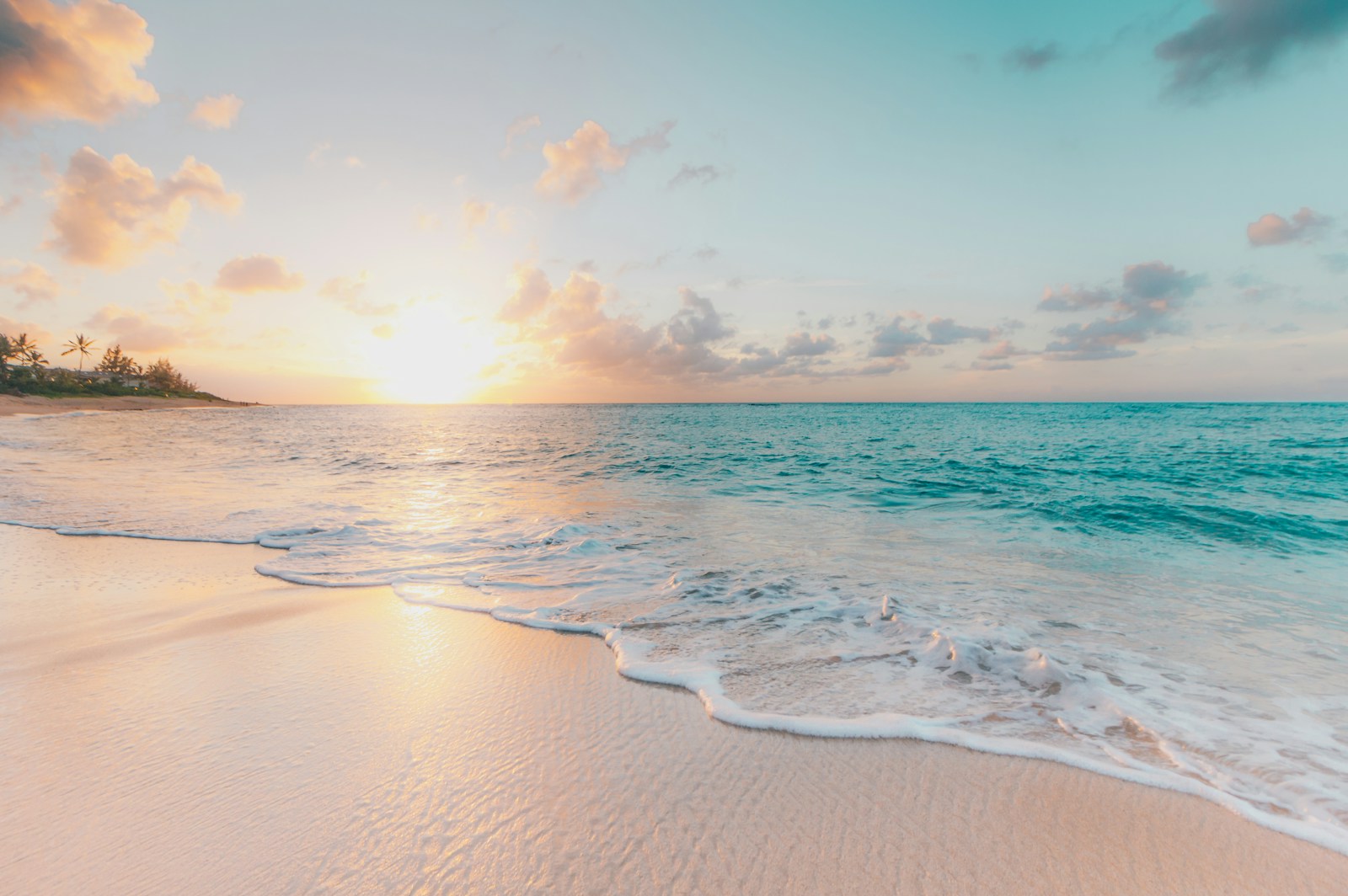
At the northernmost extremity of the Indonesian archipelago, closer to the Philippines than to any Indonesian city, the tiny island of Miangas occupies a position of outsized geopolitical and cultural significance. This volcanic dot — barely three square kilometers in area — was the subject of a landmark 1928 international arbitration between the Netherlands and the United States, which established principles of sovereignty that continue to shape international law. Today, Miangas is home to a small community of Talaud people whose traditions, language, and daily life reflect centuries of cultural exchange between the Indonesian and Philippine worlds.
The island rises gently from coral reefs to a modest central elevation, its slopes terraced with coconut palms, banana groves, and small garden plots where cassava, sweet potato, and vegetables grow in the rich volcanic soil. The village of Miangas clusters around a small harbor on the island's western shore, its painted houses interspersed with the traditional rumah panggung — elevated wooden dwellings designed to catch the breeze and stay above monsoon floodwaters. A small monument near the harbor marks the island's status as Indonesia's northernmost point, a source of quiet pride for residents.
The culinary traditions of Miangas reflect its isolation and its oceanic setting. Fish dominates every meal — grilled, dried, or simmered in the spicy, sour curries characteristic of the Talaud Islands. Coconut milk enriches most dishes, and the omnipresent sambal brings heat to even the simplest preparation. Fresh tuna, caught by handline from outrigger canoes, is the prize catch, often served as gohu ikan — a Talaud-style ceviche of raw fish with citrus, chili, and herbs that speaks to the deep Austronesian heritage of these waters.
The surrounding seas are among the least explored in the Coral Triangle, the global epicenter of marine biodiversity. The reefs encircling Miangas are in excellent condition, supporting dense communities of hard and soft coral, schooling fish, and the occasional visiting sea turtle. The deep channels between Miangas and the neighboring Nanusa Islands create current-swept walls that attract pelagic species, making this a frontier destination for adventurous divers. Above water, the island's coconut groves host fruit bats and a variety of endemic bird species found only in the Talaud group.
Miangas is accessible exclusively by sea — there is no airstrip, and the nearest airport is on Melonguane in the Talaud Islands. Expedition cruise ships occasionally include Miangas on remote Indonesian itineraries. There are no tourist facilities; visits depend entirely on the hospitality of the local community. The calmest seas occur between March and May and September to November, between the monsoon seasons. A visit to Miangas is a journey to one of Southeast Asia's most remote inhabited outposts — a place where the map of Indonesia literally ends and the vast Pacific begins.

