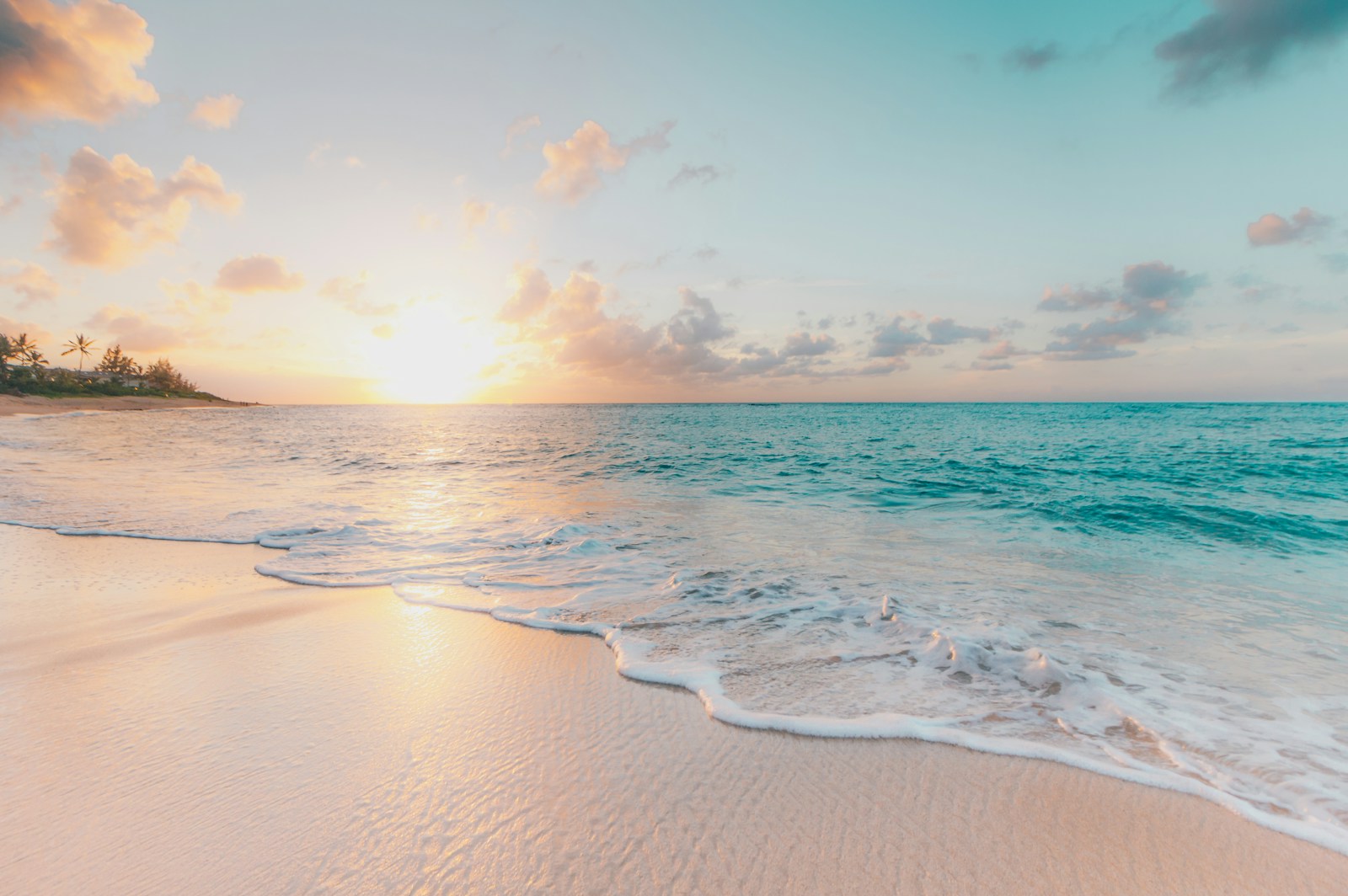
In the warm waters between Sumbawa and Flores in the Lesser Sunda Islands of eastern Indonesia, Satonda Island rises from the sea as a near-perfect volcanic cone crowned by a remarkable feature: a saltwater crater lake whose existence baffles casual visitors and delights geologists. This tiny, uninhabited island — barely two kilometres across — was formed by volcanic eruptions and subsequently invaded by the sea through subterranean fissures, creating an interior lake whose waters are saline and whose shores are lined with eerie formations of fossilised coral uplifted above the waterline.
The character of Satonda is defined by its geological improbability. The crater lake, nestled within the island's volcanic rim, is connected to the surrounding ocean through porous rock, causing its level to rise and fall with the tides. The lake's shores are decorated with coral formations — branching, brain, and table corals — that were once submerged but have been pushed above the waterline by geological uplift. These white, skeletal structures, standing in the open air like sculpture, create a landscape that feels genuinely otherworldly.
The waters surrounding Satonda offer exceptional snorkelling and diving. The island sits within the Coral Triangle — the global epicentre of marine biodiversity — and its fringing reefs display the characteristic richness of Indonesian waters. Hard and soft corals in dazzling variety provide habitat for nudibranchs, pygmy seahorses, frogfish, and the flamboyant cuttlefish whose psychedelic colour displays are among the most remarkable in the animal kingdom. Larger visitors include reef sharks, eagle rays, and sea turtles that nest on the island's beaches.
Satonda holds spiritual significance for the people of Sumbawa. The island is considered sacred, and a large banyan tree near the crater lake is festooned with offerings — coins, cloth, and small objects — left by fishermen and pilgrims who come to request blessings for safe voyages and good catches. The tree's aerial roots, draped in votive offerings, create a shrine of quietly powerful atmosphere that anchors the island's wild beauty to the human world.
Satonda Island is most commonly visited as part of liveaboard dive trips operating in the Komodo region or expedition cruises through eastern Indonesia. The island can also be reached by charter boat from Sumbawa Besar (approximately three to four hours). There are no facilities on the island — visitors must be self-sufficient. The best time to visit is April through November, when the dry season brings calm seas and excellent underwater visibility. The hike from the beach to the crater lake takes approximately thirty minutes through forest and is moderately steep.

