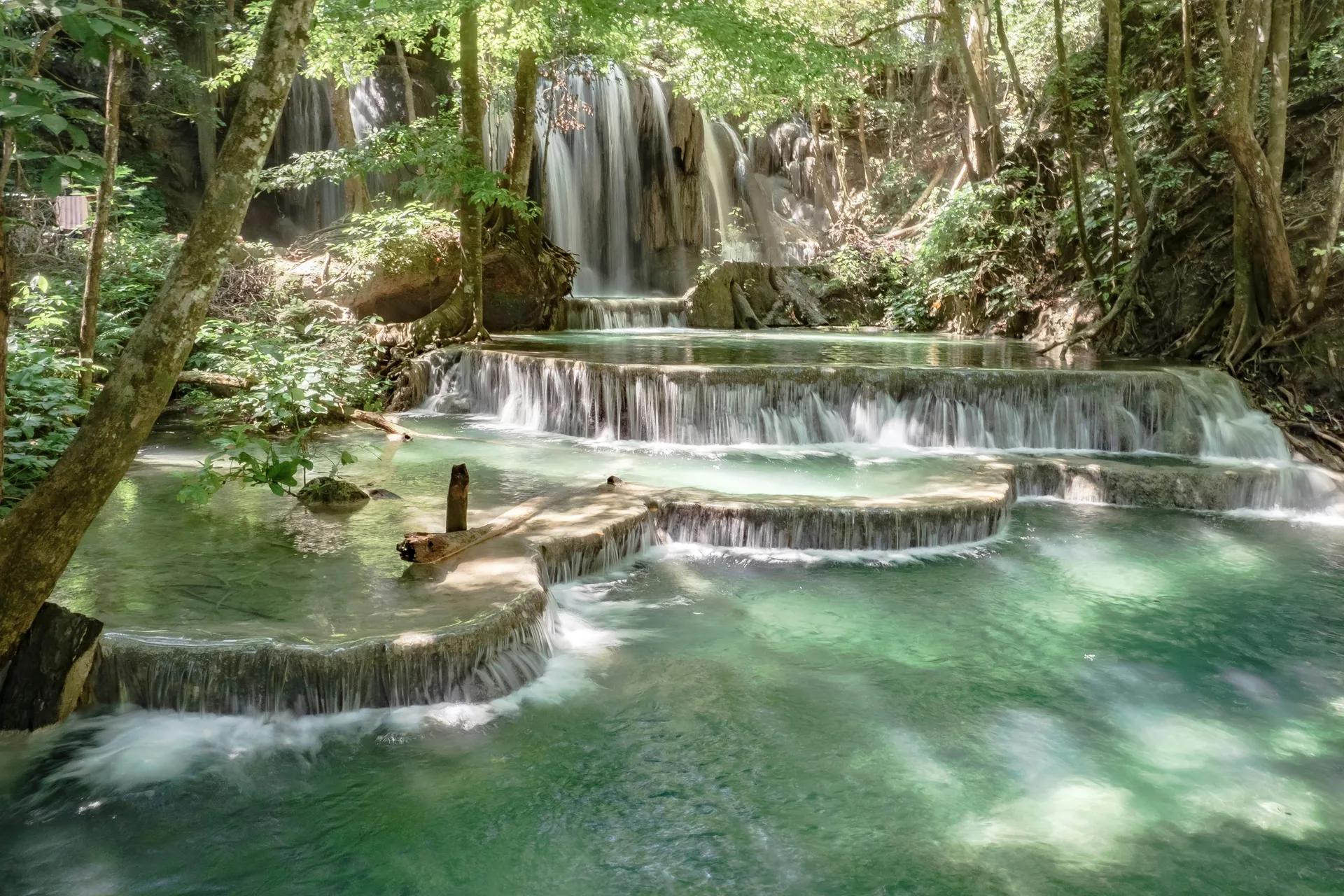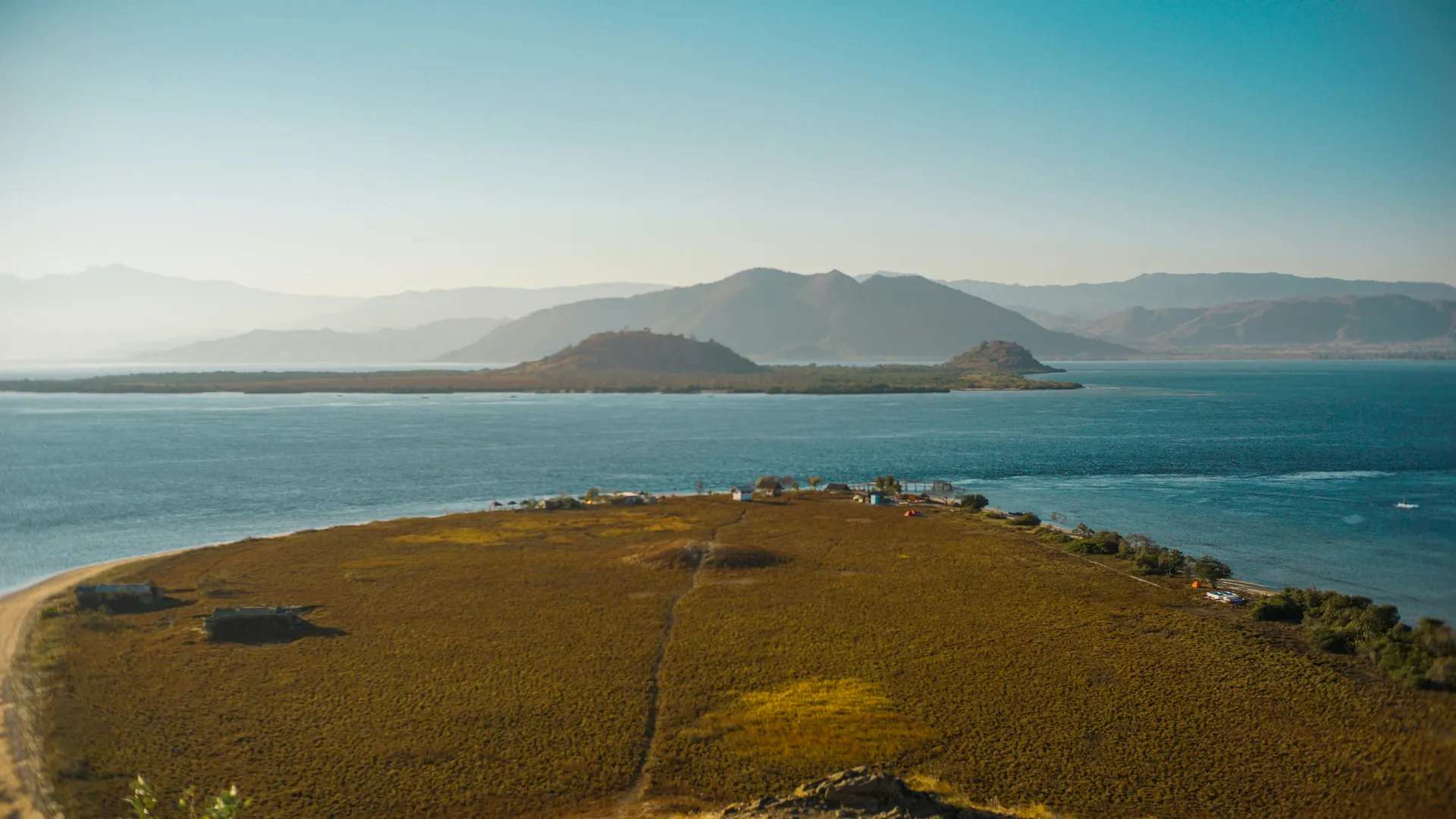
East of Bali and Lombok, beyond the reach of mainstream Indonesian tourism, Sumbawa Island stretches across fifteen thousand square kilometres of mountainous terrain, dry savannah, and rugged coastline in the Lesser Sunda chain. This is the island dominated by Mount Tambora, whose catastrophic eruption in April 1815 — the largest volcanic event in recorded history — ejected so much ash into the atmosphere that it caused the "Year Without a Summer" across the Northern Hemisphere, triggering crop failures from New England to China and inspiring Mary Shelley's Frankenstein during the gloom-shrouded summer of 1816 in Switzerland.
Tambora's caldera, six kilometres wide and over a kilometre deep, remains one of the most impressive volcanic features in Indonesia. Trekking to the rim — a challenging two-to-three-day expedition through montane forest and volcanic terrain — rewards with views into the immense crater and across the Flores Sea to neighbouring islands. The eruption, which killed an estimated seventy thousand people directly and many more through its climatic effects, obliterated the Tamboran civilization that had flourished on the mountain's slopes — archaeological excavations have uncovered a "Pompeii of the East" buried beneath metres of pyroclastic debris.
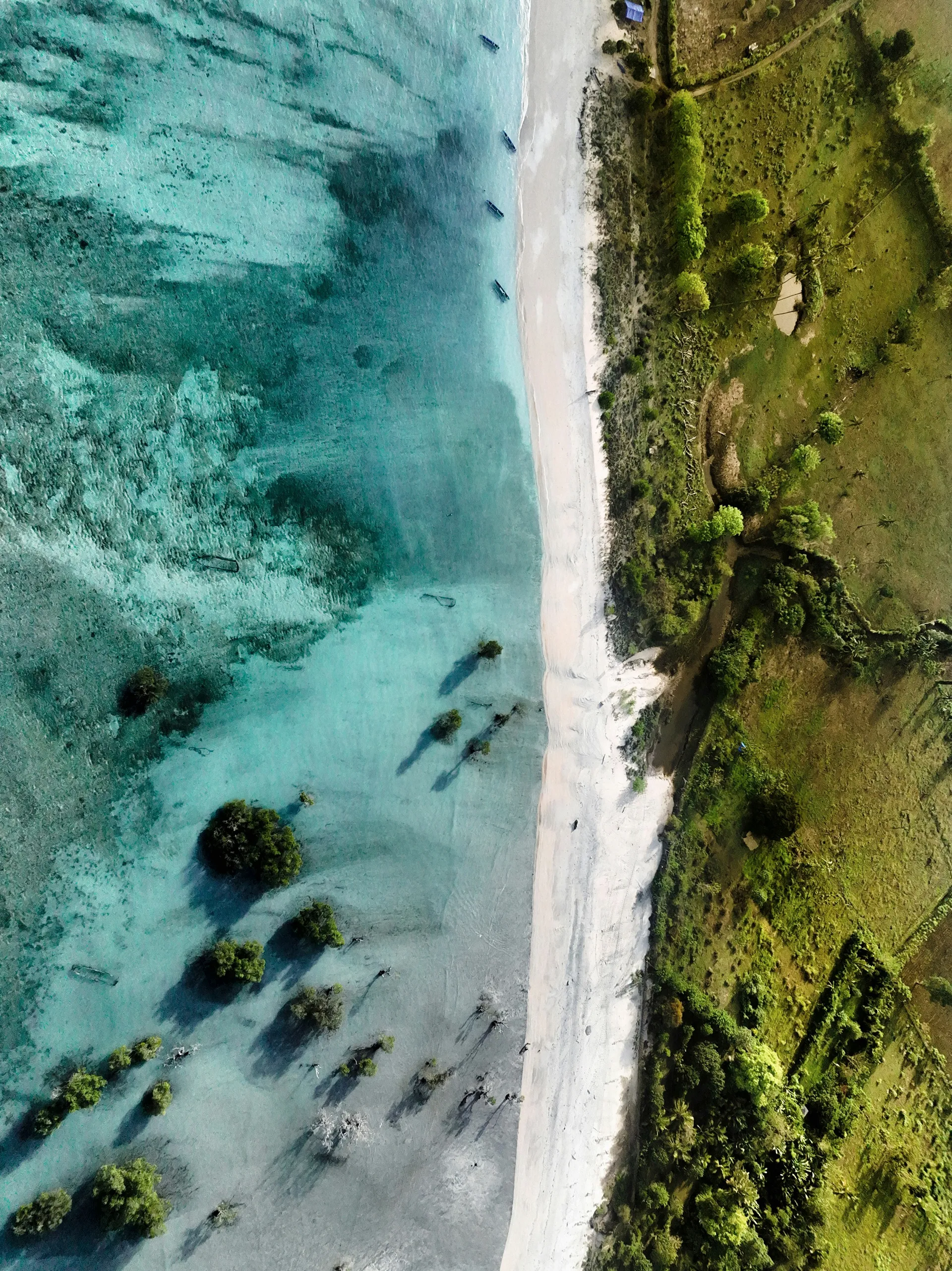
Sumbawa's coastline offers some of Indonesia's most sought-after surfing. The southwest coast, particularly around Hu'u and Lakey Beach, receives powerful Indian Ocean swells that create world-class waves in a setting that remains refreshingly undeveloped compared to Bali's crowded breaks. Beneath the surface, the waters around Sumbawa — particularly in the strait between Sumbawa and Moyo Island — harbour exceptional diving, with healthy coral reefs, manta ray cleaning stations, and the kind of fish diversity that characterizes the Coral Triangle, the epicentre of global marine biodiversity.
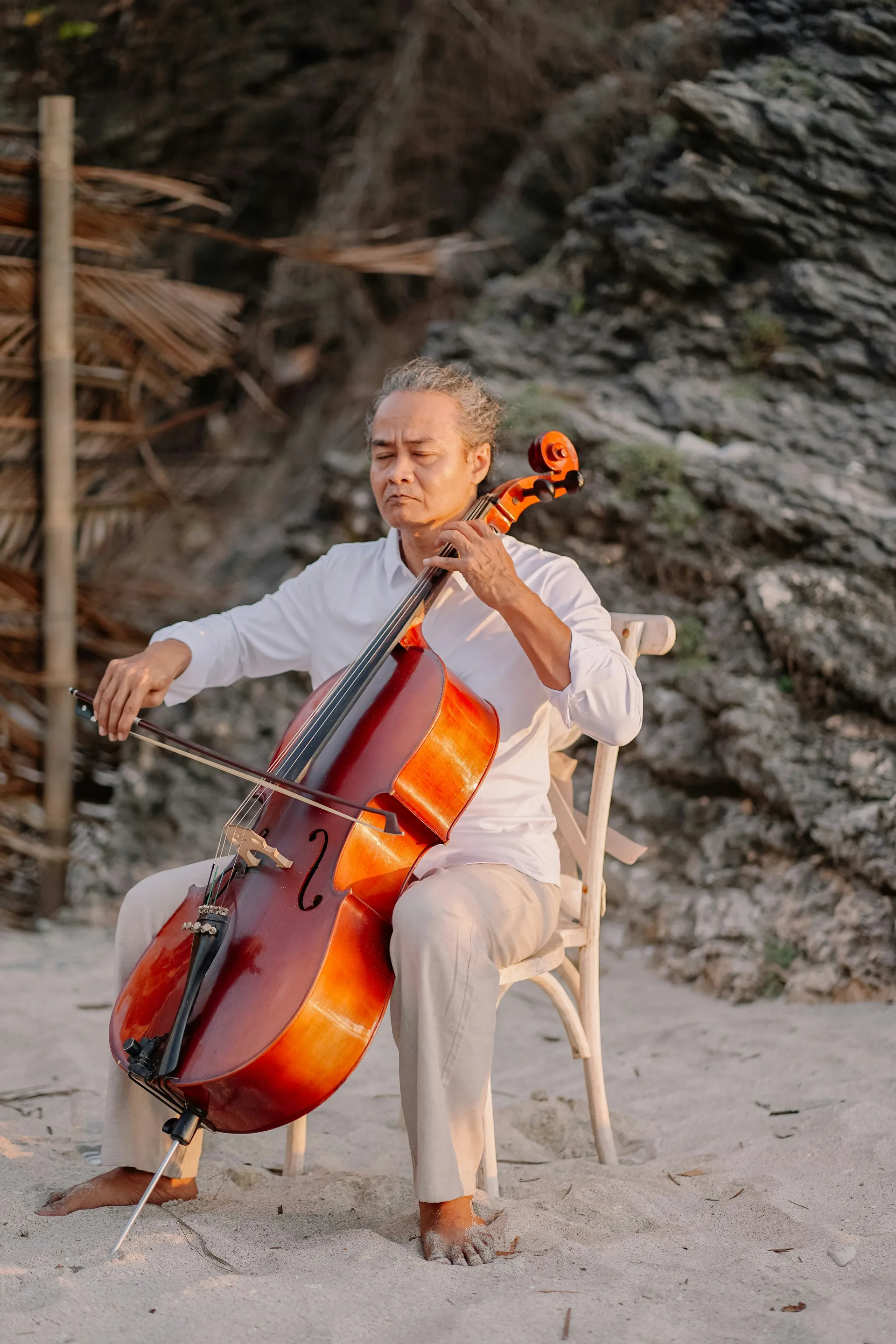
The island's culture reflects its position at the intersection of Javanese, Makassarese, and indigenous Sumbawan traditions. The Sultanate of Bima, which ruled the eastern part of the island for centuries, left a legacy of Islamic architecture and court culture visible in the Sultan's Palace and the grand mosque of Bima. Traditional horse racing, buffalo fights, and the elaborate ceremonies surrounding marriage and harvest remain important cultural events. The cuisine is influenced by the drier climate — corn and cassava supplement rice, and the grilled fish, sambal, and fresh tropical fruits that appear at every meal reflect the island's abundance despite its relative aridity.
Sumbawa is reached by ferry from Lombok or Flores, by flights to Bima airport, or by expedition cruise ship anchoring at various points along the coast. Tourist infrastructure is limited outside the surfing areas, making Sumbawa an adventure destination rather than a resort experience. The dry season from April through November offers the best conditions for both trekking and diving. Sumbawa rewards travellers with a sense of discovery — a large, diverse island that remains genuinely off the beaten path in a country where that distinction grows ever more difficult to claim.