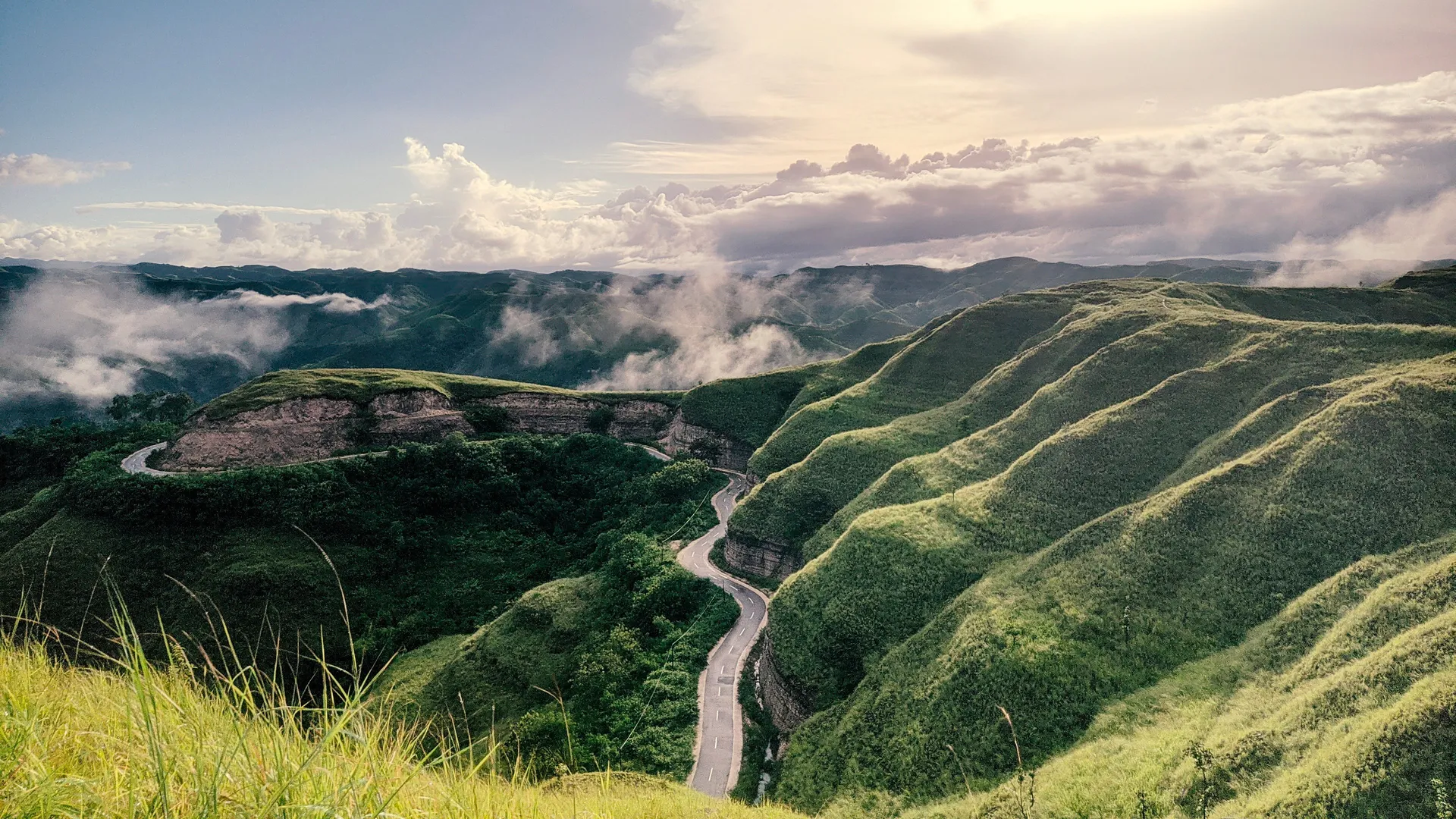
On the northeastern coast of Sumba, one of the most culturally distinctive islands in the Indonesian archipelago, the port town of Waingapu provides entry to a world that exists on its own terms — where megalithic tombs carved from single blocks of stone still receive fresh offerings, where annual ritual battles on horseback draw entire communities, and where the ikat textiles woven by the island's women are considered among the finest examples of the art anywhere in the world.
Sumba's cultural landscape is unlike anything else in Indonesia. While most of the archipelago embraced either Islam or Christianity centuries ago, Sumba maintained its indigenous Marapu religion well into the twentieth century — an animist belief system centered on ancestor worship, elaborate funerary rites, and a cosmological division of the world into visible and invisible realms. The massive stone tombs that dot the landscape — some weighing many tons and carved with figures, buffalo horns, and geometric designs — are the most visible expression of Marapu belief, and the ceremonies associated with burial remain among Indonesia's most dramatic cultural performances.
The Pasola, held annually in February and March, is Sumba's most famous ceremony — a mounted jousting tournament in which teams of horsemen hurl wooden spears at each other in a ritual believed to ensure a good harvest. The spectacle, which takes place on open fields before crowds of thousands, combines the thunder of galloping horses, the flash of thrown spears, and the ululation of the crowd into an event of extraordinary visual and emotional intensity. While tourists are welcome, the Pasola is emphatically not a performance — it is a living ritual of genuine spiritual significance.
Waingapu's textile markets display the ikat cloths for which Sumba is renowned. East Sumba's ikat tradition produces textiles of remarkable complexity — large panels featuring stylized horses, deer, roosters, and human figures in natural dye colors of indigo and russet against pale cotton backgrounds. The finest examples take months to produce, with the resist-dyeing process requiring multiple stages of binding and immersion that demand extraordinary skill and patience. Visiting weaving villages around Waingapu — Prailiu, Kaliuda, and Rende among them — allows observation of the entire process from cotton spinning to finished textile.
Cruise ships dock at Waingapu's commercial port, from where the town center and textile markets are easily accessible. Excursions to traditional villages and megalithic sites typically require vehicle transport, as the destinations are scattered across the eastern Sumba landscape. The dry season from May through October offers the most comfortable conditions — cooler temperatures, lower humidity, and dusty but navigable roads. The wet season (November-April) brings the Pasola and greener landscapes but also challenging road conditions. Regardless of season, Sumba's distinctive culture makes it one of the most rewarding destinations in all of Indonesia for travelers with an interest in living traditions.

