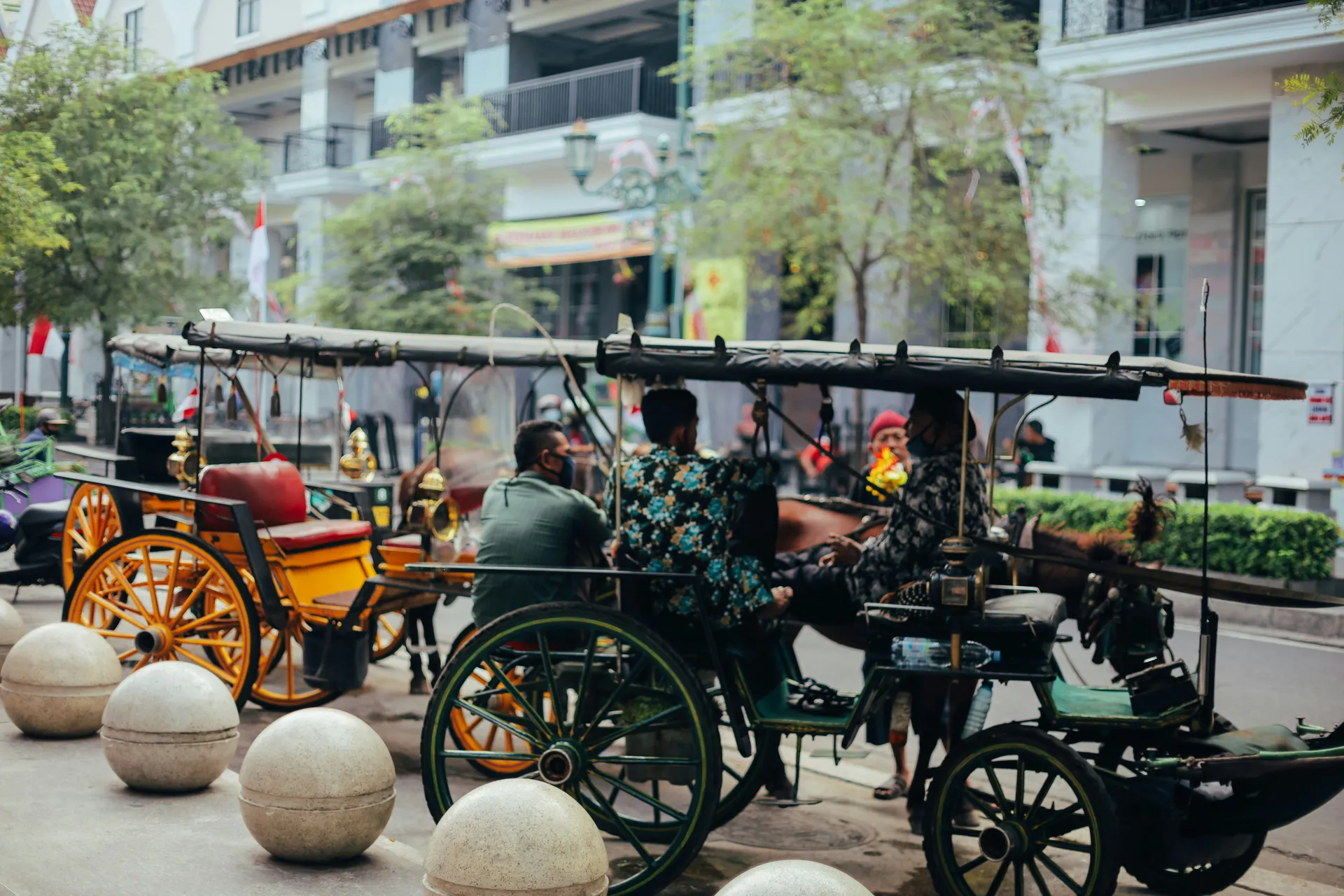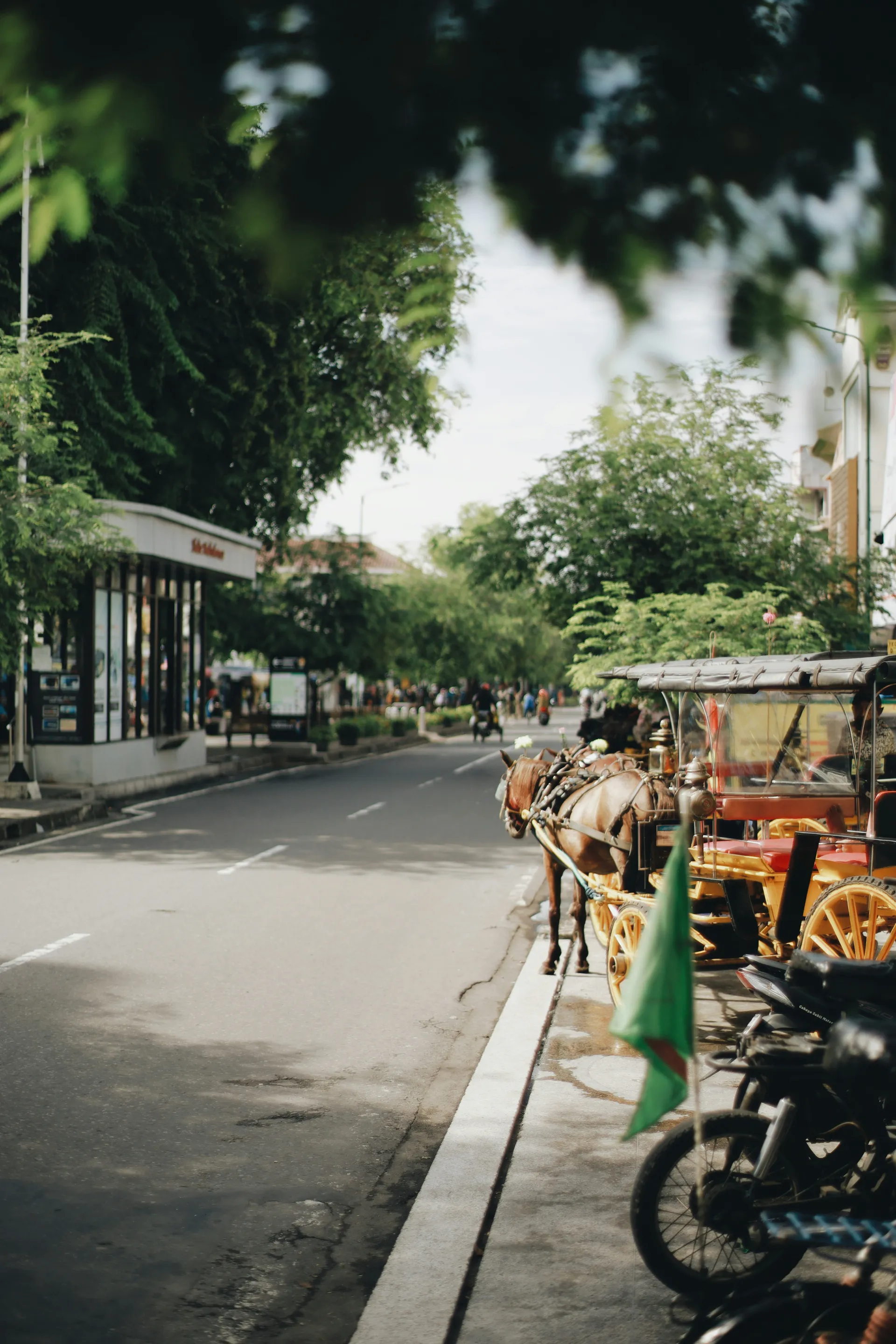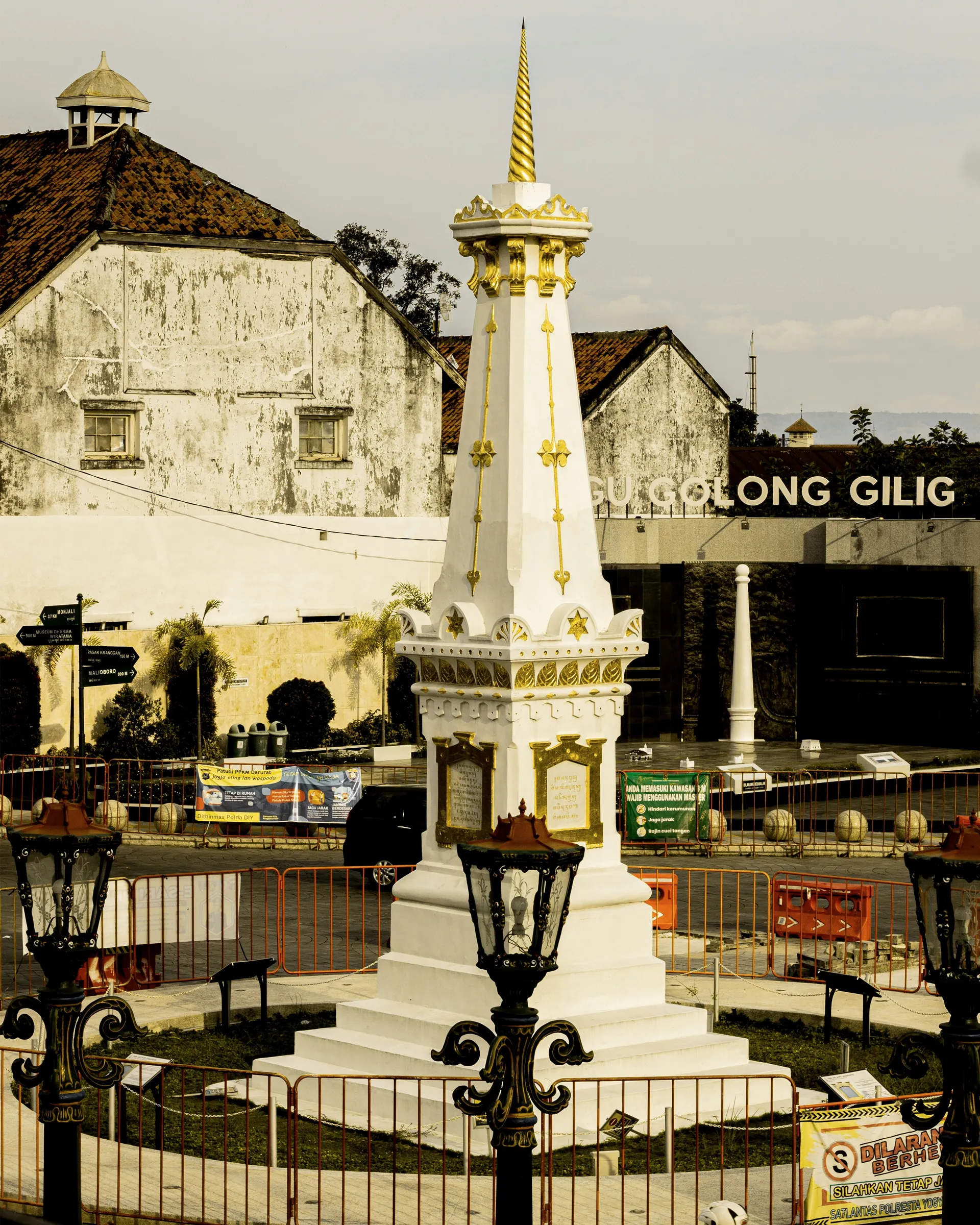
Yogyakarta — universally shortened to "Jogja" by those who love it, which is to say virtually everyone who visits — is the cultural and spiritual heart of Java, a city where the ancient Javanese court traditions of the Sultan's Kraton (palace) coexist with a vibrant contemporary art scene, a student population that keeps the streets alive until dawn, and a concentration of archaeological wonders that ranks among the most impressive in Southeast Asia. This is the only Indonesian city still governed by a sultan, whose palace compound occupies the literal and figurative centre of the city, its orientation reflecting the Javanese cosmological axis between the volcanic Mount Merapi to the north and the turbulent Indian Ocean to the south.
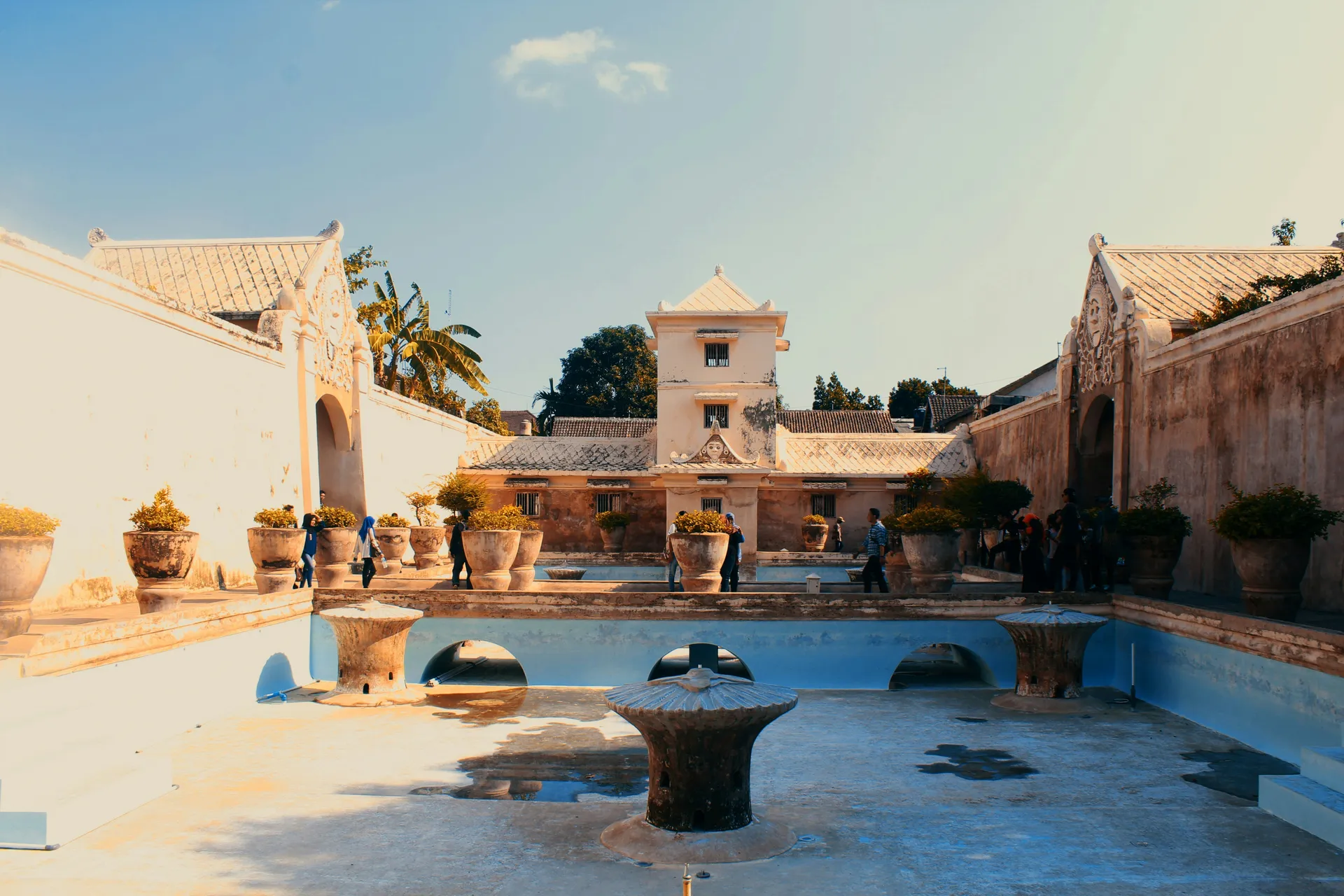
The Kraton of Yogyakarta, built in 1755, is a vast complex of open pavilions, enclosed courtyards, and ceremonial halls where the Sultan's household still resides and where daily performances of gamelan music, wayang kulit (shadow puppet theatre), and classical Javanese dance maintain traditions that stretch back to the Hindu-Buddhist courts of medieval Java. The Taman Sari Water Castle, built as a pleasure garden for the Sultan in the eighteenth century, combines Javanese and Portuguese architectural elements in a complex of bathing pools, underground tunnels, and mosque that is being gradually restored to reveal its former elegance.
Yogyakarta's supreme attractions lie just outside the city. Borobudur, thirty-eight kilometres to the northwest, is the largest Buddhist temple in the world — a ninth-century mandala of stone rising from the Kedu Plain in nine terraces decorated with over two thousand relief panels and five hundred and four Buddha statues. Watching the sunrise from Borobudur's upper platform, as mist clears from the surrounding volcanoes and palm plantations, is one of the transcendent experiences of world travel. Prambanan, fifteen kilometres to the east, is the largest Hindu temple compound in Indonesia — its soaring towers dedicated to Shiva, Vishnu, and Brahma are decorated with reliefs depicting the Ramayana with extraordinary artistry.
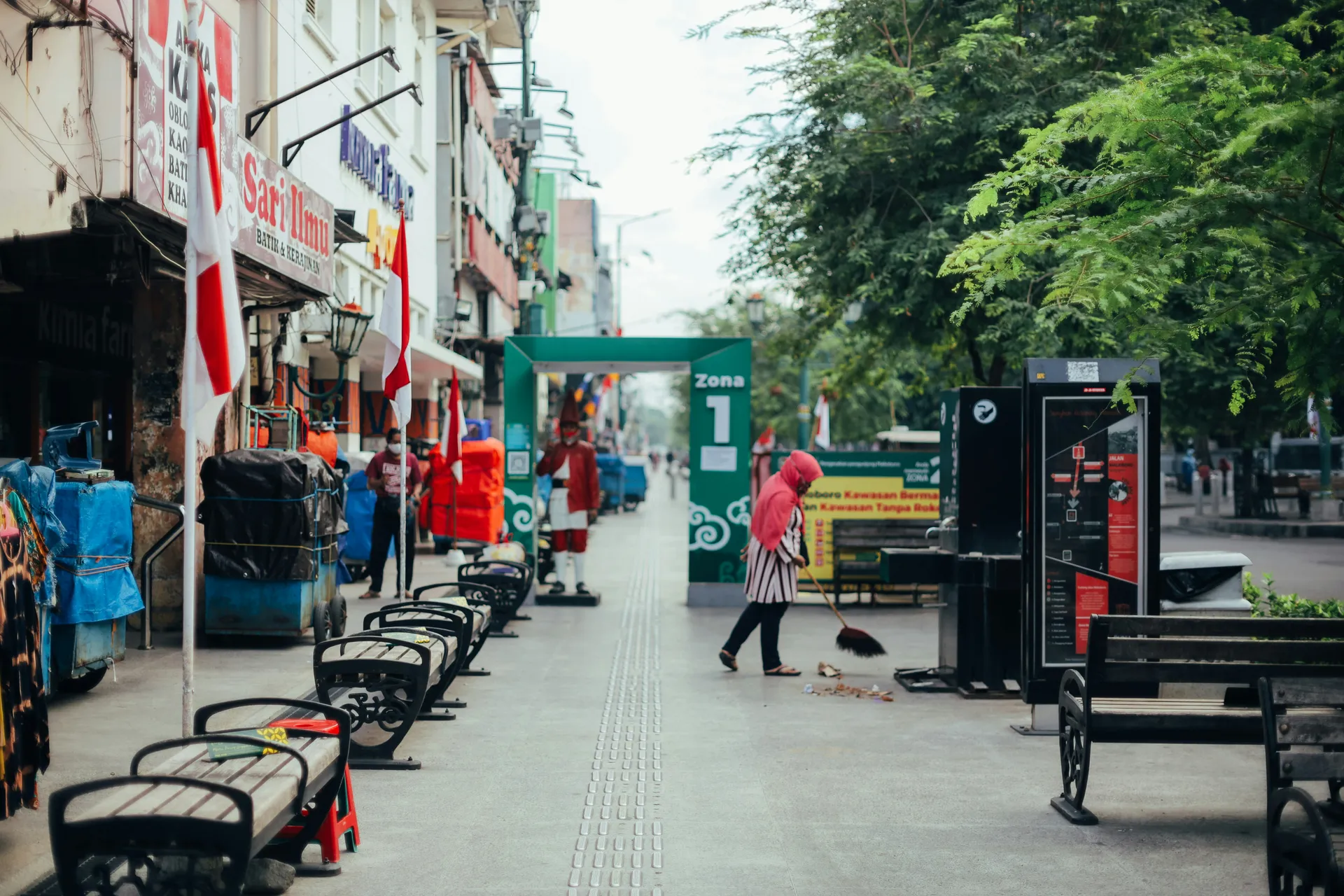
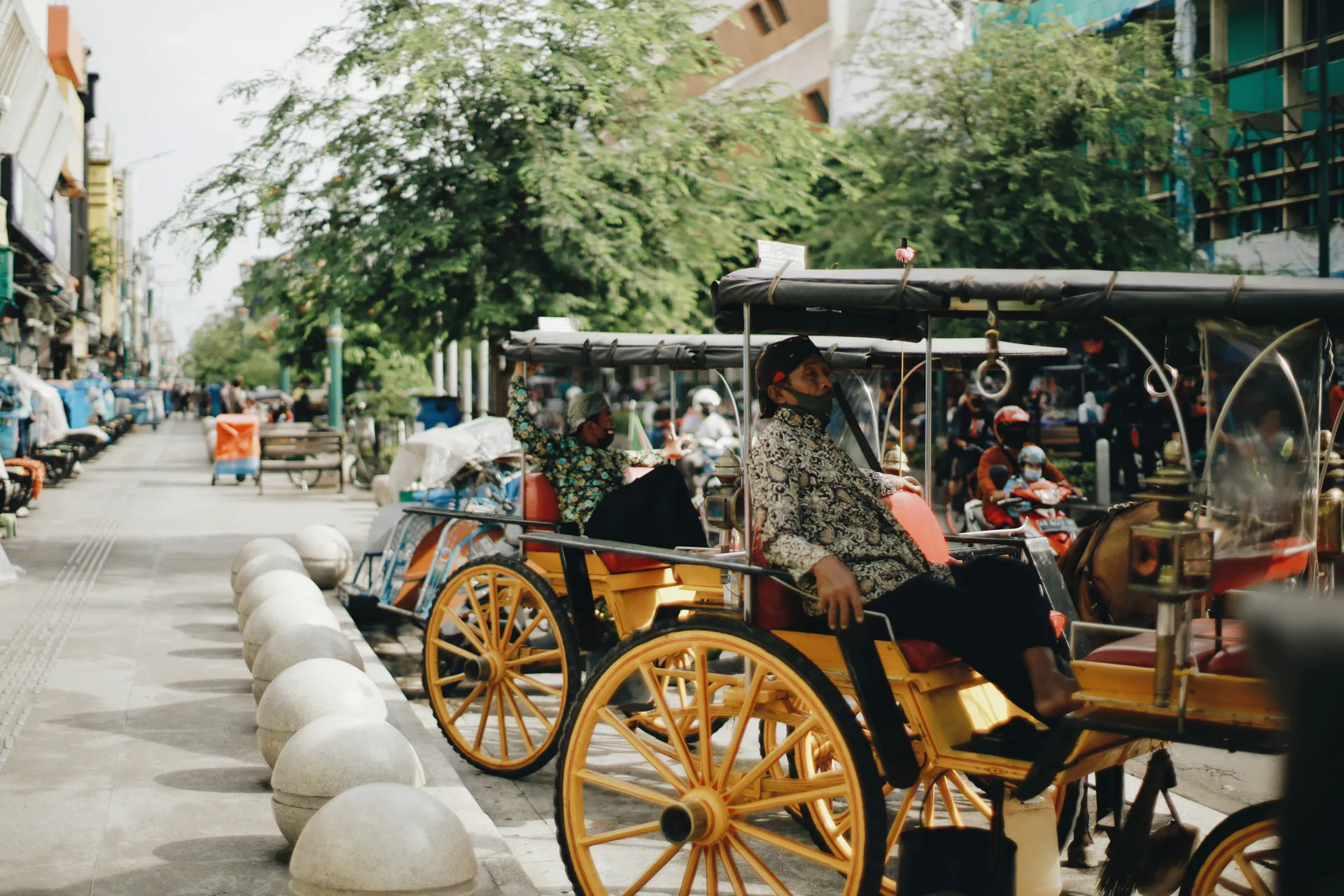
Jogja's culinary scene is exceptional. Gudeg — young jackfruit stewed for hours in coconut milk with palm sugar and teak leaves until it turns a distinctive brown — is the city's signature dish, served at countless warungs (food stalls) and restaurants. Nasi langgi, bakpia (filled pastries), and the countless variations of fried rice and noodles that sustain Javanese daily life are available at every corner. The Malioboro Street night market transforms the city's main thoroughfare into a kilometre-long food court after dark, its steam and sizzle providing the soundtrack to Jogja's evenings.
Yogyakarta's international airport receives flights from major Asian cities, and the city is a common extension from cruise calls at Semarang or Surabaya. The cultural density of Jogja rewards at minimum two full days — one for the city and one for the temple circuit. The best visiting season is April through October, the dry season, with June through August offering the most reliable weather for sunrise visits to Borobudur. Yogyakarta demonstrates that some of humanity's greatest cultural achievements have emerged not from military conquest but from spiritual aspiration — the desire to build, in stone and bronze and sound, a bridge between the human and the divine.