Cork — or more precisely, Cobh (pronounced "Cove"), the cruise port on Cork Harbour — occupies one of the largest natural harbors in the world, a deep-water inlet that has witnessed some of the most significant maritime events in Irish history. It was from Cobh that 2.5 million Irish emigrants departed for America during the great waves of emigration in the nineteenth and early twentieth centuries. It was the last port of call for the RMS Titanic in April 1912, and passengers tendered out to the great liner from the pier where cruise ships dock today. And it was off the Old Head of Kinsale, just down the coast, that the Lusitania was torpedoed by a German submarine in 1915, with many of the dead brought ashore at Cobh. The town's heritage center, housed in the former railway station, tells these stories with intelligence and emotional power.
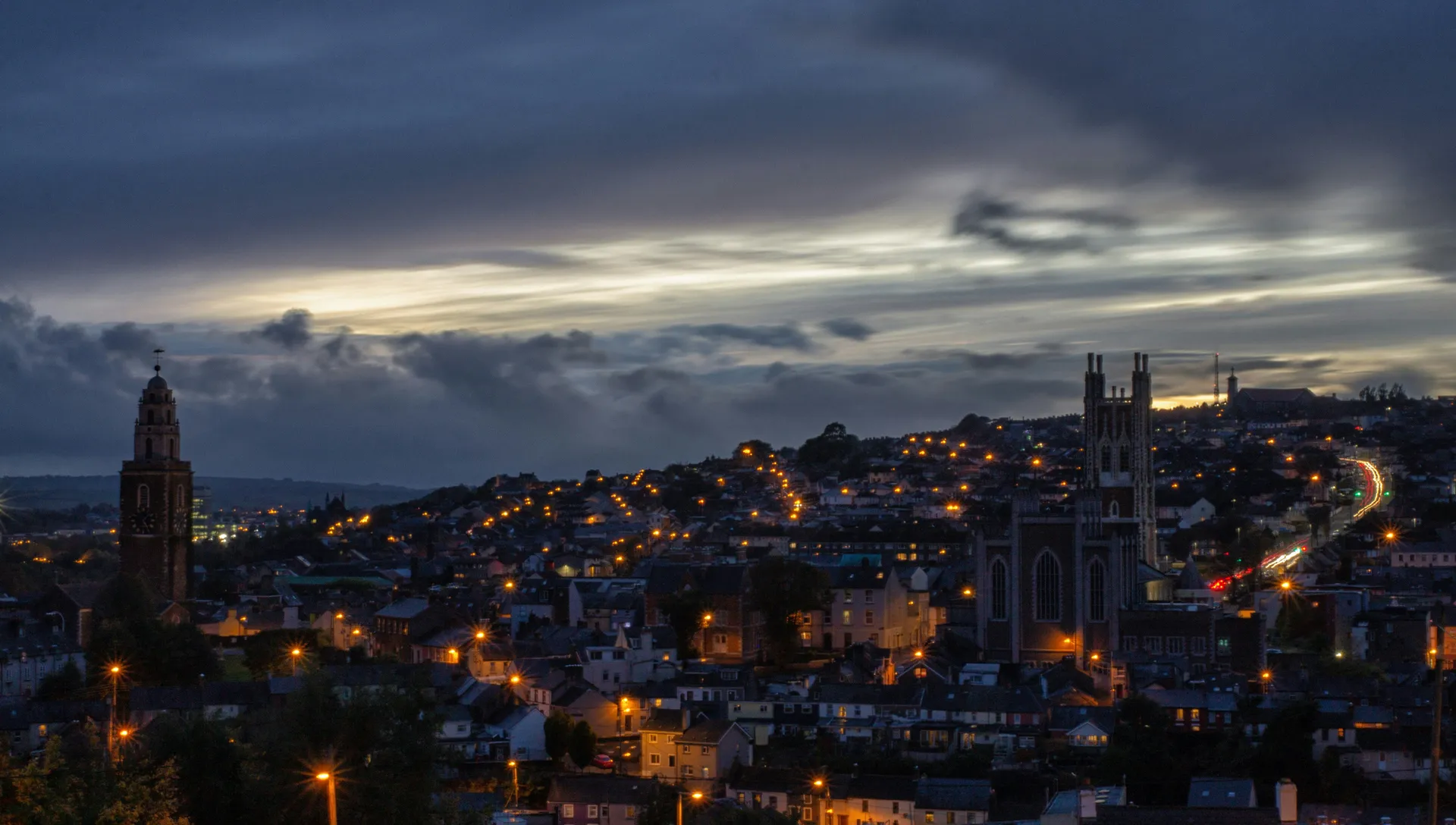
Cobh itself — a steep Victorian town of painted terraces cascading down to the waterfront, dominated by the soaring Gothic Revival spire of St. Colman's Cathedral — is architecturally one of Ireland's most photogenic towns. The cathedral, designed by E.W. Pugin and completed in 1919, contains a forty-nine-bell carillon (the largest in Ireland and Britain) whose Sunday recitals fill the harbor with music. The Deck of Cards houses — a row of brightly painted Victorian terraces descending West View in a composition of such perfect symmetry that they appear to have been arranged for a photograph — have become Cobh's most iconic image. The waterfront promenade, looking across the harbor to Haulbowline Island (Irish Naval Service headquarters) and Spike Island (a former prison now open as a heritage attraction), provides walking of genuine pleasure.
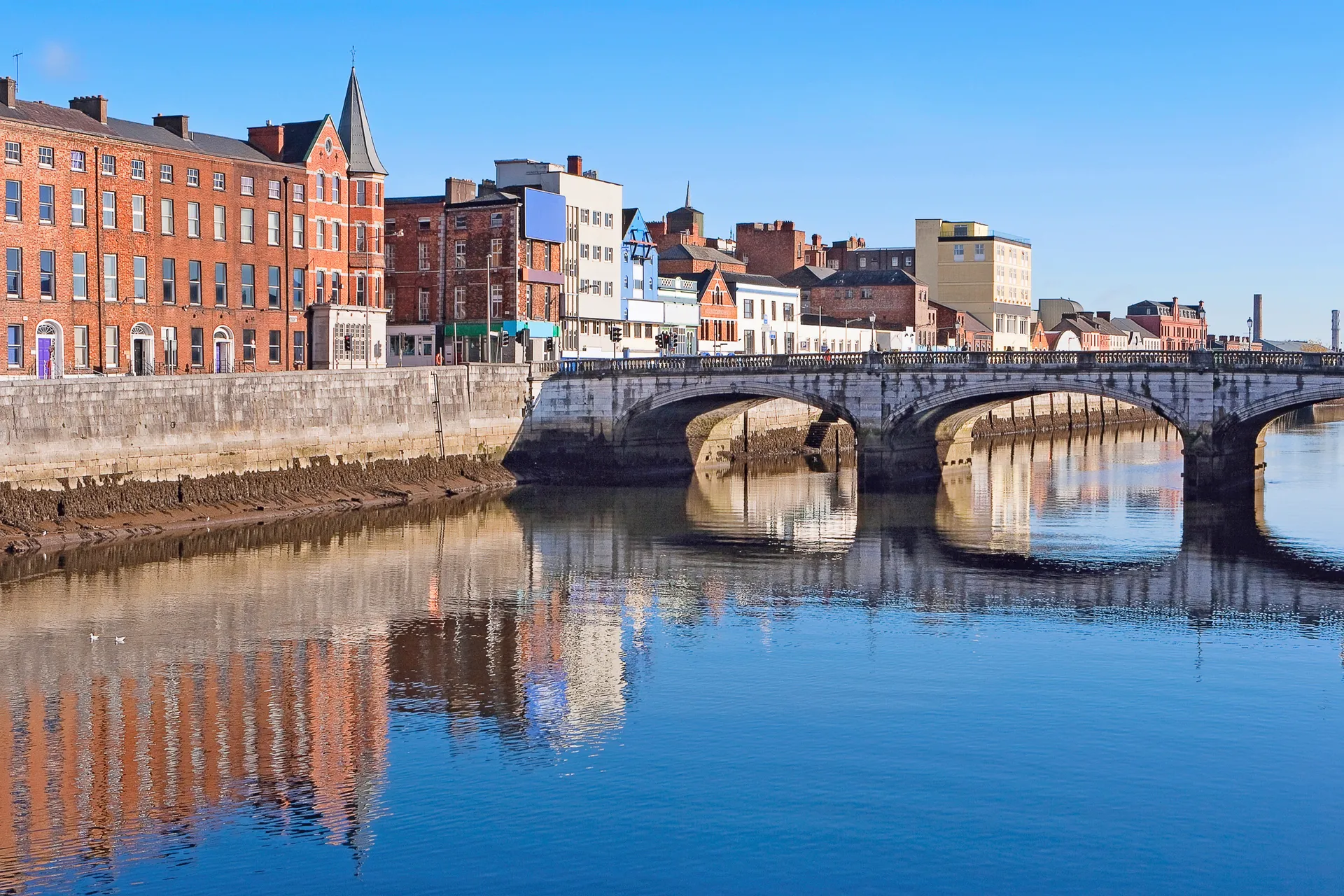
Cork city, fifteen minutes by train from Cobh, is Ireland's second city and its culinary capital. The English Market — a covered food market operating since 1788 — is one of the finest in Europe, its stalls offering artisan cheeses (particularly the renowned Cashel Blue and Durrus), traditional butcher's black and white pudding, fresh-caught fish from the harbor, and the farmhouse butter that Ireland produces with a quality unmatched elsewhere. The city's restaurant scene has expanded dramatically, with Cork now rivaling Dublin for culinary innovation while maintaining the connection to local producers and traditional techniques that gives Irish food its distinctive character. A pint of Murphy's stout (Cork's answer to Dublin's Guinness) in one of the city's Victorian pubs is a cultural experience as much as a gustatory one.
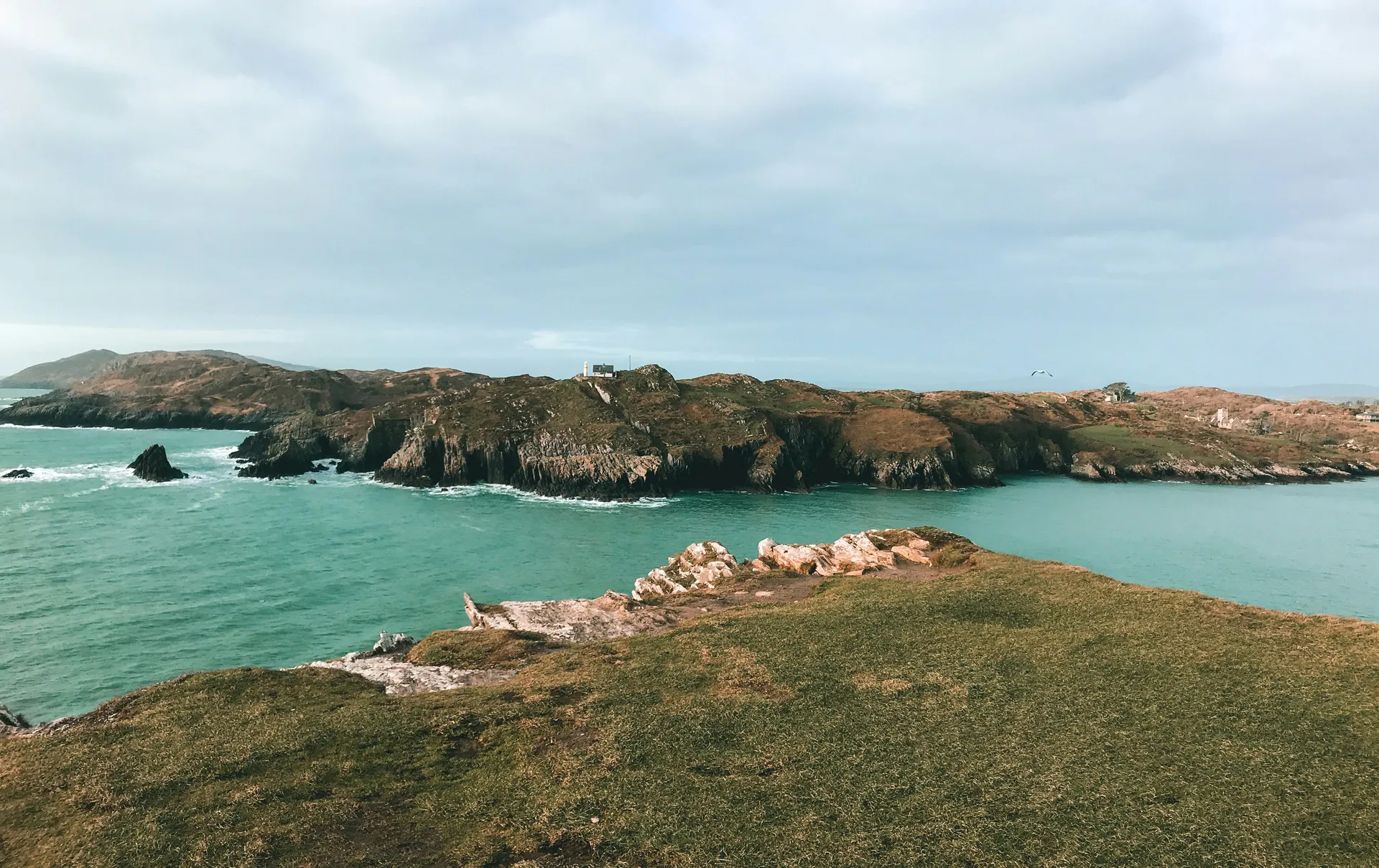
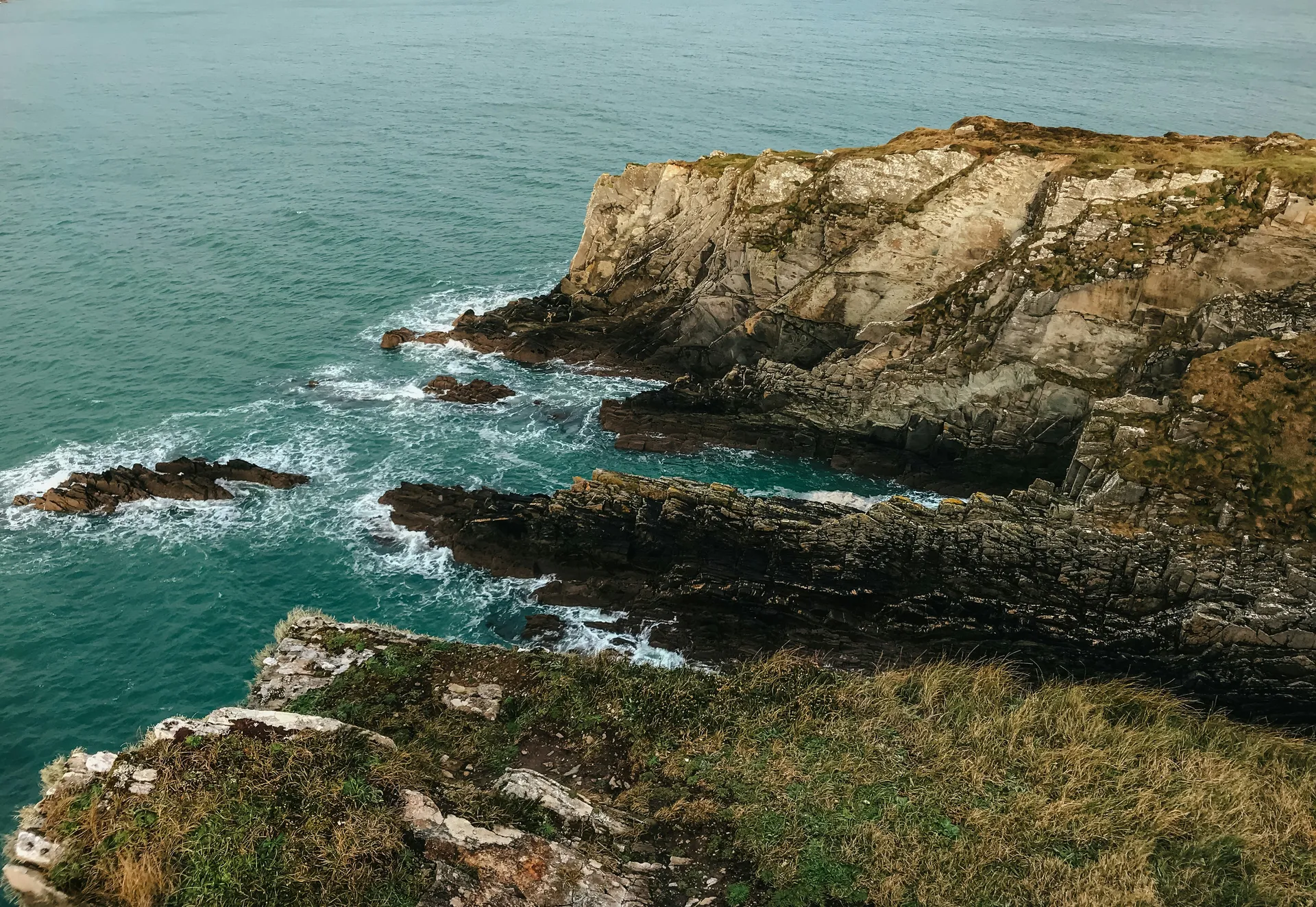
The wider Cork region offers a concentration of attractions that justifies several days of exploration. Kinsale, twenty minutes south of Cork, is a picturesque harbor town that has reinvented itself as Ireland's gourmet capital. Blarney Castle, with its famous Stone of Eloquence, lies just northwest of the city. The Wild Atlantic Way begins its southern section along the Cork coastline, threading through fishing villages, dramatic headlands, and the Beara and Mizen Head peninsulas that represent some of the most scenically spectacular coastal driving in Europe. And the whiskey heritage of the region — Midleton, home of Jameson Irish Whiskey, is thirty minutes east of Cork — provides the liquid accompaniment to the culinary journey.
Cobh receives cruise ships at the Cobh Cruise Terminal, with shuttle buses connecting to the town center and train station (fifteen minutes to Cork city). Cork Airport, just south of the city, receives flights from across Europe. The climate is mild year-round — Cork's southwesterly position on the Gulf Stream moderates temperatures — though rain is frequent and unpredictable in every season. The best months are May through September, when longer days and warmer temperatures allow full appreciation of the coastline and countryside. The literary and arts festivals that populate Cork's calendar — the Cork International Film Festival, the Guinness Jazz Festival, the Midsummer Festival — provide compelling reasons to visit in specific seasons.