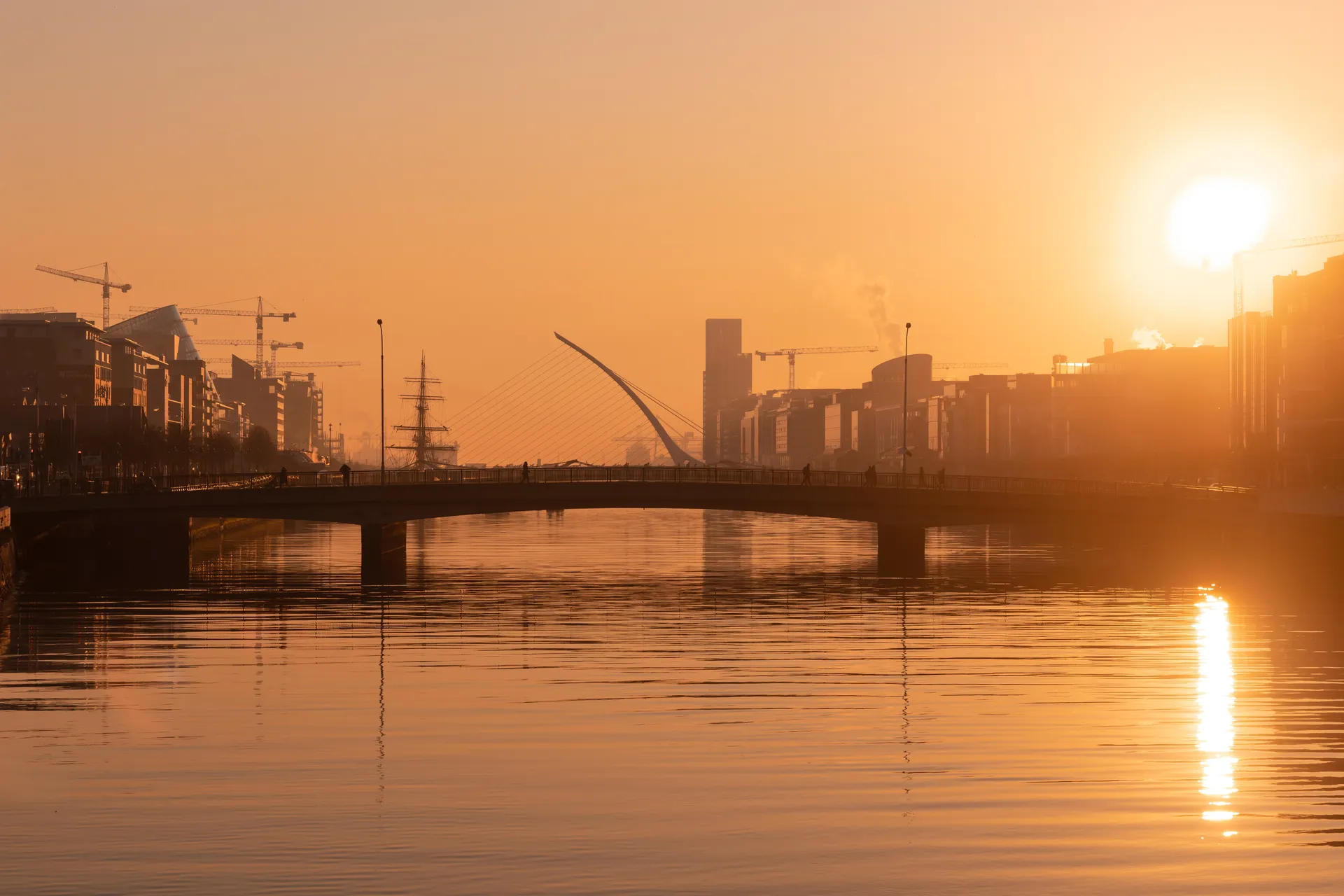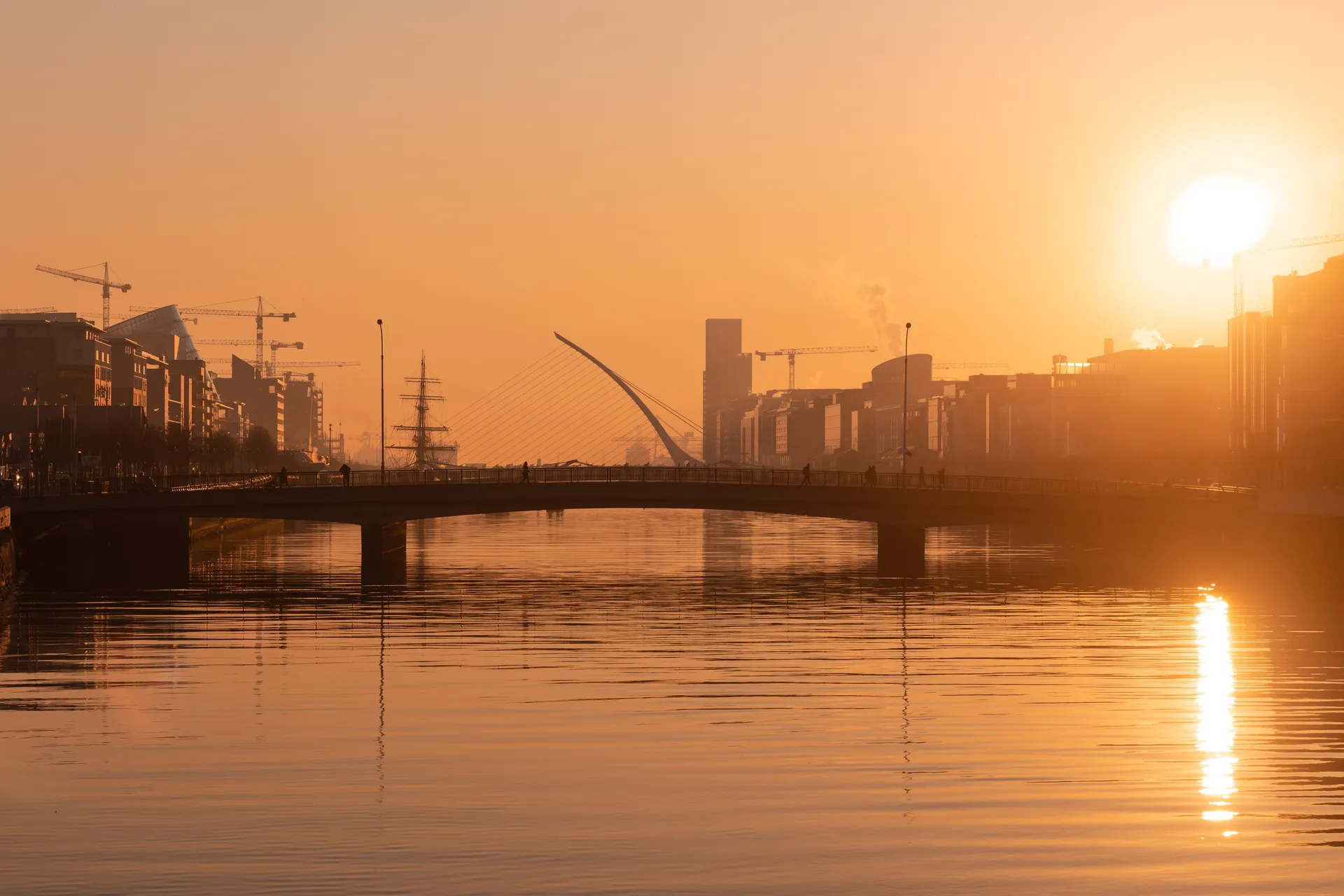
Dublin wraps its considerable literary, musical, and architectural heritage in an irreverence that makes it one of Europe's most immediately likeable capitals. This city on the River Liffey has produced four Nobel Prize winners in literature — Yeats, Shaw, Beckett, and Heaney — more per capita than any other city on Earth, yet wears this distinction with the casual shrug of a place that values a good story told in a pub over a plaque on a wall.
The Georgian squares of Dublin's south side — Merrion Square, Fitzwilliam Square, St. Stephen's Green — represent one of the finest concentrations of eighteenth-century domestic architecture in Europe. Their uniform brick facades and fanlit doorways create a visual rhythm that is simultaneously grand and domestic, the architectural equivalent of a Dublin accent: formal in structure but warm in delivery. Trinity College, founded in 1592, anchors this district with its cobbled quadrangles and the Long Room library, whose barrel-vaulted ceiling shelters 200,000 of the library's oldest books and the Book of Kells — an illuminated manuscript from around 800 AD that manages to feel both impossibly ancient and vibrantly contemporary.
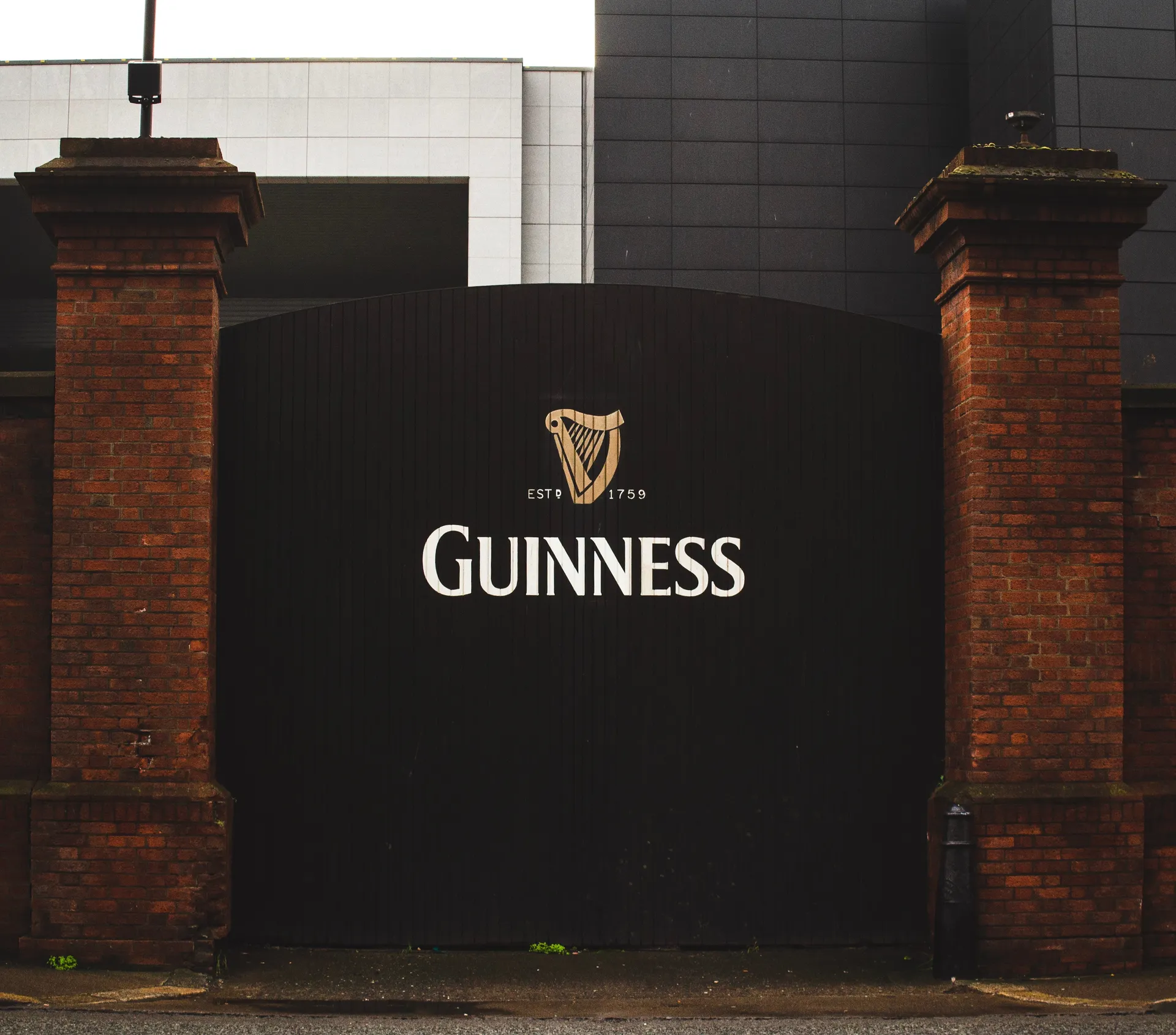
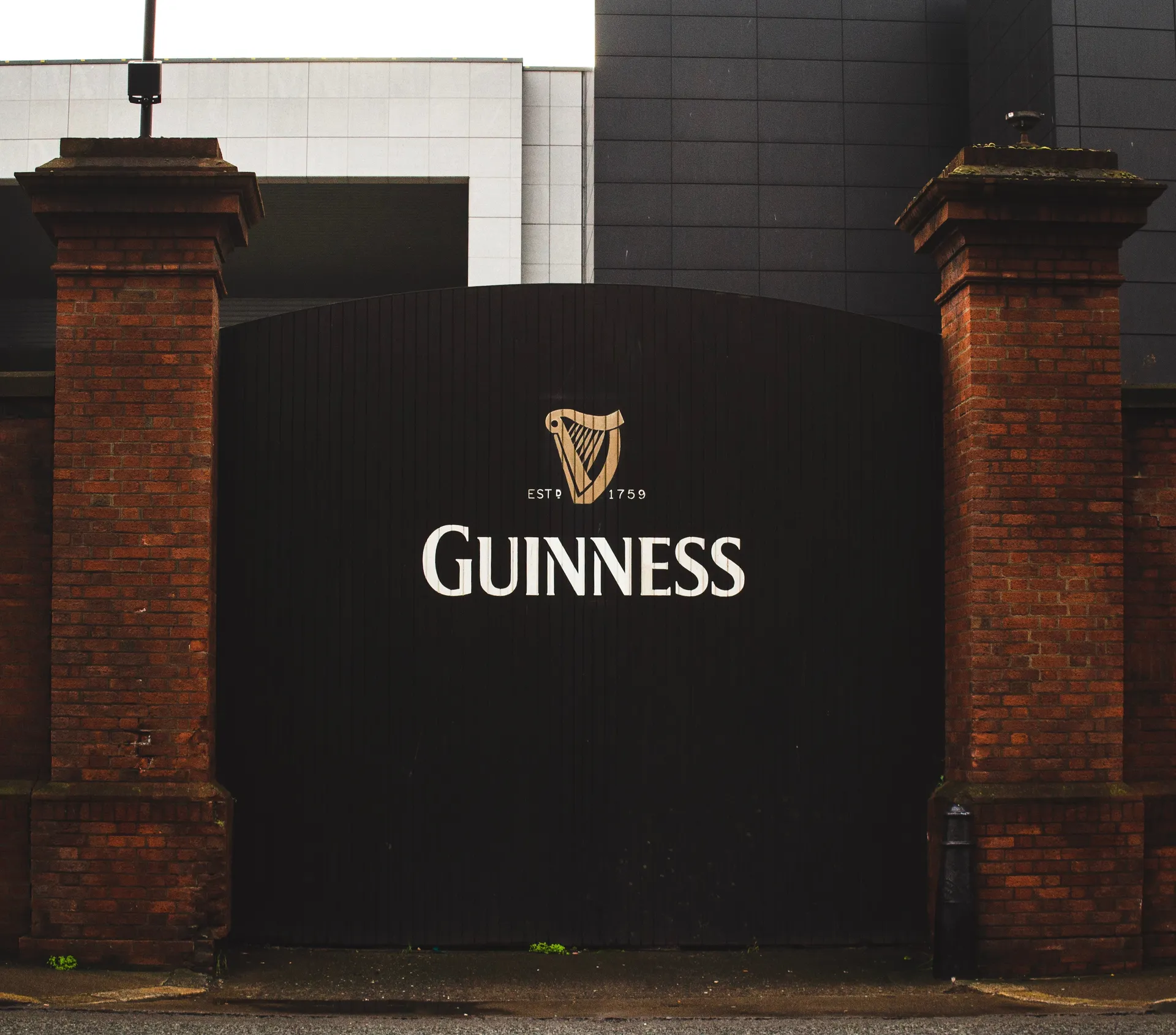
North of the Liffey, the city's character shifts to something grittier and more dynamic. The area around Smithfield and Stoneybatter has emerged as Dublin's creative quarter, where craft breweries, independent galleries, and restaurants led by a generation of chefs redefining Irish cuisine through local sourcing and technical ambition coexist with traditional pubs that have been pouring Guinness since before anyone called it 'craft.' The Guinness Storehouse at St. James's Gate remains Dublin's most-visited attraction, and the pint poured in its Gravity Bar — with panoramic city views — tastes demonstrably better than anywhere outside Ireland.
Azamara, Holland America Line, Norwegian Cruise Line, Princess Cruises, Scenic Ocean Cruises, and Windstar Cruises dock at Dublin Port, a short drive from the city center. The coastal suburbs of Howth and Dún Laoghaire provide seafood dining and cliff walks that reveal Dublin's often-overlooked coastal dimension.
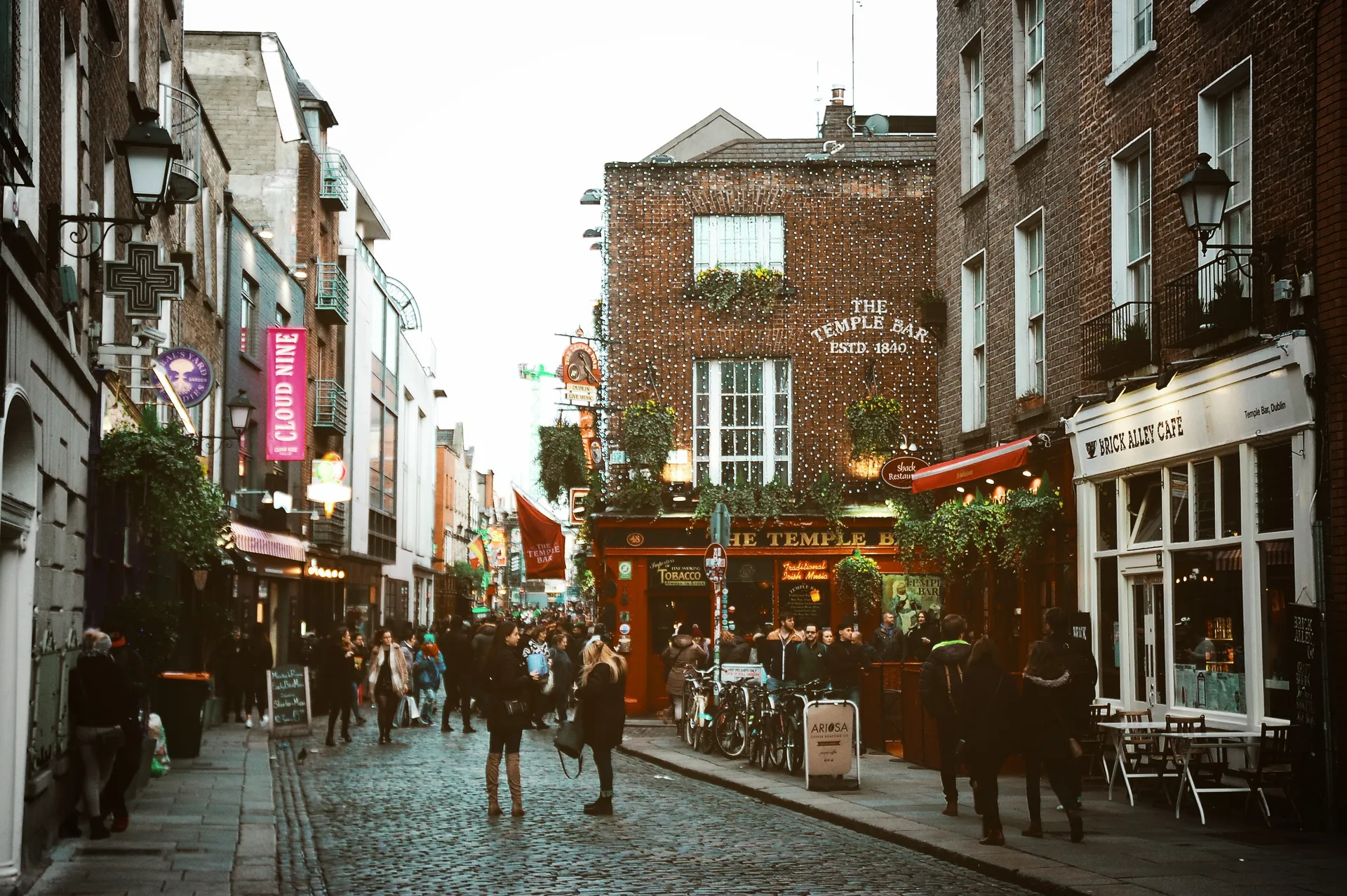
May through September offers the longest days and mildest weather, though Dublin's character is arguably enhanced by autumn's softer light and the excuse to spend longer in its legendary pubs. Dublin is not a city of monuments — it is a city of moments: a traditional music session erupting spontaneously in a corner bar, a busker on Grafton Street whose voice stops traffic, a conversation with a stranger that somehow encompasses Joyce, football, and the weather within three sentences.