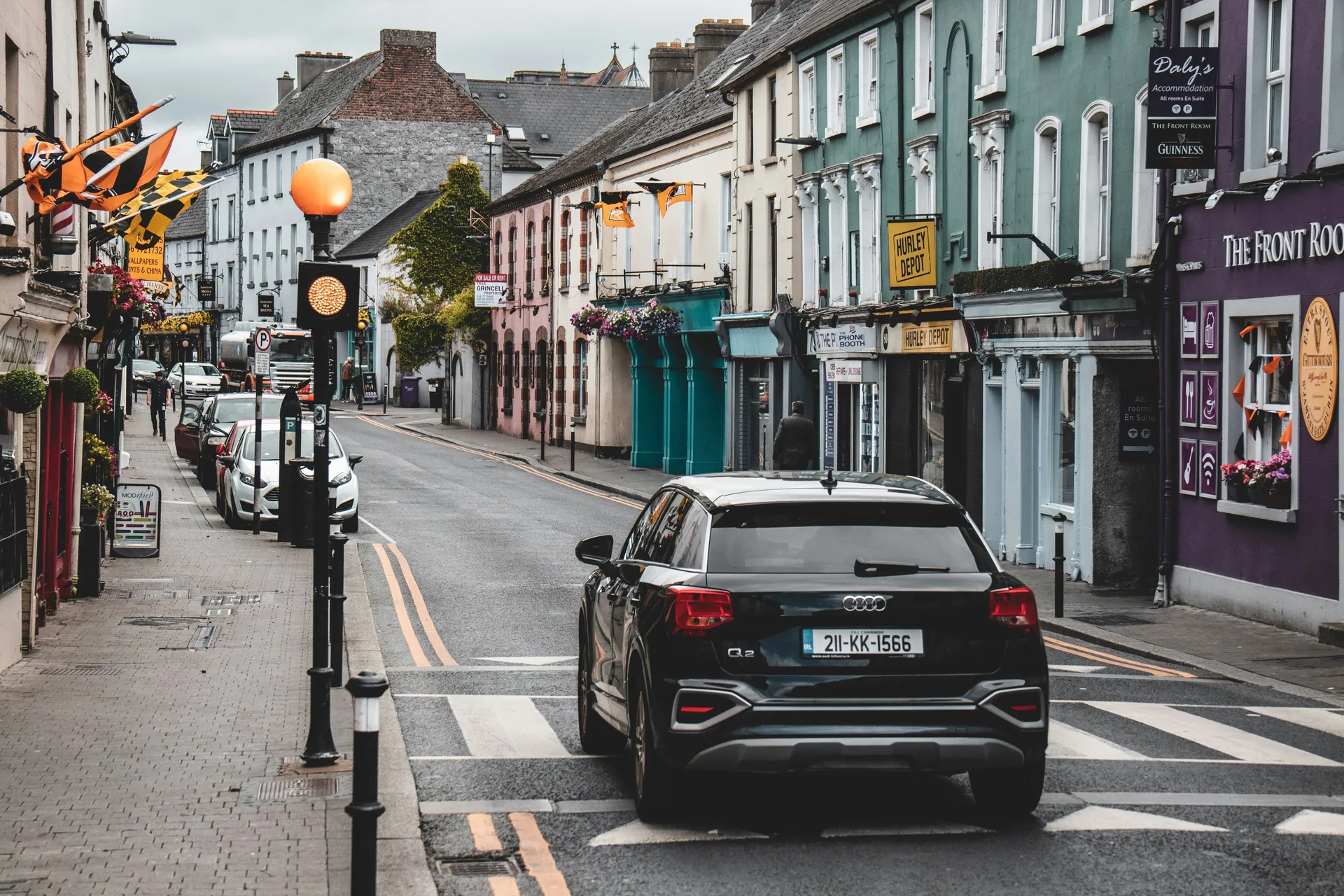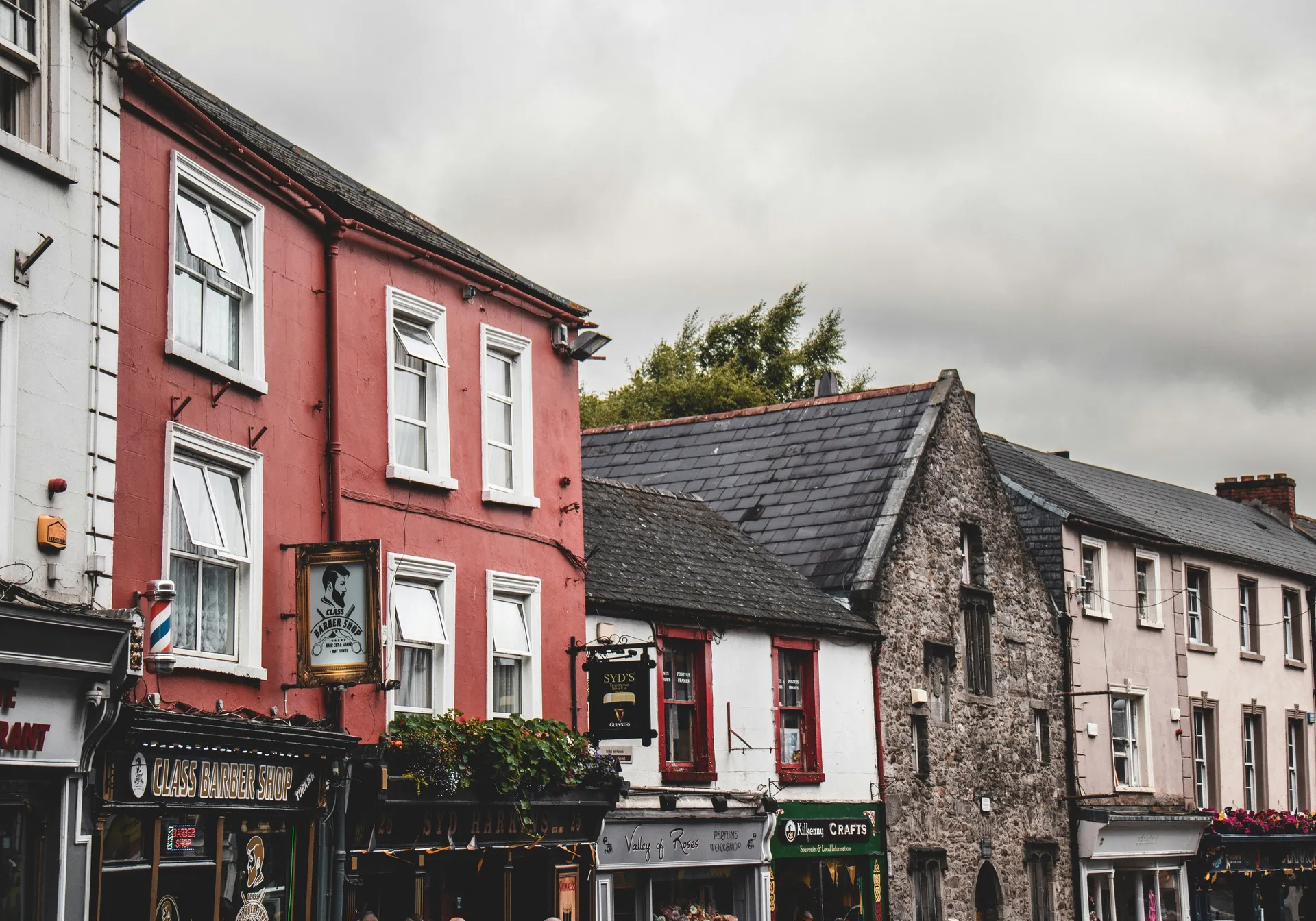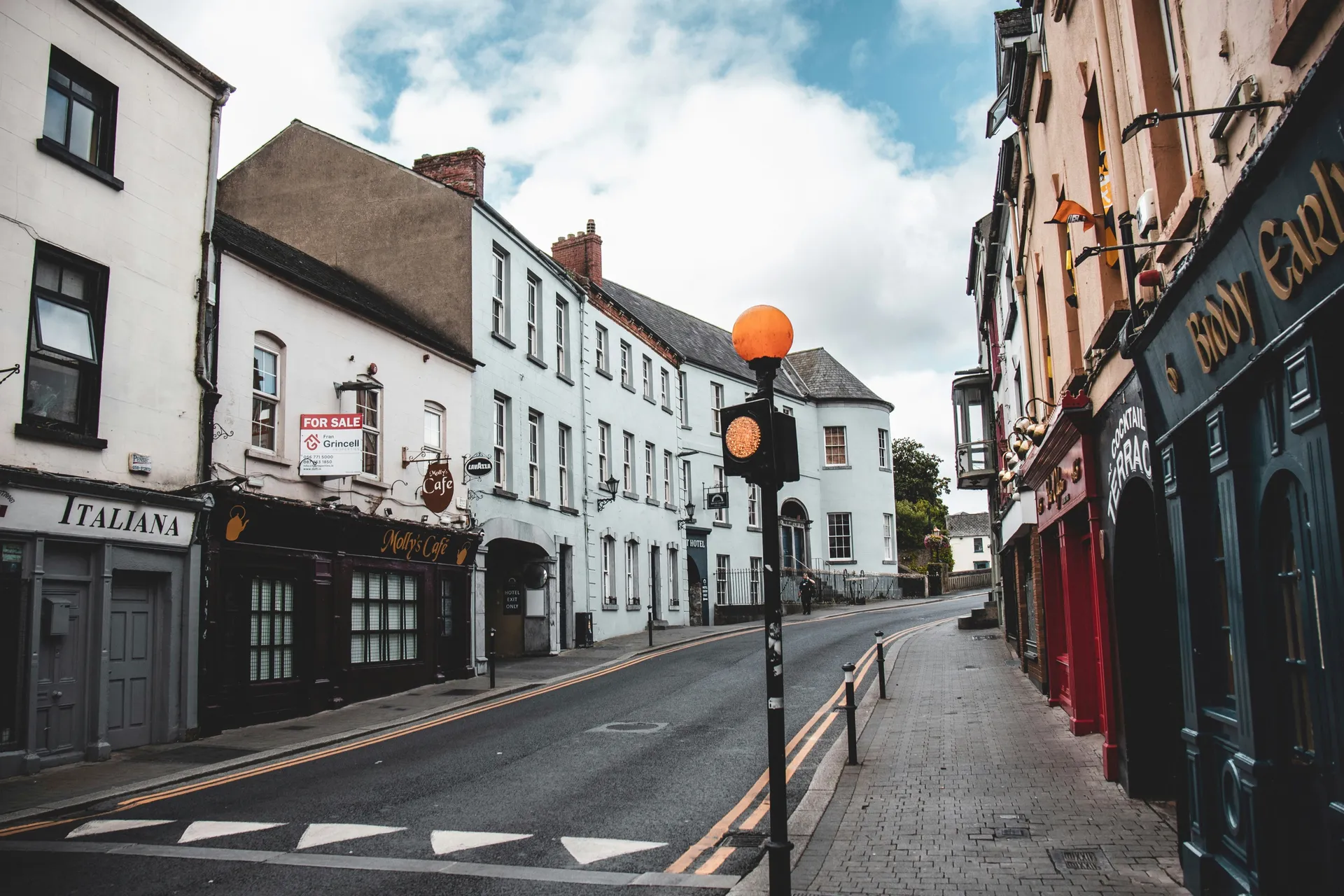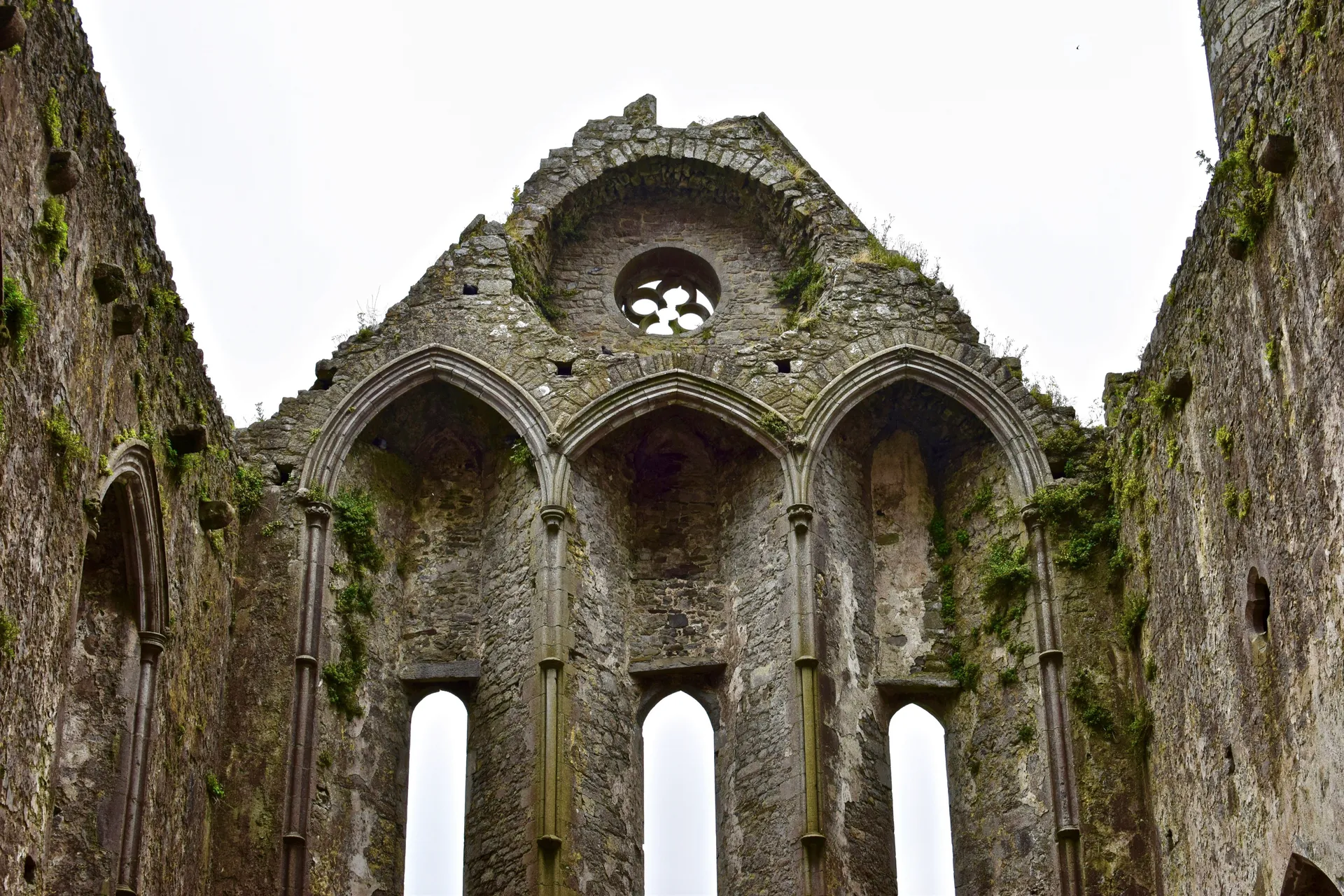
If Ireland has a city that perfectly balances medieval grandeur with contemporary vitality, it is Kilkenny. Straddling the River Nore in the southeast, this compact city of narrow lanes, limestone buildings, and a castle that has stood sentinel since the twelfth century, is widely regarded as the finest medieval city in Ireland — a place where history is not preserved behind glass but lived and breathed in pubs, craft workshops, and cobblestoned streets that have known the footfall of Norman knights, Gaelic chieftains, and modern-day artisans alike.
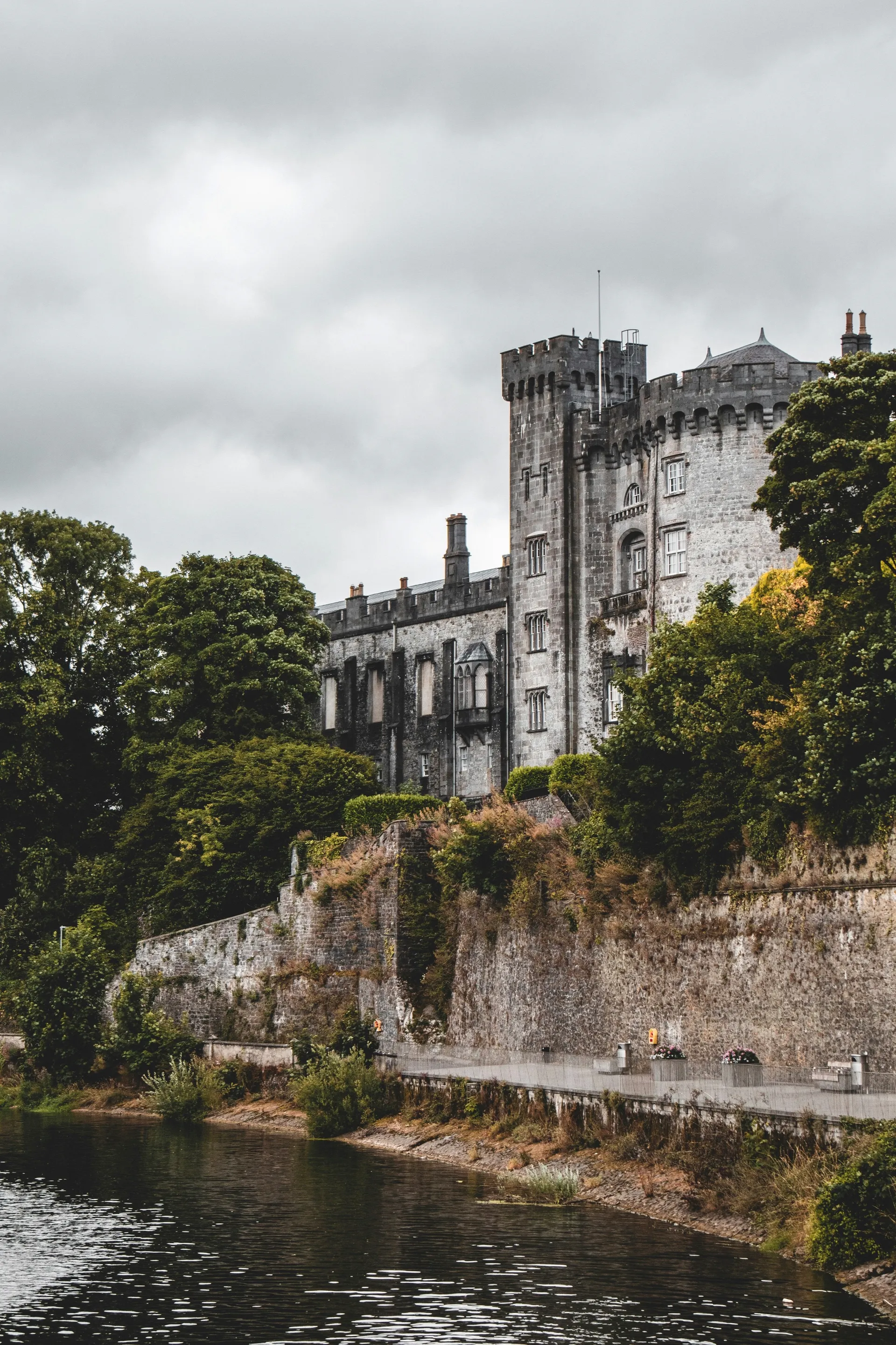
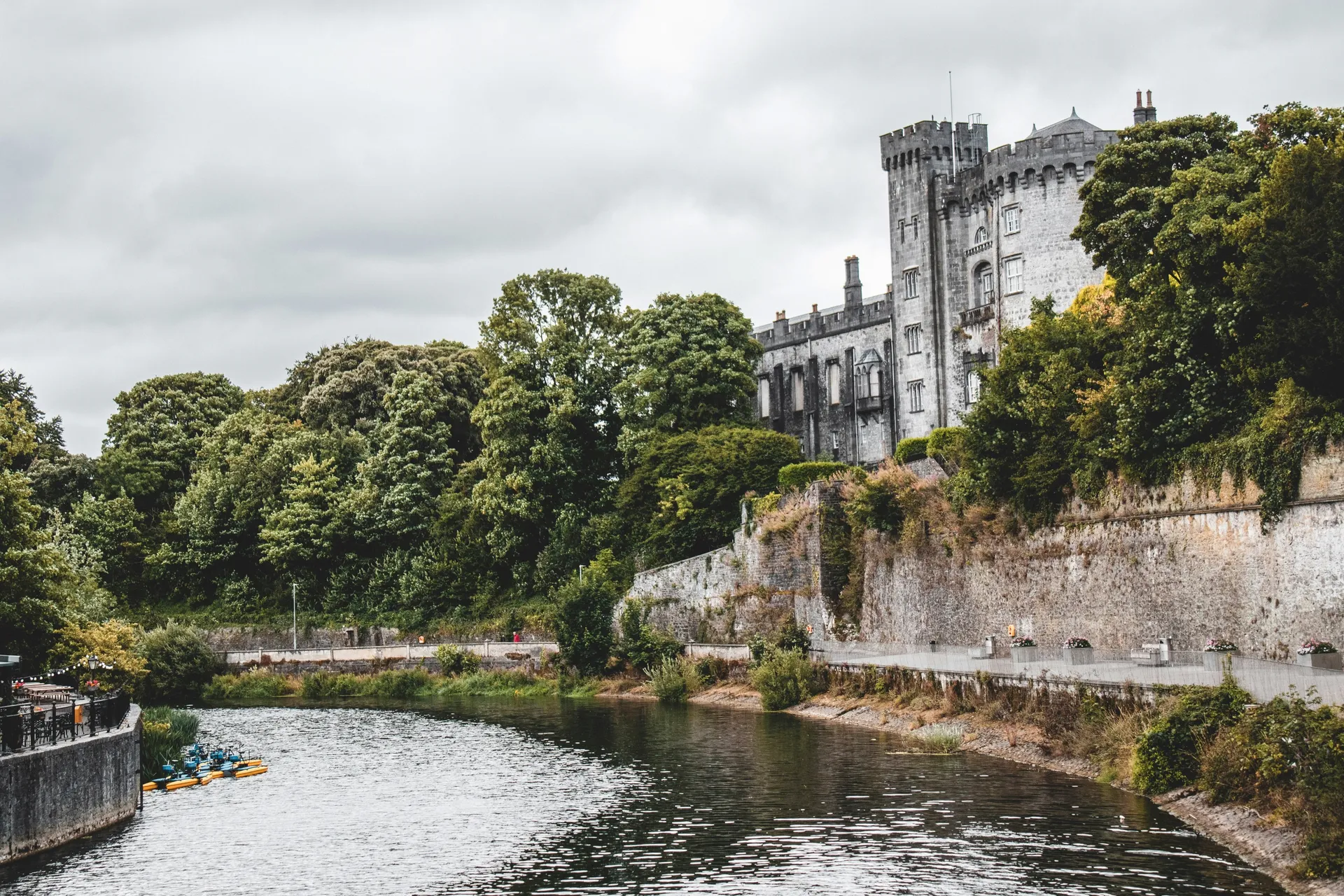
Kilkenny Castle, rebuilt in Victorian times from its Norman origins, anchors the city's southern end with its commanding presence over the Nore. The castle's Long Gallery, with its magnificent hammer-beam ceiling and collection of portraits, is genuinely impressive, and the surrounding parkland — stretching down to the river in manicured terraces — provides a gracious green counterpoint to the city's medieval streetscape. At the city's northern end, Saint Canice's Cathedral and its intact round tower (one of only two in Ireland that visitors can climb) offer panoramic views across the city's slate rooftops to the surrounding countryside.
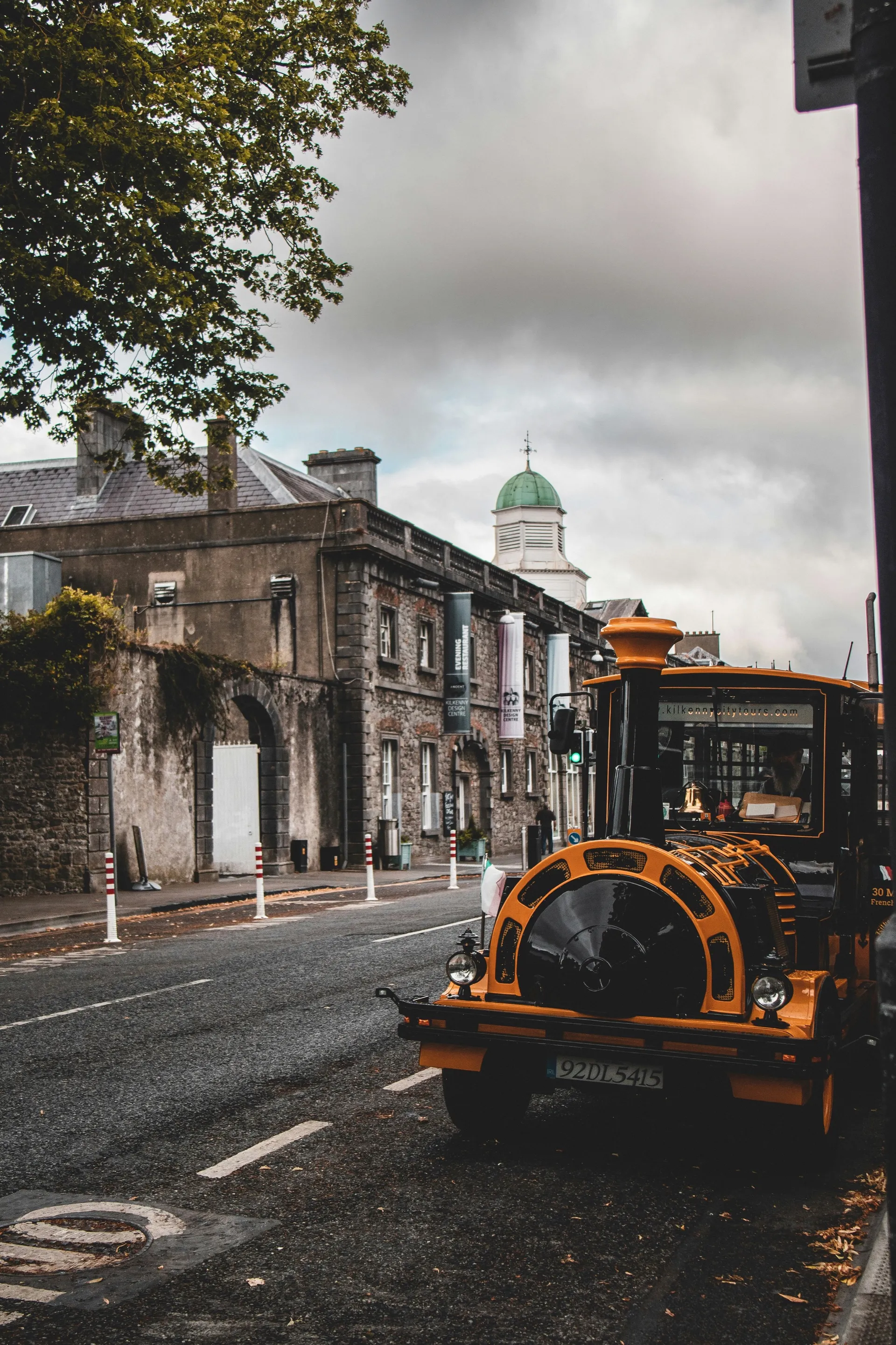
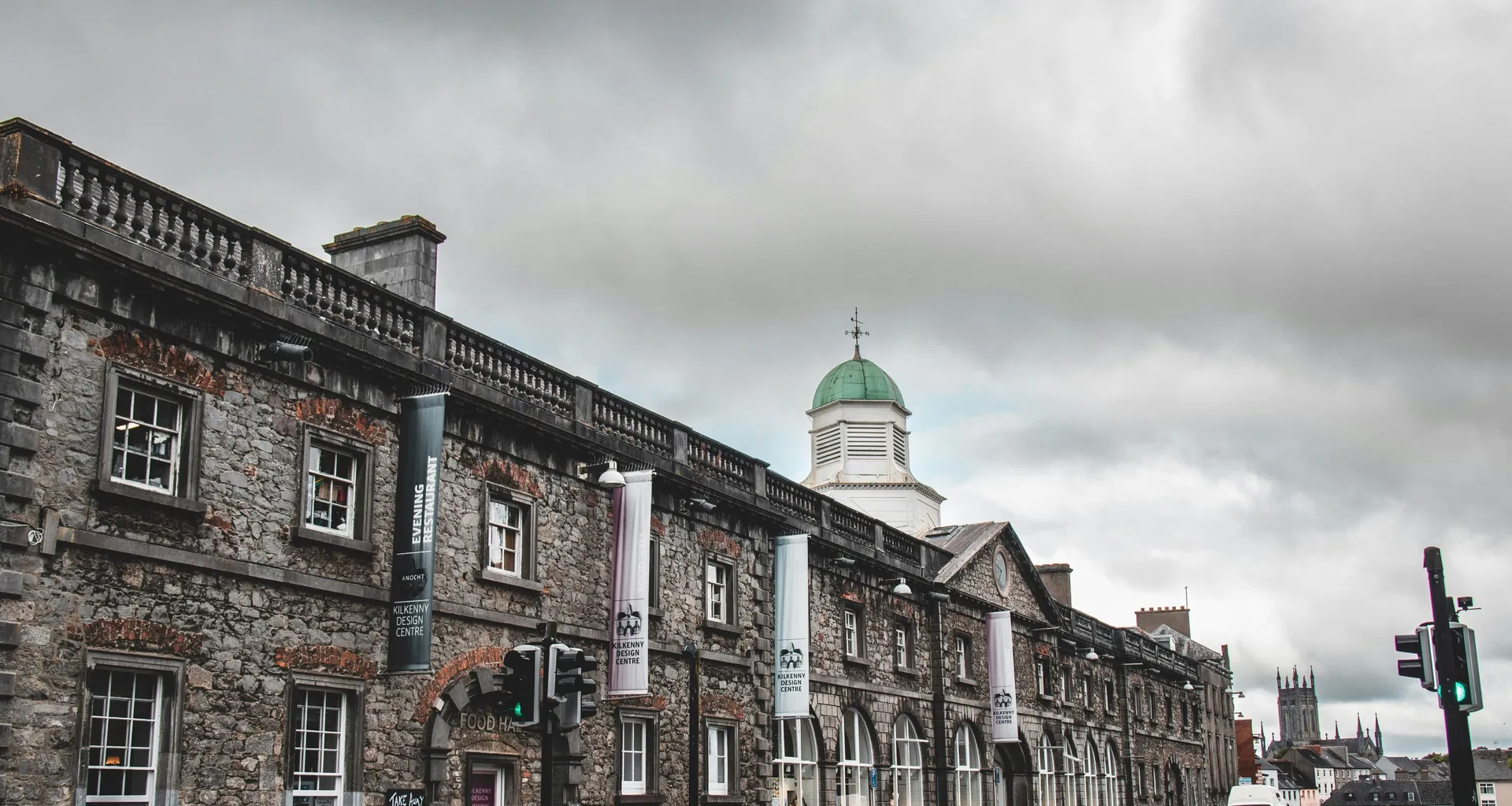
Between these two landmarks, the Medieval Mile unfolds along Parliament Street and High Street — a concentration of medieval buildings, heritage sites, and cultural attractions that rivals any city in the British Isles. The Rothe House, a unique Tudor merchant's townhouse, the Black Abbey with its luminous rosette window, and Shee Alms House all contribute to a streetscape that feels authentically ancient without being museumified. The Kilkenny Design Centre, housed in the castle's former stables, showcases contemporary Irish craft and design.
Kilkenny's reputation as Ireland's craft capital extends well beyond design studios. Smithwick's brewery has operated on the site of a medieval abbey since 1710 (making it Ireland's oldest operating brewery site), and the city hosts one of the country's premier arts festivals each August. The restaurant scene draws on the exceptional quality of the surrounding agricultural land — Kilkenny sits in the heart of Ireland's most productive farming region — with establishments serving everything from refined modern Irish cuisine to hearty pub grub featuring locally reared meats and artisan dairy.
Cruise passengers typically reach Kilkenny from the port of Waterford, just thirty minutes to the southeast along the Nore valley. The city is compact enough to explore thoroughly on foot, with all major sites within a fifteen-minute walk of each other. The combination of medieval architecture, living craft traditions, excellent food, and genuine warmth of welcome makes Kilkenny one of Ireland's most rewarding stops — a city that manages to feel both ancient and utterly alive.