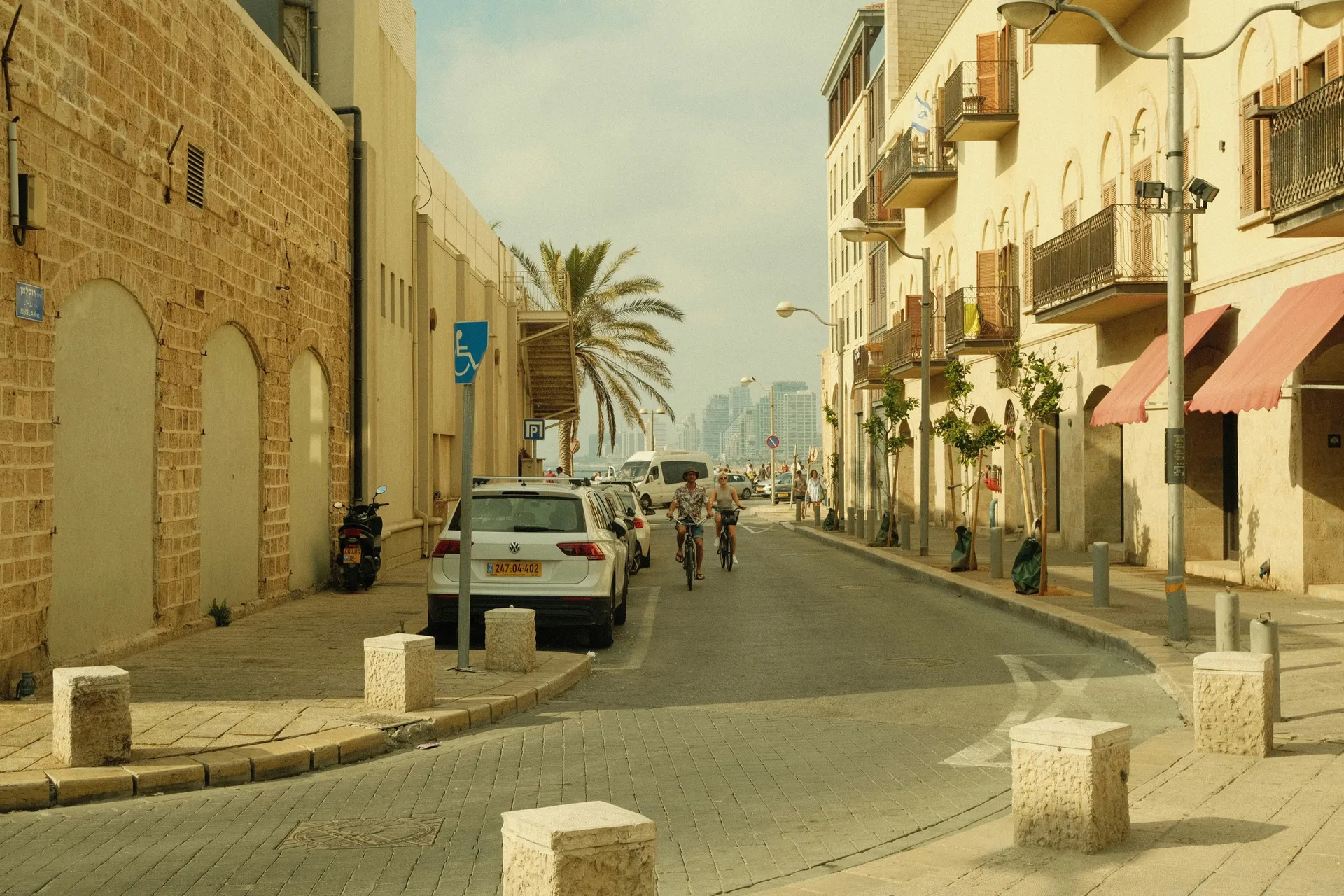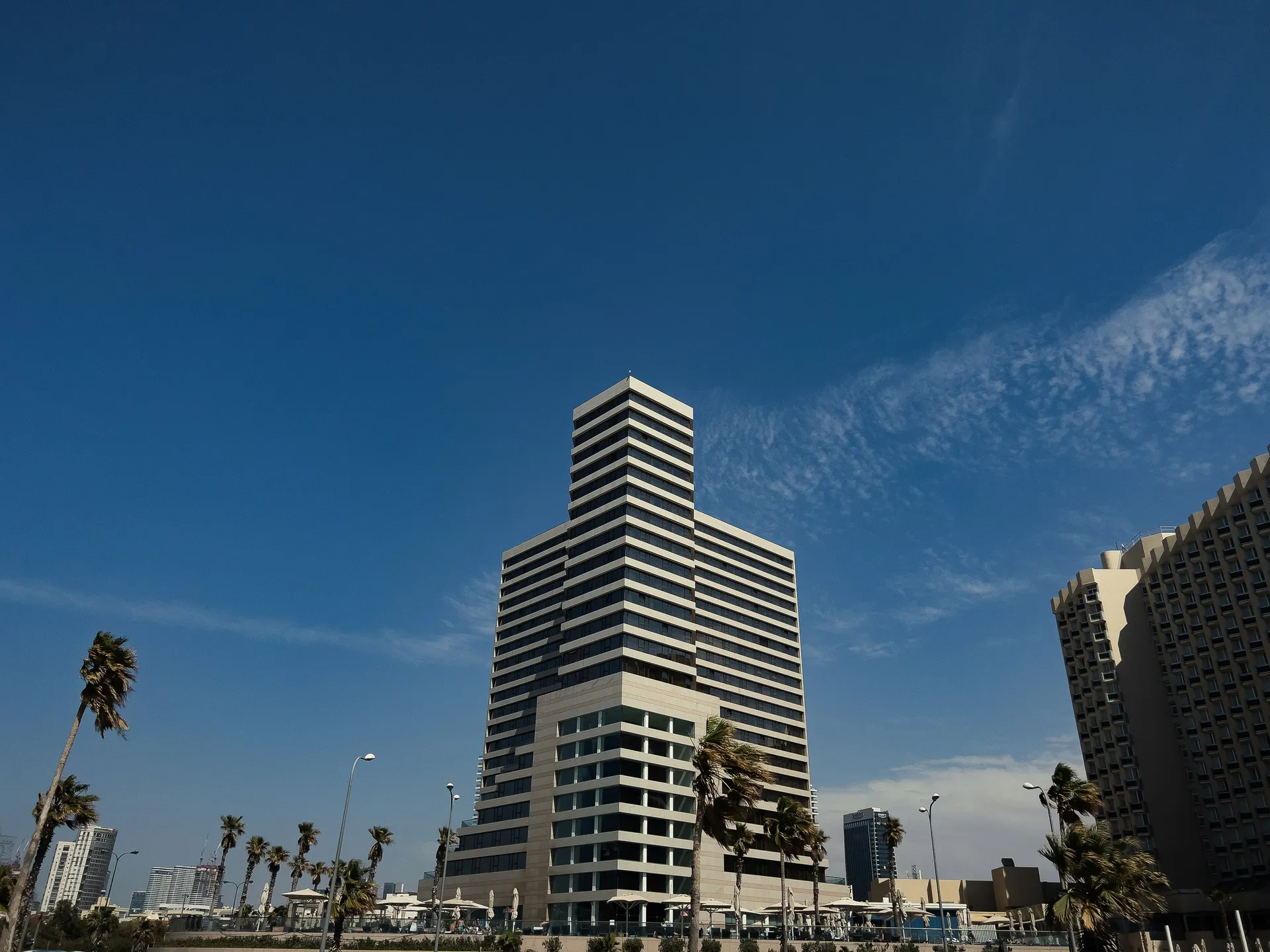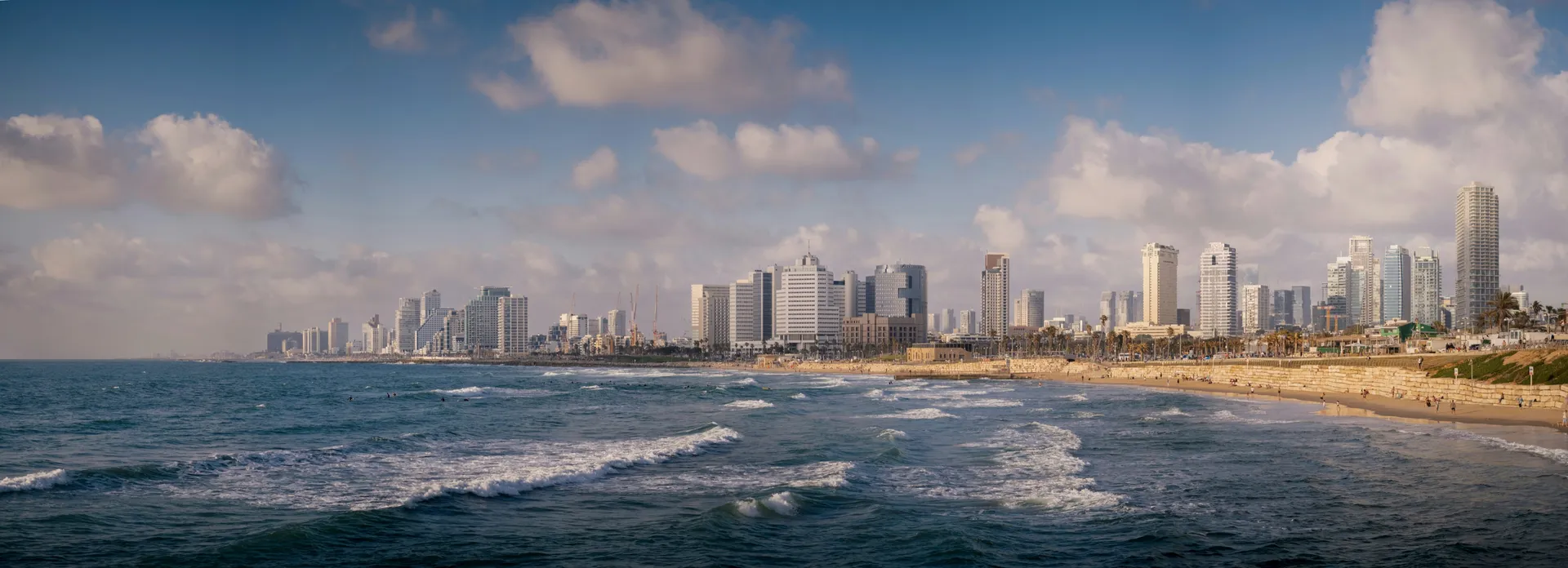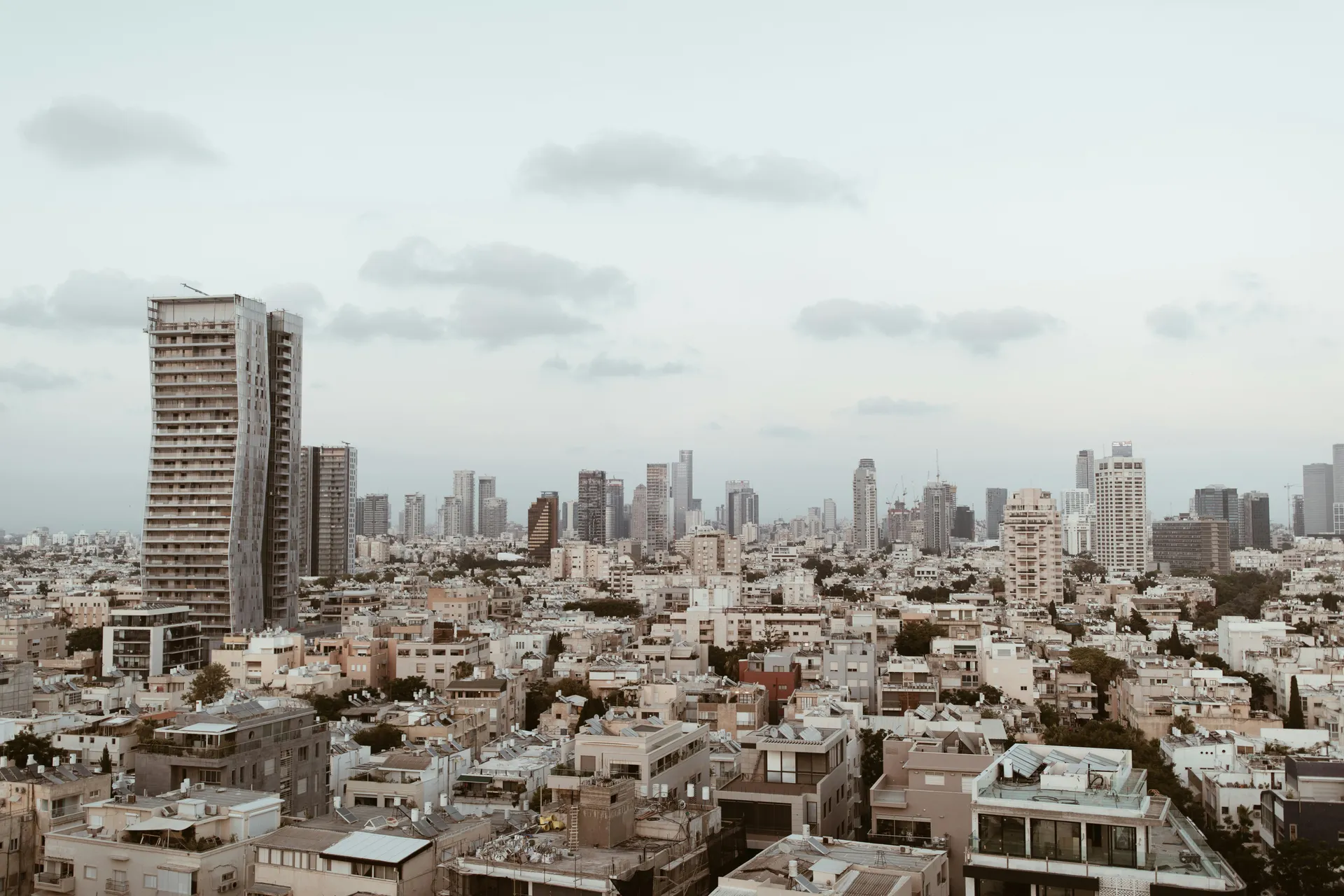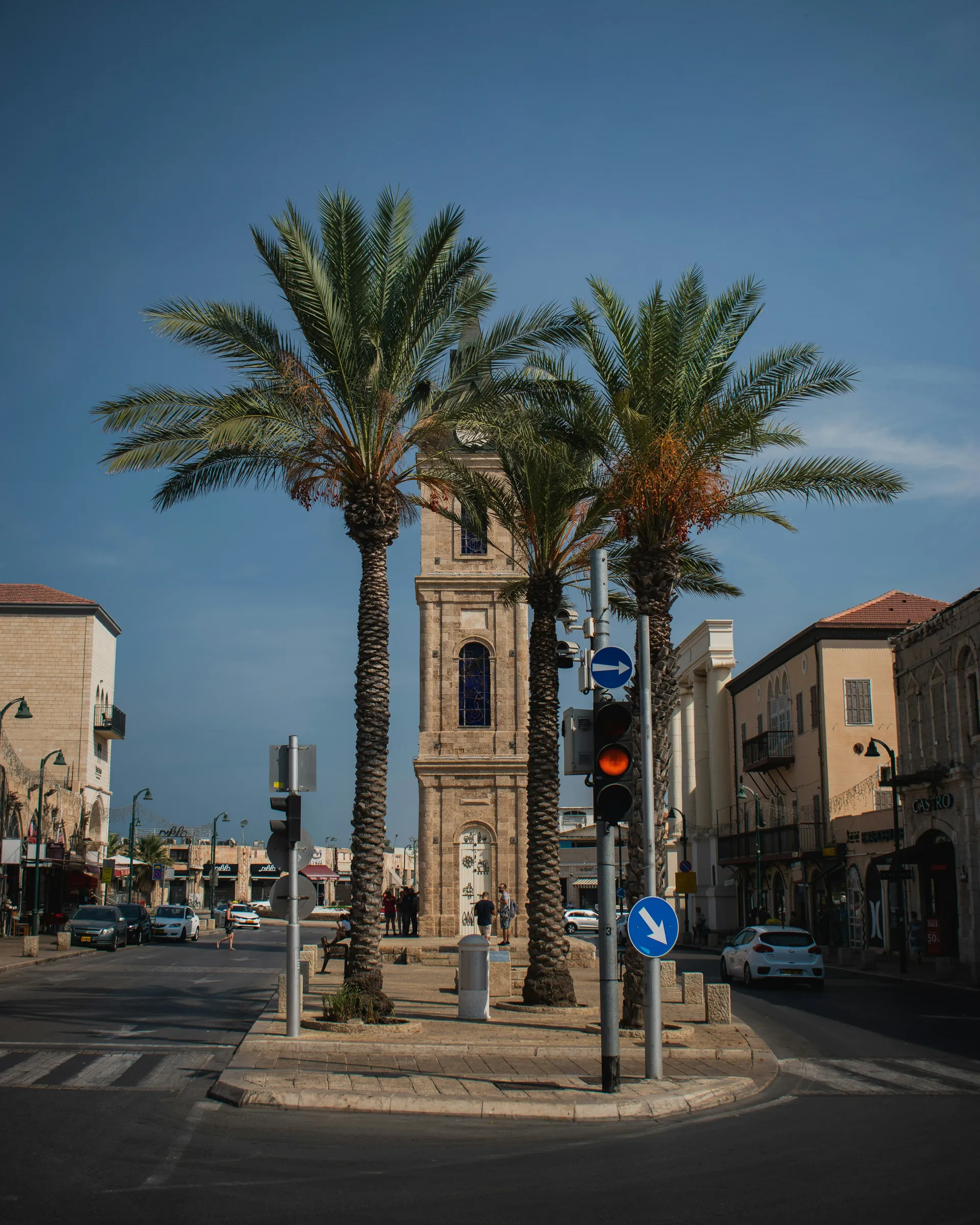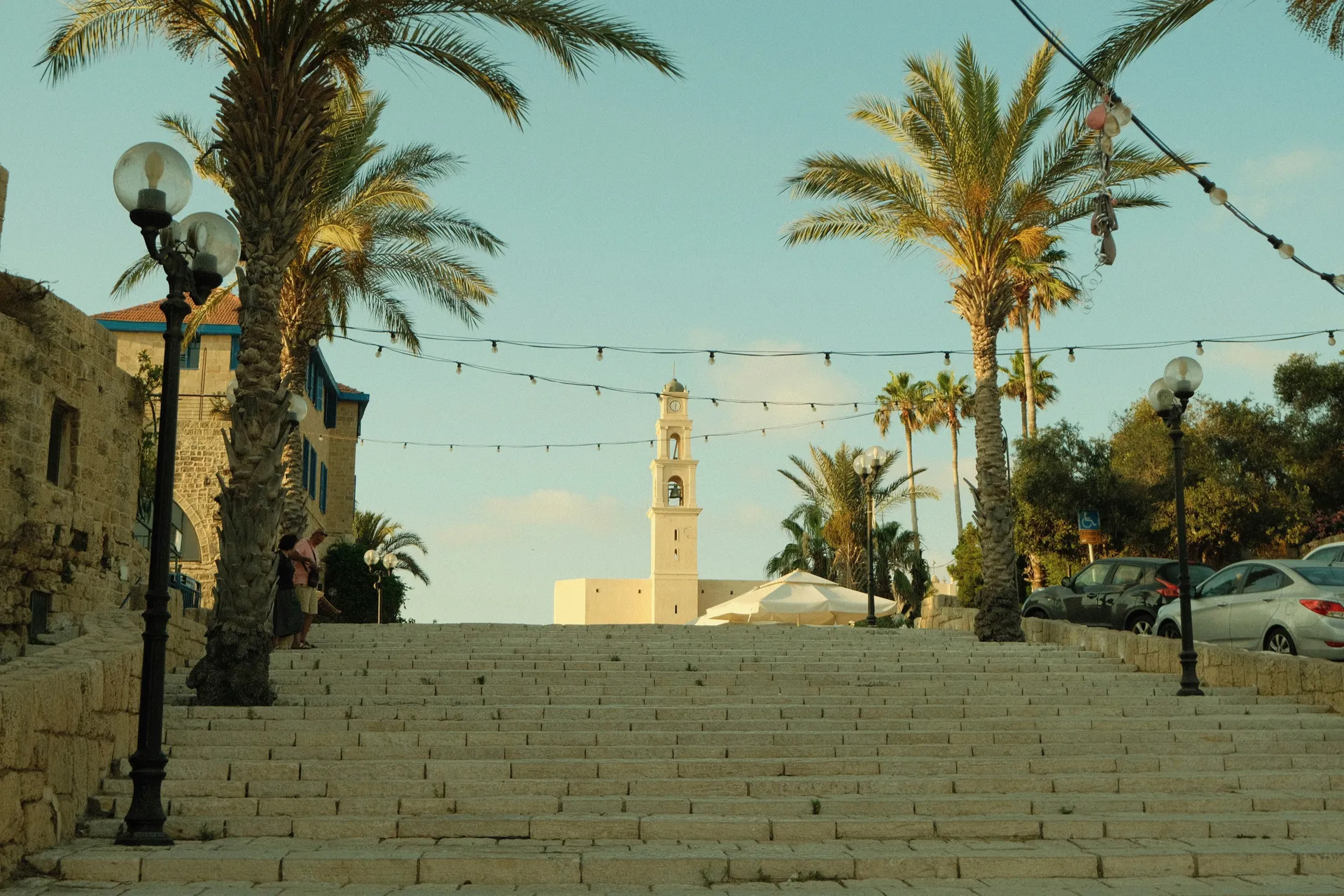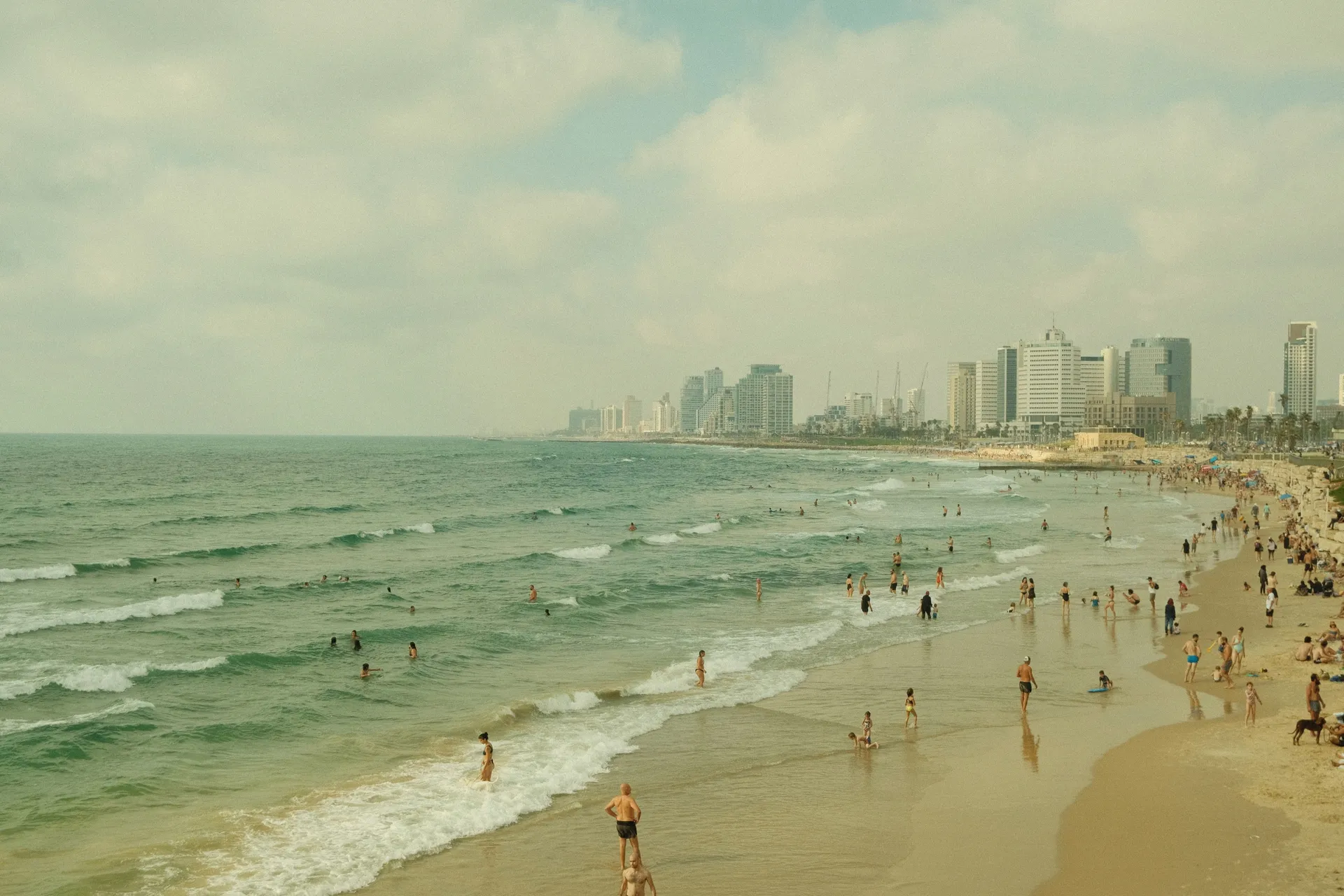
Tel Aviv-Yafo is two cities fused into one — the ancient port of Jaffa (Yafo), whose harbor has received ships since the Bronze Age, and the modern metropolis of Tel Aviv, founded in 1909 on sand dunes north of Jaffa and now a thrumming city of 460,000 that serves as Israel's cultural, financial, and technological capital. The contrast between the two is the essence of the experience: Jaffa's stone alleyways, Ottoman clock tower, and hilltop artists' quarter overlooking the Mediterranean provide the historical anchor, while Tel Aviv's Bauhaus boulevards, beach promenade, and startup-fueled creative energy project a vision of the future that is unapologetically secular, cosmopolitan, and hedonistic.
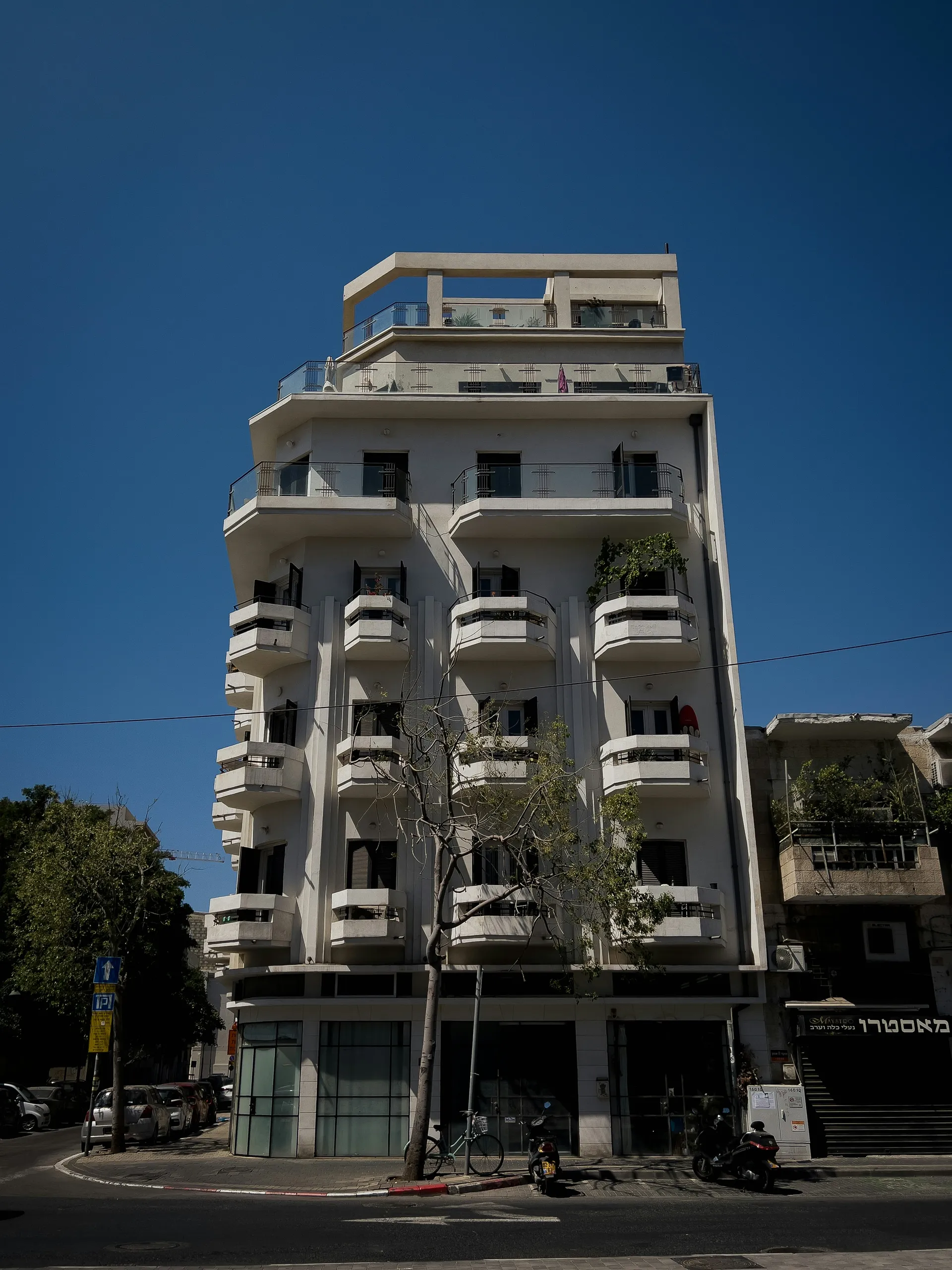
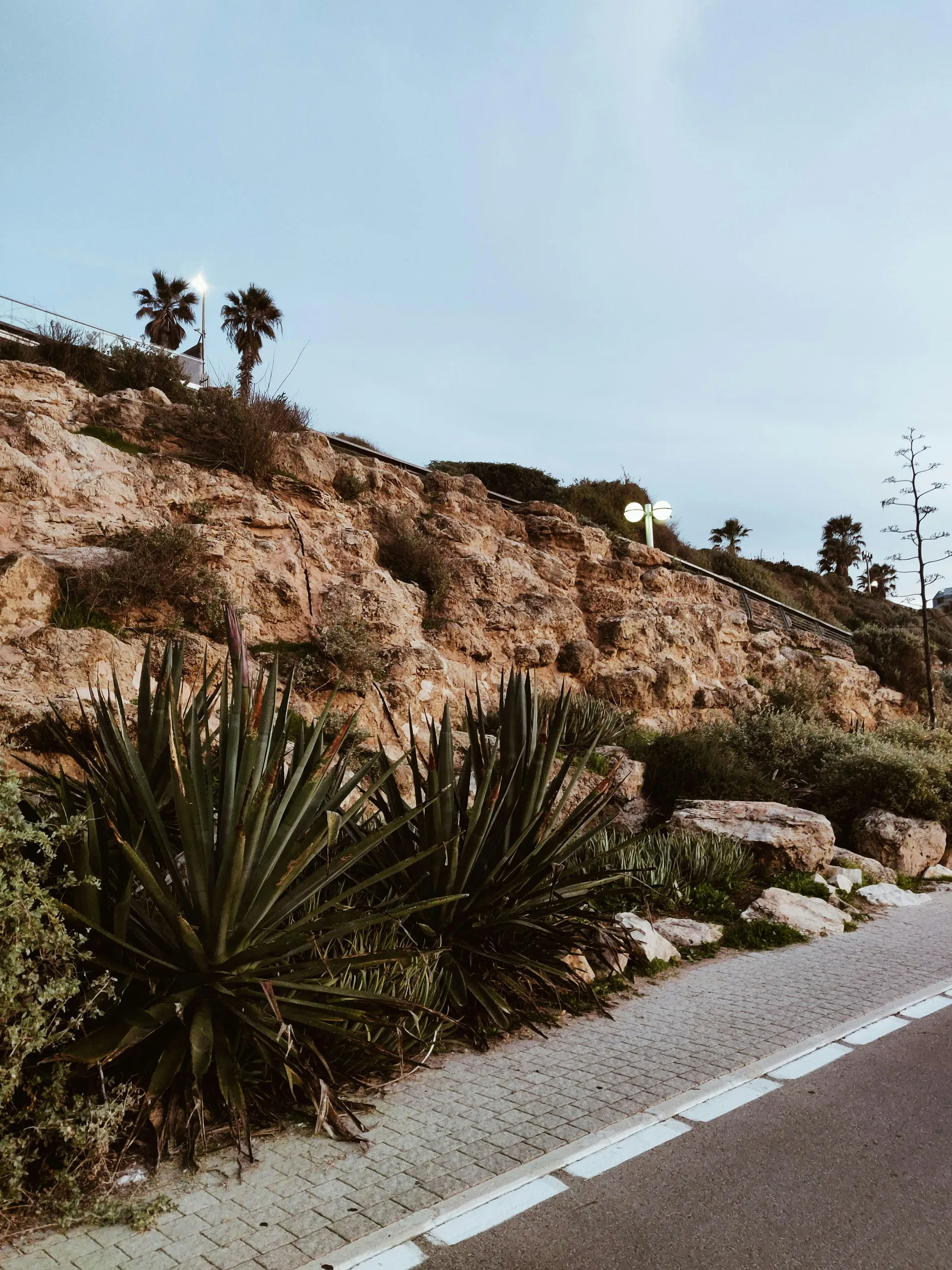
The character of Tel Aviv is Mediterranean at its most vital. The city wakes early — joggers on the promenade by 6 AM, the Carmel Market in full cry by 7 — and stays up late, with restaurants, bars, and clubs operating until dawn. The beach, stretching for fourteen kilometers along the city's western edge, is the great equalizer: the tech CEO, the yeshiva student, the Ethiopian Israeli soldier, and the Russian émigré grandmother all stake their claim on the same sand, their beach paddle games and watermelon vendors creating a democratic seaside culture that defines the city's identity. The UNESCO-listed White City — over 4,000 Bauhaus-style buildings constructed by German Jewish architects in the 1930s and 1940s — gives central Tel Aviv its distinctive architectural character: curved balconies, horizontal windows, and flat roofs arranged along tree-lined boulevards that Rothschild, Dizengoff, and Ben Yehuda made famous.
The culinary scene in Tel Aviv is among the most exciting in the world, fueled by immigration from over one hundred countries, a fearless fusion mentality, and ingredients of extraordinary quality. Hummus — elevated here from simple dip to culinary philosophy — is served at specialist hummusiyot where the only decisions are the toppings (whole chickpeas, fava beans, ful, tehina, olive oil). Shakshuka, eggs poached in spiced tomato sauce, is the breakfast of champions. The Carmel Market (Shuk HaCarmel) is a sensory assault of fresh produce, spices, halva, freshly squeezed pomegranate juice, and the sabich (fried eggplant and hard-boiled egg in pita) that rivals falafel as the national street food. At the high end, restaurants like HaSalon, Mashya, and OCD push boundaries with tasting menus that draw on Middle Eastern, North African, and European traditions with dazzling creativity.
Jaffa, at the city's southern end, provides the historical counterweight. The old city, rebuilt and gentrified over the past two decades, perches on a hill above the ancient harbor where, according to Greek mythology, Andromeda was chained to a rock before Perseus rescued her. The narrow stone streets are lined with galleries, studios, and restaurants whose terraces offer sunset views over the Mediterranean. The Jaffa Flea Market (Shuk HaPishpeshim) is a treasure trove of vintage furniture, antiques, and Middle Eastern curiosities. The port itself, where fishing boats still land their catch beside the new boardwalk development, connects Jaffa to a maritime tradition that stretches back 4,000 years — making it one of the oldest continuously used harbors in the world.
Tel Aviv-Yafo is served by Ben Gurion International Airport (fifteen kilometers southeast) with worldwide connections. Cruise ships dock at Ashdod port (forty minutes south) or occasionally at the new cruise terminal planned for Tel Aviv's waterfront. The city is a year-round destination, though the beach season peaks from May to October, with June and September offering the best balance of warmth and manageable humidity. Winter (December–February) brings mild temperatures (15–20°C) and occasional rain, but the cultural calendar — theater, concerts, gallery openings — is at its richest, and the cafés are full of the animated conversation that is Tel Aviv's most characteristic product.