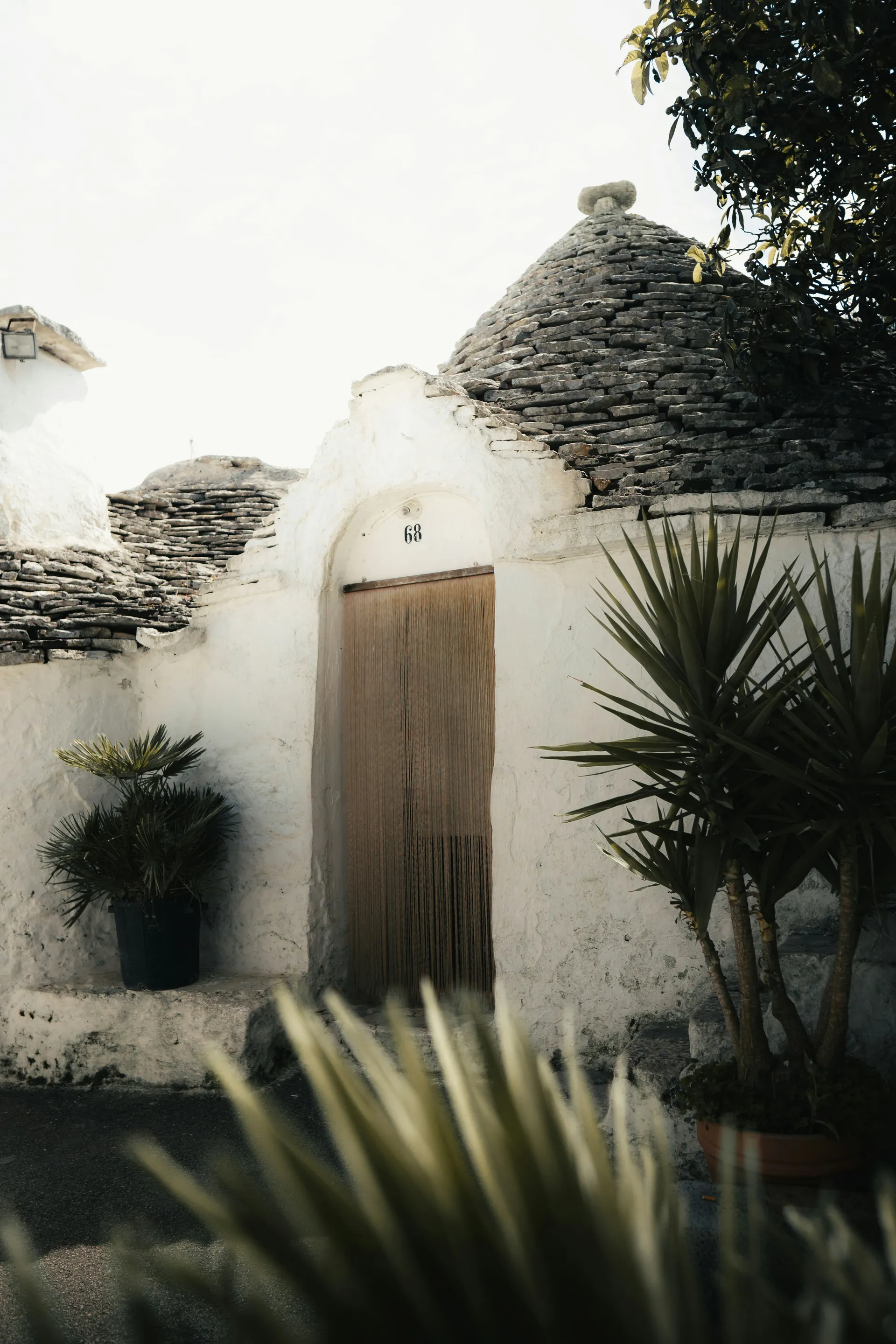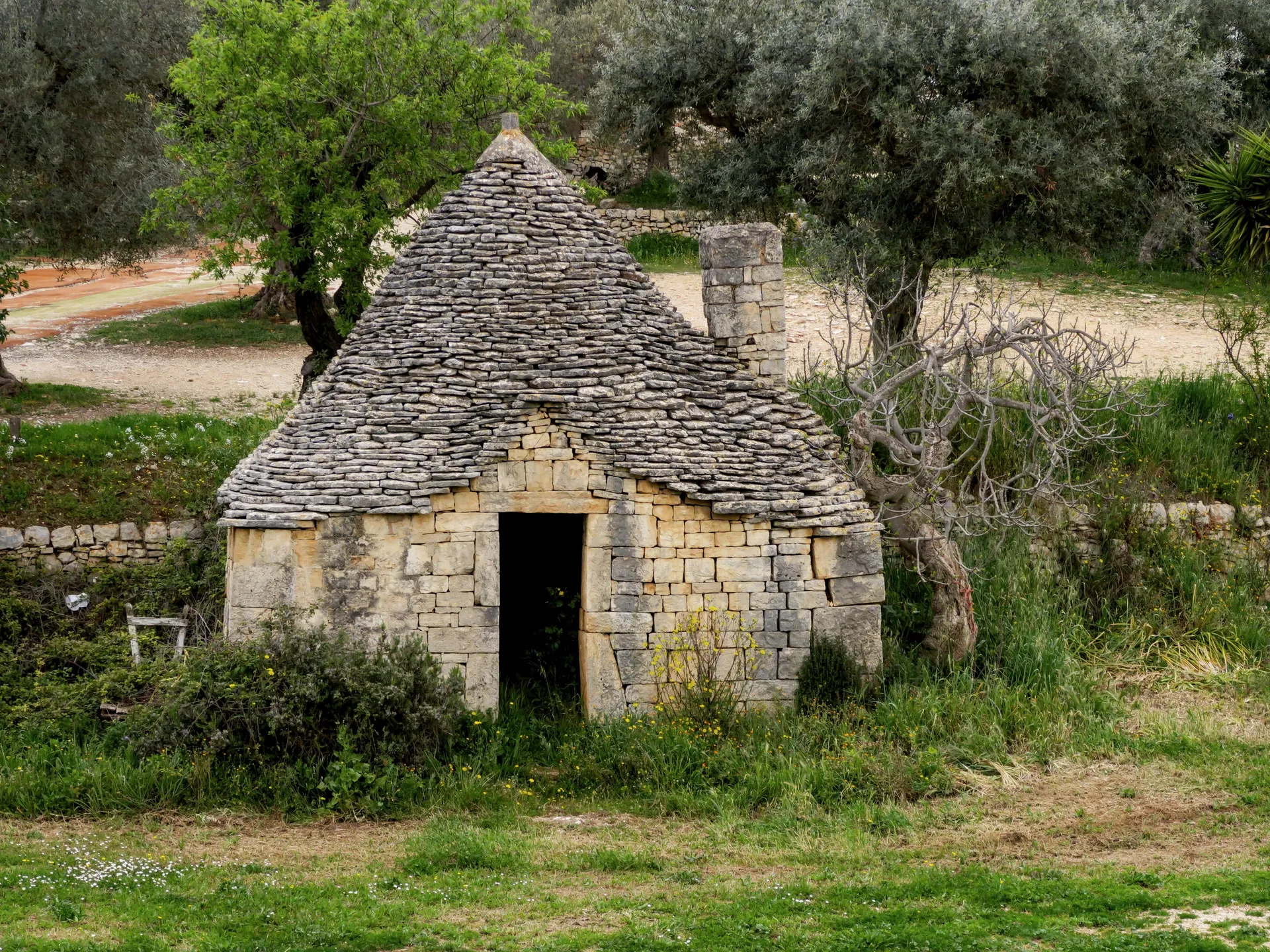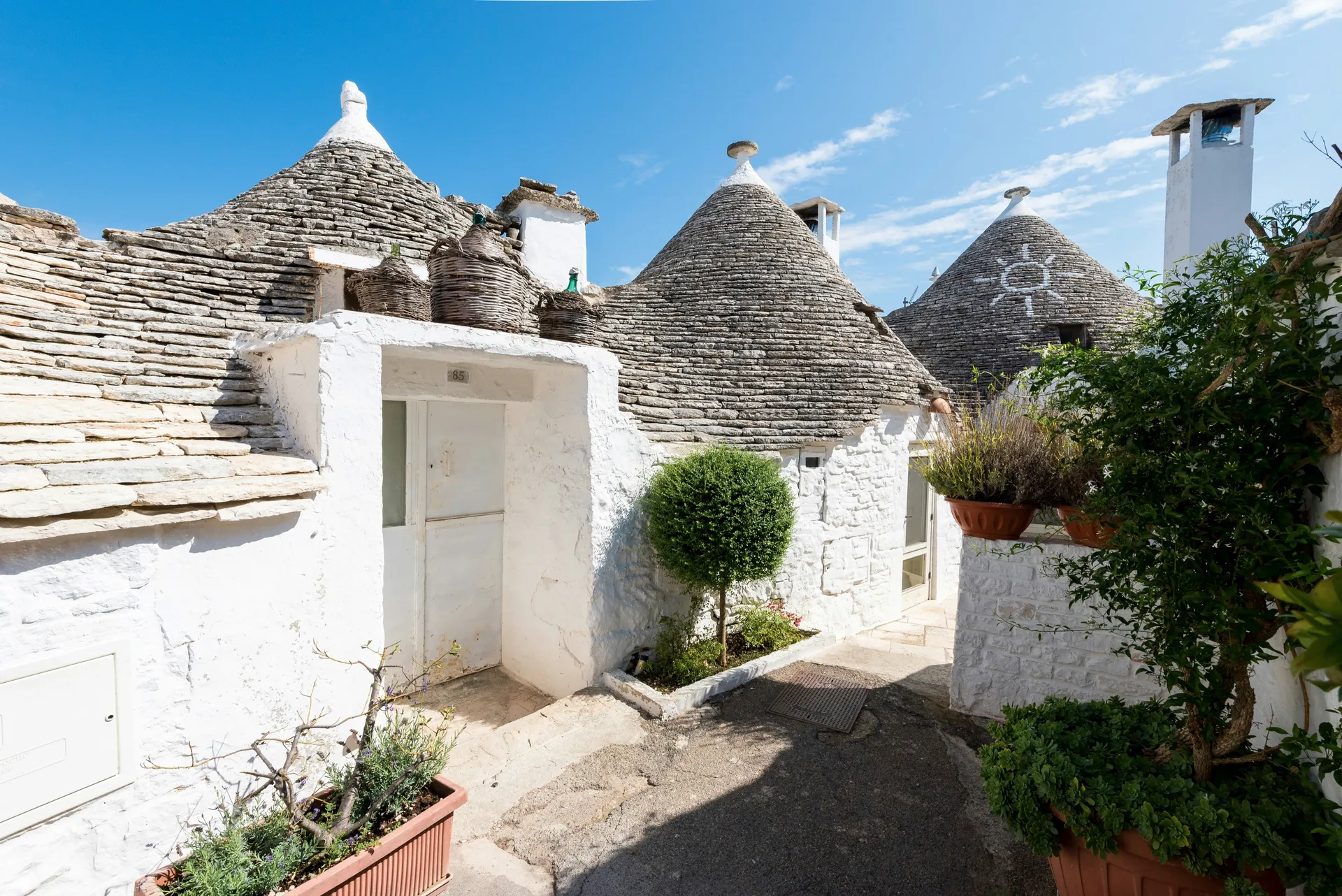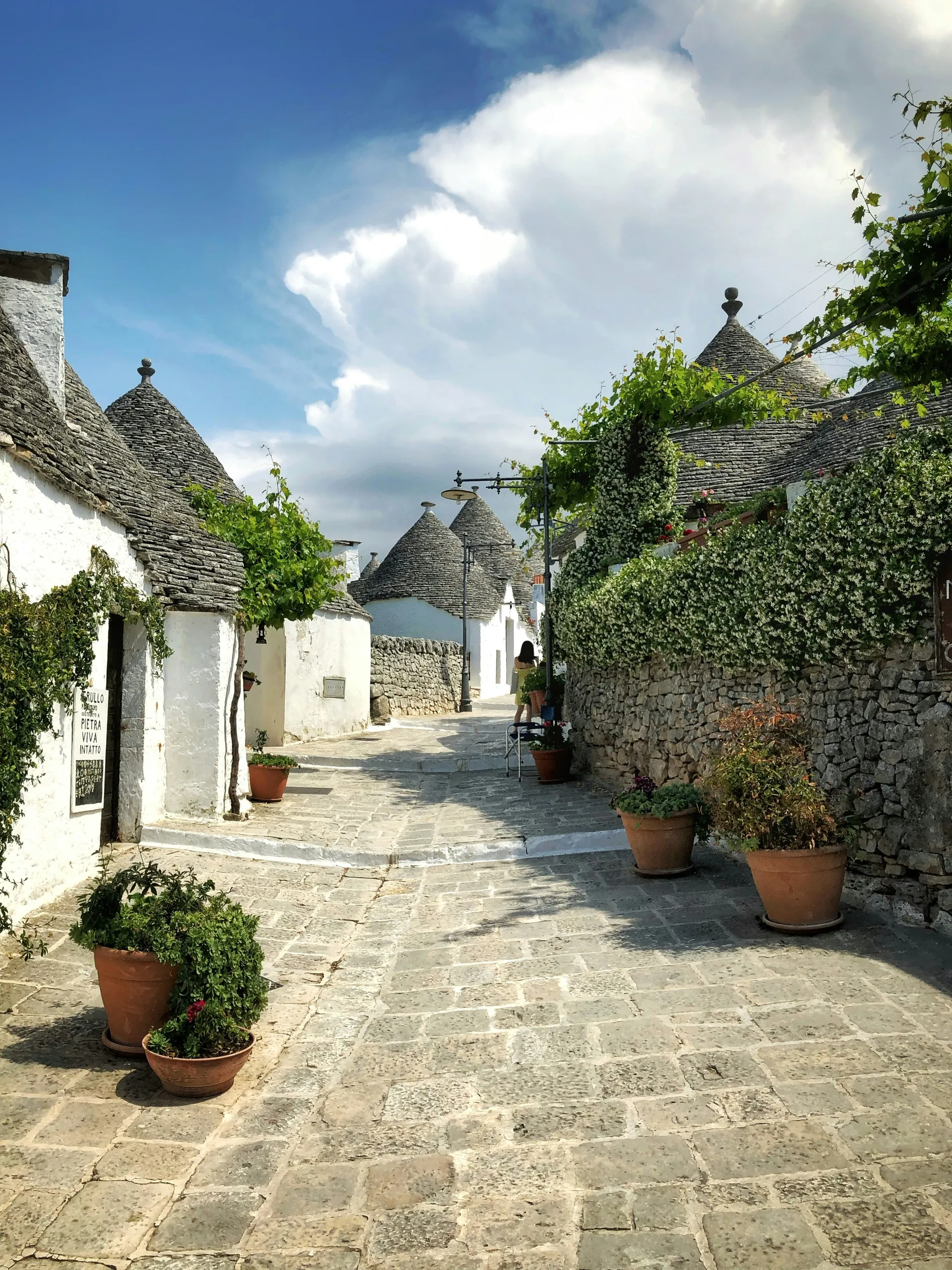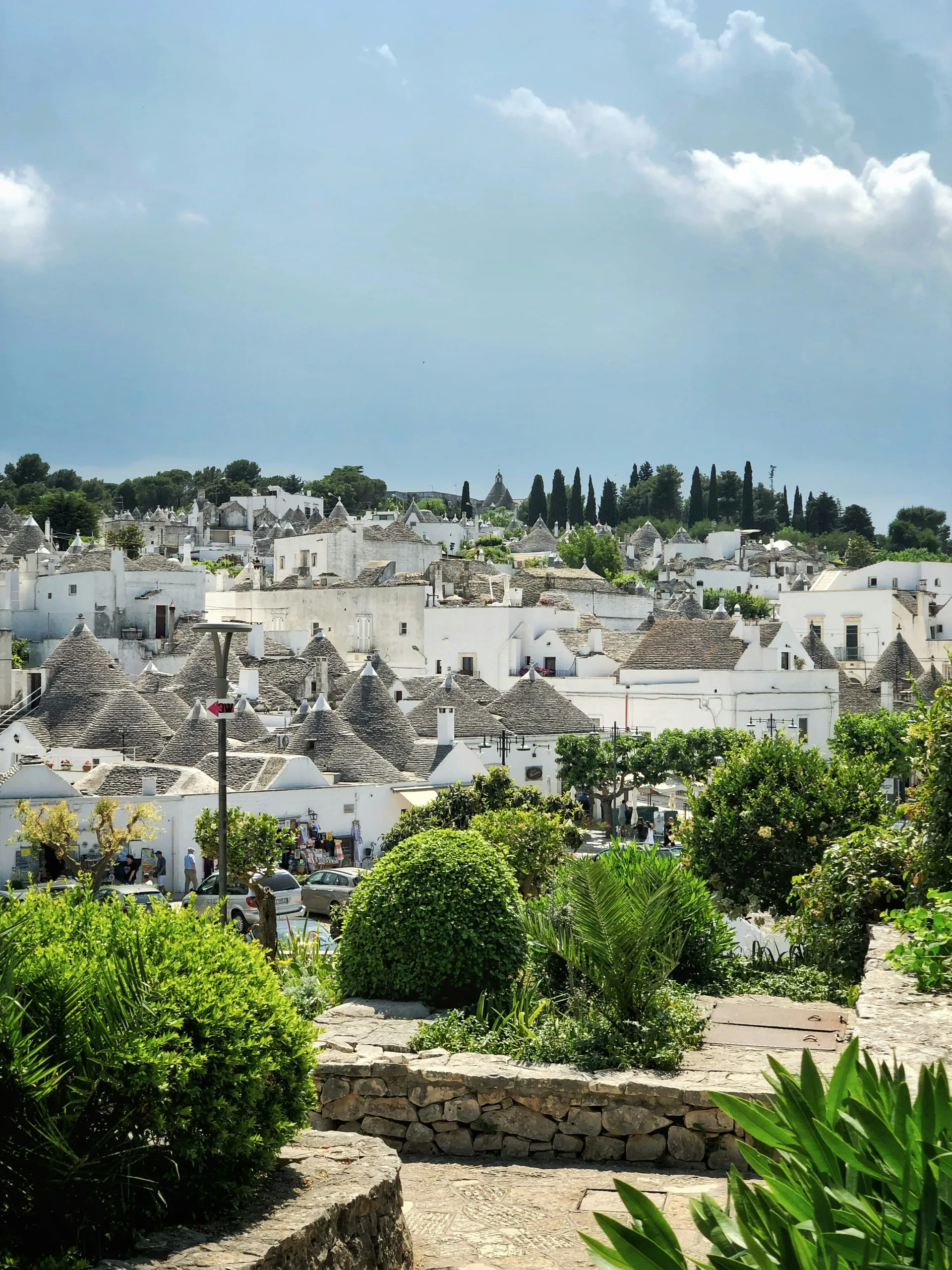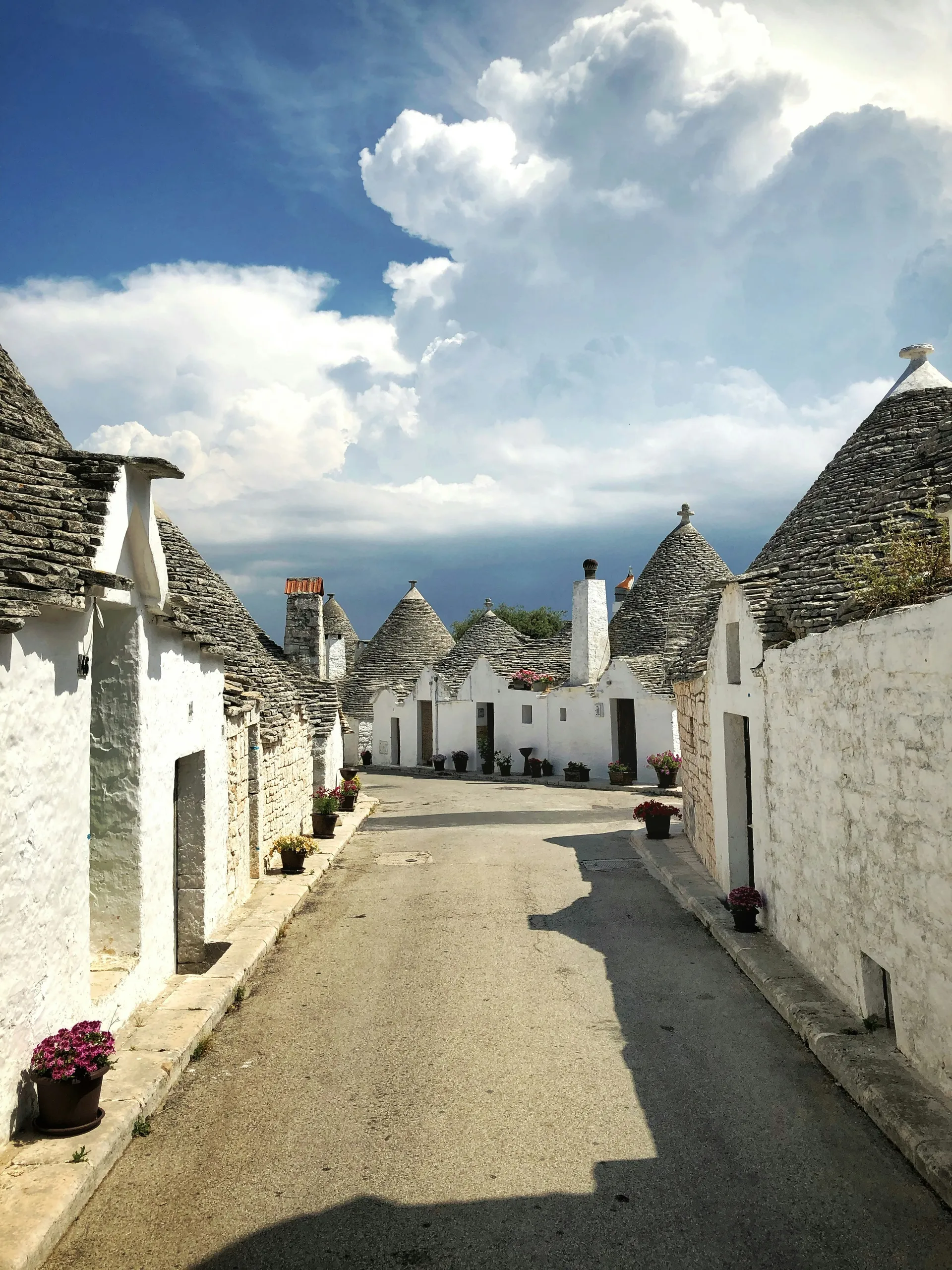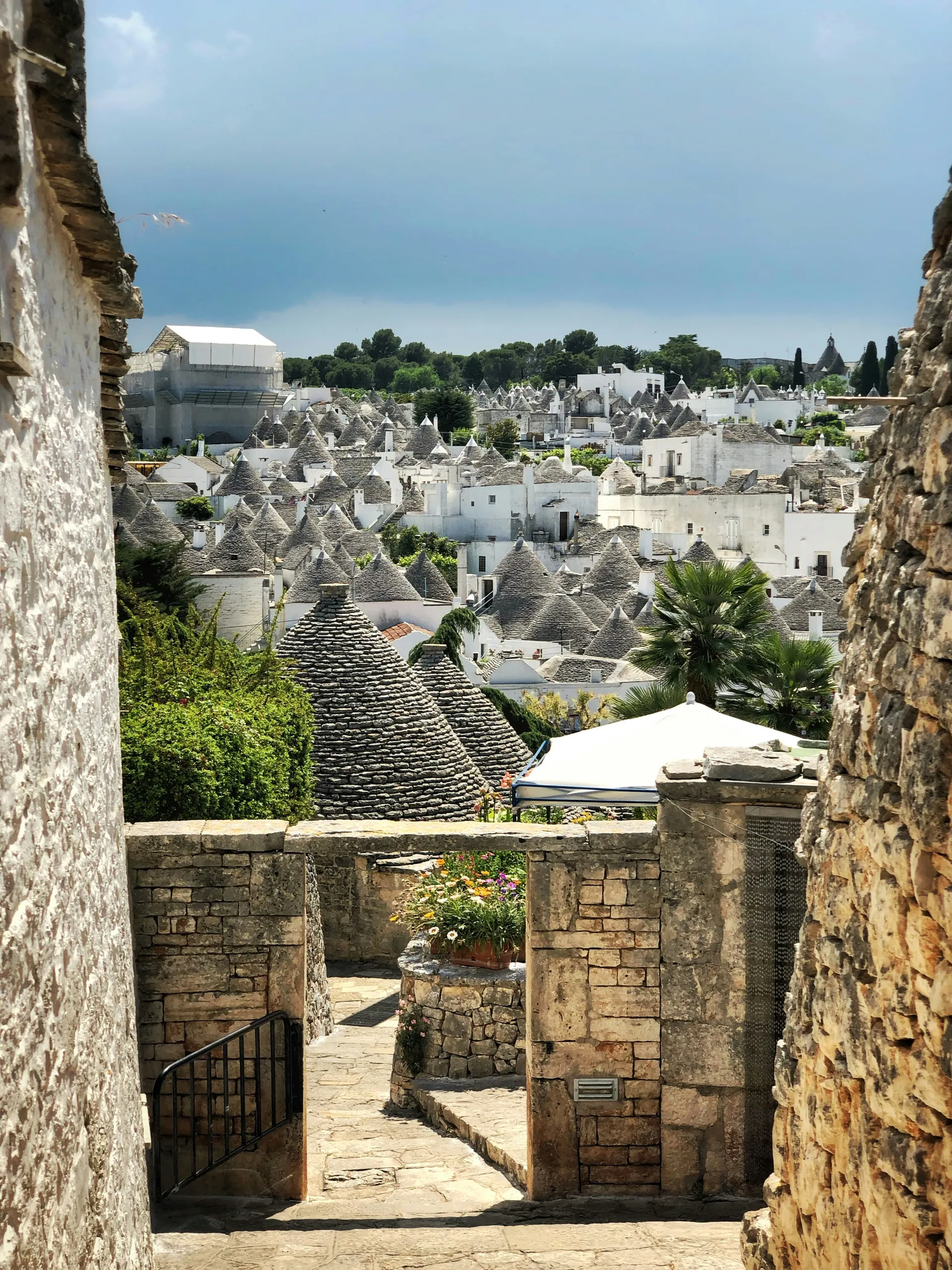
In the sun-baked heel of Italy's boot, where the limestone plateau of the Murge meets the fertile plains of the Itria Valley, stands a town so visually improbable it looks like it was designed by a whimsical architect with a fondness for fairy tales. Alberobello is the capital of the trulli — conical stone dwellings built entirely without mortar, their corbelled roofs tapering to decorative pinnacles and often marked with whitewashed symbols whose meanings have been debated for centuries. These extraordinary structures, which earned the town UNESCO World Heritage status in 1996, exist nowhere else in such concentration, creating a roofscape that resembles nothing so much as a village of stone tepees scattered across the Puglian hillside.
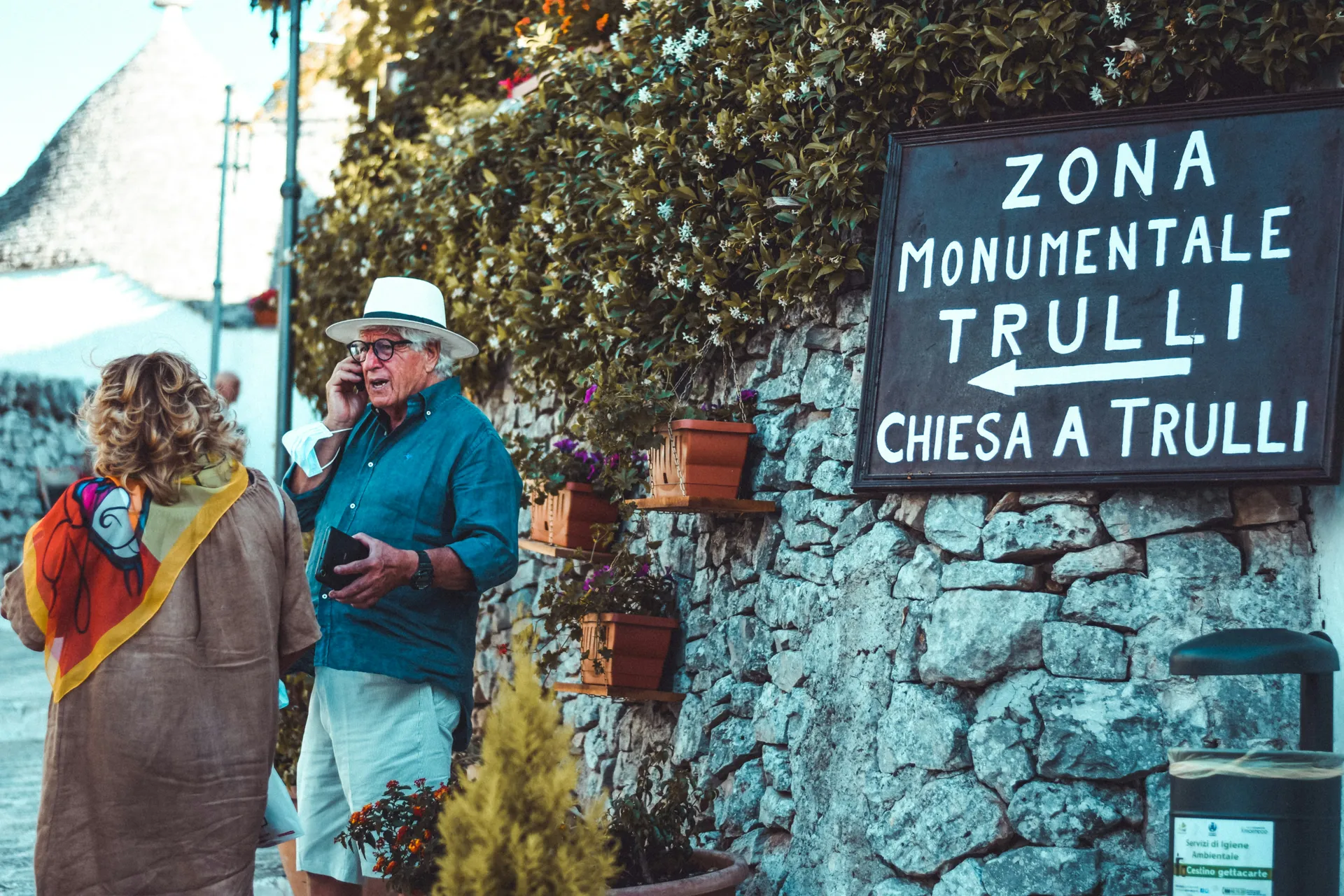
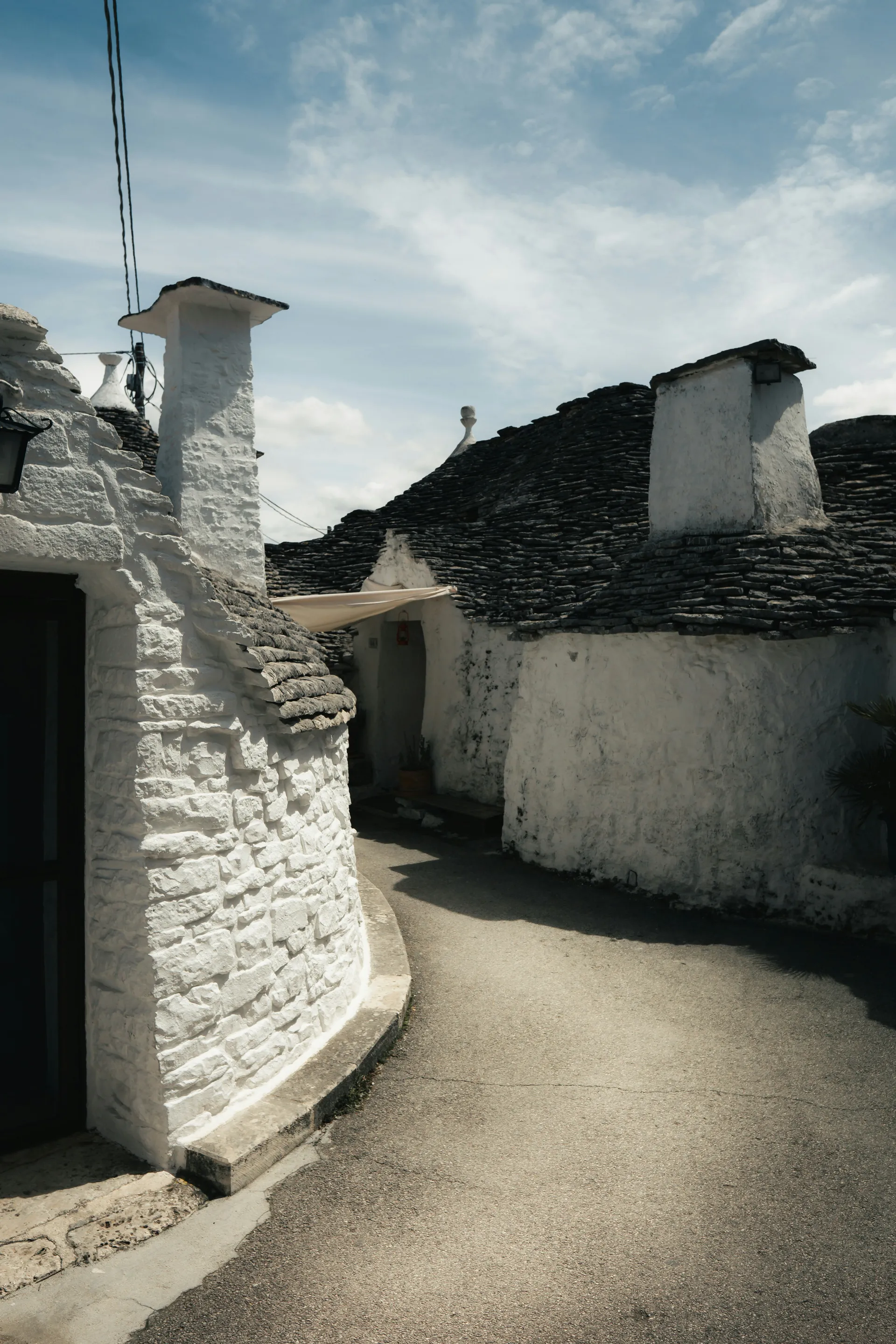
The Rione Monti district, Alberobello's historic heart, contains over a thousand trulli clustered along narrow lanes that wind up the hillside in organic, unplanned patterns. The whitewashed walls and grey stone cones create a monochromatic landscape that photographers find irresistible, particularly in the golden hours when the limestone glows warm amber. Each trullo is a marvel of vernacular engineering — the thick walls provide natural insulation against Puglia's scorching summers, while the conical roofs channel rainwater into underground cisterns. Legend holds that the buildings were designed to be quickly dismantled to avoid taxation, though modern scholars debate this appealing story. What is beyond dispute is their beauty: intimate, organic, and somehow both ancient and timeless.
The trullo tradition extends far beyond Alberobello into the surrounding Itria Valley, where individual trulli and trullo complexes dot the landscape among olive groves and vineyards. Many have been converted into unique accommodation — staying overnight in a trullo, beneath that extraordinary stone ceiling, sleeping in a bed that might be set into an alcove carved from living rock, is one of Puglia's most memorable experiences. The Trullo Sovrano, the only two-story trullo in Alberobello, now operates as a museum, its rooms furnished in period style to show how families lived within these compact, ingenious spaces. The Church of Sant'Antonio, itself built in trullo form with a domed roof reaching 21 meters, demonstrates the style's versatility at monumental scale.
Puglia's culinary tradition — cucina povera elevated to art — finds full expression in Alberobello and its surrounding villages. Orecchiette, the ear-shaped pasta that is Puglia's signature, is handmade daily by women who work at tables set in their doorways, their practiced fingers shaping each piece in seconds. Served with cime di rapa (turnip greens) or a slow-cooked tomato and ricotta forte sauce, it represents Italian cooking at its most essential and satisfying. The burrata of the Itria Valley — mozzarella filled with cream and shredded curd — is among Italy's great cheeses, best eaten within hours of production. Local wines, particularly the robust Primitivo and the more refined Negroamaro, provide the perfect accompaniment, while the region's olive oil, produced from trees that can be over a thousand years old, has a peppery intensity that elevates every dish.
Alberobello is typically visited as a shore excursion from the Adriatic cruise ports of Bari or Brindisi, approximately one hour by road from either city. The town is compact enough to explore thoroughly in two to three hours on foot, though the cobblestone lanes require comfortable shoes. The Rione Monti district can become crowded during midday in peak summer; early morning or late afternoon visits offer more atmospheric exploration and better photography. Spring (April-June) and early autumn (September-October) provide ideal conditions — warm but not oppressive, with the surrounding countryside at its most beautiful. Alberobello is a place that defies expectation: you arrive curious and leave enchanted.