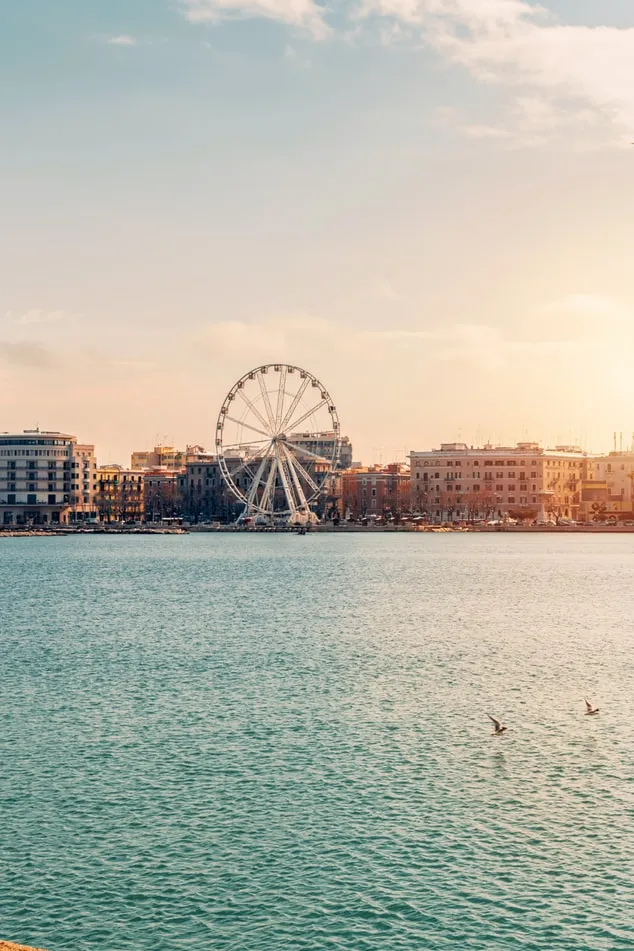
Bari, the capital of Puglia and the second city of southern Italy's Mezzogiorno, has served as a bridge between Western Europe and the Eastern Mediterranean for over two thousand years. The city's defining moment came in 1087, when Baresi sailors stole the bones of Saint Nicholas — the historical figure behind Santa Claus — from Myra in present-day Turkey and interred them in the Basilica di San Nicola, a magnificent Romanesque church that became one of medieval Christendom's most important pilgrimage destinations. Under Norman, Swabian, and Angevin rule, Bari flourished as a crusader port and mercantile hub, its strategic position making it the natural departure point for pilgrims, traders, and armies heading to the Holy Land.
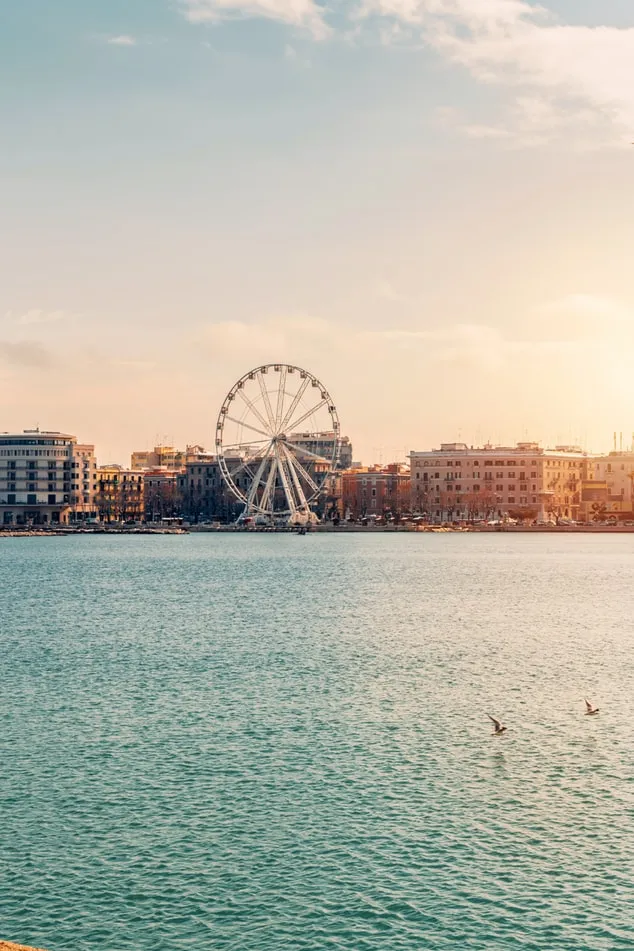
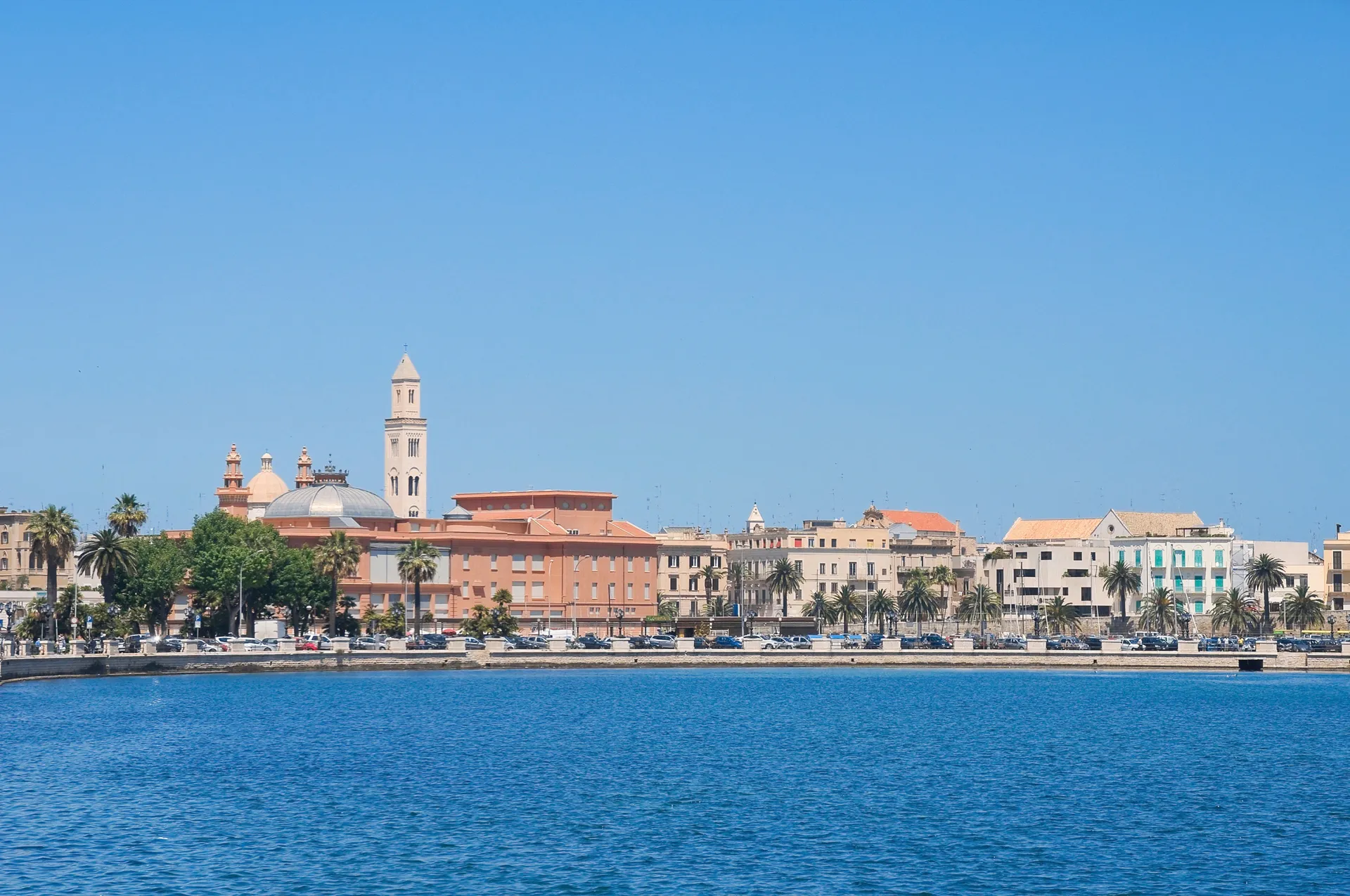
Bari Vecchia, the old town, is a labyrinth of narrow limestone alleys, arched passageways, and sudden piazzas that retains the atmosphere of a medieval borgo more than any other Italian city of its size. Women sit outside their doorsteps making orecchiette pasta by hand — a living tradition that has become one of Puglia's most photographed scenes, particularly along the Strada delle Orecchiette. The Swabian Castle, built by Frederick II in the thirteenth century, anchors the western edge of the old town, while the lungomare Nazario Sauro — a sweeping Art Deco waterfront promenade — connects the old city to the modern quarters with views across the Adriatic to the mountains of Croatia and Montenegro on clear days.
Pugliese cuisine is the apotheosis of Italian cucina povera — humble ingredients elevated to extraordinary heights. Orecchiette con cime di rapa (ear-shaped pasta with broccoli rabe, garlic, and chili) is the region's signature primo. Focaccia barese, a thick, olive-oil-rich flatbread topped with cherry tomatoes and olives, is eaten at all hours and bears little resemblance to its Ligurian namesake. Raw seafood — crudo di mare — is a Bari obsession: platters of sea urchin (ricci di mare), raw shrimp, octopus carpaccio, and clams are served at the fish market in the old town. For dessert, pasticciotto — a shortcrust pastry shell filled with custard cream — is the breakfast pastry of choice across Puglia.
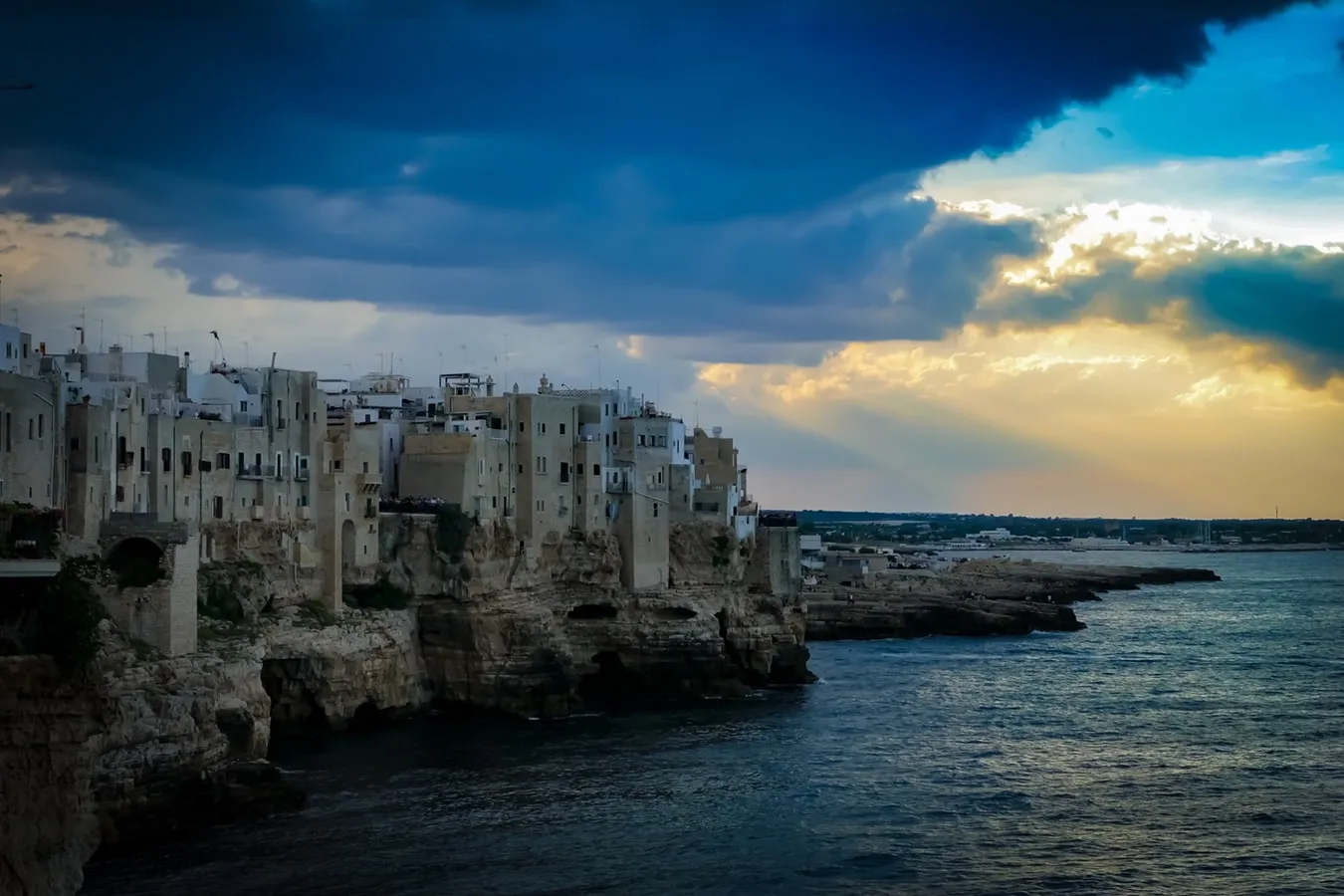
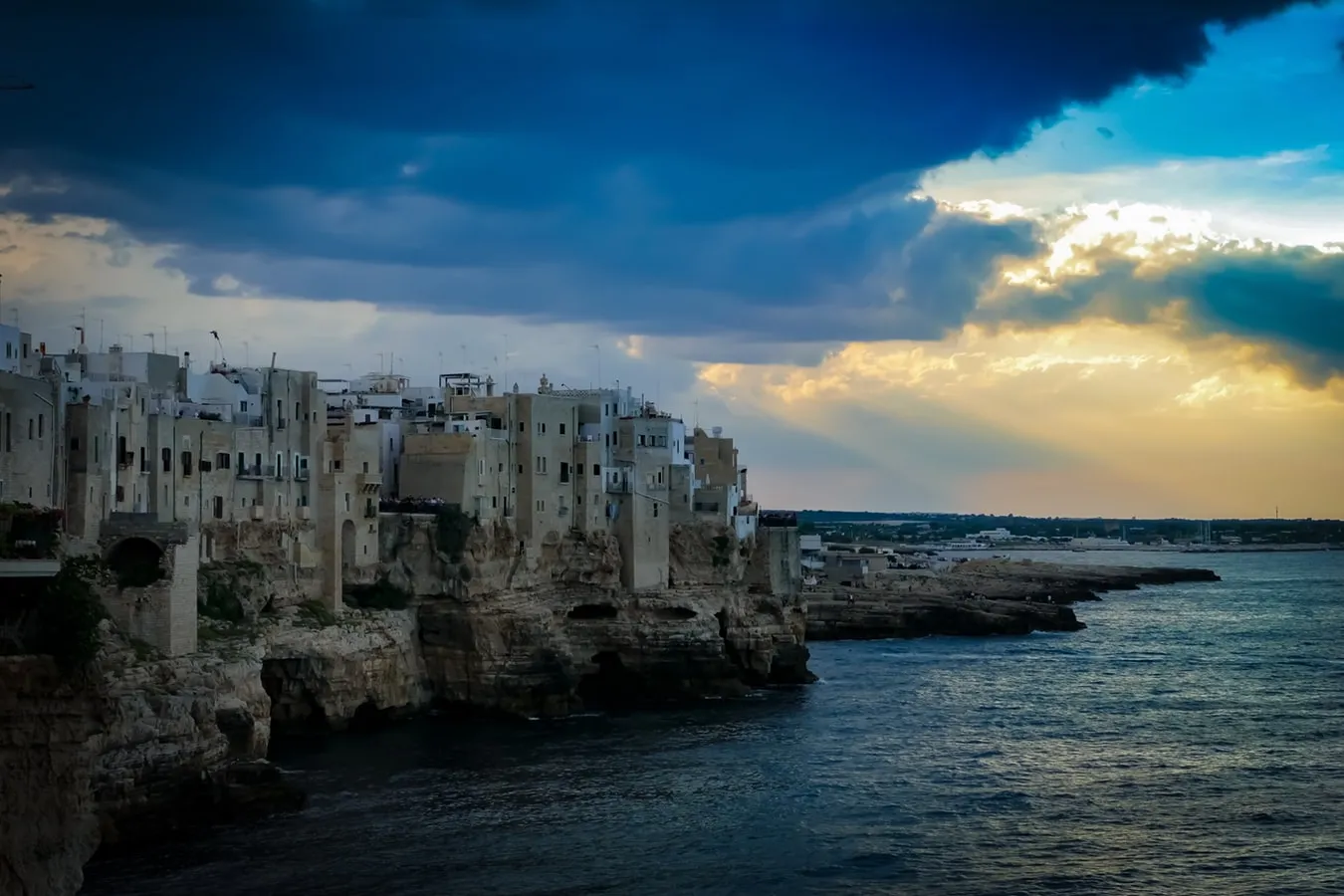
From Bari, the treasures of Puglia radiate outward. Alberobello, a UNESCO World Heritage village of trulli — conical, dry-stone dwellings unique to this region — is an hour south. The white city of Ostuni, perched on a hillside above olive groves, is ninety minutes away. Matera, the extraordinary cave city (Sassi) that served as the European Capital of Culture in 2019, lies just an hour west across the border in Basilicata. Polignano a Mare, a clifftop town famous for its dramatic sea cave beach (Cala Porto) and as the birthplace of singer Domenico Modugno, is a thirty-minute drive down the coast.
Bari draws a curated selection of cruise lines, with a growing reputation as a Western gateway to the Adriatic and Eastern Mediterranean. Explora Journeys, Silversea, Regent Seven Seas Cruises, and Ponant bring luxury experiences. Viking and MSC Cruises provide large-scale operations, while Fred Olsen Cruise Lines, Celestyal Cruises, TUI Cruises Mein Schiff, and Aurora Expeditions offer additional variety. The Adriatic cruising season runs April through October, with May, June, and September offering the most pleasant temperatures for exploring Puglia's sun-drenched countryside and coastline.