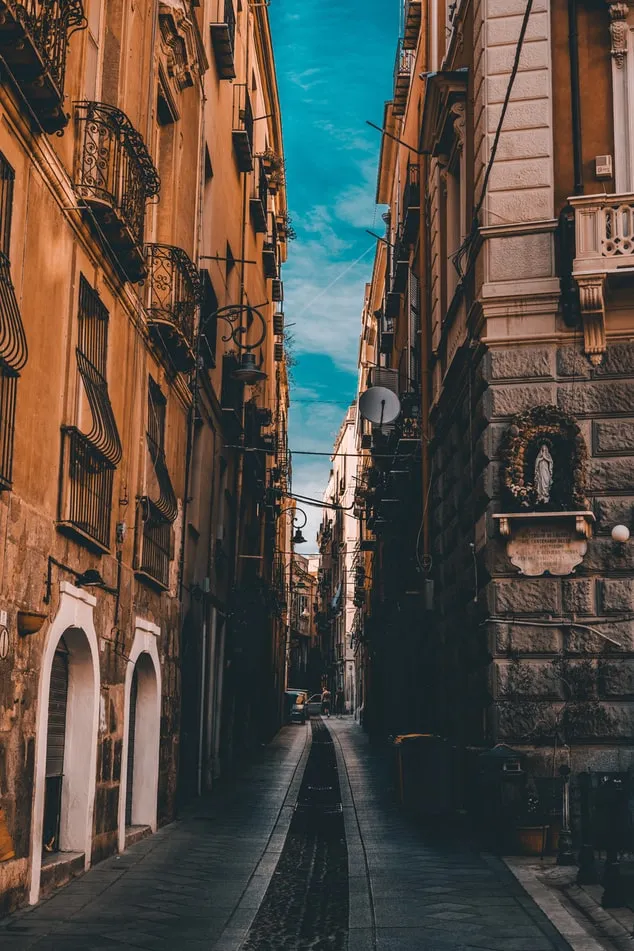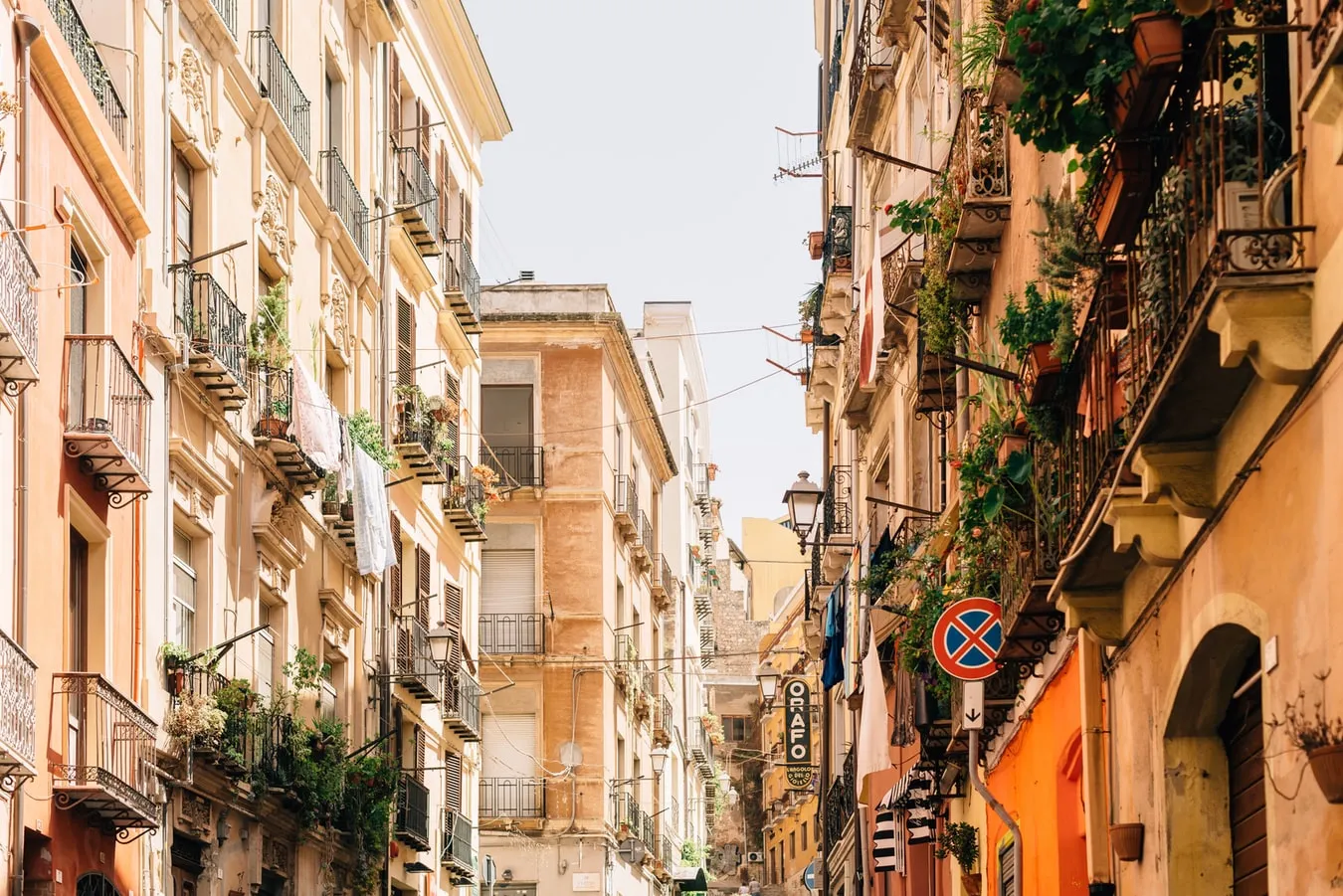
Cagliari, the sun-drenched capital of Sardinia, has watched over the Gulf of Angels from its limestone hilltop perch for nearly three thousand years. The Phoenicians established a trading post here around the eighth century BC, followed by the Carthaginians, Romans, Vandals, Byzantines, Pisans, Aragonese, Spanish, and Piedmontese — each leaving architectural and cultural layers that make Cagliari a palimpsest of Mediterranean civilization. The Castello quarter, the medieval fortified citadel crowning the hill, preserves Pisan towers, a thirteenth-century cathedral, and ramparts that offer sweeping panoramas over the city, the sea, and the salt lagoons where pink flamingos wade in surreal numbers.
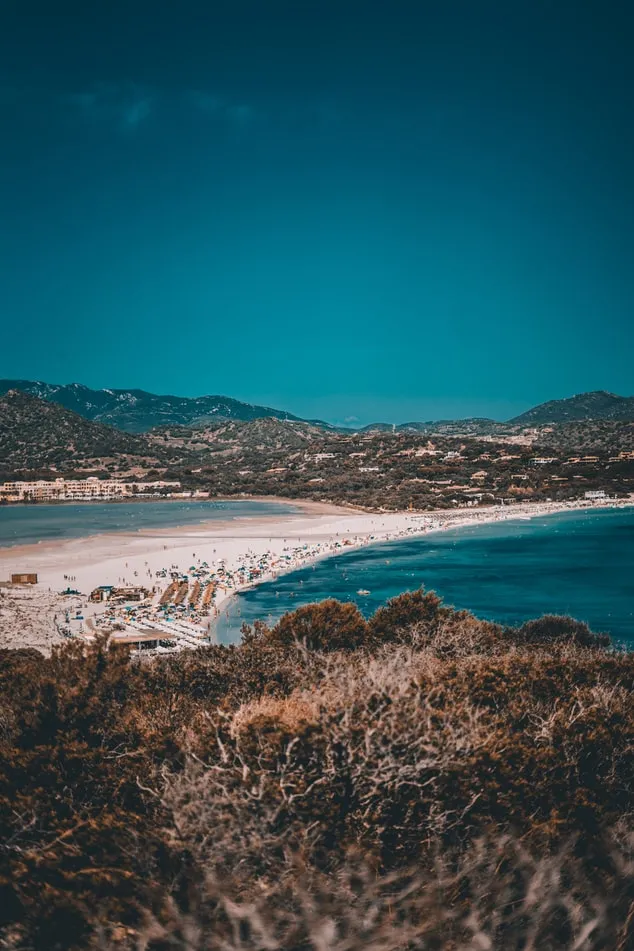
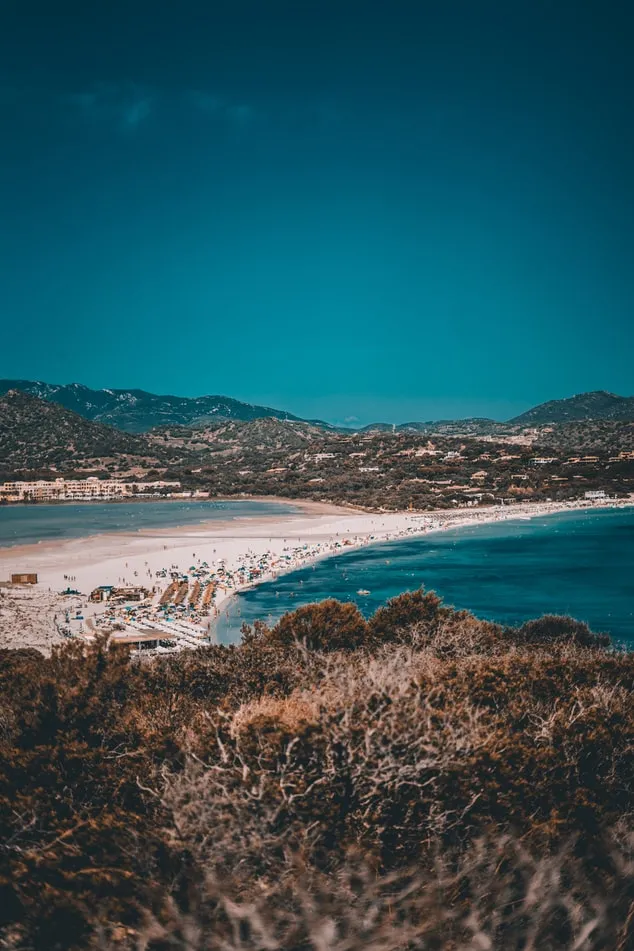
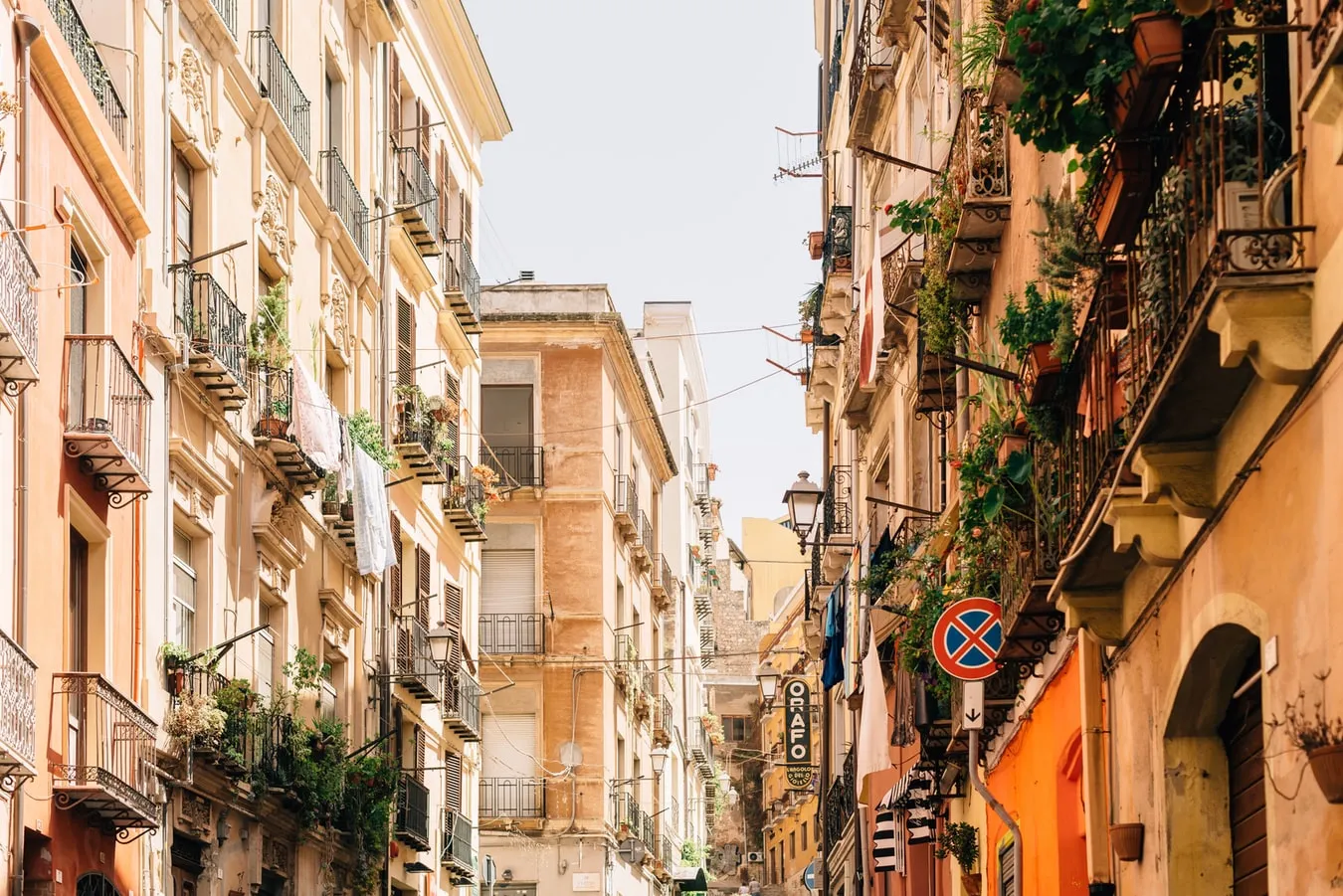
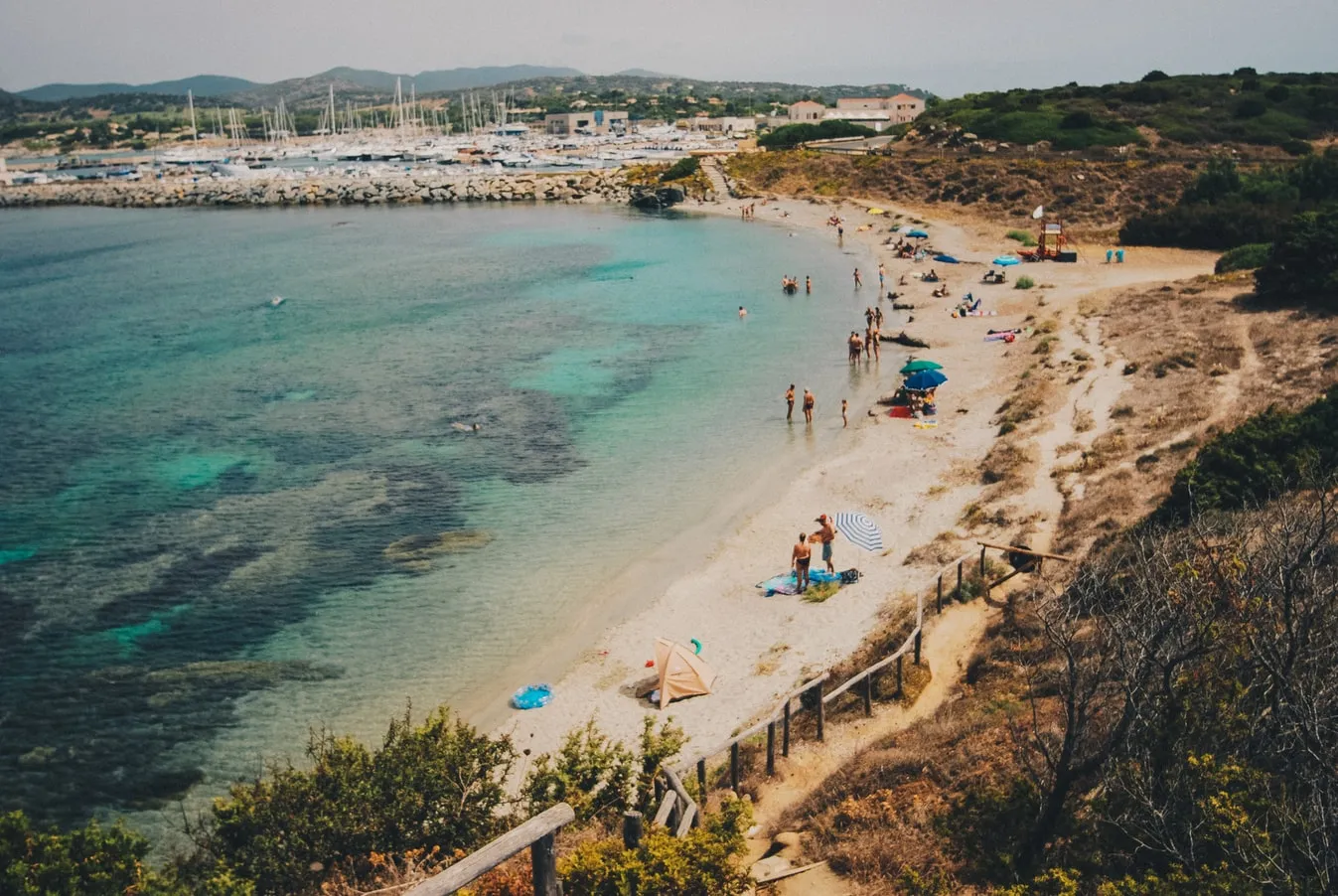
Cagliari's neighborhoods each possess a distinct personality. The Marina quarter, between the port and the castle hill, buzzes with trattorias, wine bars, and artisan shops along narrow pedestrian lanes. Stampace, the old artisan quarter to the west, harbors Romanesque churches and the underground archaeological complex of the Cripta di Santa Restituta. Villanova, to the east, climbs the hillside in terraced streets adorned with flowering balconies. The city's most surprising feature may be the Poetto Beach, a seven-kilometer arc of white sand and azure water that begins just minutes from the city center — a rarity among European capitals.
Sardinian cuisine is a world unto itself, distinct from mainland Italian cooking. Culurgiones, handcrafted pasta pouches filled with potato, pecorino, and fresh mint, are pinched closed in an intricate wheat-ear pattern and served with simple tomato sauce. Porceddu — spit-roasted suckling pig seasoned with myrtle — is the island's celebratory centerpiece. Fregola, toasted semolina pearls cooked with clams and saffron, is a Cagliari specialty that bridges the island's pastoral and maritime traditions. At the Mercato di San Benedetto, one of Italy's largest covered markets, stalls overflow with bottarga (cured mullet roe), seadas (cheese-filled pastries drizzled with honey), and mirto, the deep-purple myrtle berry liqueur that ends every Sardinian meal.
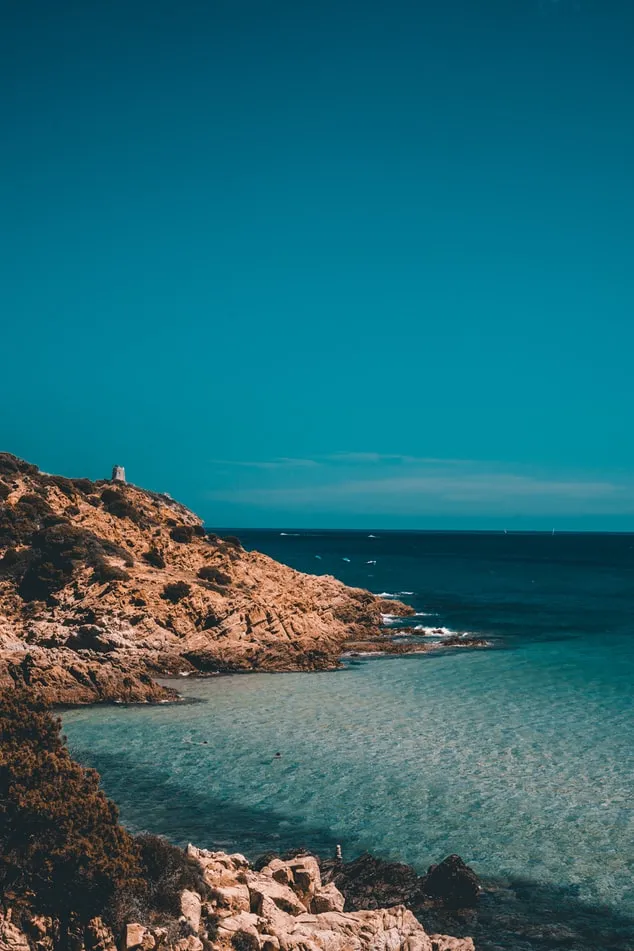
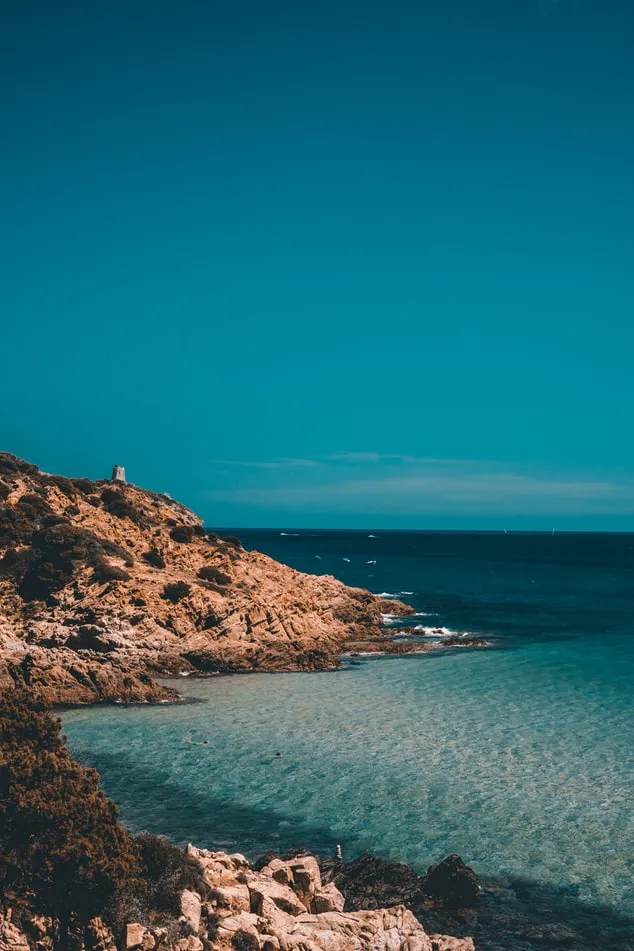
Excursions from Cagliari showcase Sardinia's extraordinary diversity. The Nuraghe Su Nuraxi at Barumini, a UNESCO World Heritage Bronze Age fortress complex, is an hour north and offers a window into the mysterious Nuragic civilization that flourished here from 1900 to 730 BC. The Costa Rei and Villasimius coastline, southeast of the city, features some of the Mediterranean's most pristine beaches. The Sulcis-Iglesiente mining region, southwest of Cagliari, preserves dramatic landscapes of sea stacks, hidden coves, and abandoned mine complexes. The Molentargius-Saline Regional Park, adjacent to the city, hosts one of Europe's largest flamingo colonies.
Cagliari attracts an impressive roster of cruise lines. Silversea, Seabourn, Crystal Cruises, Explora Journeys, Ponant, Regent Seven Seas Cruises, Hapag-Lloyd Cruises, and Windstar Cruises deliver luxury experiences. Azamara, Holland America Line, Oceania Cruises, Princess Cruises, and Celebrity Cruises provide premium options. MSC Cruises, Costa Cruises, Disney Cruise Line, P&O Cruises, Marella Cruises, TUI Cruises Mein Schiff, AIDA, and Virgin Voyages serve the mainstream market. Star Clippers, Emerald Yacht Cruises, Ambassador Cruise Line, and Scenic Ocean Cruises offer boutique and sailing experiences. The Mediterranean cruising season runs April through October, with June and September providing the ideal combination of warm weather, clear seas, and comfortable temperatures for exploring Sardinia's interior.