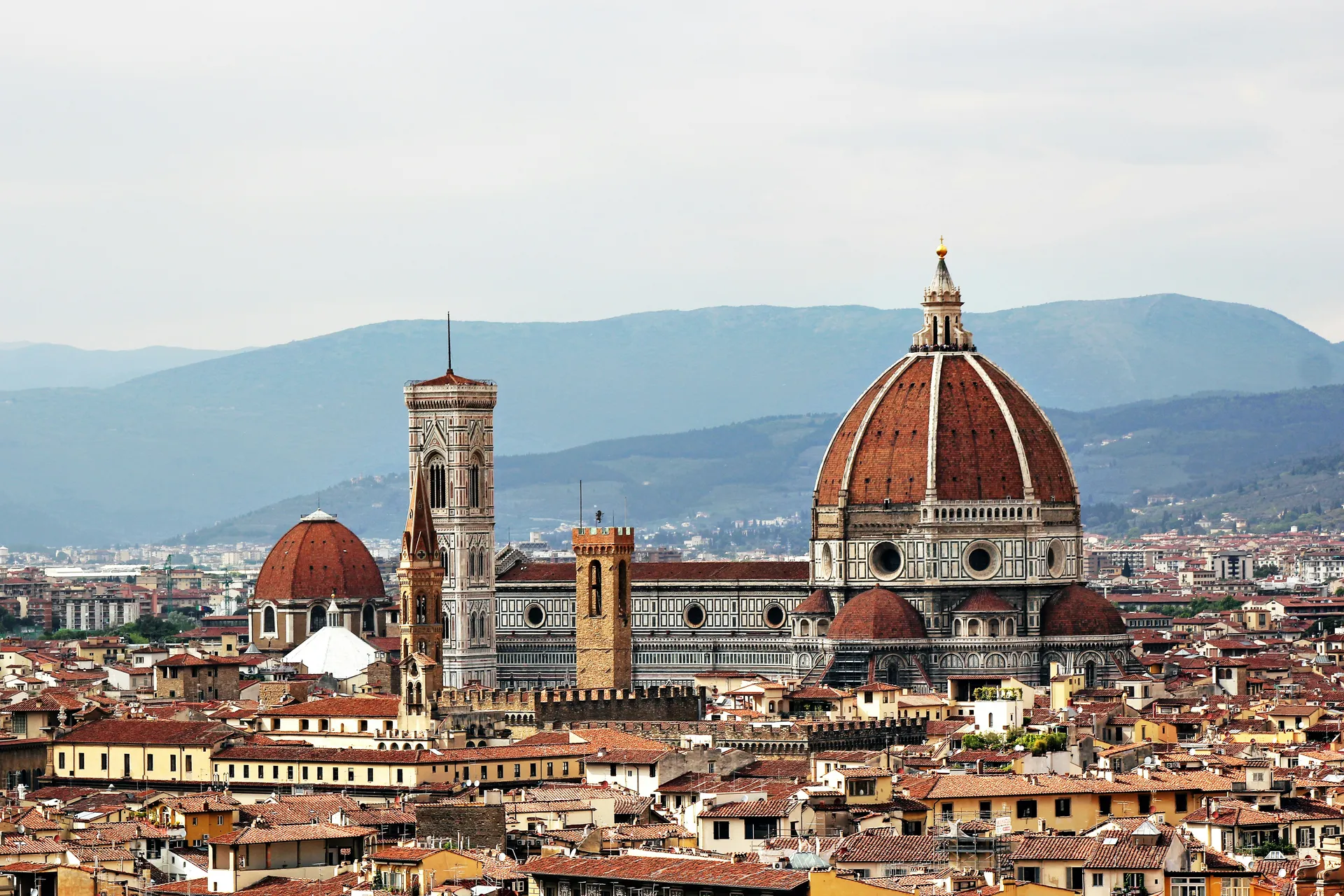
Florence is the city that invented the Renaissance — and then, having changed the course of Western civilization, settled back into its marble palaces and ochre-walled piazzas with the satisfied air of a city that knows it has nothing left to prove. The Medici banking dynasty financed the flowering of art, architecture, and humanist philosophy that transformed Europe from the fourteenth to the sixteenth century, and the results are still visible at every turn: Brunelleschi's dome, Botticelli's Venus, Michelangelo's David, and the Uffizi Gallery — a building that contains more masterpieces per square meter than any other museum on Earth.
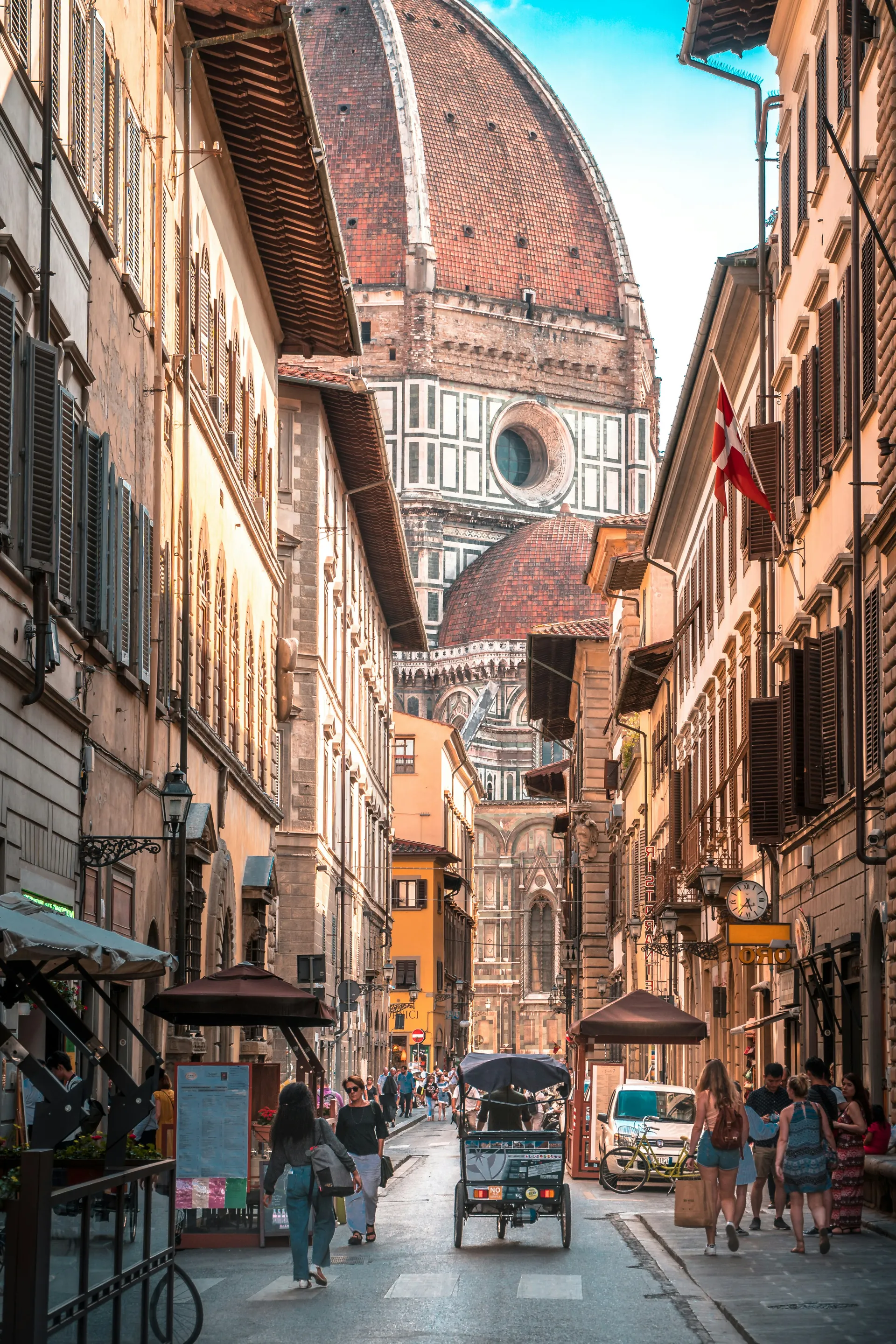
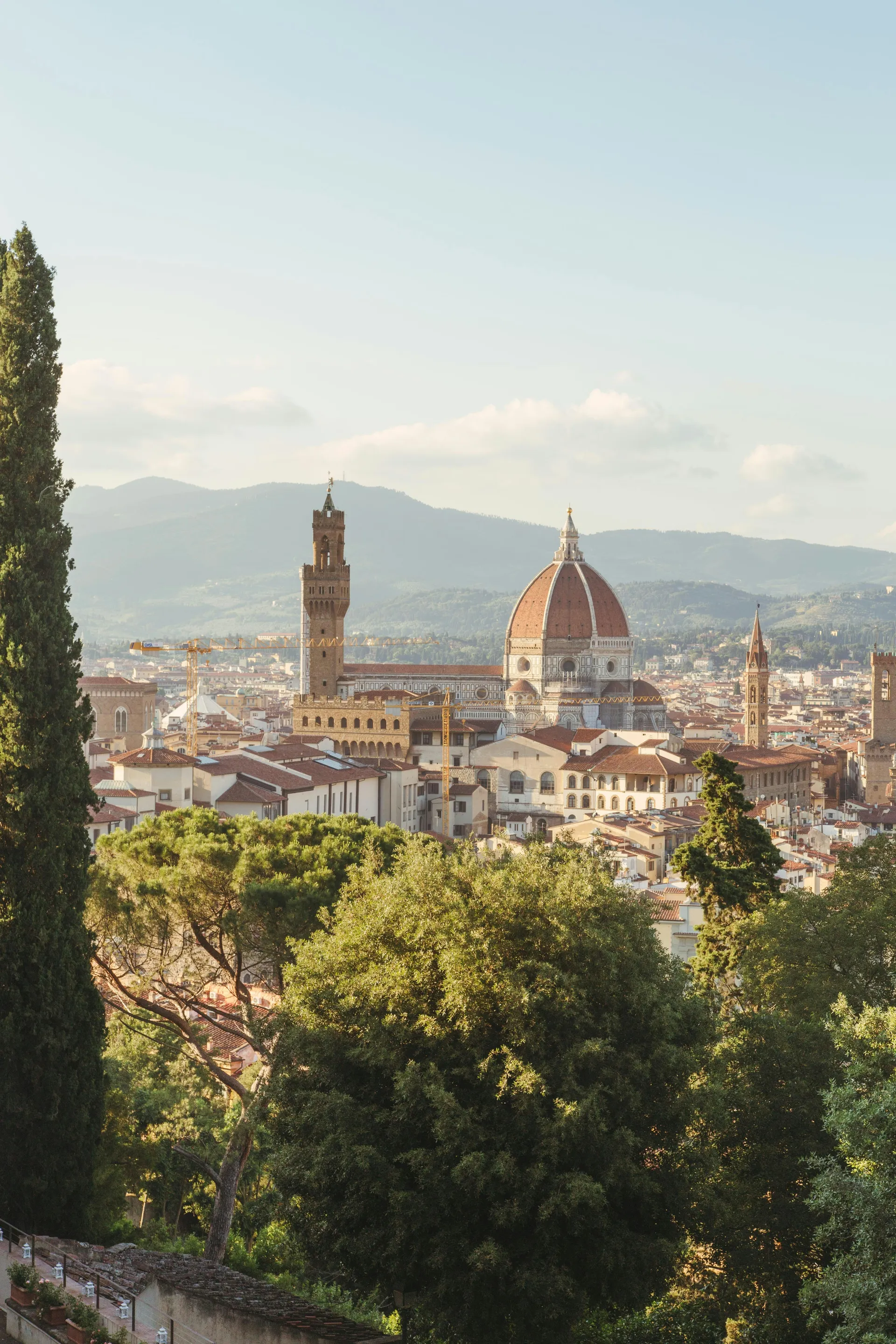
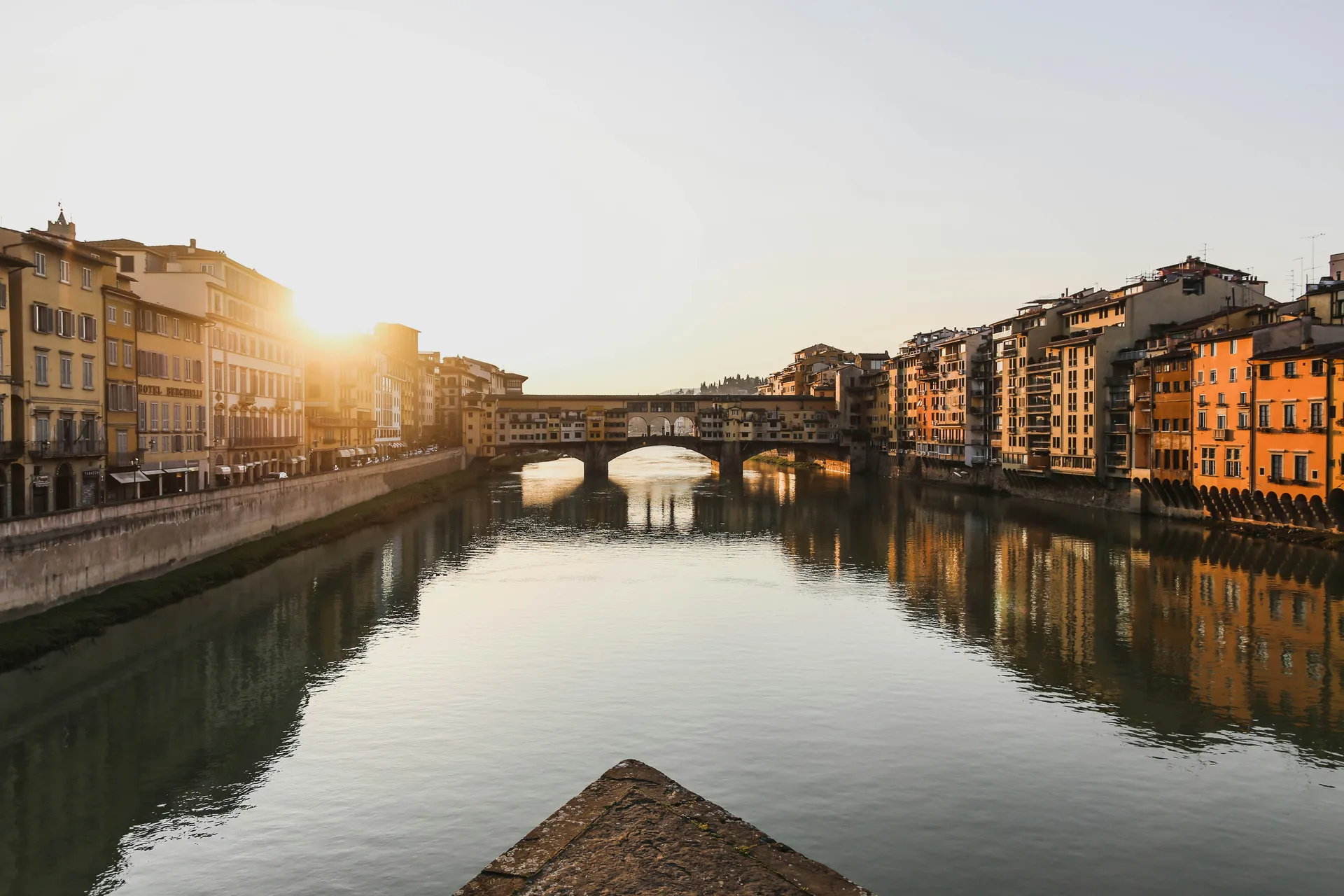
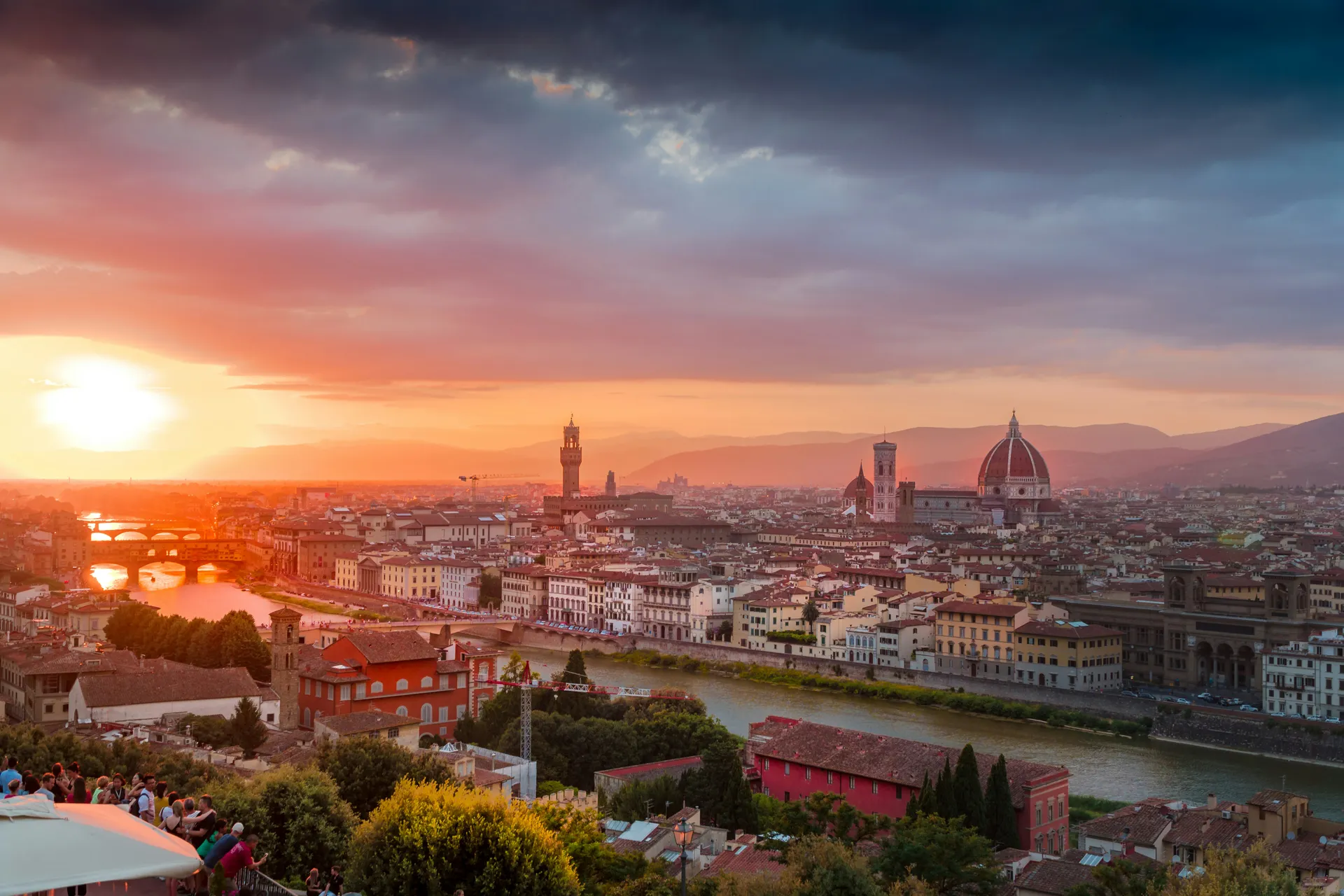
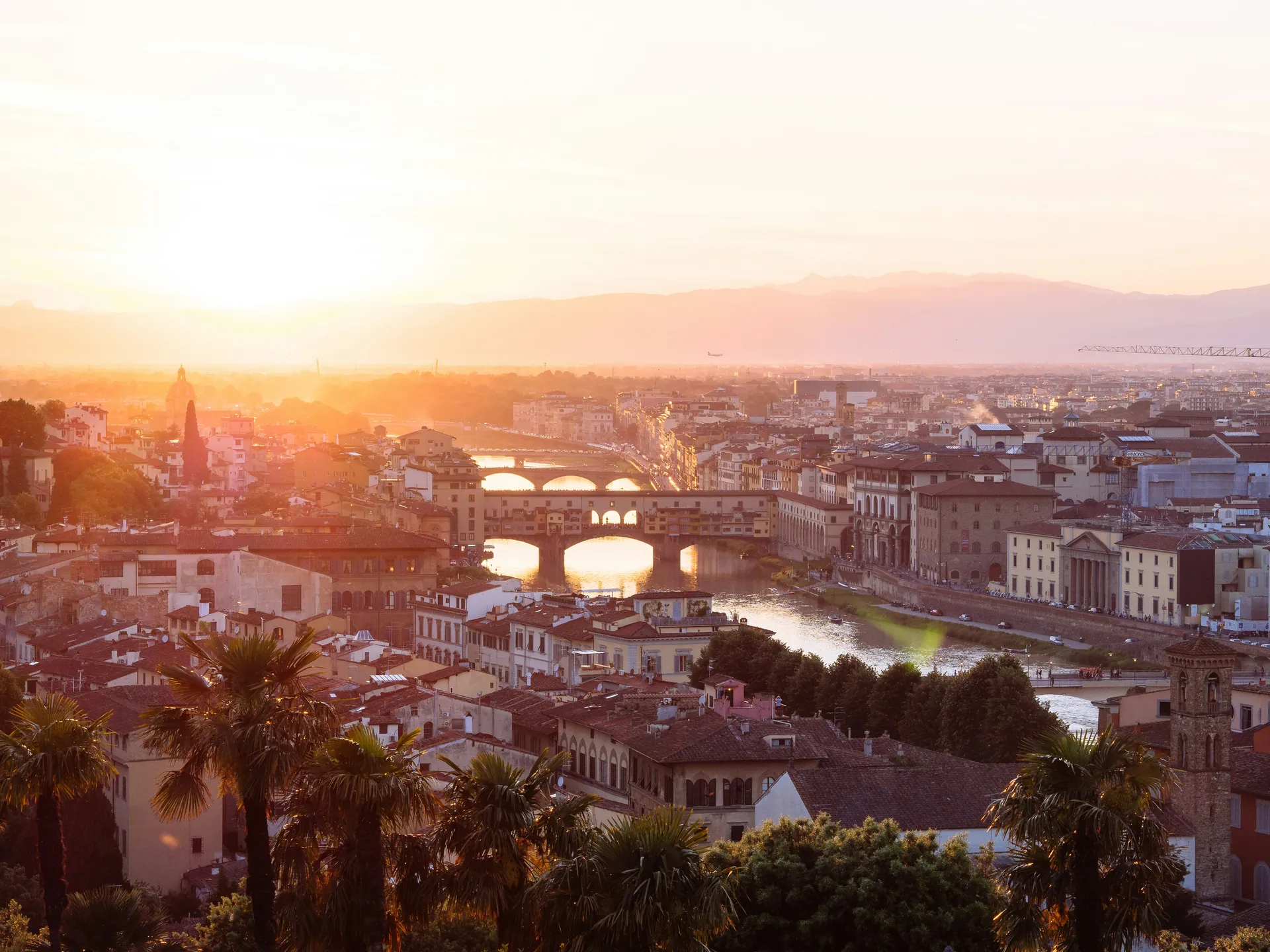
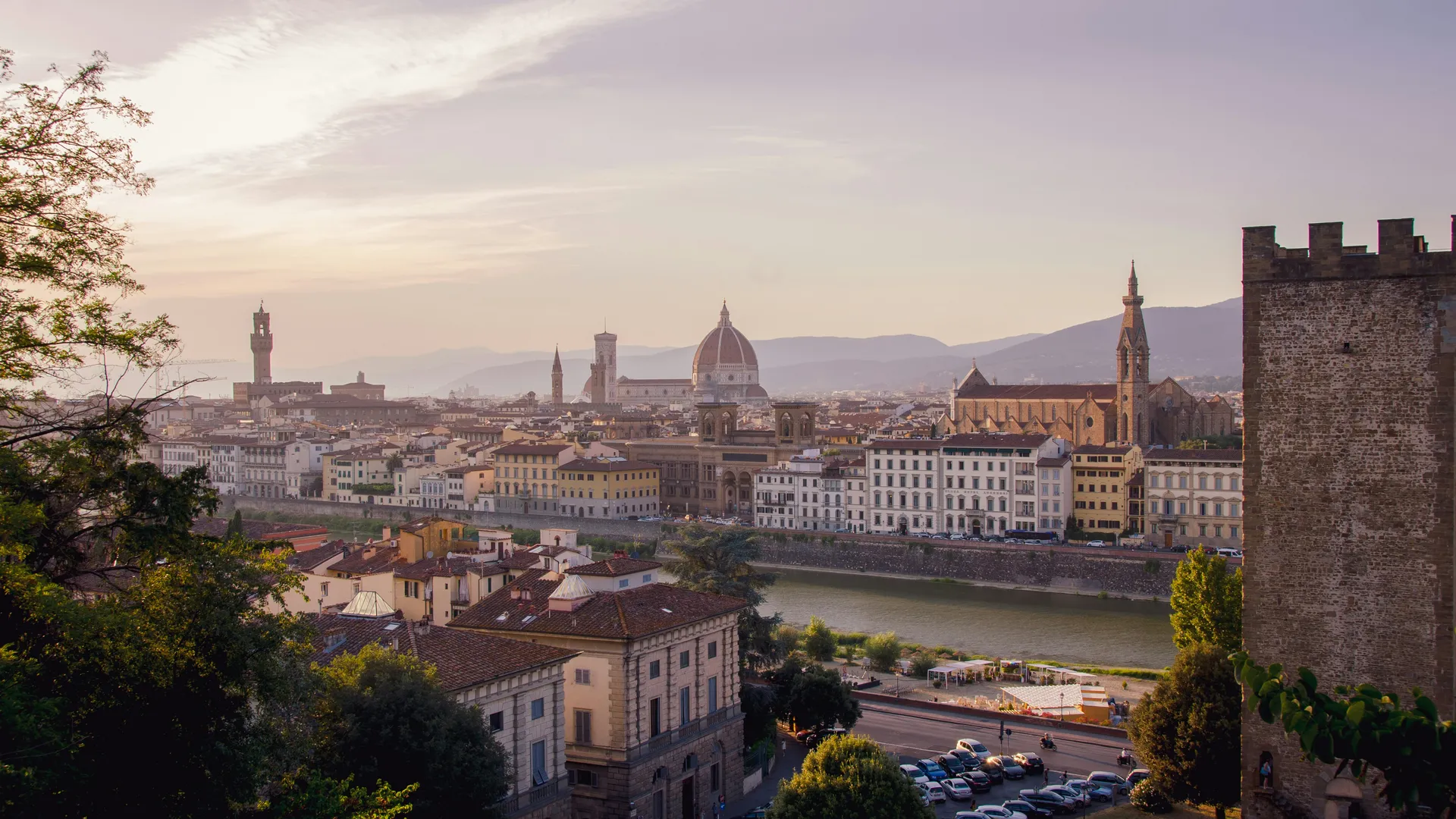
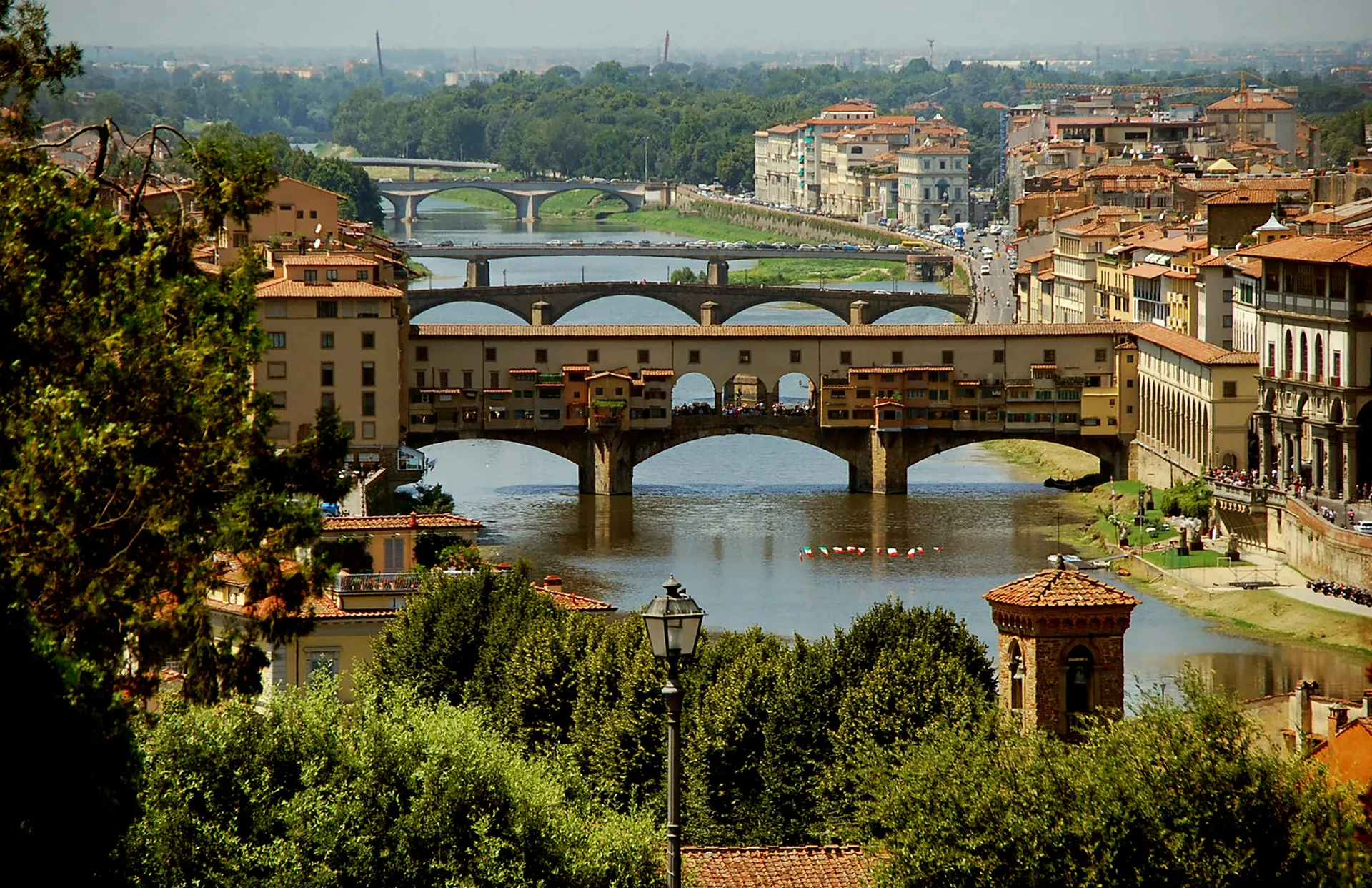
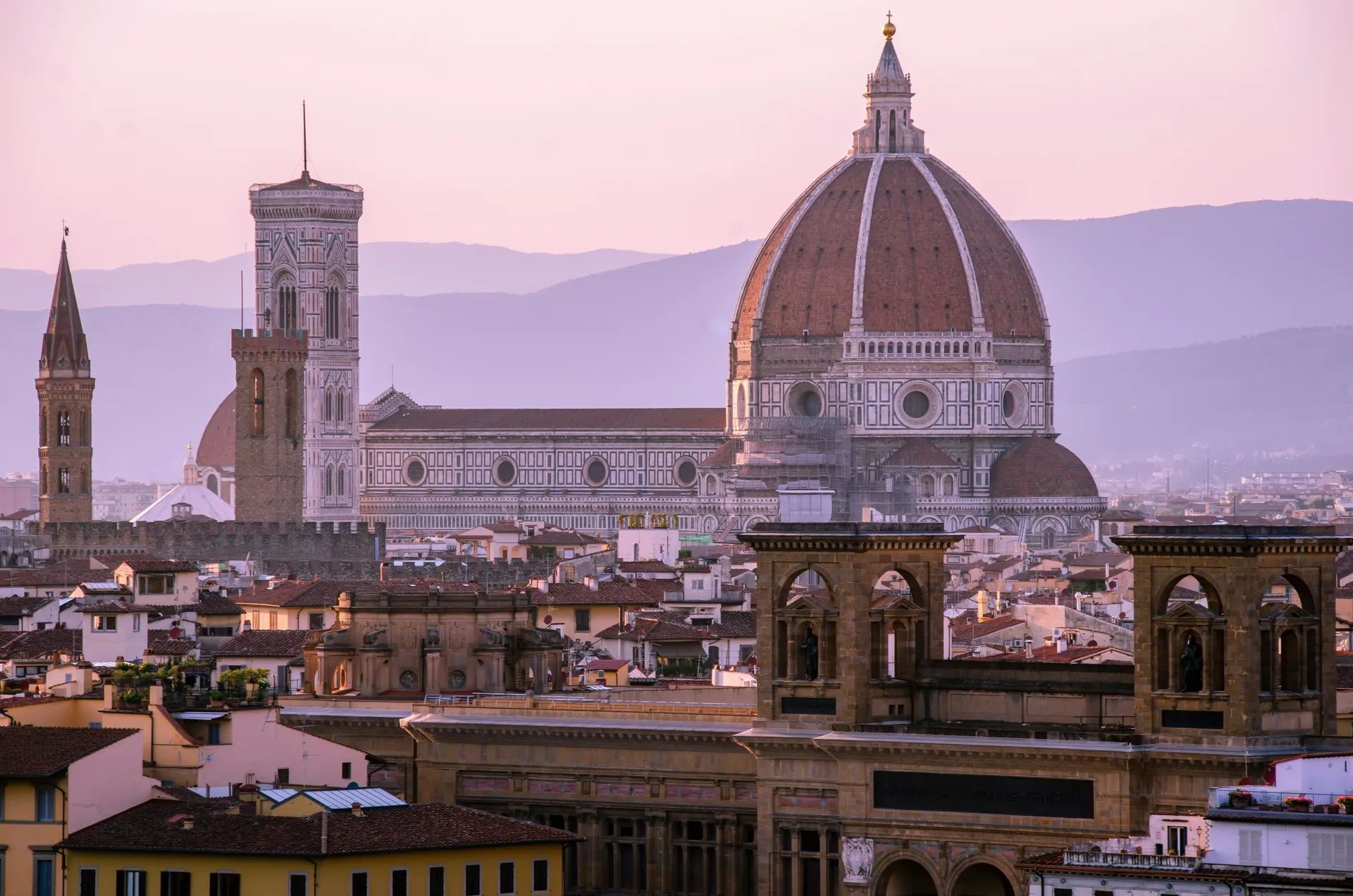
The city's beauty is both overwhelming and intimate. The Duomo — the Cathedral of Santa Maria del Fiore, crowned by Brunelleschi's revolutionary dome — dominates the skyline with a terracotta presence so commanding that every street in Florence seems to lead toward it. The Ponte Vecchio, the medieval bridge lined with goldsmiths' shops, spans the Arno with a charm that has survived floods, wars, and the passage of six centuries. The Oltrarno, the artisan quarter south of the river, rewards wandering with workshops where leather is tooled by hand, paper is marbled using Renaissance techniques, and furniture makers continue traditions that date to the time of the Medici.
Florentine cuisine is the foundation upon which Italian culinary tradition rests — and it achieves its greatness through simplicity. Bistecca alla fiorentina, a thick-cut T-bone from Chianina cattle, is grilled over wood coals and served rare with nothing more than salt, olive oil, and lemon. Ribollita, a humble bread and vegetable soup thickened with yesterday's stale loaf, is Tuscan peasant cooking at its most soulful. Lampredotto, a tripe sandwich sold at street-side kiosks called lampredottai, is Florence's most authentic street food — challenging for the uninitiated but beloved by locals. Gelato reaches its apotheosis in Florence: artisanal gelaterie like Vivoli and Gelateria della Passera serve flavors of such intensity that the commercial imitations available elsewhere seem like a different product entirely.
The artistic and architectural treasures extend well beyond the city center. The Pitti Palace, the Medici's principal residence, houses five museums including the Palatine Gallery's extraordinary collection of Raphael and Titian paintings. The Basilica of San Lorenzo, the Medici family church, contains Michelangelo's Medici Chapels — marble sculptures of such muscular grace that they seem to breathe. The hillside church of San Miniato al Monte, reached by a short climb above Piazzale Michelangelo, offers both a Romanesque masterpiece of green-and-white marble and the finest panoramic view of Florence's terracotta roofscape and the Arno valley beyond.
APT Cruising, Royal Caribbean, and Scenic Ocean Cruises access Florence through the port of Livorno, roughly ninety minutes away by coach, or through river cruise itineraries that bring smaller vessels closer to the city center. The combination of world-class art, architecture, and cuisine makes Florence one of the most rewarding port excursions in the Mediterranean. The best time to visit is April through June and September through October, when the Tuscan light is at its most golden, the crowds are manageable, and the city's trattorias are serving seasonal specialties — artichokes in spring, porcini mushrooms in autumn — that connect the table to the surrounding countryside.